South Korean battery maker L&F has significantly reduced the projected value of its 2023 supply deal with Tesla from $2.9 billion to just $7,386, citing slower EV demand and production challenges with Tesla's 4680 batteries as key reasons, amidst broader industry struggles.
South Korean battery maker L&F has significantly reduced the projected value of its 2023 supply deal with Tesla from $2.9 billion to $7,386, likely due to Tesla's slower demand for 4680 batteries and production challenges, reflecting broader struggles in the EV battery industry amid weakening demand and policy uncertainties.
US graphite mines are experiencing renewed interest due to increasing demand for graphite in batteries and critical applications, driven by trade tensions with China and efforts to diversify supply chains. Several projects, including Titan Mining's in New York, aim to restart domestic production, reducing reliance on imports and supporting national security and technological needs.
Lithium Americas shares surged after the company announced progress on a loan agreement with the U.S. Department of Energy, boosting investor confidence in its role in the electric vehicle and battery materials market.
CATL has suspended operations at its lithium mine in Jiangxi due to an expired permit, with plans to potentially extend the halt while negotiating license renewal, amid a backdrop of declining lithium prices and increased government scrutiny in China. This suspension could impact the lithium supply chain but might also benefit other producers in a market plagued by overcapacity.
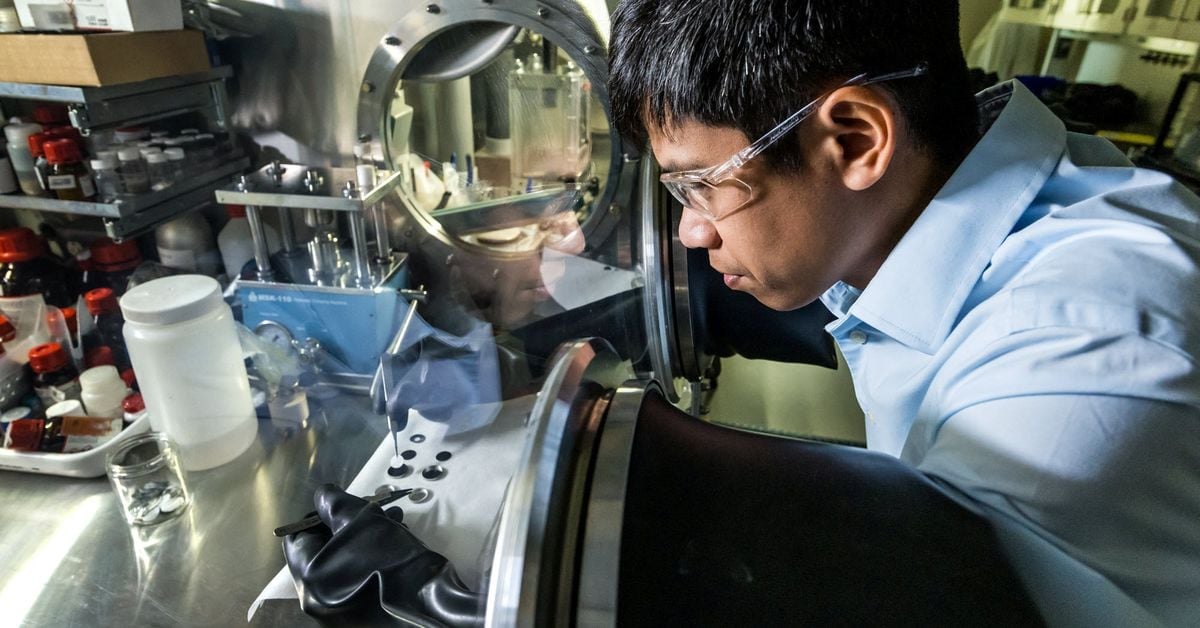
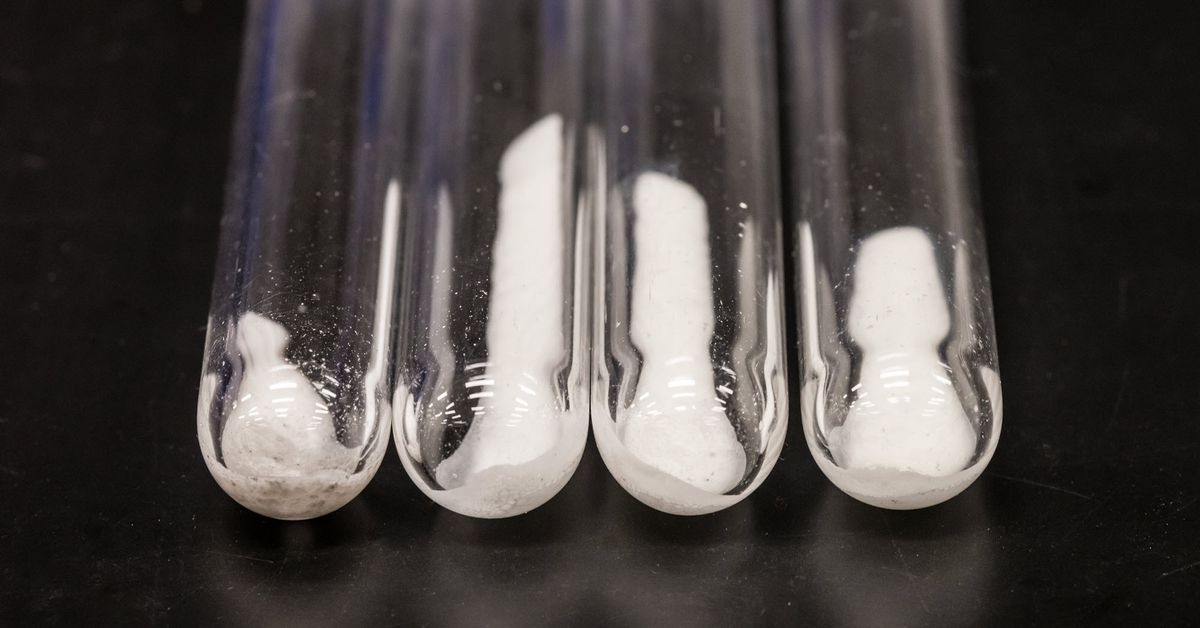
Researchers at NJIT used generative AI to discover five new porous materials that could enable more efficient, sustainable multivalent-ion batteries using abundant elements like magnesium and zinc, offering a promising alternative to lithium-ion technology and accelerating advanced materials research.
The US Commerce Department has imposed a preliminary anti-dumping duty of 93.5% on Chinese graphite imports, a key battery component, due to unfair subsidies, increasing tensions in the global electric-vehicle supply chain.
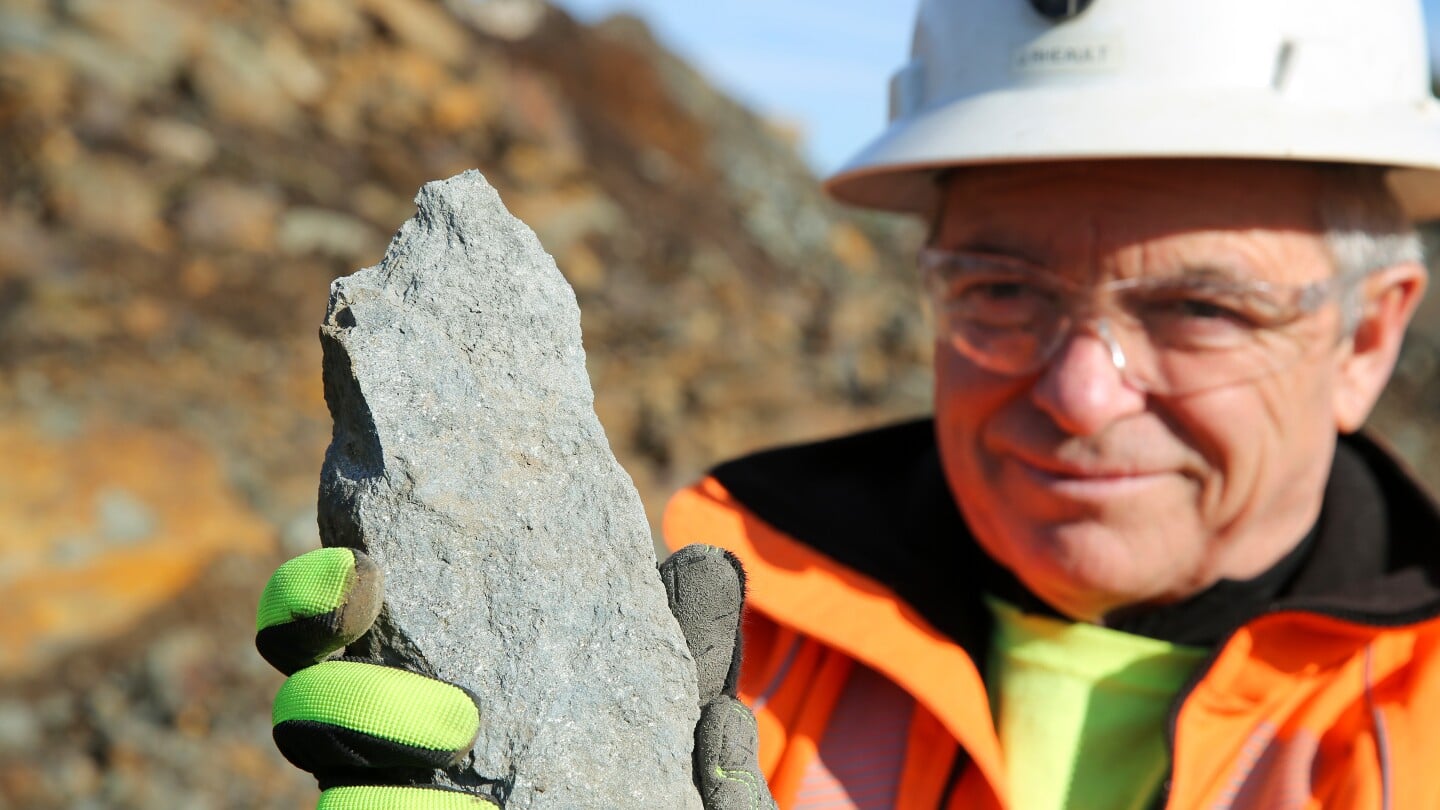
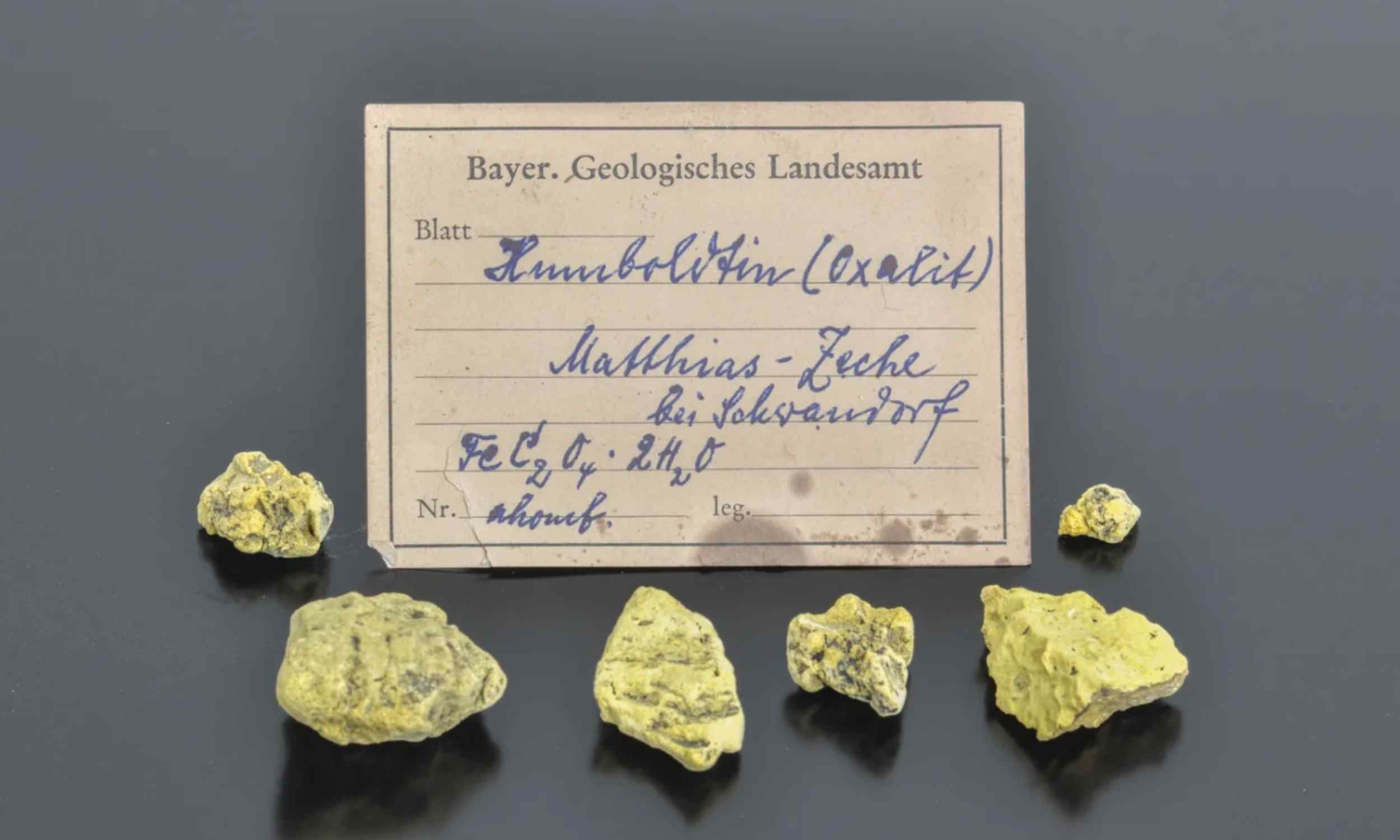
A 75-year-old lost letter led to the accidental discovery of humboldtine, one of Earth's rarest minerals, in Bavarian coal mine specimens, doubling Germany's known reserves and highlighting the importance of digitizing historical collections for scientific breakthroughs.
General Motors plans to spend $19 billion over the next decade to source critical materials for electric vehicle batteries from LG Chem, with a long-term supply contract for cathode materials including nickel, cobalt, manganese, and aluminum from 2026 through 2035. The supply will be enough to power 5 million units of EVs with a range of over 300 miles, and will come from an LG plant under construction in Tennessee to supply GM's joint venture battery cell plants in North America. The extended deal reflects GM's commitment to creating a sustainable battery EV supply chain and adjusting plans for slower EV adoption.
Microsoft has collaborated with the Pacific Northwest National Laboratory (PNNL) to utilize artificial intelligence in swiftly identifying a material that could potentially reduce lithium usage in batteries by 70%. The technology, which replaces much of the lithium with sodium, has the potential for applications in various industries. By using AI models trained on molecular science data and traditional supercomputers, Microsoft was able to narrow down 32 million possibilities to 18 candidates for PNNL scientists to examine and test in a lab, marking a significant advancement in the search for alternative battery materials.
Microsoft and PNNL have used AI and cloud computing to discover a promising new solid-state electrolyte for batteries, which could lead to safer and more efficient energy storage. The AI system quickly suggested 32 million candidates, eventually narrowing it down to 23, with one showing potential for a safer, more efficient battery using less lithium and more abundant elements like sodium. While there's still much testing and development ahead, the use of generative AI has the potential to accelerate the discovery of new materials crucial for renewable energy, although it's important to address the environmental impact of increased computing power.
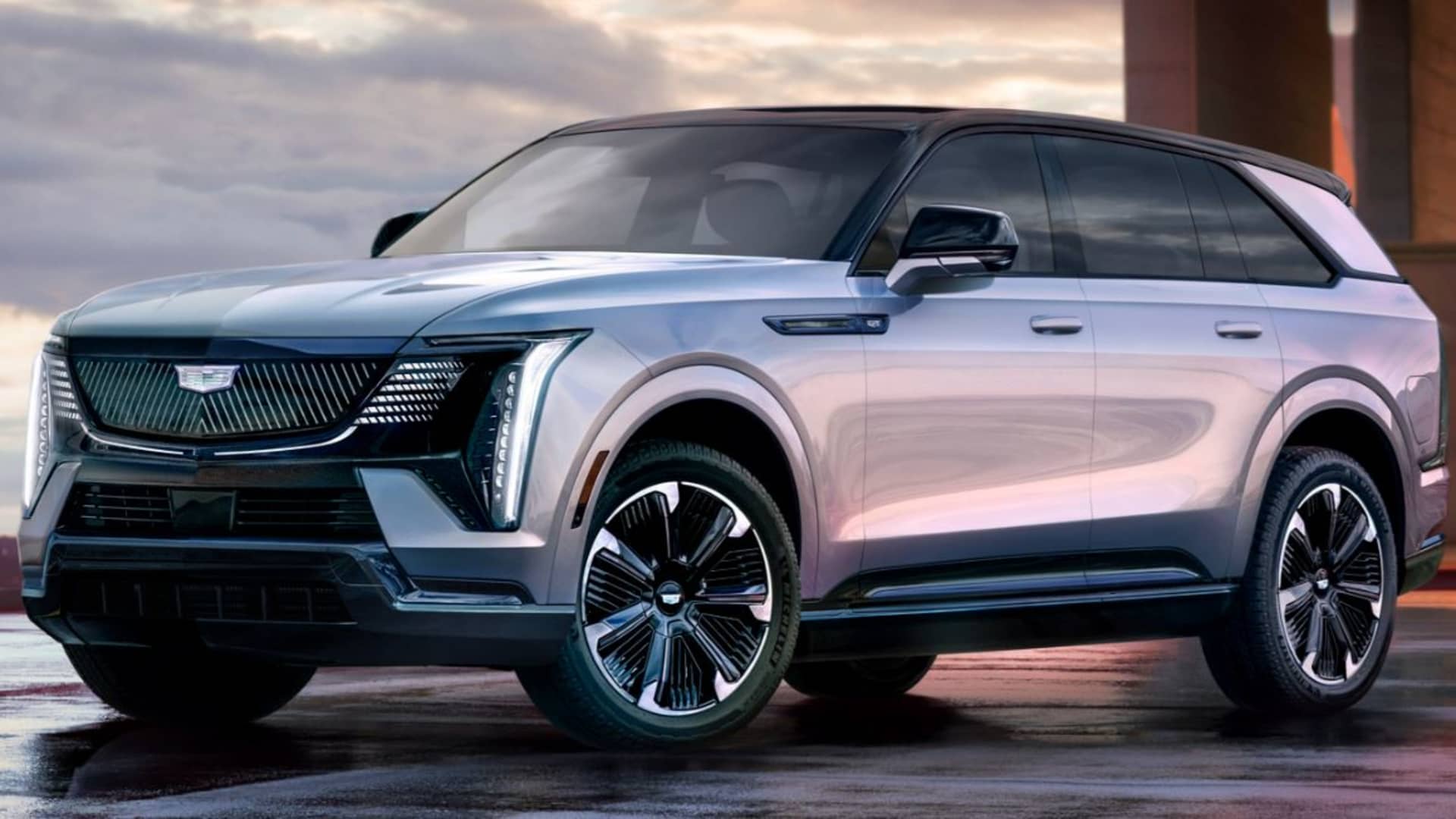
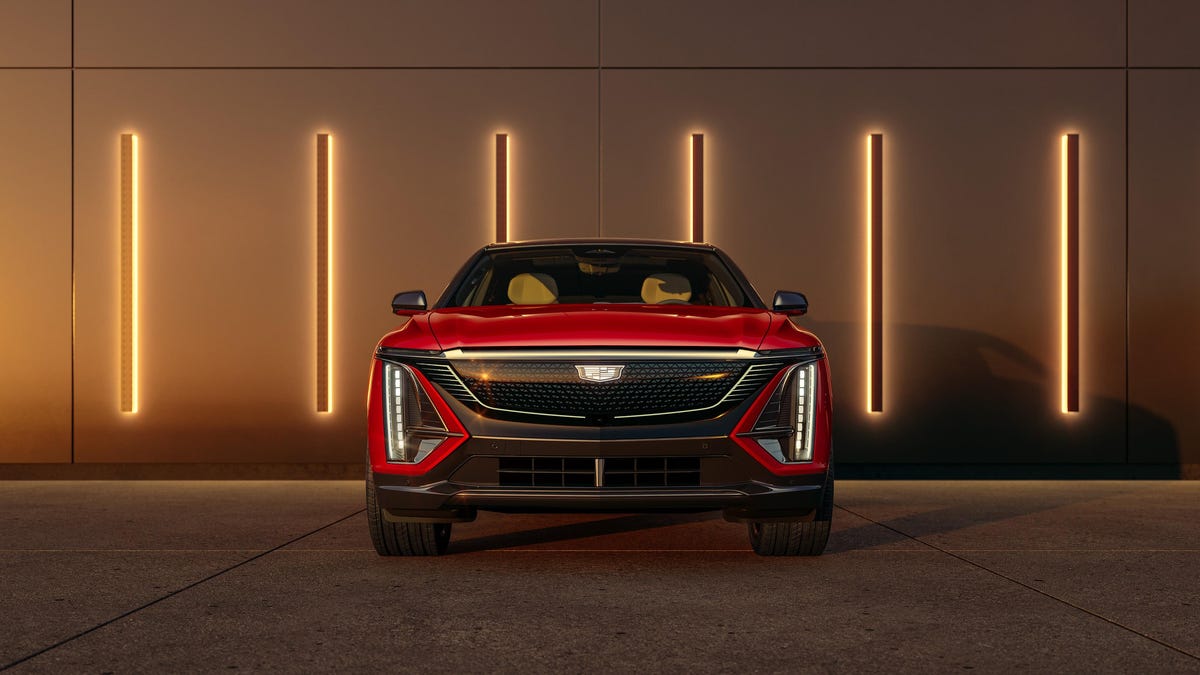
Starting January 1, 2024, new rules for EV tax rebates will require a lower MSRP cap and a battery built in the U.S. to be eligible. EVs with battery materials sourced from China, North Korea, and Russia will receive no federal incentive. Cars with at least 50% of materials sourced in North America or countries with free trade agreements with the U.S. will be eligible for a $3,750 rebate. EVs must have at least half of their battery components sourced and assembled in the U.S., Canada, or Mexico, and critical minerals must be sourced from a country with a free trade agreement. Some cars, like the Ford Mustang Mach-E and Tesla Model 3, will no longer be eligible for the full rebate. However, vehicles like the Cadillac Lyriq, Chevrolet Bolt, and Chrysler Pacifica PHEV remain eligible for the full rebate.
China, the world's largest graphite producer and exporter, has announced that it will require export permits for certain graphite products in order to protect national security and control supplies of critical minerals. The move comes as foreign governments increase pressure on Chinese companies over their industrial practices. The new restrictions, effective from December 1, will apply to high-purity synthetic graphite material, natural flake graphite, and their products. While the impact on the industry remains uncertain, the curbs are expected to prompt South Korean firms to seek alternative graphite sources, potentially increasing costs. Japan plans to inquire about the operational policies of the new measures, while shares in China's new energy vehicle and battery makers rose following the announcement.
Ford, along with South Korean partners EcoProBM and SK On, will invest $887 million to build a plant in Becancour, Quebec, to produce electric vehicle (EV) battery materials. The plant will manufacture 45,000 tonnes of cathode active materials (CAM) per year for Ford EVs, specifically targeting improved performance and increased EV range. The Canadian government will provide a conditional loan of $322 million, and the factory is expected to be operational by the first half of 2026, creating over 345 jobs. This investment highlights Becancour's emergence as an EV-supply-chain hub, attracting other major players like General Motors and BASF.
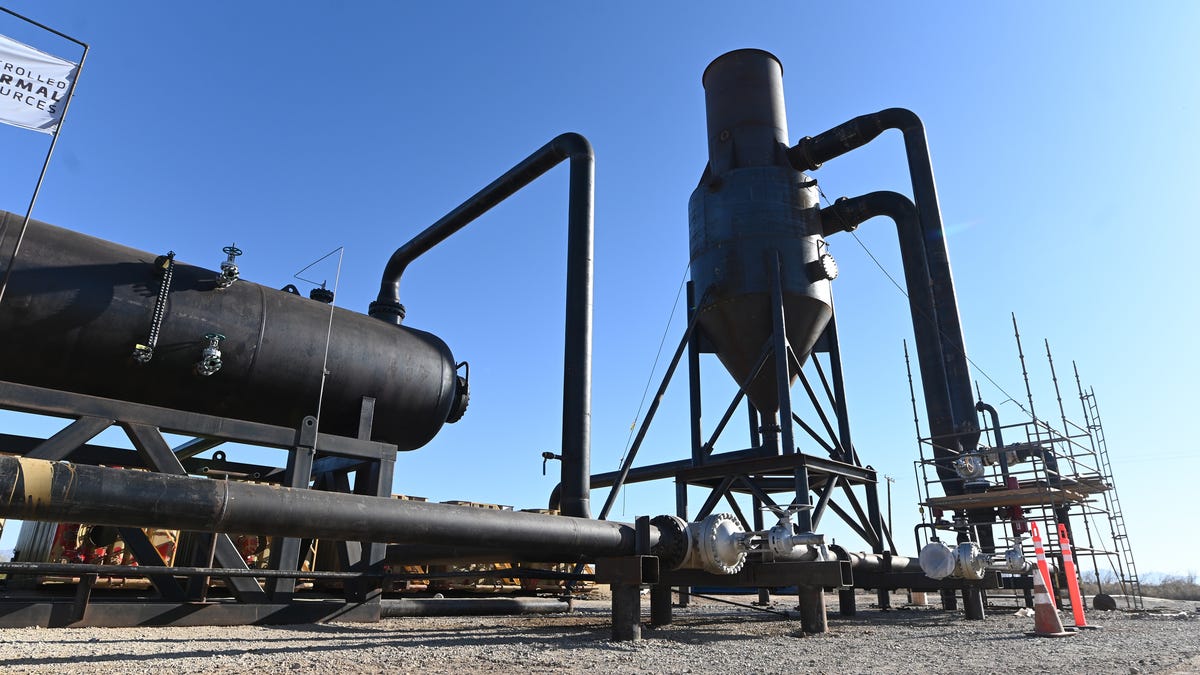
Stellantis is investing over $100 million into a geothermal lithium project in California, aiming to secure a sustainable supply of critical battery materials for its electric vehicles. The partnership with Controlled Thermal Resources Holdings will increase the expected supply of lithium hydroxide monohydrate from 27,558 to 71,650 tons per year. The project will use renewable energy and stream to recover lithium from geothermal brines, eliminating the need for evaporation brine ponds and fossil-fueled processing. Stellantis plans to introduce more than 25 all-electric vehicles by 2030 and aims to be carbon net-zero by 2038.