Tag

Glp 1s

All articles tagged with #glp 1s

Linda Yaccarino Becomes CEO of Telehealth Firm eMed After Leaving X

Originally Published 5 months ago — by TechCrunch

Featured image for Linda Yaccarino Becomes CEO of Telehealth Firm eMed After Leaving X
Source: TechCrunch

Linda Yaccarino, former CEO of X, has been appointed as the CEO of eMed Population Health, an AI startup focusing on health technology related to GLP-1 drugs for weight management and diabetes, leveraging her negotiation skills and tech industry recognition to lead the company's efforts to improve global healthcare outcomes.

"The Evolution of Weight-Loss Medications: From Fen-Phen to Ozempic and Beyond"

Originally Published 1 year ago — by Gizmodo

Featured image for "The Evolution of Weight-Loss Medications: From Fen-Phen to Ozempic and Beyond"
Source: Gizmodo

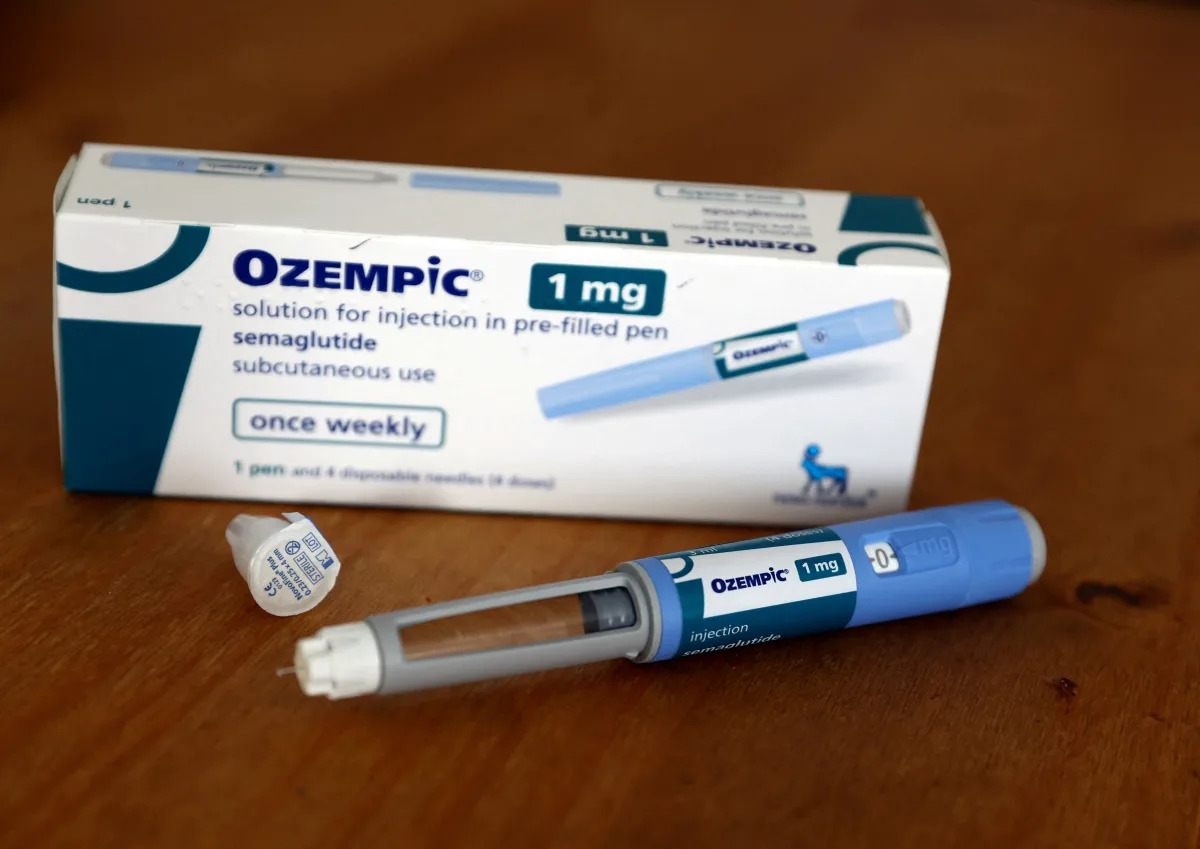
The rise of weight-loss drugs like Ozempic has drawn comparisons to the infamous fen-phen, but there are key differences. While fen-phen was a combination of appetite suppressants linked to severe heart problems, newer drugs like semaglutide and tirzepatide work differently as part of the incretin class, mimicking hormones to regulate hunger and metabolism. Large-scale clinical trials have shown that these drugs help obese people lose substantial weight and reduce the risk of heart and kidney problems, but they also come with potential side effects and supply issues. The lesson from the fen-phen crisis is that every approved medical treatment has its risks, and it's crucial for doctors, regulators, and the public to weigh the benefits against the potential risks.

"Survey Reveals High Costs Driving Demand for Weight-Loss Drugs"

Originally Published 1 year ago — by CNBC

Featured image for "Survey Reveals High Costs Driving Demand for Weight-Loss Drugs"
Source: CNBC

A recent survey by Evercore ISI reveals that demand for weight loss drugs, particularly GLP-1s, is high in the U.S. despite limited insurance coverage and monthly costs ranging from $900 to $1,350. The survey indicates that willingness to pay for these drugs is strongly correlated with annual income, with higher-income individuals willing to pay more out of pocket. Concerns about equity in access to these drugs arise due to disparities in out-of-pocket costs. Additionally, the survey highlights that many patients stop taking the drugs prematurely due to cost or achieving weight loss goals, but a significant portion intend to stay on the drugs permanently. Furthermore, the drugs have been observed to affect eating and drinking habits, with most respondents reporting eating less and drinking less alcohol while on the medication.

"Breakthrough Liver Disease Drug Marks New Era in Biopharma Innovation"

Originally Published 1 year ago — by CNBC

Featured image for "Breakthrough Liver Disease Drug Marks New Era in Biopharma Innovation"
Source: CNBC

The FDA has approved Madrigal Pharmaceuticals' drug "Rezdiffra" for the treatment of nonalcoholic steatohepatitis (NASH), a common and serious liver disease affecting millions of Americans. The approval marks a significant milestone as it is the first-ever treatment for NASH, with a price tag of $47,400 per year. This decision opens the door for other companies developing NASH treatments, and several biotech firms are currently studying experimental drugs for the condition. Additionally, the use of GLP-1s, including Novo Nordisk's Wegovy and Eli Lilly's Zepbound, in treating NASH is being closely watched, as they could potentially dominate the market. The approval of Rezdiffra without the need for a liver biopsy could accelerate and broaden patient access to NASH treatments.

"Exploring the Link Between Weight Loss Drugs and Mental Health Benefits"

Originally Published 1 year ago — by STAT

Featured image for "Exploring the Link Between Weight Loss Drugs and Mental Health Benefits"
Source: STAT

The complex relationship between weight loss drugs, particularly GLP-1s, and mental health is a topic of concern for endocrinologists and psychiatrists. While these drugs have shown effectiveness in treating obesity, their impact on mental health remains unclear. Some reports suggest a potential link between GLP-1s and suicidal thoughts, but emerging data also indicates neuroprotective effects, especially in depression and cognitive function. Close collaboration between doctors treating the body and those treating the mind is crucial, as patients with mental health disorders often face challenges with weight-promoting psychiatric medications. Despite the need for further research, there is evidence that GLP-1s may simultaneously treat depressive symptoms and improve quality of life for patients with obesity and mental illness.

"Weight-loss Medications' Impact on Consumer Spending and Industry Adaptation"

Originally Published 1 year ago — by Seeking Alpha

Featured image for "Weight-loss Medications' Impact on Consumer Spending and Industry Adaptation"
Source: Seeking Alpha

A survey by Morgan Stanley indicates that households with members using major weight-loss drugs like GLP-1s are spending less on groceries, with a 6% to 9% decrease in monthly grocery spending compared to non-users. The most negatively impacted categories for spending include snacks, pastries, and ice cream, while yogurt, fish, and vegetable snacks are positively impacted. This trend is attributed to reduced consumption of less healthy categories when taking GLP-1 drugs, leading to decreased grocery bills for these households.

"Unveiling the Truth About Weight Loss Drugs: What You Need to Know"

Originally Published 1 year ago — by CNN

Featured image for "Unveiling the Truth About Weight Loss Drugs: What You Need to Know"
Source: CNN

New weight loss drugs, known as GLP-1 receptor agonists, are making weight loss more effortless by quieting brain chatter about food. These drugs, such as semaglutide and tirzepatide, are approved to treat people with obesity and type 2 diabetes, and have shown to be effective in helping many people lose weight. They have a relatively long track record for safety, but require close follow-up and are just one component of a comprehensive plan to treat obesity.

"The Decline of Wall Street's Concern Over Weight Loss Drug Craze Impact"

Originally Published 1 year ago — by Yahoo Finance

Featured image for "The Decline of Wall Street's Concern Over Weight Loss Drug Craze Impact"
Source: Yahoo Finance

Wall Street's fears of weight loss drugs impacting medical device and food and beverage stocks have subsided, with analysts noting a lack of concern at recent conferences. The popularity of GLP-1 drugs like Novo Nordisk's Wegovy and Eli Lilly's Zepbound continues to grow, but concerns about their long-term impact on industries have eased. Medical device sales have actually surged due to increased interest in continuous glucose monitoring devices, while some pharmaceutical companies, like Sanofi, are not pursuing the trend. Food and beverage stocks, including McDonald's, have rebounded, and restaurant demand remains strong, with factors like side effects and limited insurance coverage for weight loss drugs mitigating potential negative impacts.

"Shifting Landscape: The Future of Weight Loss Drugs in 2024"

Originally Published 1 year ago — by Yahoo Finance

Featured image for "Shifting Landscape: The Future of Weight Loss Drugs in 2024"
Source: Yahoo Finance

Prominent weight-loss drugs, known as GLP-1s, made by Novo Nordisk and Eli Lilly, may not have as much lasting impact on healthcare in 2024 as previously expected. Analysts are predicting less need for medtech devices and surgeries due to the popularity of these drugs, but recent commentary suggests a shift away from the initial fear and panic surrounding their impact. Fast-food and fast-casual chains' valuation rebound is credited to a cooling GLP-1 narrative, with industry veterans noting that accessibility to these drugs is difficult for lower-income consumers and that healthier alternatives may boost business. The uptake of these drugs, accessibility, side effects, and production constraints are still key factors in determining their long-term impact.

"Promising Results: Eli Lilly's Zepbound and Tirzepatide Revolutionize Obesity Treatment"

Originally Published 2 years ago — by Endpoints News

Featured image for "Promising Results: Eli Lilly's Zepbound and Tirzepatide Revolutionize Obesity Treatment"
Source: Endpoints News

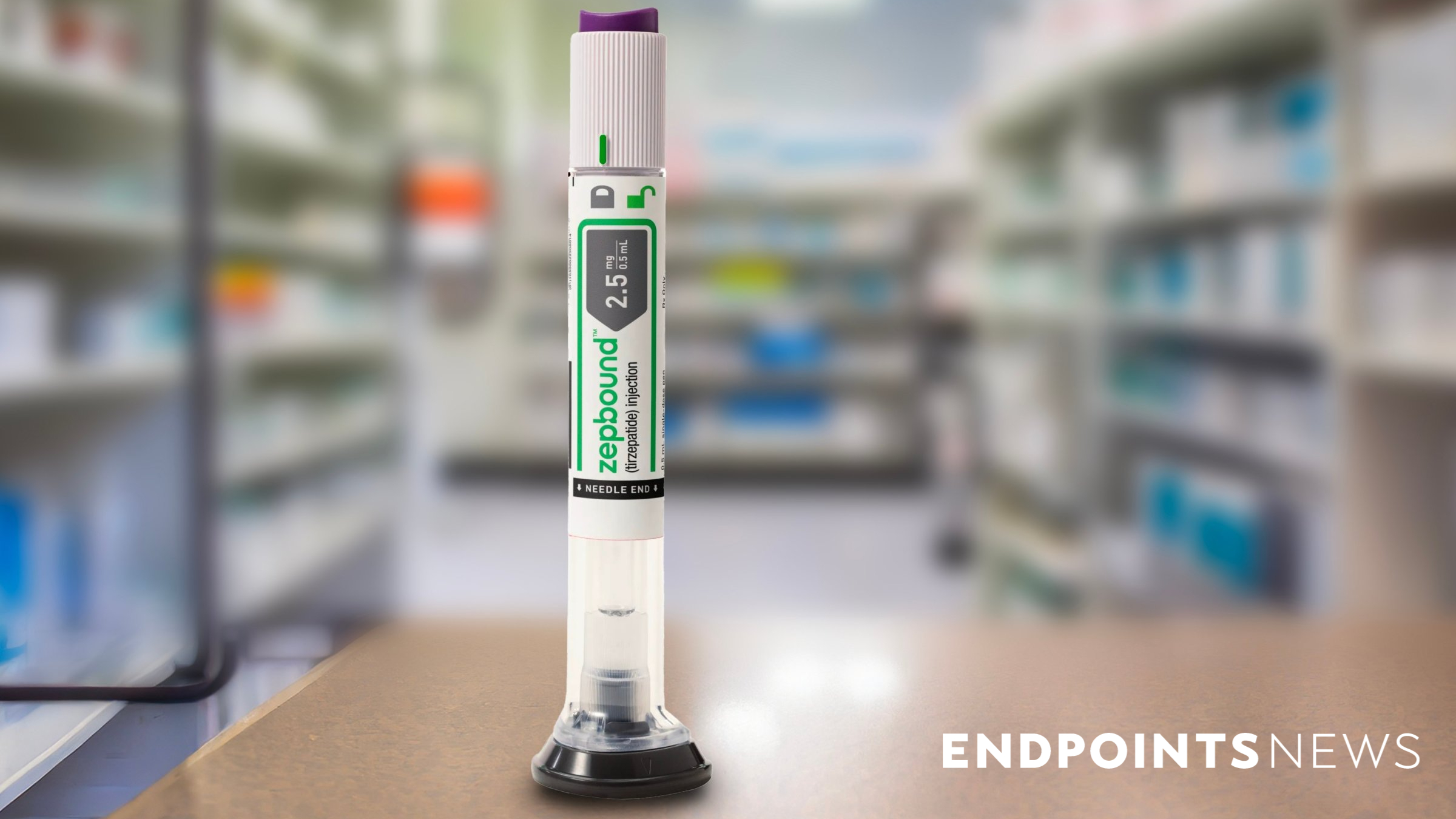
Eli Lilly's weight loss drug, Zepbound, has gained significant attention and media coverage since its FDA approval in November. The drug's availability in pharmacies has sparked further interest, fueled by discussions on social media about GLP-1s and off-label use of similar treatments.

The Truth Behind Weight-Loss Drugs: Hype or Hope?

Originally Published 2 years ago — by Yahoo Finance

Featured image for The Truth Behind Weight-Loss Drugs: Hype or Hope?
Source: Yahoo Finance

Analyst Andrew Charles of TD Cowen believes that weight-loss drugs like Ozempic or Wegovy, despite being named Novo Nordisk's Company of the Year, will have a limited long-term impact on calorie reduction and overall population health. TD Cowen's outlook for GLP-1s predicts 14.3 million people in the US taking the drugs, resulting in a 30% reduction in calories by users and a 0.07% decrease in overall US population calorie consumption. Charles suggests that stocks like Domino's Pizza, Wingstop, and Darden Restaurants may be more protected from the potential impact of weight-loss drugs due to their focus on delivery and dining out occasions.

Food Industry Adapts to Long-Term Risks of Weight Loss Drugs

Originally Published 2 years ago — by Yahoo Finance

Featured image for Food Industry Adapts to Long-Term Risks of Weight Loss Drugs
Source: Yahoo Finance

The rising popularity of Novo Nordisk's weight-loss drugs, Ozempic and Wegovy, has sparked fears among investors about the potential impact on food companies. However, experts believe that the initial panic is unwarranted, as the long-term effects on consumer behavior and food consumption are still uncertain. While some categories like medical technology companies and snack businesses may see slower revenue growth due to the increased use of GLP-1 drugs, the impact is expected to happen gradually over many years. Food companies have weathered previous dieting trends and have been adapting by offering healthier options. While decreased appetite and cravings may change snacking habits and impact fast food chains, the overall impact on the industry is projected to be financially immaterial. Retailers with pharmacies, such as Walmart and Target, may benefit from increased foot traffic as more consumers seek prescriptions for weight-loss drugs. The food industry has proven resilient, and the companies' share prices already account for various risk factors.

"Rising Healthcare Costs: Diabetes Takes the Lead as America's Costliest Chronic Condition"

Originally Published 2 years ago — by Benzinga

Featured image for "Rising Healthcare Costs: Diabetes Takes the Lead as America's Costliest Chronic Condition"
Source: Benzinga

Diabetes is projected to become the most expensive chronic condition in America, with a potential 700% increase in type 2 diabetes cases among people under 20 by 2060. The rising popularity of GLP-1 receptor agonists (GLP-1s) like Ozempic has contributed to the increasing costs of diabetes treatment. However, it is important to recognize that GLP-1s are not a cure-all and lifestyle changes remain crucial for effective diabetes management. Better Therapeutics has developed a smartphone-based cognitive behavioral therapy (CBT) software called AspyreRx to address the behavioral and lifestyle-related root causes of diabetes. Clinical trials have shown that adding AspyreRx to GLP-1 treatment resulted in significant improvements in clinical outcomes, including reduced HbA1c levels and weight loss. Prescription digital therapeutics like AspyreRx have the potential to enhance access to healthcare and mitigate health disparities.

Tragic Outcome: Woman's Weight Loss Journey Ends in Fatality

Originally Published 2 years ago — by The Independent

Featured image for Tragic Outcome: Woman's Weight Loss Journey Ends in Fatality
Source: The Independent

A woman in Australia died after taking the prescribed weight loss drug Ozempic, which is typically used to treat type 2 diabetes but has also been approved for chronic weight management. Trish Webster, 56, started taking the drug to lose weight for her daughter's wedding. Despite experiencing severe side effects such as vomiting, diarrhea, and nausea, she continued using the drug. Her husband believes the drugs contributed to her death. The manufacturer, Novo Nordisk, stated that they do not support Ozempic specifically for weight loss and prioritize patient safety.

Tragic Outcome: Woman's Weight Loss Journey Ends in Fatality

Originally Published 2 years ago — by The Independent

Featured image for Tragic Outcome: Woman's Weight Loss Journey Ends in Fatality
Source: The Independent

A woman in Australia died after taking the prescribed weight loss drug Ozempic, which is typically used to treat type 2 diabetes. Trish Webster, 56, started taking the drug to lose weight for her daughter's wedding. Despite experiencing severe side effects such as vomiting, diarrhea, and nausea, she continued using the drug. Her husband believes the drugs contributed to her death. The Danish pharmaceutical company Novo Nordisk, which manufactures Ozempic, stated that they do not support its use specifically for weight loss and prioritize patient safety.