In 2026, Medicare beneficiaries will face increased premiums and deductibles, higher out-of-pocket costs for prescription drugs, and new negotiated rates on 10 common medications, making it crucial to review plans and budget accordingly for retirement healthcare expenses.
U.S. healthcare costs are rising sharply, with employers facing nearly 9% higher expenses for employee coverage, leading to increased paycheck deductions and out-of-pocket costs for workers, driven by higher insurer, drug, and hospital prices amid reduced competition and market consolidation.
A recent study shows that a cancer diagnosis significantly increases out-of-pocket costs for privately insured patients under 65, with costs rising as the disease progresses, highlighting the need for policy reforms to support affected individuals.
A study published in JAMA Network Open found that out-of-pocket costs for cancer patients increase by an average of $592.53 per month in the six months following diagnosis, with costs rising more for advanced stages, highlighting the need for policy changes to support patients financially.
Legacy Health and Regence are currently at a standstill in negotiations over insurance coverage, with no further meetings scheduled. If no agreement is reached by Sunday, patients with appointments at Legacy Health facilities may face out-of-pocket costs. Regence has stated that Legacy's reimbursement demands are unrealistic and too high, while Legacy emphasizes the impact on patients. Both parties are working to find a resolution to ensure affordable access to care for members.
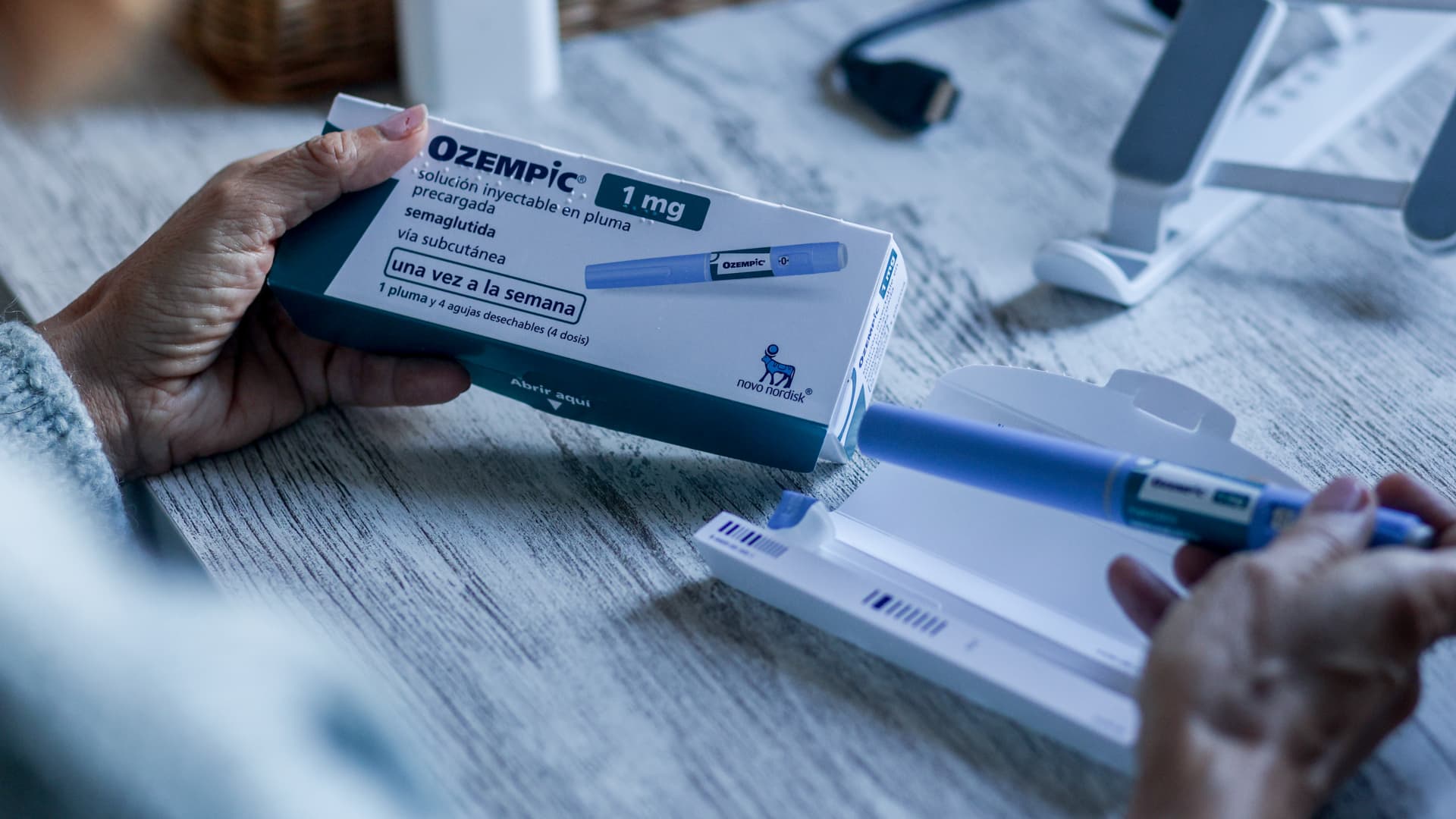
A recent survey by Evercore ISI reveals that demand for weight loss drugs, particularly GLP-1s, is high in the U.S. despite limited insurance coverage and monthly costs ranging from $900 to $1,350. The survey indicates that willingness to pay for these drugs is strongly correlated with annual income, with higher-income individuals willing to pay more out of pocket. Concerns about equity in access to these drugs arise due to disparities in out-of-pocket costs. Additionally, the survey highlights that many patients stop taking the drugs prematurely due to cost or achieving weight loss goals, but a significant portion intend to stay on the drugs permanently. Furthermore, the drugs have been observed to affect eating and drinking habits, with most respondents reporting eating less and drinking less alcohol while on the medication.
Medical billing analysts report that the majority of debtors to US hospitals are now people with health insurance, a significant shift from just a few years ago. The rise in "bad debt" from insured patients is attributed to complex health insurance products with large out-of-pocket costs. This trend has led to increased political concern over the impact of medical debt on Americans' lives, as well as criticism of hospitals' collection practices. The complexity of health plans and high deductibles are contributing factors, with some advocating for changes in the billing process to alleviate the burden on patients.
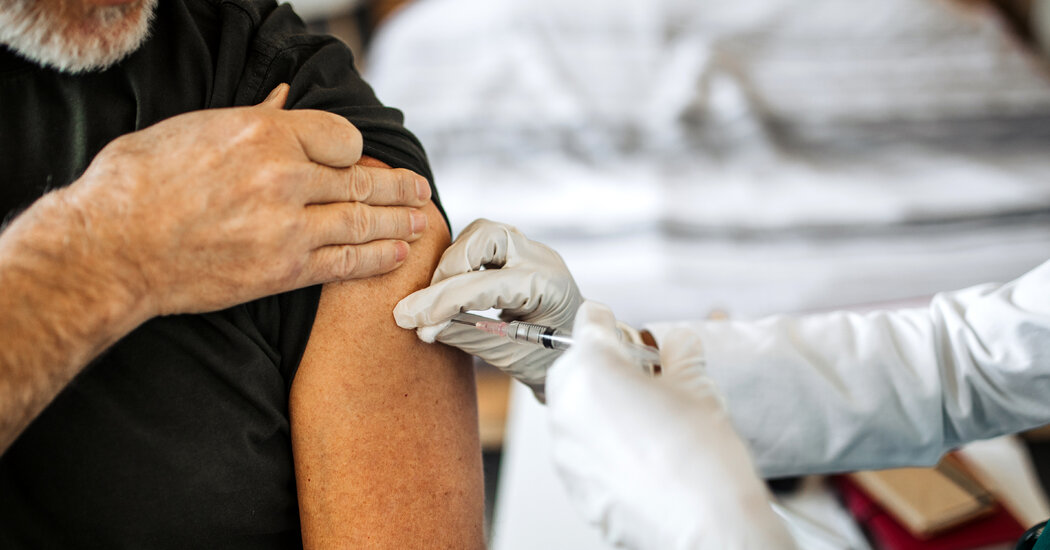
Some health insurance companies are lagging behind in covering the cost of the COVID-19 booster vaccine, leaving individuals to pay out-of-pocket fees ranging from $125 to $190 at major pharmacy chains like CVS, Walgreens, and Rite Aid. While COVID-19 vaccines used to be free under the Public Health Emergency, the new boosters should be covered by most public and private health insurances. There is also a CDC Bridge Access Program that provides free COVID-19 vaccines for uninsured individuals until December 31, 2024. Some insurance companies are waiting for FDA approval before authorizing coverage for the boosters. It is advised for individuals to check with their insurance and the pharmacy before receiving the vaccine.
A new study has found that pharmacy discount cards can significantly reduce out-of-pocket costs for prescription medications, potentially saving patients millions of dollars. The study examined two discount card programs, Amazon Prime and GoodRx Gold, and analyzed the savings on 20 commonly prescribed generic drugs. The findings showed that using these discount cards could result in savings of up to 85% on out-of-pocket costs, with estimated total savings of $969 million and $1.83 billion, respectively. The study highlights the potential benefits of pharmacy discount cards for individuals without insurance or those with high-deductible healthcare plans.
TRICARE beneficiaries may encounter copayments, cost-shares, and deductibles when seeking covered health services and prescription drugs. Copayments are fixed dollar amounts, cost-shares are percentages of total costs, and deductibles are amounts paid before cost-sharing begins. Factors such as TRICARE plan, beneficiary category, and service type determine these costs. Following plan rules and using network providers can help reduce out-of-pocket expenses. Different TRICARE plans have varying copayments, cost-shares, and deductibles, and the TRICARE Pharmacy Program also has its own cost structure. Beneficiaries can check the Compare Costs tool and TRICARE regional contractors for up-to-date information on out-of-pocket costs.
Some health insurance plans, including Medicare Part D and private prescription drug coverage, are not covering the cost of the new respiratory syncytial virus (RSV) vaccines for adults aged 60 and up. This leaves individuals responsible for paying out-of-pocket costs, which can amount to over $300. The lack of coverage is due to fragmented policies and loopholes in insurance coverage. While Medicare Part D should cover the RSV vaccines, Medicare enrollees without a Part D plan may have to pay depending on their non-Medicare prescription drug coverage. Private health insurers have used language loopholes and the absence of RSV on the CDC's annual vaccine schedule as reasons for not covering the vaccine. It is advised to check with your insurance plan before scheduling an appointment for the RSV vaccine.
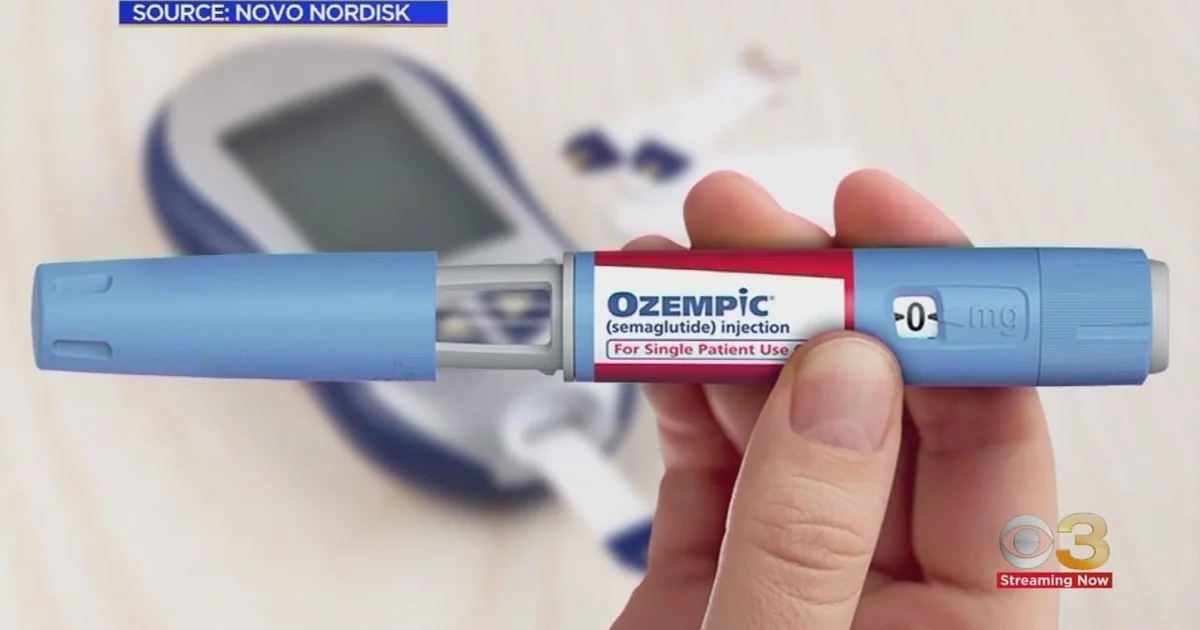
Weight loss drugs like Ozempic, Mounjaro, and Wegovy are gaining popularity among patients seeking to lose weight, with Wegovy being FDA-approved for this purpose. However, doctors warn that these drugs are not a short-term fix and should be used as an aid for dangerously overweight patients, rather than for cosmetic purposes. Insurance coverage for these drugs is limited, with most policies not covering them, but there are coupons available for some. Patients have reported success with these drugs, but the out-of-pocket costs can be significant, ranging from $25 to $1,000 per month.
Families dealing with a child in the hospital may face an average of $1,300 in out-of-pocket costs for that stay, according to a study by Michigan University. The study found that the average pediatric hospital stay cost for families that are privately insured is $1,300, while one in seven families will need to pay more than $3,000. The costs analyzed in the study include things like co-insurance payments and deductibles, but does not include ‘indirect’ costs, like missing work. Researchers say that restructuring how insurance plans cover hospitalizations could help alleviate this financial burden on families.