Tag

Global Oil Market

All articles tagged with #global oil market

OPEC+ Likely to Extend Oil Cuts Through 2025 Amid Price Struggles

Originally Published 1 year ago — by Reuters

Featured image for OPEC+ Likely to Extend Oil Cuts Through 2025 Amid Price Struggles
Source: Reuters

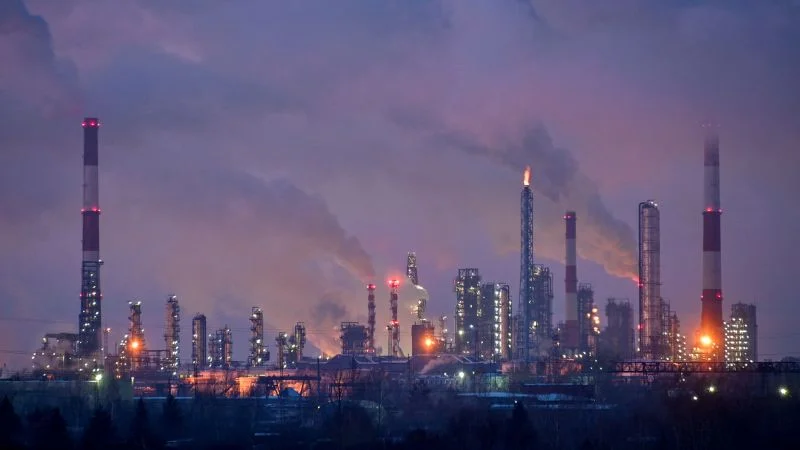
OPEC+ has decided to extend its significant oil production cuts into 2025 to stabilize the market amid weak demand growth, high interest rates, and increasing U.S. production. The group will gradually phase out some cuts starting in October 2024, while postponing discussions on individual member capacity targets until November 2025. This move aims to address market concerns and maintain solidarity within the group.
"Understanding the Surge in California's Gas Prices and Future Outlook"

Originally Published 1 year ago — by KCRA Sacramento

Featured image for "Understanding the Surge in California's Gas Prices and Future Outlook"
Source: KCRA Sacramento

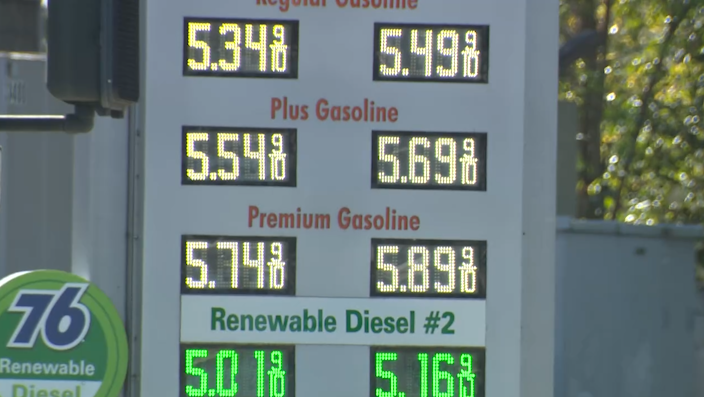
Gas prices in California have surged due to the switch to the summer blend, refinery maintenance, high taxes, and international events impacting the global oil market. The state's average gas price has risen close to 30 cents a gallon in the last week, significantly higher than the national average. Experts expect prices to stabilize and potentially decrease after Memorial Day, once refinery maintenance is completed and the switch to the summer blend is over.

"OPEC+ Extends Oil Output Cuts Through June, Russia Deepens Cuts"

Originally Published 1 year ago — by Reuters

Featured image for "OPEC+ Extends Oil Output Cuts Through June, Russia Deepens Cuts"
Source: Reuters

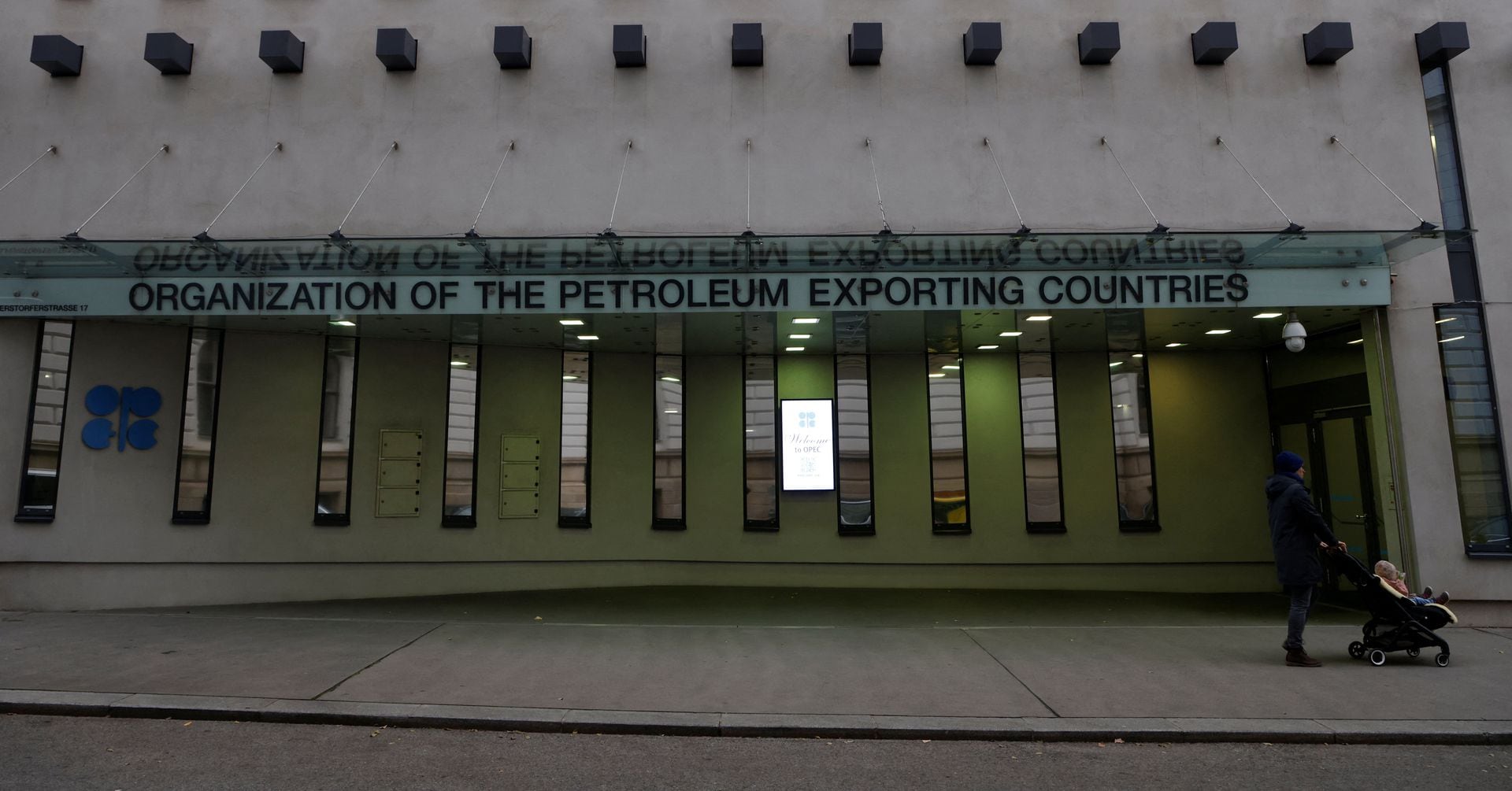
OPEC+ members, led by Saudi Arabia and Russia, have agreed to extend voluntary oil output cuts of 2.2 million barrels per day into the second quarter, with Saudi Arabia maintaining a cut of 1 million barrels per day and Russia deepening its cuts. The decision aims to provide support to the global oil market amidst concerns over economic growth and rising output from non-OPEC+ producers. The move is expected to open oil trading stronger and signals the group's commitment to gradual supply increases based on market conditions.

"Saudi Arabia Slashes Crude Prices to 27-Month Low, Impacting Global Markets"

Originally Published 2 years ago — by MarketWatch

Featured image for "Saudi Arabia Slashes Crude Prices to 27-Month Low, Impacting Global Markets"
Source: MarketWatch

Saudi Aramco announced a cut in crude prices to all regions, including Asia, amid weaker global oil prices and increased production by non-OPEC countries. The move comes after a summer rally and a fourth-quarter decline in crude prices. Oil prices bounced last week due to attacks on shipping in the Red Sea, stoking fears of a broader conflict. U.S. oil production has reached record levels, easing concerns about tight supplies and potentially leading to record-breaking U.S. crude exports.

"Surging U.S. Oil Exports Shake Up Global Market Dynamics"

Originally Published 2 years ago — by Seeking Alpha

Featured image for "Surging U.S. Oil Exports Shake Up Global Market Dynamics"
Source: Seeking Alpha

The United States has reached a record-breaking crude oil production of 13.2 million barrels per day, surpassing expectations and causing concerns for OPEC+, which recently agreed to further output cuts. The US accounts for 80% of the global oil supply expansion this year, and its production is expected to continue growing. This surge in supply is the main reason why oil markets have not tightened as anticipated. Despite a rebound in crude oil futures, prices have experienced a seventh consecutive weekly loss.

OPEC+ Considers Extending Production Cuts Amid Rising Oil Prices and Inventory Pressures

Originally Published 2 years ago — by Yahoo Finance

Featured image for OPEC+ Considers Extending Production Cuts Amid Rising Oil Prices and Inventory Pressures
Source: Yahoo Finance

US and international oil prices surged by over 4% after a week-long slump, as Saudi Arabia is reportedly considering extending its production cuts into 2024. The Financial Times reported that Saudi officials are likely to extend the current one million barrel-a-day cut into at least the spring, with the voluntary cuts previously expected to end in 2023. OPEC+ leaders are set to meet on November 26 to discuss any adjustments to oil output, and tensions with the US could rise if further production pullbacks occur. Falling oil prices and concerns about the Israel-Palestine conflict and the crisis in Gaza are driving the potential cuts. No final decisions have been made, and public comments are expected to focus on oil markets rather than the conflict.

"Rising Gas Prices Spark Concerns as U.S. Oil Production Surges"

Originally Published 2 years ago — by POLITICO

Featured image for "Rising Gas Prices Spark Concerns as U.S. Oil Production Surges"
Source: POLITICO

Republicans are blaming President Joe Biden's green agenda for the surge in gasoline prices, but the reality is that U.S. oil production is on track to set a new record this year and is expected to continue rising. The increasing flow of U.S. crude, however, has not been able to keep gasoline prices in check, highlighting the influence of global market forces on fuel prices. Factors such as banking conditions in Europe, China's real estate market, the conflict in Ukraine, and Saudi Arabia's decisions all impact global oil prices. Despite the U.S. becoming the largest oil producer in the world, the country's fuel market remains dependent on global markets, and events beyond its borders will play a significant role in shaping voters' perception of "Bidenomics."

Global Economic Factors Drive Down Oil Prices

Originally Published 2 years ago — by OilPrice.com

Featured image for Global Economic Factors Drive Down Oil Prices
Source: OilPrice.com

Oil prices fell as China's economic recovery disappointed and the U.S. dollar strengthened. Brent crude traded below $86 per barrel, while West Texas Intermediate remained above $82 per barrel. The International Energy Agency (IEA) predicted higher prices this year but also anticipated a decline in demand in 2024 due to economic headwinds. The IEA acknowledged the tightening supply of oil from OPEC+ cuts, which could lead to higher prices. However, some analysts suggest that the oil market may be due for a correction. Traders will be closely watching China's industrial production data and the U.S. for further market developments.

"Saudi Arabia and Russia Extend Oil Production Cuts, Boosting Prices"

Originally Published 2 years ago — by Financial Times

Saudi Arabia and Russia have announced new oil production cuts in an effort to stabilize the global oil market. The two countries, along with other members of the OPEC+ group, have agreed to reduce their output by 1 million barrels per day in February and March. This decision comes as oil prices have been under pressure due to the ongoing COVID-19 pandemic and concerns about oversupply.

Russia's export structure puts it at a disadvantage against OPEC+ according to Rosneft's Sechin.

Originally Published 2 years ago — by Reuters

Featured image for Russia's export structure puts it at a disadvantage against OPEC+ according to Rosneft's Sechin.
Source: Reuters

Igor Sechin, the head of Rosneft, has said that Russia is losing out to other OPEC+ countries due to a smaller share of its oil production being exported. Sechin proposed that OPEC+ should monitor not only production quotas but also oil export volumes, given the different sizes of domestic markets. Currently, OPEC+ regulates only production, not exports. Sechin also noted that it was more difficult for OPEC countries to find common ground due to differences in economic structure and oil production.

Saudi Arabia's Oil Production Cut to Impact Global Markets.

Originally Published 2 years ago — by The New York Times

Featured image for Saudi Arabia's Oil Production Cut to Impact Global Markets.
Source: The New York Times

OPEC Plus, a group of major oil producers, has agreed to cut output to halt the recent slide in oil prices. Saudi Arabia has announced an additional cut in output of one million barrels a day for at least a month beginning in July, which could be extended. The agreement reworks the output quotas of several countries, with the United Arab Emirates gaining and some others losing production levels. The key feature of the agreement is the additional production cut by Saudi Arabia, which would bring its daily output to about nine million barrels a day.

Putin and Saudi Crown Prince discuss OPEC+ oil cuts cooperation.

Originally Published 2 years ago — by Reuters.com

Featured image for Putin and Saudi Crown Prince discuss OPEC+ oil cuts cooperation.
Source: Reuters.com

Russian President Vladimir Putin and Saudi Crown Prince Mohammed bin Salman discussed the OPEC+ deal to cap oil production in a phone call, expressing satisfaction with the level of cooperation between the two countries to bring stability to the global oil market. OPEC+ oil producers recently announced further oil output cuts of around 1.16 million barrels per day.

Russia extends oil output cuts through June.

Originally Published 2 years ago — by CNN

Featured image for Russia extends oil output cuts through June.
Source: CNN

Russia will continue to cut its oil production by 500,000 barrels per day until the end of June, according to Deputy Prime Minister Alexander Novak. Novak cited Western energy embargoes against Russia and attempts to cap the price of Russian oil as reasons for the global oil market's unprecedented pressure. The cut is in addition to an agreement by OPEC+ to reduce supply, and a ministerial panel from the group is scheduled to meet on April 3 to discuss market conditions.

Global Oil Demand to Surpass Supply in Late 2023, Boosted by China's Rebound.

Originally Published 2 years ago — by OilPrice.com

Featured image for Global Oil Demand to Surpass Supply in Late 2023, Boosted by China's Rebound.
Source: OilPrice.com

The International Energy Agency (IEA) predicts that the global oil market will shift from a surplus in the first half of 2023 to a deficit in the latter part of the year due to China's economic rebound driving global oil demand to a record high of 102 million barrels per day. Non-OPEC+ supply growth is expected to fall short in the second half of the year, and building stocks today will ease tensions when demand surges.