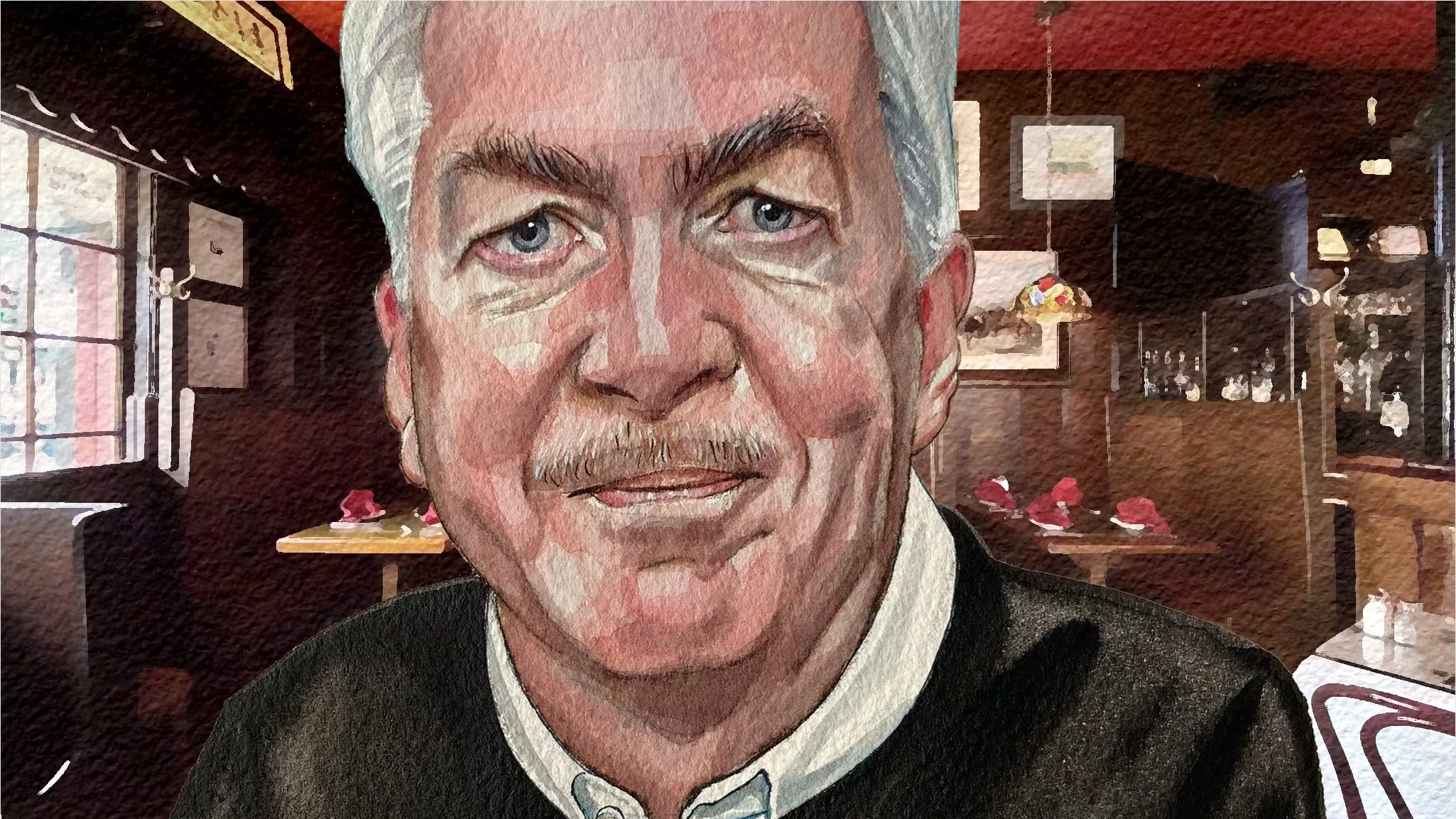
William Burns Warns Against Imitating Autocrats
Former CIA director William Burns criticizes imitating autocrats as an ineffective strategy, emphasizing the importance of authentic leadership and diplomacy.

All articles tagged with #autocrats
Former CIA director William Burns criticizes imitating autocrats as an ineffective strategy, emphasizing the importance of authentic leadership and diplomacy.
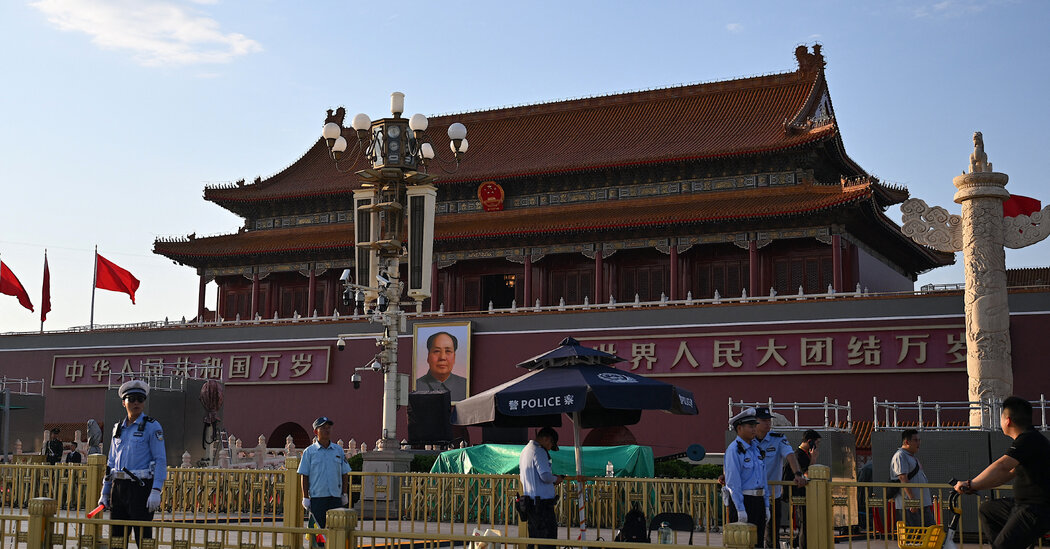
China is holding a grand military parade in Beijing to commemorate the 80th anniversary of the end of World War II, showcasing its military strength and gathering authoritarian leaders like Putin, Kim Jong-un, and Iran's president, emphasizing China's diplomatic influence and military advancements.
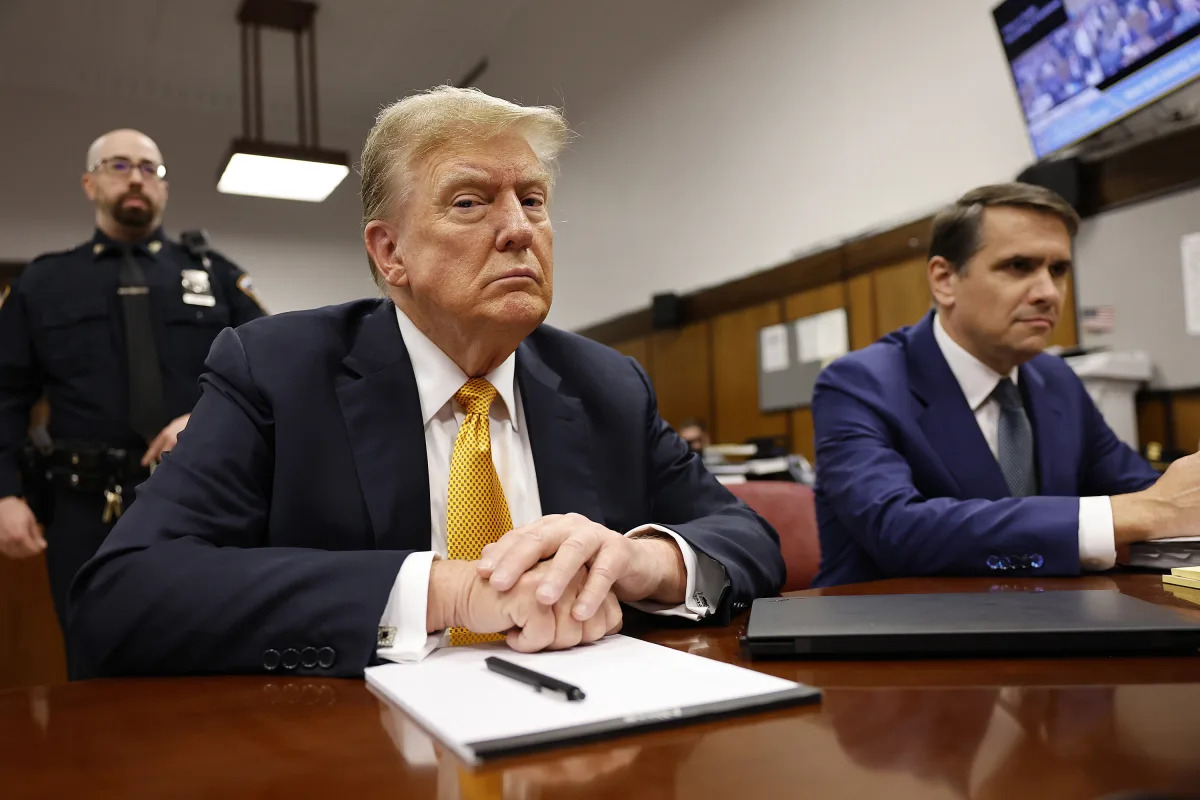
Following his conviction in a hush money case, Donald Trump attacked the U.S. justice system, claiming it was "rigged." Experts warn that such rhetoric could be exploited by autocrats like Vladimir Putin to undermine U.S. global influence and sway upcoming elections. Autocratic leaders, including those from Russia, Hungary, and China, have echoed Trump's sentiments, potentially using the political turmoil to their advantage. This could distract the U.S. from key issues like the war in Ukraine and weaken alliances such as NATO.
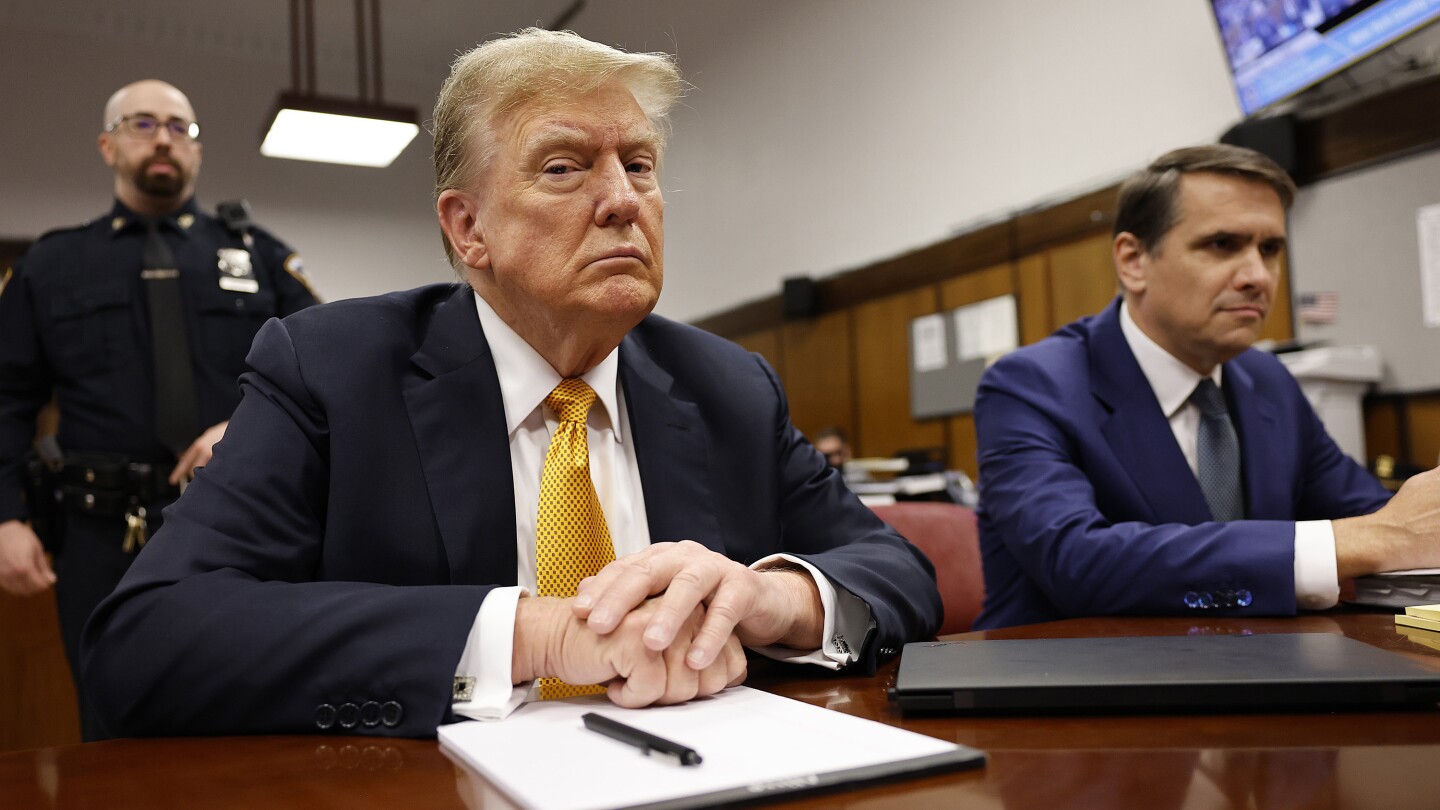
Experts warn that Donald Trump's attacks on the U.S. justice system following his conviction could be exploited by autocrats like Vladimir Putin to undermine U.S. global influence and sway the upcoming presidential election. Autocratic leaders have echoed Trump's claims, using them to bolster their own positions and criticize American democracy. This turmoil could benefit Russia and other authoritarian states by distracting the U.S. from key issues and dividing Western alliances.
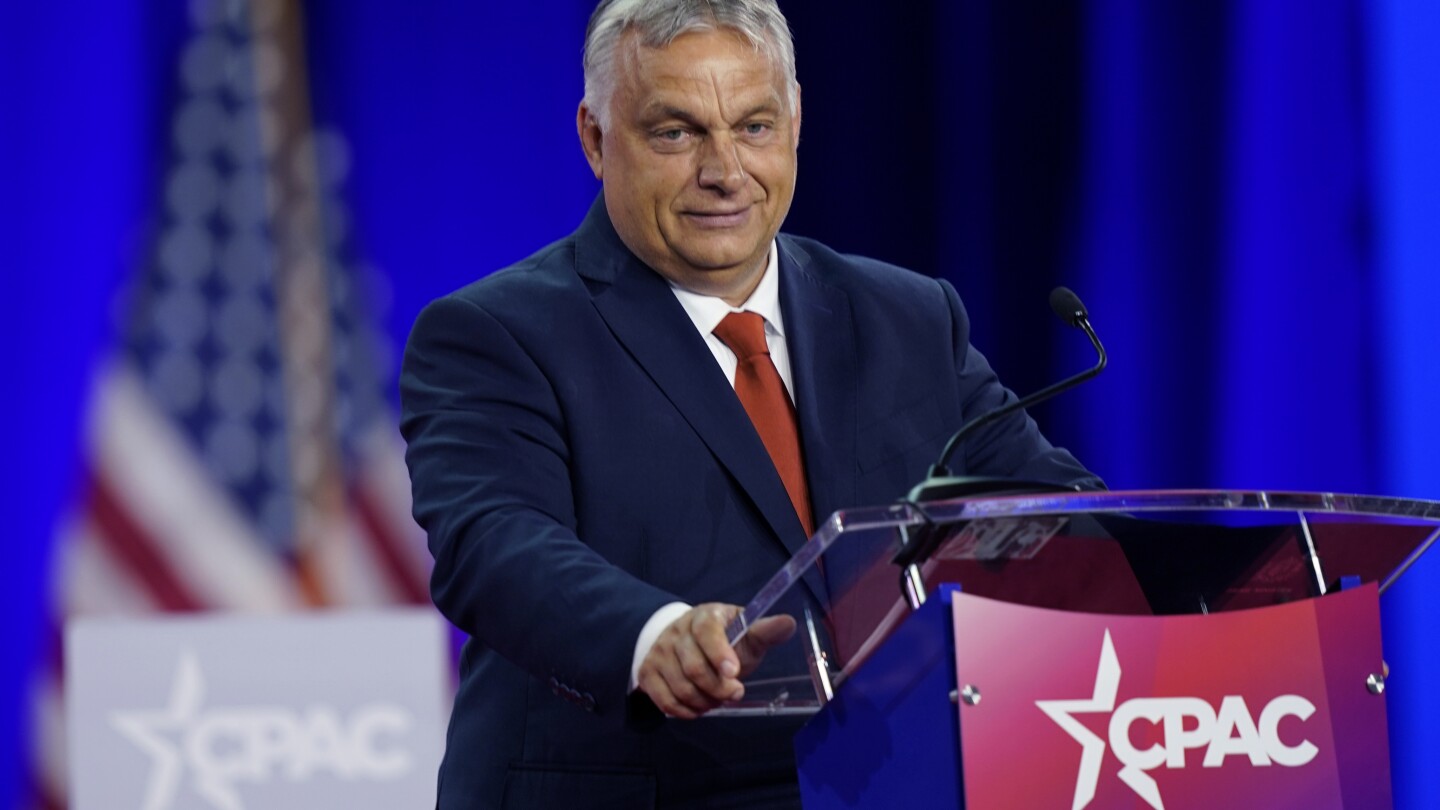
Former President Donald Trump met with Hungarian Prime Minister Viktor Orbán, continuing his embrace of autocratic leaders who champion illiberal democracy, restrictions on immigration and LGBTQ+ rights, and crackdowns on the press and judiciary. Orbán's visit comes amid his ongoing battle against the European Union and international nonprofits criticizing his erosion of Hungary's democracy, and his alignment with U.S. conservatives trying to oust President Joe Biden in November. The meeting reflects Trump's continued embrace of authoritarians and conservative populists, as Orbán becomes a hero to Christian conservatives for his hardline stances, much like Trump.
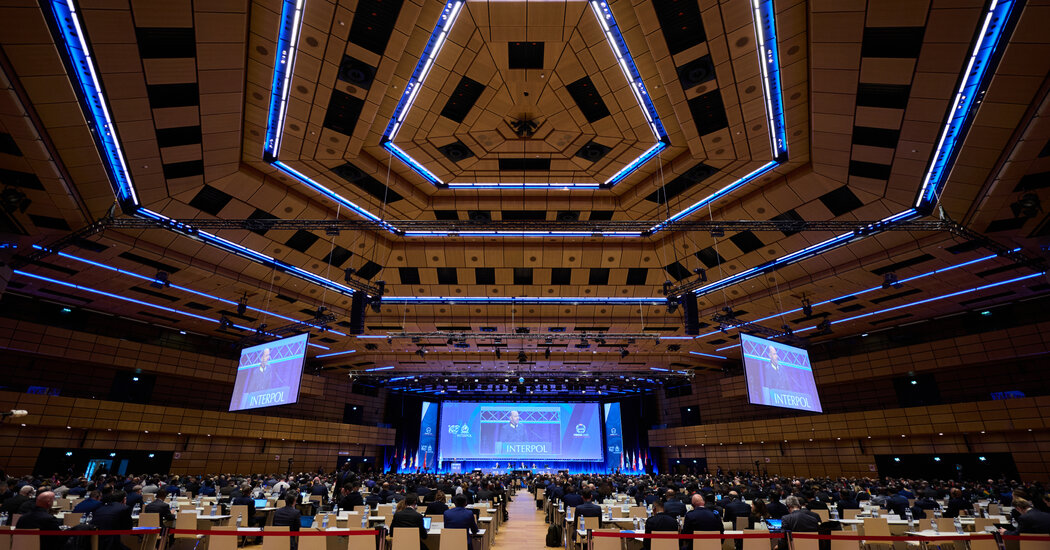
Autocrats have been using Interpol as a tool to pursue political enemies across borders, exploiting vulnerabilities such as the red notice system. While Interpol has toughened oversight to prevent politically motivated abuse, other vulnerabilities remain, allowing individuals to be targeted for extradition without full consideration of their circumstances.
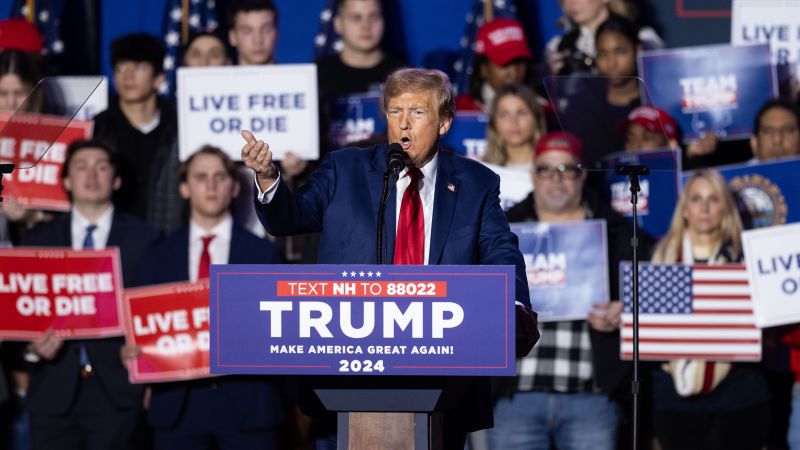
Donald Trump's extreme rhetoric, reminiscent of Nazi propaganda, and his alignment with America's adversaries and autocrats present a unique challenge to his Republican opponents and US voters. His comments on immigration and his attempts to discredit American democracy are contrary to America's founding values and political traditions. Trump's inflammatory language seeks to unleash hostility and fear against immigrants and exploit anxiety about the changing demographics of the country. While his critics must understand his aims and evaluate the threat he poses to democratic values, there is also a danger of falling into his trap and strengthening his support. The question remains: What does it say about America and its political culture that millions of voters are ready to embrace his extremism?
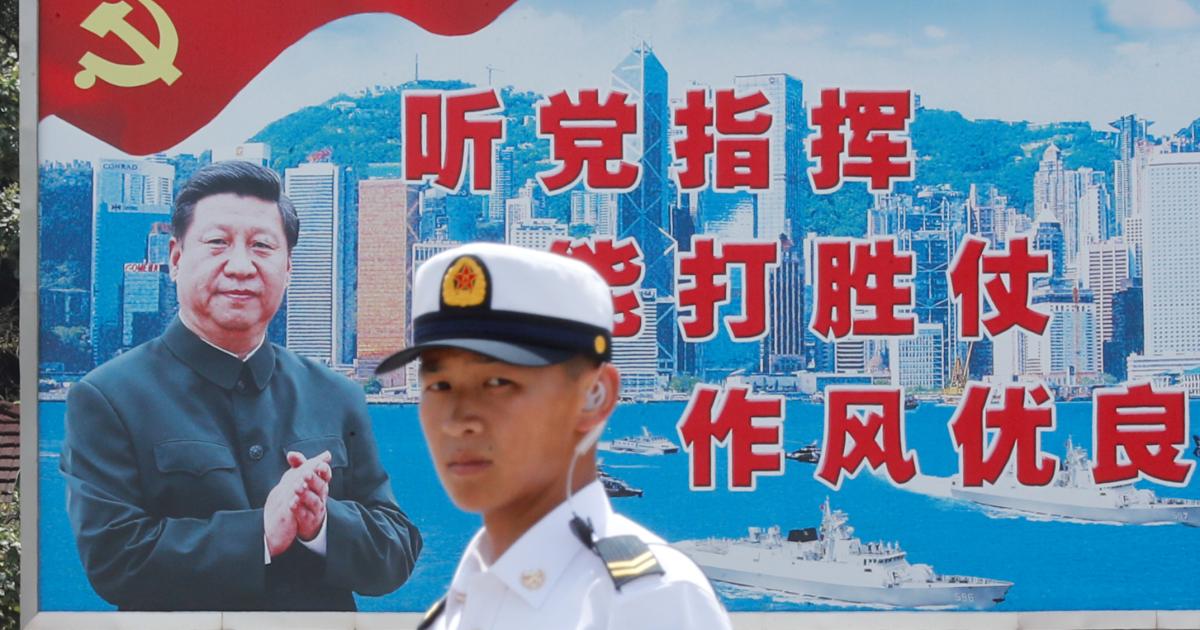
The article highlights the limitations of the "rational actor model" in predicting the actions of autocratic leaders, using examples such as Russia's invasion of Ukraine and Saddam Hussein's invasion of Kuwait. It argues that policymakers and analysts need to consider the possibility of miscalculations and irrational behavior when assessing the intentions of autocrats like Vladimir Putin and Xi Jinping. To better anticipate such actions, analysts should evaluate potential mistakes an adversary could make and prepare various responses. The intelligence community can play a crucial role in detecting indicators of irrational behavior, serving as an early warning system. Western policymakers must be open-minded and prepared for unexpected actions from autocratic leaders.
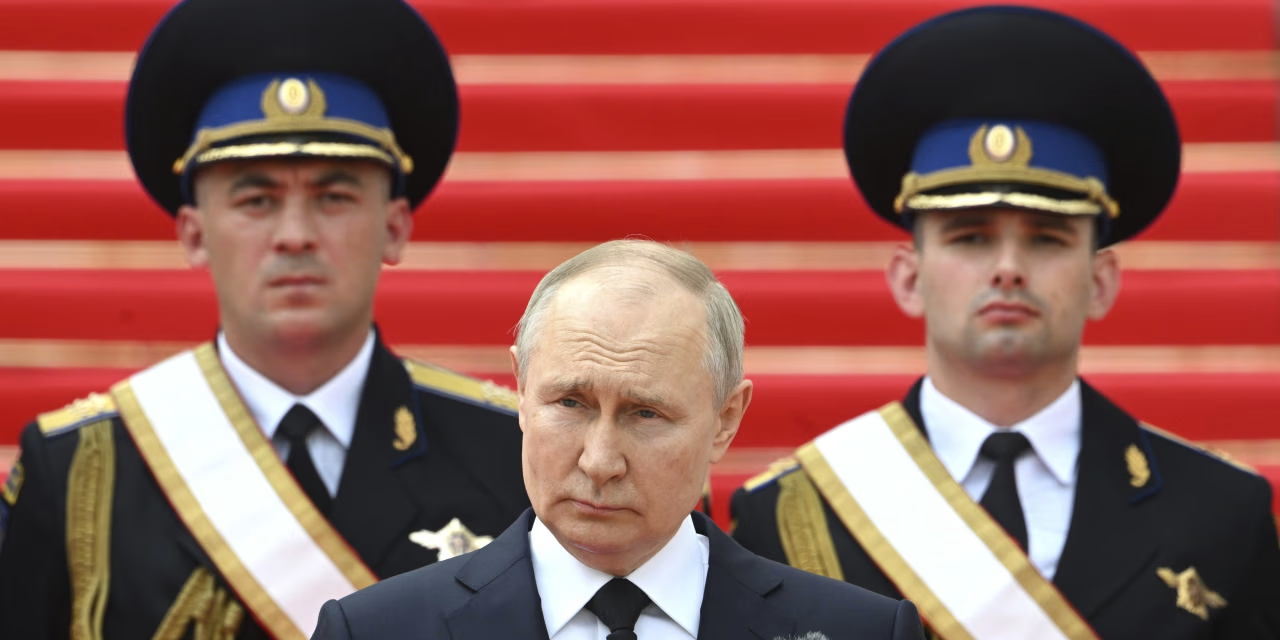
The recent mutiny in Russia has exposed cracks in President Vladimir Putin's regime, leading some in the West to believe that his days in power may be numbered. However, history has shown that autocrats tend to have remarkable staying power and are rarely replaced by democratic governments.
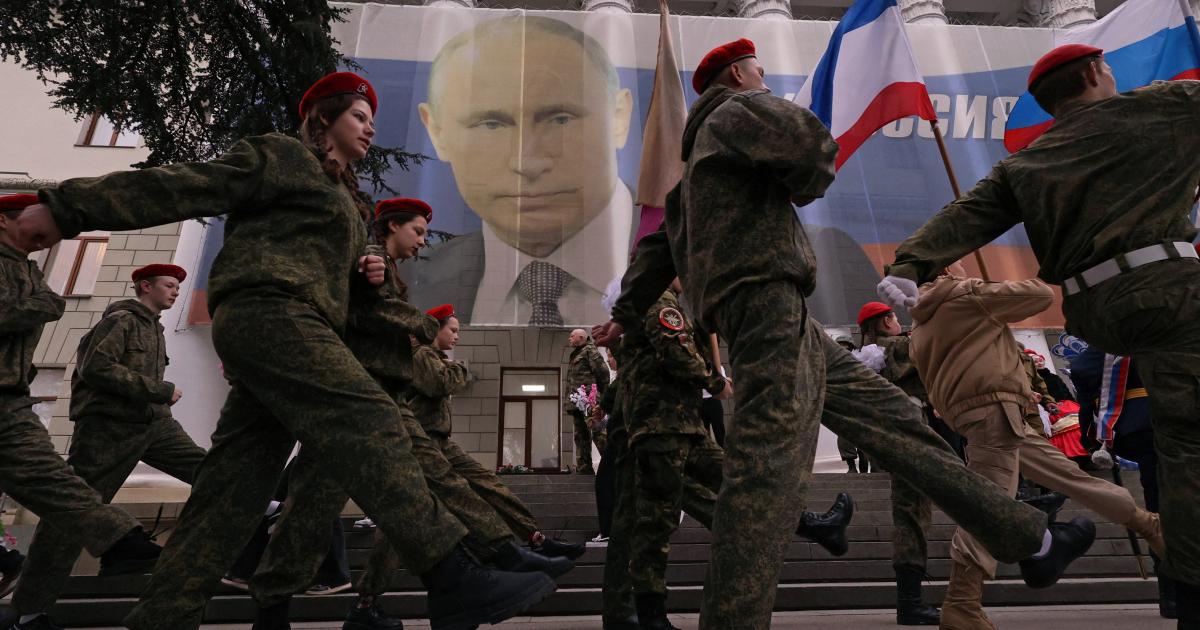
The war between Russia and Ukraine is unlikely to end soon, as neither side appears interested in negotiations. Putin remains committed to the idea that Russia and Ukraine are one country, and the war is part of a larger confrontation between Russia and the West. Fighting on makes sense for Putin because wartime autocrats rarely lose power. The most promising path to stop the war is through greater U.S. and European support to Kyiv. Providing more assistance could help Ukraine win a decisive military victory, making Putin’s personal incentives irrelevant.