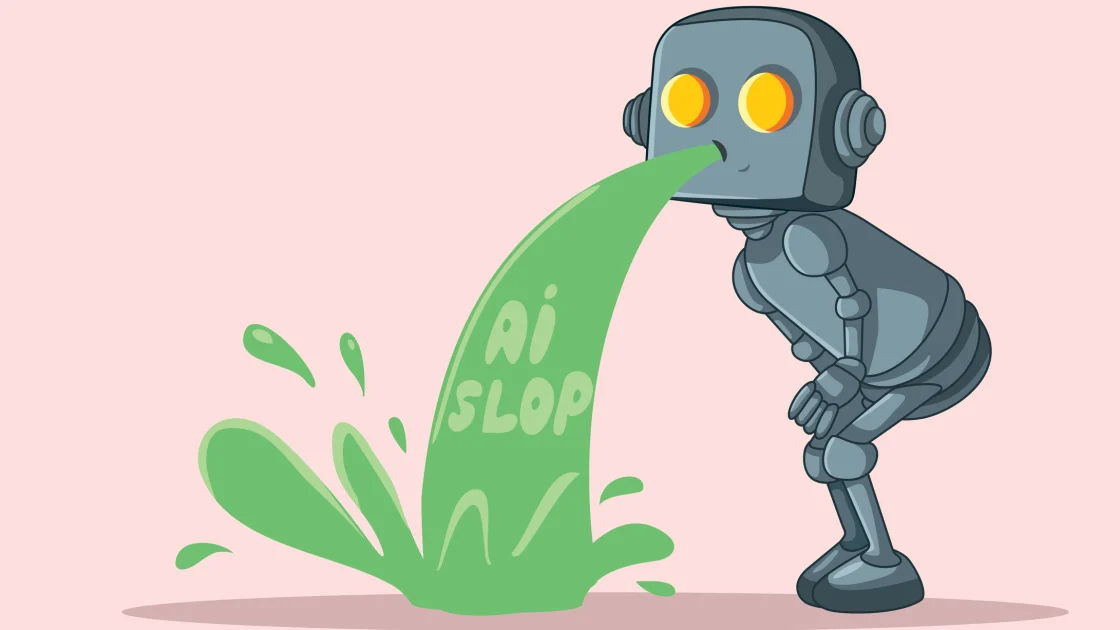
A report by Kapwing reveals that over 21% of YouTube content is now AI-generated, dubbed 'AI slop,' with South Korea leading in consumption. The rise of AI in content creation extends beyond video to written articles and workplace materials, raising concerns about quality and authenticity. Platforms like TikTok are taking steps to combat AI slop by introducing features to identify AI-generated content.

A study reveals that over 20% of videos shown to new YouTube users are low-quality AI-generated content, dubbed 'AI slop,' which has amassed billions of views and significant revenue, highlighting a growing industry of AI-driven, often low-quality content across social media platforms.
The article discusses the rise of 'AI slop,' low-quality, surreal, and often copyright-violating content created using AI tools that flood social media platforms, driven by algorithmic engagement and a global economy that rewards virality over quality, with creators from around the world making a living through this phenomenon.
AI-generated low-quality reports, known as AI slop, are flooding cybersecurity bug bounty programs, leading to false positives and wasted resources. Experts suggest investing in AI-powered filtering systems to improve report accuracy, with some companies developing hybrid human-AI triage solutions. The problem highlights the challenges of AI hallucinations in critical security processes.