Scientists warn that the 'Doomsday Glacier' in Antarctica is nearing a critical breaking point, which could significantly raise sea levels by about 65 centimeters if it collapses. The glacier's structural integrity has been compromised due to ongoing fracturing, and its potential collapse could accelerate sea level rise, impacting global communities and ecosystems. Arctic ice is melting at an alarming rate, driven by human activities and climate change, with efforts underway to monitor and mitigate these effects through satellite data and behavioral changes.
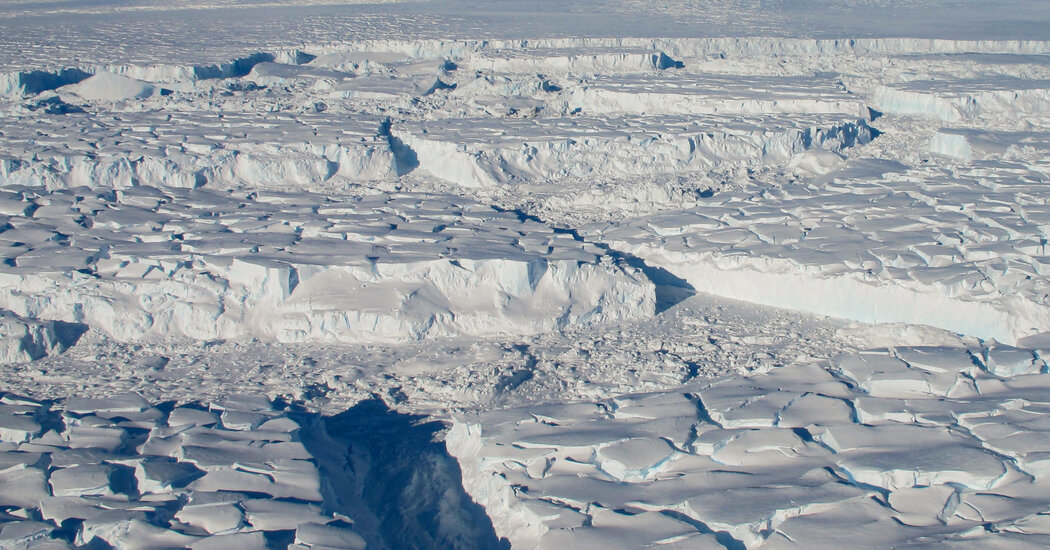
Recent research on Antarctica's Thwaites Glacier reveals new insights, suggesting it may not be as doomed as its nickname 'Doomsday Glacier' implies, and emphasizing the importance of reducing carbon emissions to potentially prevent its collapse and mitigate sea level rise.
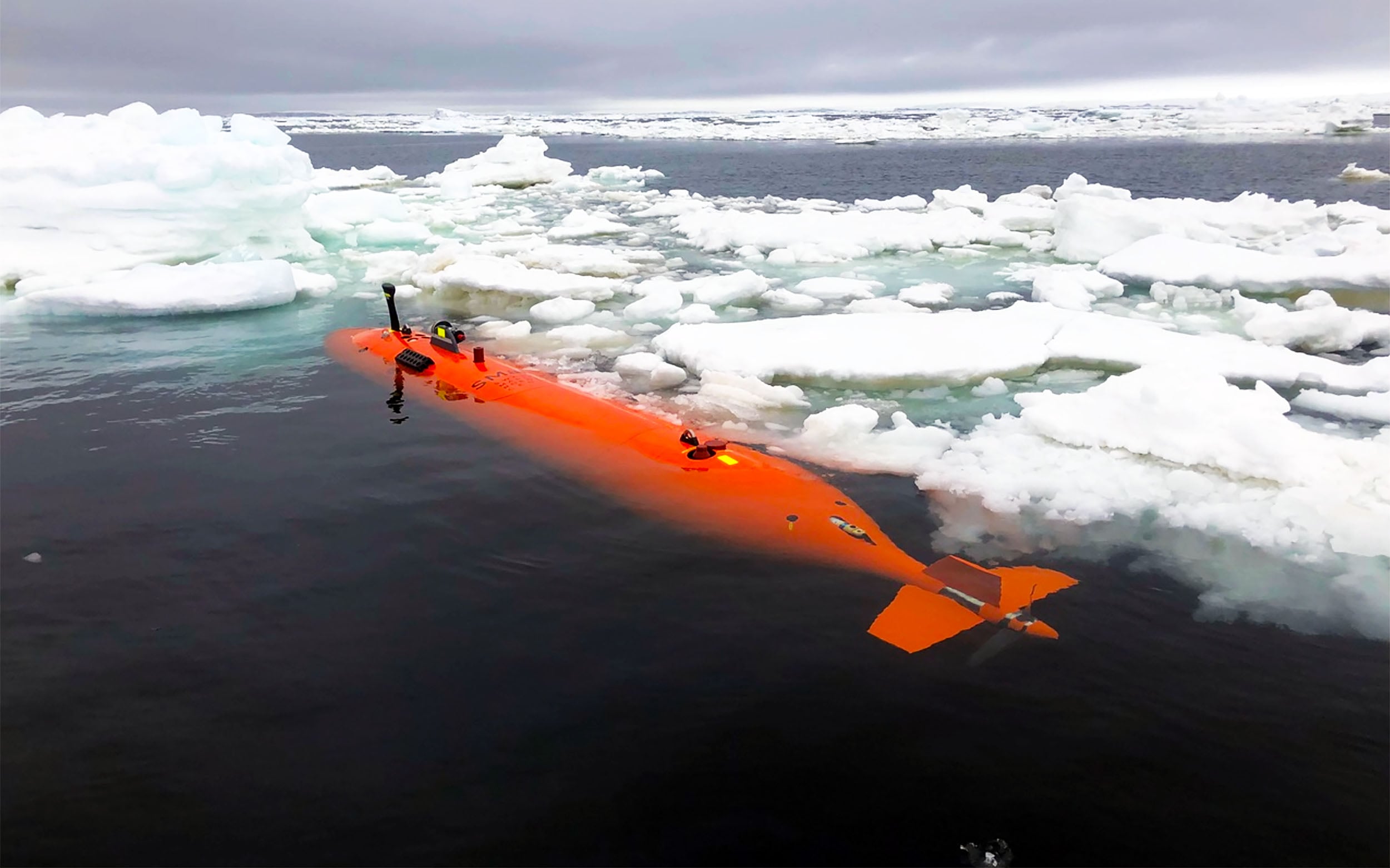
An autonomous submarine exploring Antarctica's Dotson Ice Shelf discovered complex under-ice structures and warm water channels that influence melting patterns, but the mission ended with the submarine's disappearance, highlighting the challenges and importance of understanding ice-ocean interactions for predicting sea level rise.
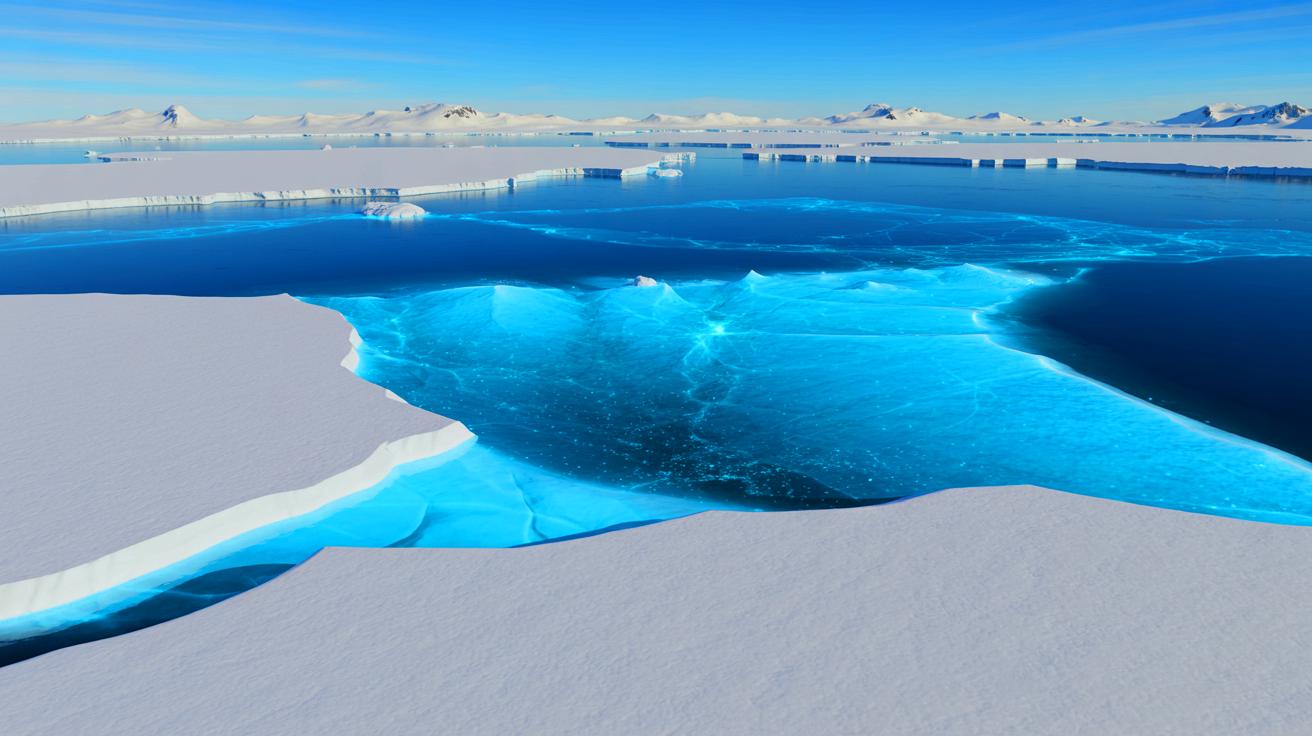
Recent satellite discoveries reveal that hidden subglacial lakes beneath Antarctica are interconnected and can drain suddenly, lubricating glaciers and accelerating their flow into the ocean, which has significant implications for sea level rise and climate modeling.
Researchers from the University of Washington used fiber-optic cables to monitor underwater waves caused by glacier calving near Greenland, revealing hidden processes that accelerate ice melt and contribute to sea level rise, offering a new, safer way to study these phenomena and improve predictions.
The remains of British meteorologist Dennis Bell, who died in Antarctica in 1959 after falling into a crevasse, were discovered 66 years later due to melting glacier ice, and DNA testing confirmed his identity, bringing closure to a long-standing mystery.
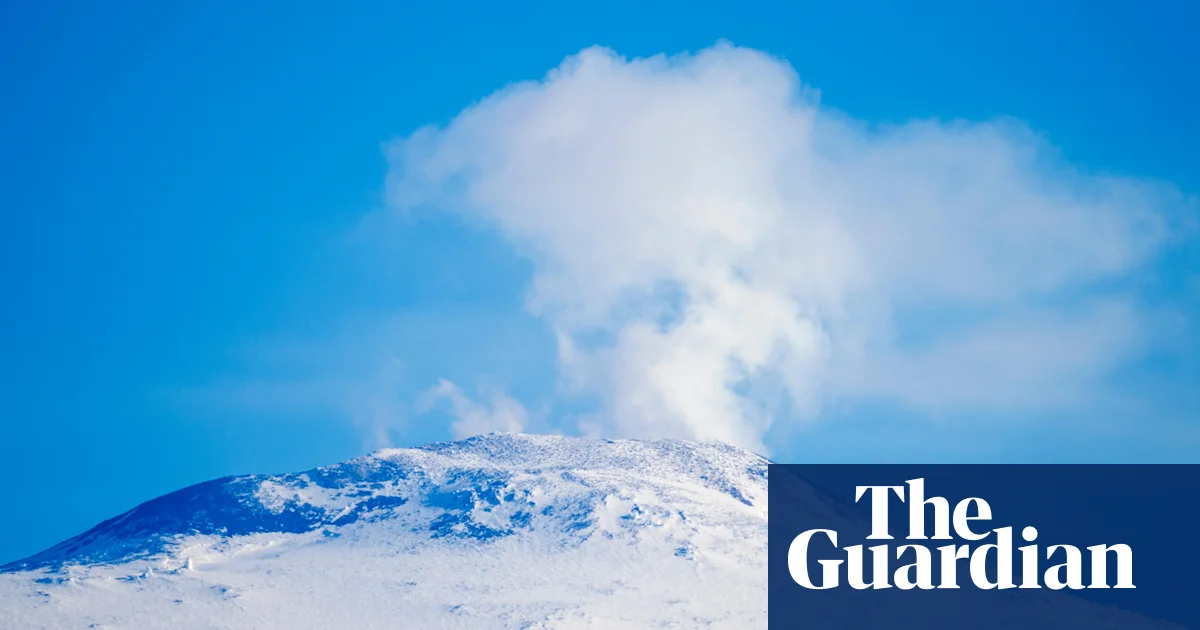
Researchers warn that melting glaciers due to climate change could trigger dormant volcanoes to erupt, posing significant risks to nearby communities and ecosystems, as the reduction in ice weight releases pressure on magma chambers, similar to opening a soda bottle. This phenomenon has been observed in the Chilean Andes and is expected to occur in other regions like Alaska, Iceland, and Antarctica, emphasizing the need for improved monitoring and proactive measures to mitigate potential disasters.
A study suggests that melting glaciers and ice caps due to climate change could trigger increased volcanic activity by releasing pressure on magma chambers, potentially leading to more frequent and explosive eruptions, especially in regions like Antarctica and the Andes, which could further exacerbate global warming.
An autonomous underwater vehicle named 'Ran' explored the underside of the Dotson Ice Shelf in West Antarctica, revealing complex melting patterns and topography, but was lost during a subsequent mission, highlighting the challenges of deep-sea ice shelf research crucial for understanding climate change impacts.
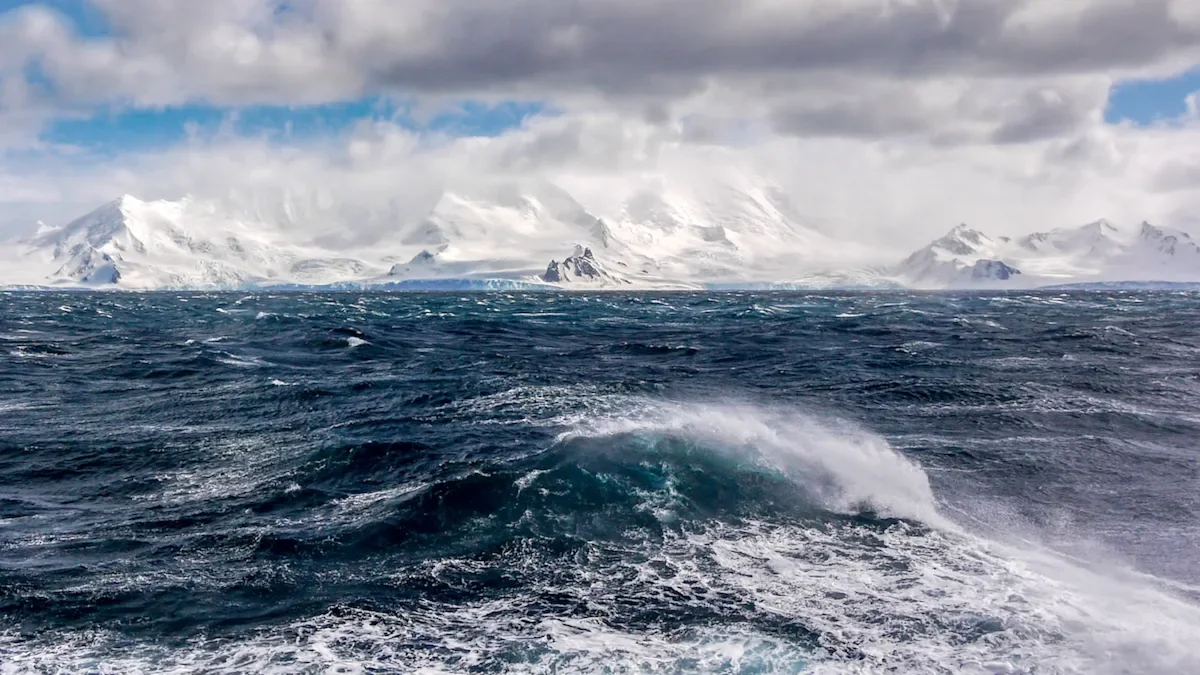
Scientists have identified that strong, storm-enhanced low-level winds in West Antarctica significantly contribute to the melting of the Thwaites and Pine Island glaciers, raising concerns about accelerated sea level rise and the need for urgent climate action.
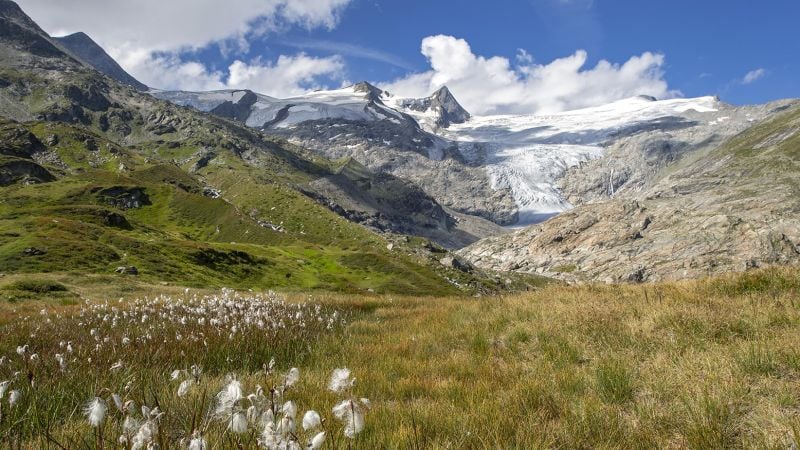
The melting of the Corbassière glacier in the Grand Combin massif has rendered it unusable as a climate archive due to rapid glacier melting, washing away important climate data. This loss highlights the dynamic and unexpected nature of glacier melting, prompting concerns about the impact on other glaciers worldwide. The Ice Memory initiative aims to preserve ice cores from endangered glaciers in a global climate archive in Antarctica, but the race against time to collect these samples becomes more challenging as glacier melting accelerates.
The body of a man believed to have died over 20 years ago was discovered on a glacier in Austria by a mountain guide. The man is thought to have had an accident on the glacier in 2001 and was found with ski touring equipment. As glaciers continue to melt due to climate change, previously hidden objects and bodies are being revealed. Glaciologists warn that if current emissions continue, the Alps region could become largely deglaciated, with significant impacts on freshwater supply and sea level rise.
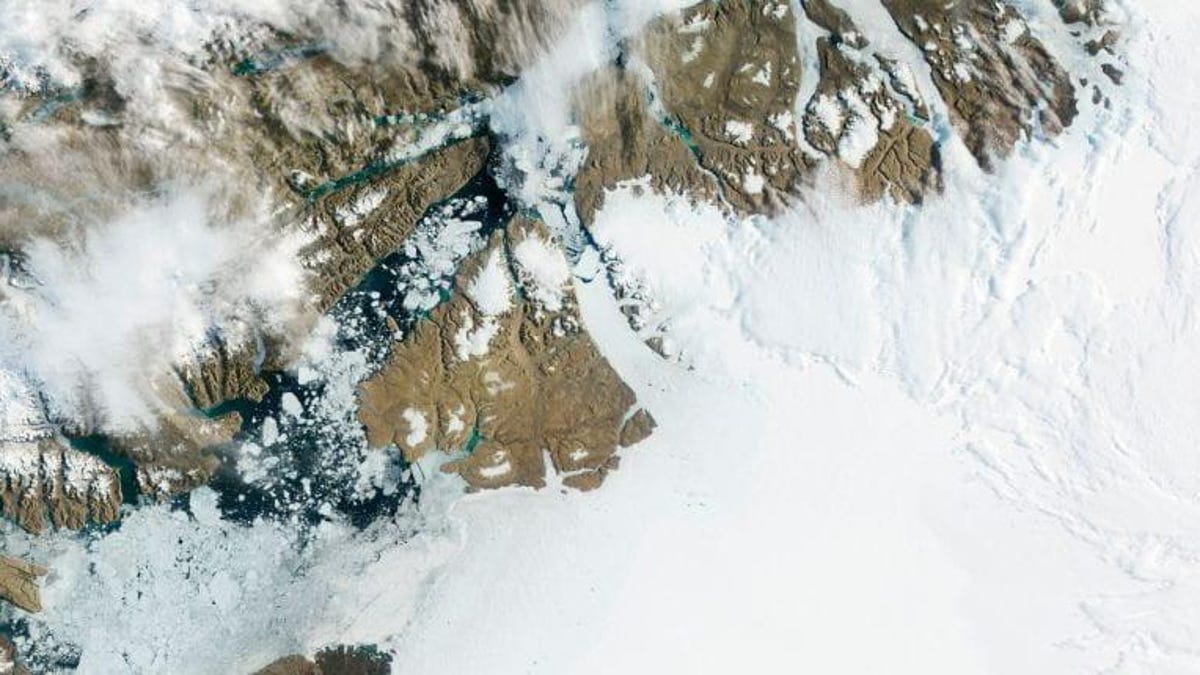
The Petermann Glacier in Northwest Greenland is melting faster than previously thought due to interactions with warming ocean tides, causing it to retreat faster than observed. The glacier's grounding line has retreated up to 3.7 kilometers in some areas, and the warmer tides have melted a large cavity in the underside of the glacier. If these ocean interactions continue, it could mean faster sea level rise from melting glaciers than previously thought, and current global warming models may need to be adjusted. The process could create a cycle where warming oceans melt glaciers, causing sea levels to rise, leading to more contact between glaciers and the ocean, and more glacial melting.