Tag

Ancient River

All articles tagged with #ancient river

science1 year ago

Ancient 40-Million-Year-Old River Found Beneath Antarctic Ice

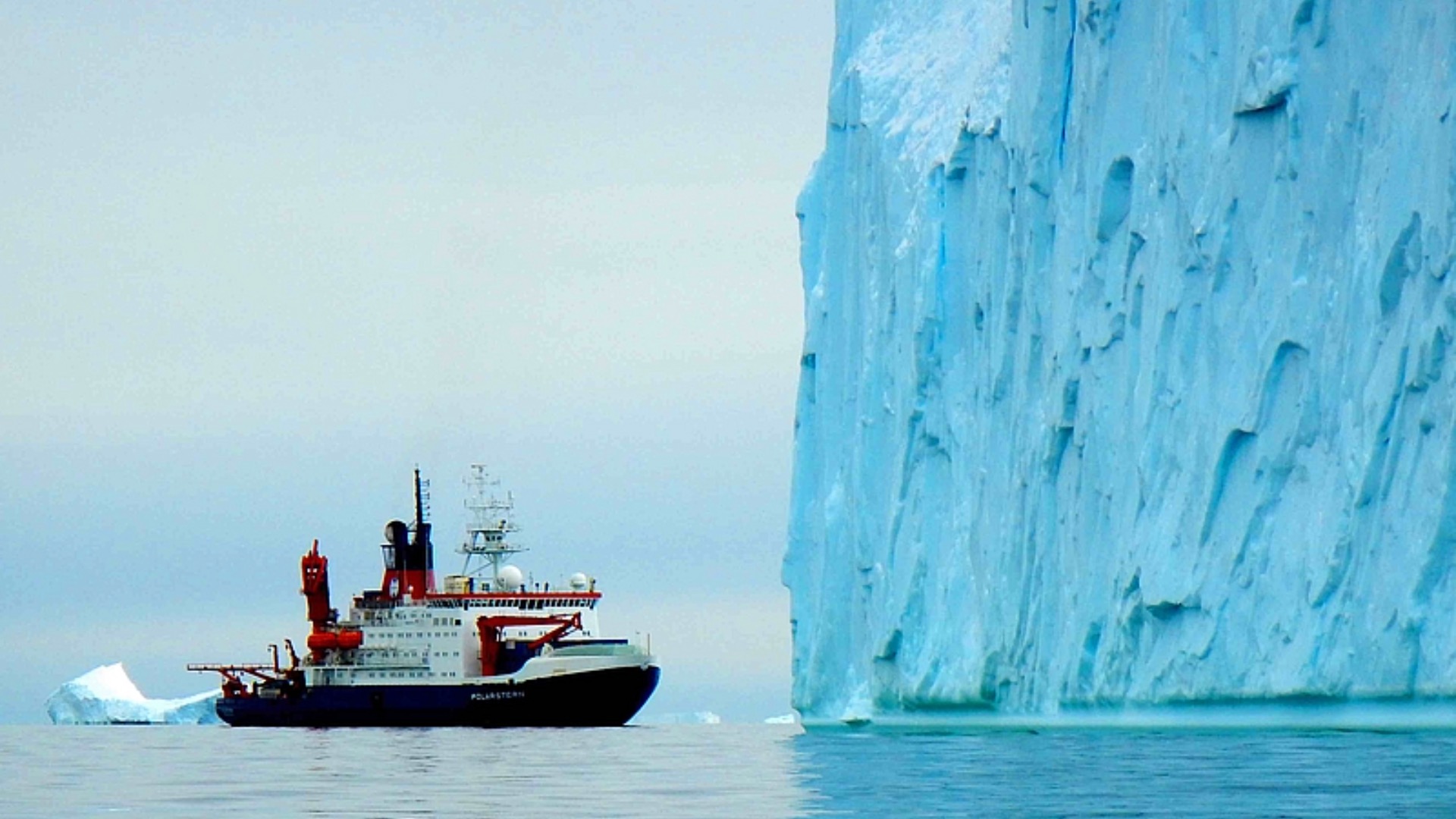
Geologists from the Alfred Wegener Institute have discovered evidence of a 40-million-year-old river system beneath the Antarctic ice by studying sediment samples from the Amundsen Sea. This finding suggests that Antarctica once had a temperate climate with lush forests and extensive river networks, significantly different from its current icy landscape. The sediments indicate that the river system transported erosion debris from the Transantarctic Mountains, highlighting the continent's dramatic climatic and geological changes over millions of years.

science1 year ago

Ancient 40-Million-Year-Old River Found Beneath Antarctic Ice

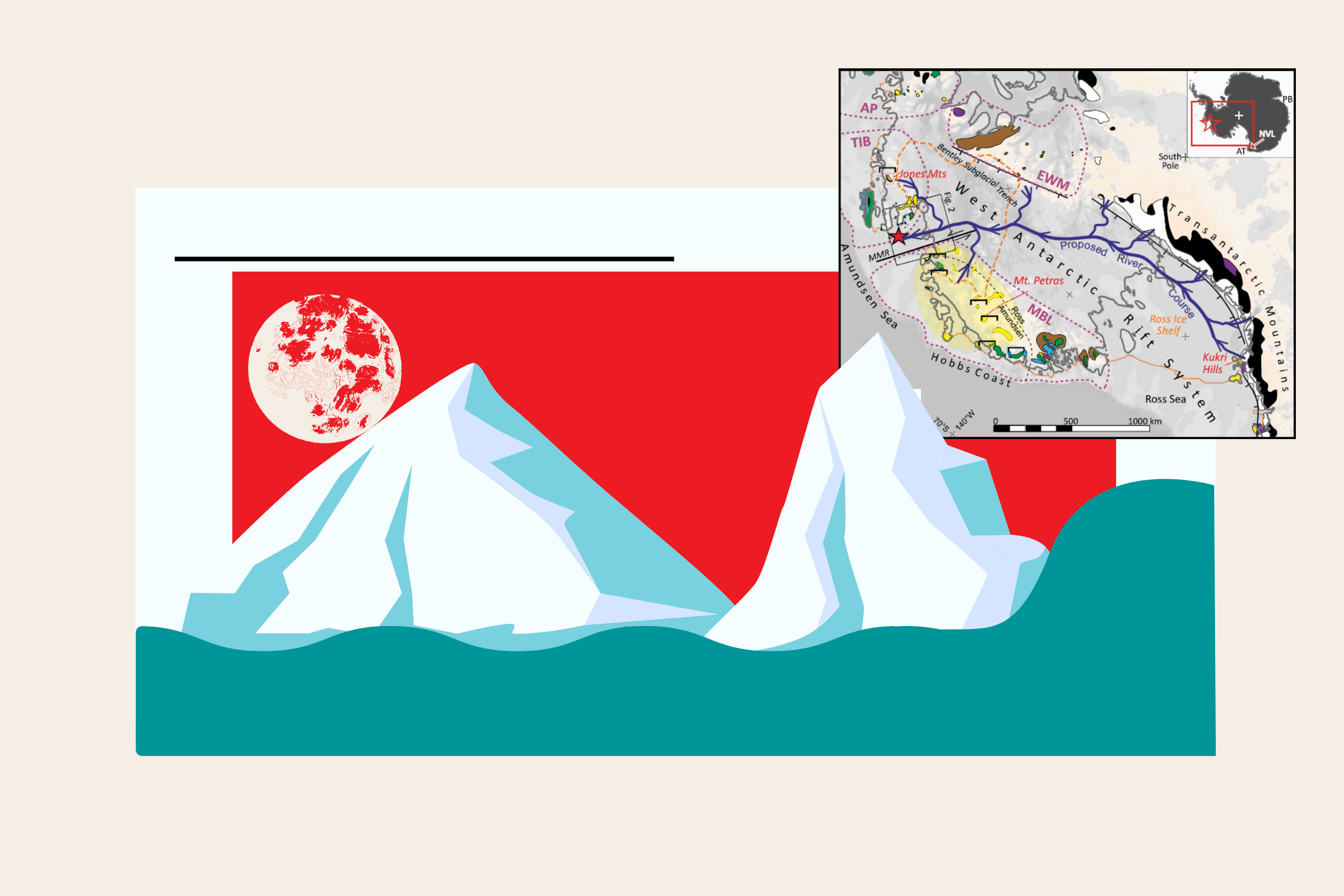
Researchers have discovered evidence of a giant river system that existed 40 million years ago beneath the ice of West Antarctica. This finding, published in Science Advances, provides insights into Earth's climatic past and potential future climate scenarios. The river, which flowed for nearly a thousand miles, was identified through sediment analysis and lipid biomarker studies, revealing a temperate rainforest environment during the mid-Cretaceous period and a river delta during the mid-to-late Eocene epoch.

science1 year ago

"Ancient River Found in Antarctica After 34 Million Years"

Scientists have discovered evidence of a 900-mile-long river that flowed through West Antarctica around 34 to 44 million years ago, before the continent became covered in ice. This ancient river, similar in size to the Rio Grande, suggests that West Antarctica had a temperate climate and was mostly above sea level at that time. The findings, based on sediment analysis from the Eocene period, provide crucial insights into the continent's pre-glacial conditions and the onset of major Antarctic glaciation.

space2 years ago

"NASA's Mars Rover Discovers Bizarre Martian Rocks and Collects Samples"

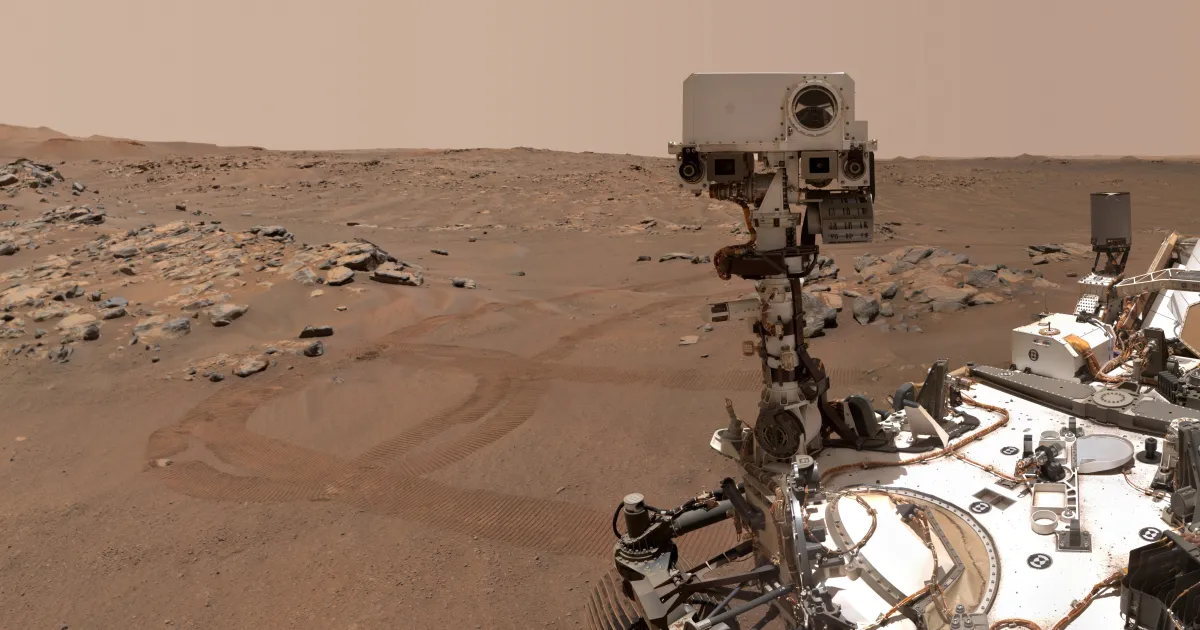
NASA's Perseverance rover, currently exploring Mars, has shared an image of an unusually large Martian boulder, describing it as a "big chunky weirdo." The rover is positioned atop the delta/fan formation at Jezero Crater, a dried-up lake that scientists believe could hold evidence of ancient life. Perseverance is gathering samples of Martian rock and soil for the Mars Sample Return mission and is also testing robotic technology for future crewed missions to Mars.

science2 years ago

NASA's Perseverance Rover Reveals Wild and Mighty Ancient River on Mars.

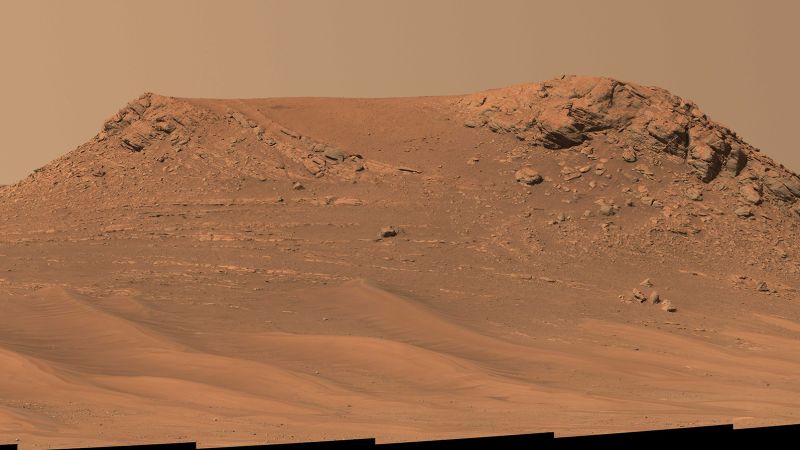
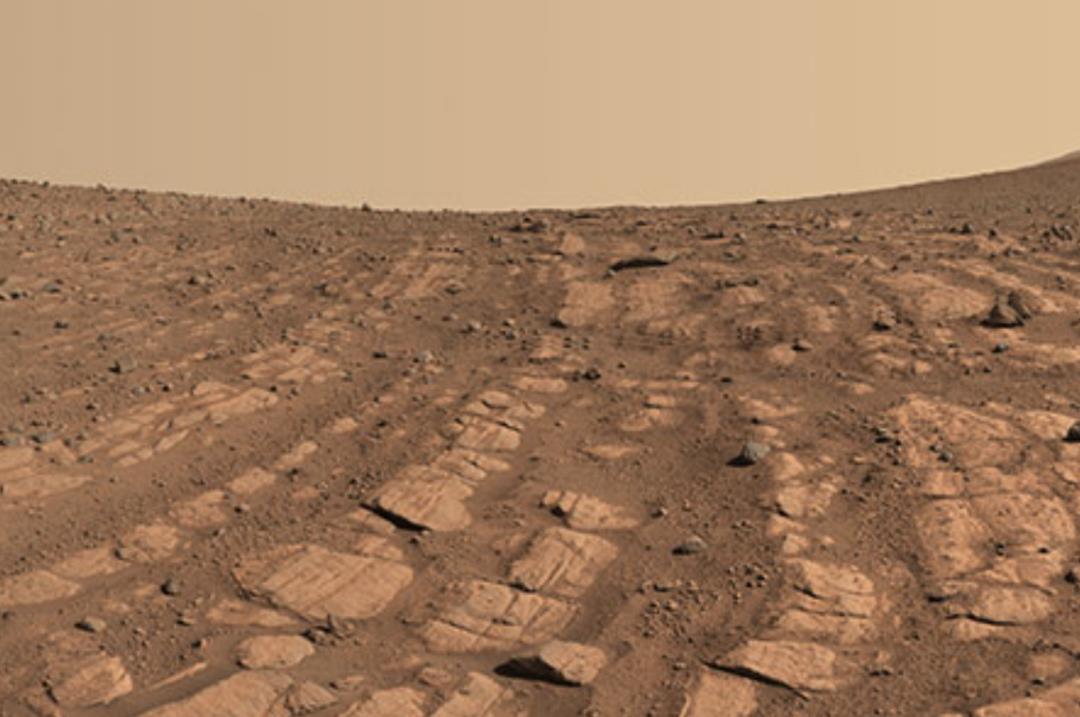
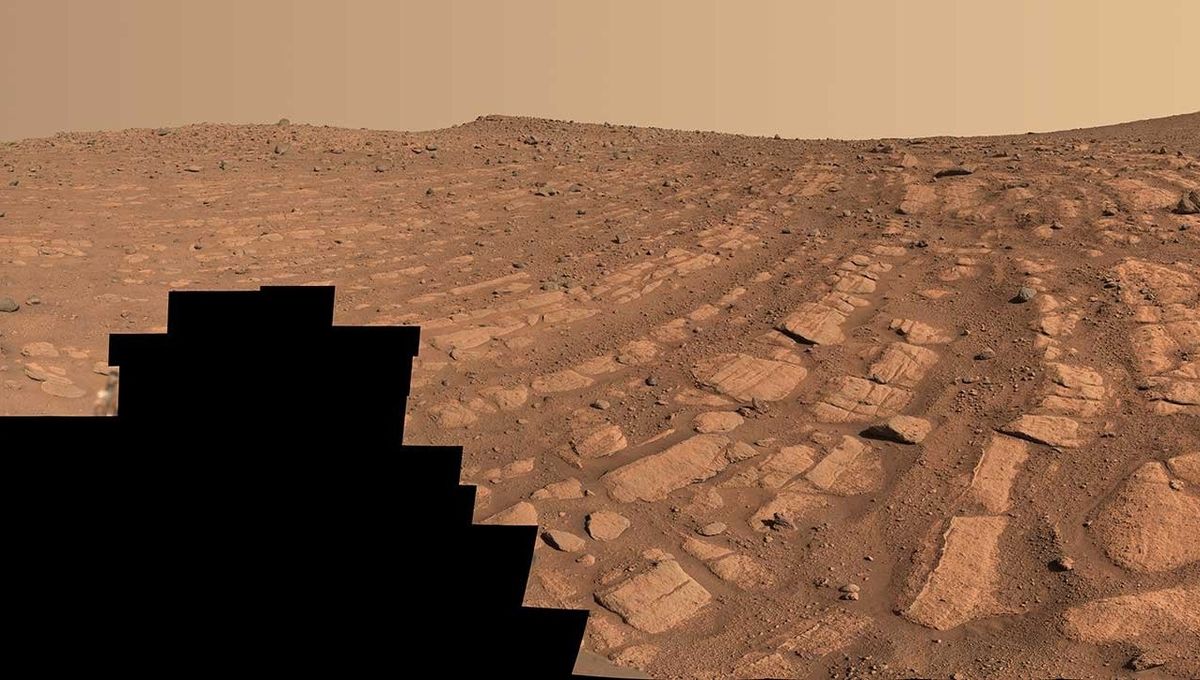
New images captured by the Perseverance rover on Mars suggest evidence of a fast-flowing river that fed into Jezero Crater, the site of an ancient Martian lake. The curved layers of the fan suggest flowing water shaped them, and the latest images taken by the rover point to a deeper and more rapidly moving river than scientists expected on Mars. Samples of rocks and dirt collected by the rover will eventually travel to Earth via the Mars Sample Return program, which will help scientists analyze whether life ever existed on Mars.

science2 years ago

Perseverance Rover Discovers Evidence of Ancient Martian River.

NASA's Perseverance rover has captured high-resolution photographs of an ancient riverbed on Mars, providing evidence of a once-thriving and powerful Martian river. The discovery sheds light on the planet's geological past and potential for supporting life. Scientists are examining the images to decipher additional details about the ancient river, including its size, flow patterns, and composition, to gain deeper insights into the role of water on Mars and its implications for the planet's potential habitability.

space2 years ago

Perseverance Rover Uncovers Evidence of Ancient Martian River

NASA's Perseverance rover has captured hundreds of images of the Jezero Crater on Mars, revealing evidence of a deeper and more powerful river than previously thought. The river delta being explored is marked by curving layers, evidence of past water flow. The sedimentary deposits are anomalously tall for rivers on Earth, but the most common way to create these kinds of landforms would be a river. The team is investigating alternative explanations for the formation, but more observations will deliver more insights into the past of Mars including its potential habitability.