
Defining the Anthropocene: From Nuclear Fallout to Canadian Lakes
TL;DR Summary
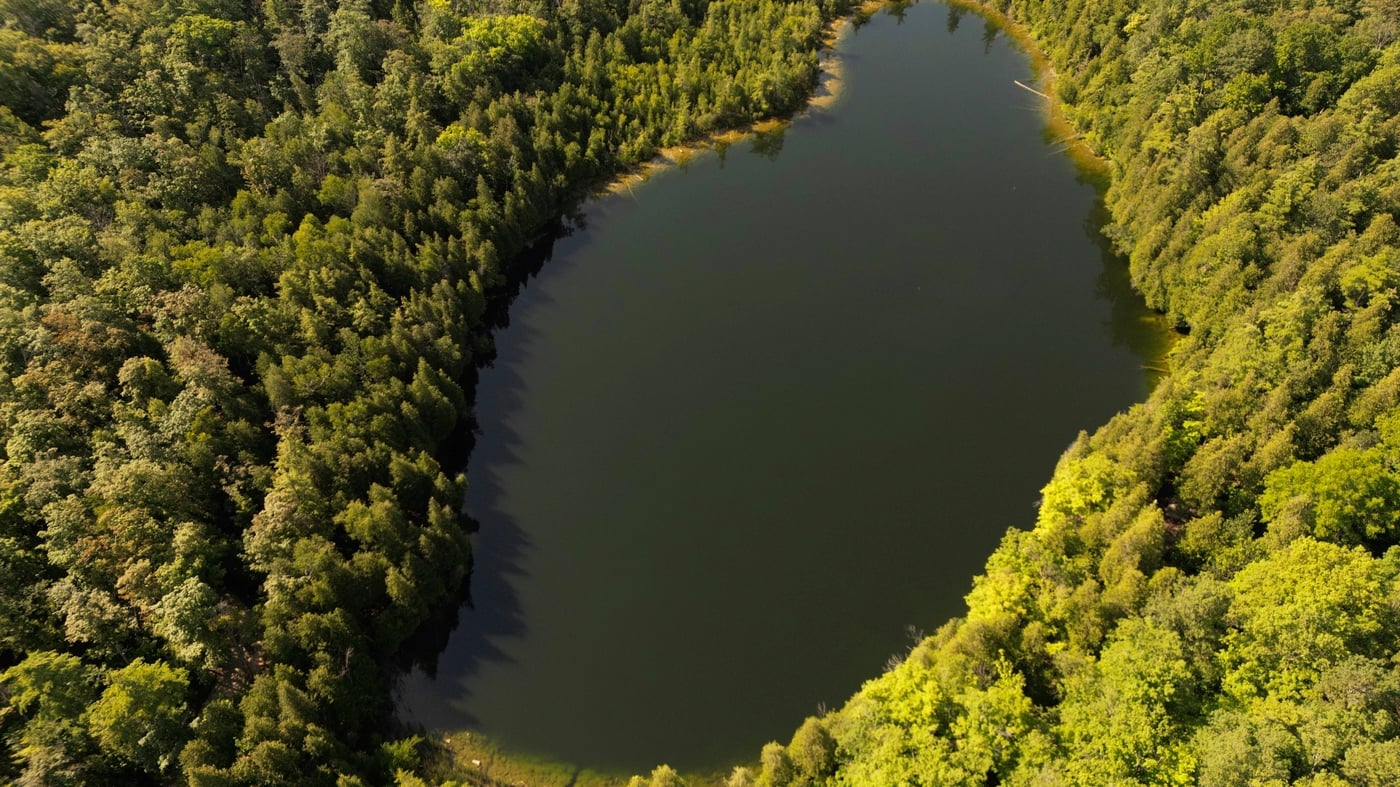
A team of scientists is recommending that a new geological epoch, called the Anthropocene, began between 1950 and 1954 due to the significant and lasting impact of human activities on the Earth. The scientists propose marking this epoch at Crawford Lake in Canada, where evidence of human impact, such as burning fossil fuels and pollution, is clearly preserved in sediment layers. The proposal still needs approval from geologists, but if accepted, it would signify a new age called the Crawfordian Epoch. The Anthropocene highlights the power and hubris of humankind, with the potential consequences of climate change leading to a tragic outcome if not addressed.
- The Anthropocene began in 1950s, scientists say NPR
- Scientists say they’ve found a site that marks a new chapter in Earth’s history CNN
- Earth is now in the Anthropocene age, scientists say Reuters
- Nuclear bomb fallout chosen to define start of Anthropocene The Guardian
- A lake in Canada proves we’re in the Anthropocene, a new climate epoch Vox.com
Reading Insights
Total Reads
0
Unique Readers
1
Time Saved
4 min
vs 5 min read
Condensed
87%
813 → 105 words
Want the full story? Read the original article
Read on NPR