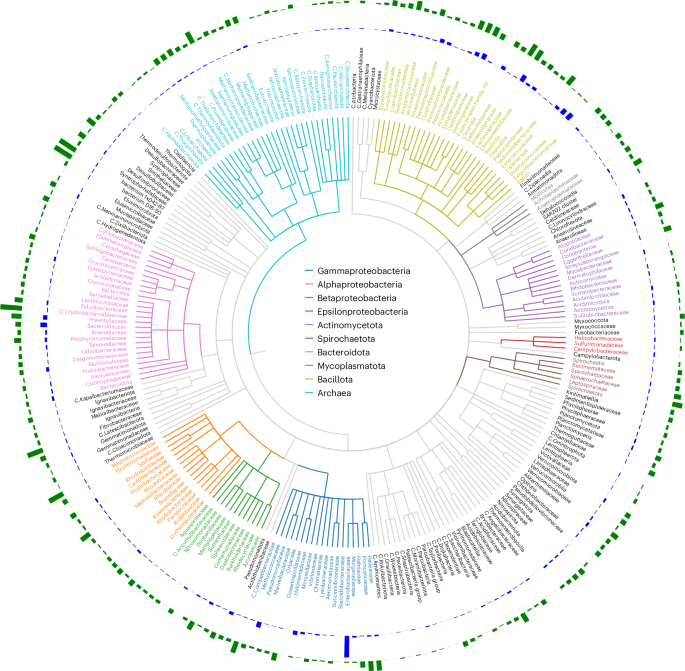
A large-scale genomic analysis revealed over 100,000 complete lytic phages embedded within bacterial genomes across diverse species and environments, challenging traditional phage classification and highlighting their potential in therapy and ecology. The study identified new phage lineages, expanded known groups, and found therapeutic phages naturally present in bacterial populations, suggesting a broader and more dynamic phage-bacteria interaction than previously understood.
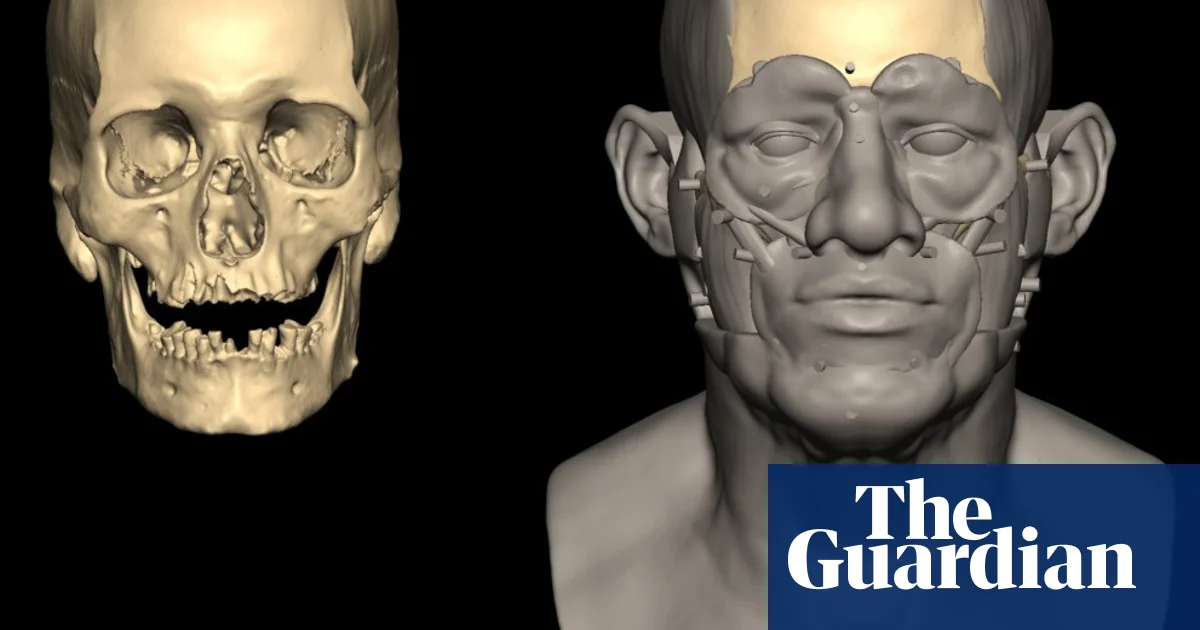
Scientists have successfully sequenced the entire genome of an ancient Egyptian man from over 4,500 years ago, providing new insights into early Egyptian ancestry, health, and occupation, with implications for understanding the genetic history of ancient Egypt.
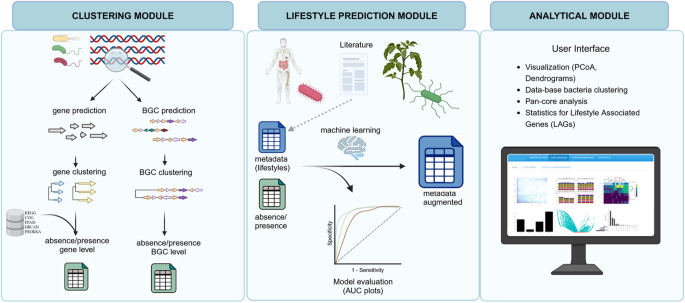
A new computational workflow called bacLIFE has been developed to analyze bacterial genomes and predict lifestyle-associated genes. The tool uses machine learning to predict bacterial lifestyles and identify candidate genes and biosynthetic gene clusters associated with those lifestyles. The workflow was tested on Burkholderia/Paraburkholderia and Pseudomonas species, accurately predicting their lifestyles and identifying lifestyle-associated genes. The tool provides a user-friendly interface for comprehensive and interactive comparative genomics, making it an effective framework for genome-wide diagnostics and prediction of lifestyle-associated genes in diverse bacterial genera.
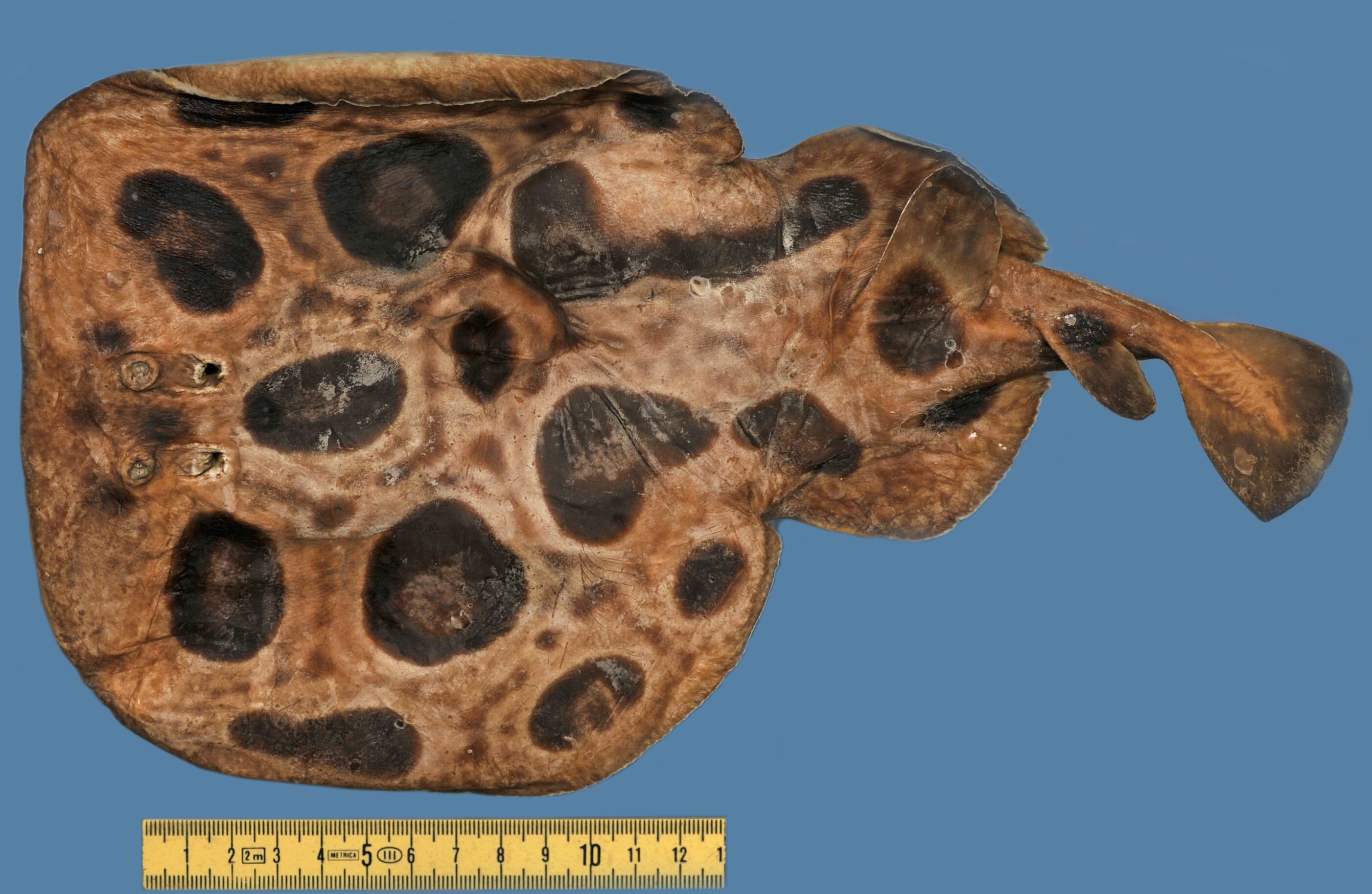
Scientists have analyzed the genetic data of a rare torpedo ray species, Torpedo suessii, which was collected during a 19th-century expedition but has not been observed since. The analysis confirms that Torpedo suessii is a separate species within the genus. The researchers believe that the species is likely extinct. The study highlights the value of museum collections in studying rare and extinct species and emphasizes the need to protect marine biodiversity in the face of climate change and pollution.
Researchers are leading the effort to understand the human genome on an individual level, identifying the specific genetic mutations that lead to illness based on the patient’s own genome. The team created the world’s largest catalog of genetic mutations called allele-specific variants. Using this catalog—EN-TEx—they built an algorithm to predict how the variants affect tissues and a person’s risk for developing certain diseases. The catalog and algorithm provide an unprecedented tool for personalized medicine.