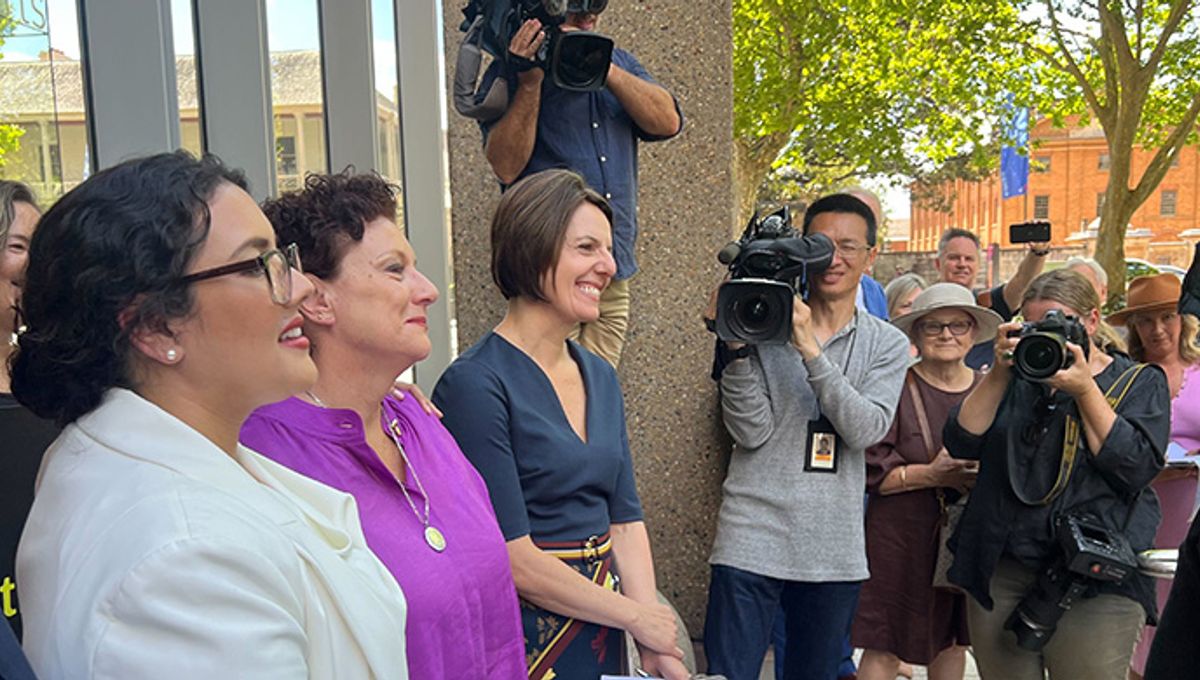
Kathleen Folbigg, who was convicted of killing her four children and spent over two decades in prison, has had her convictions quashed due to scientific evidence suggesting that the children died from rare genetic conditions rather than murder or manslaughter. The decision by the New South Wales Court of Criminal Appeal has been welcomed by scientists, who emphasize the need for legal system reform to prevent future miscarriages of justice. Folbigg is expected to seek one of the highest compensation payouts in Australian legal history.
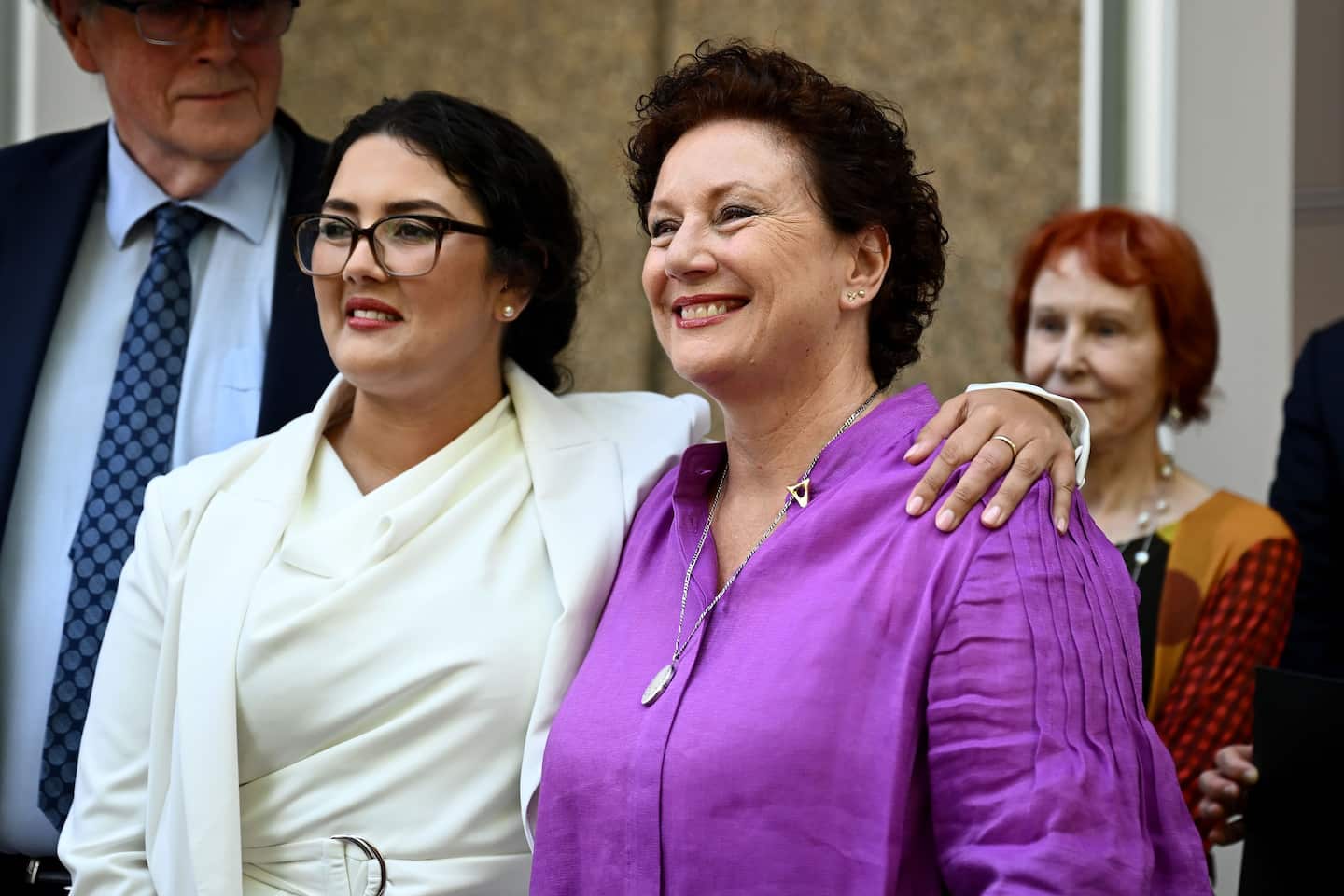
The convictions against Kathleen Folbigg, an Australian woman who spent 20 years in prison for the deaths of her four children, have been quashed by a top Australian court. Folbigg was released from prison in June after an inquiry found "reasonable doubt" regarding her responsibility for the deaths. The court found that the prosecution had "cherry-picked" entries from her diary to secure the conviction. Doubts about her guilt grew as new scientific evidence emerged, including rare genetic mutations in the DNA of Folbigg and her daughters. The overturning of her convictions opens the possibility for Folbigg to seek compensation for her wrongful imprisonment.
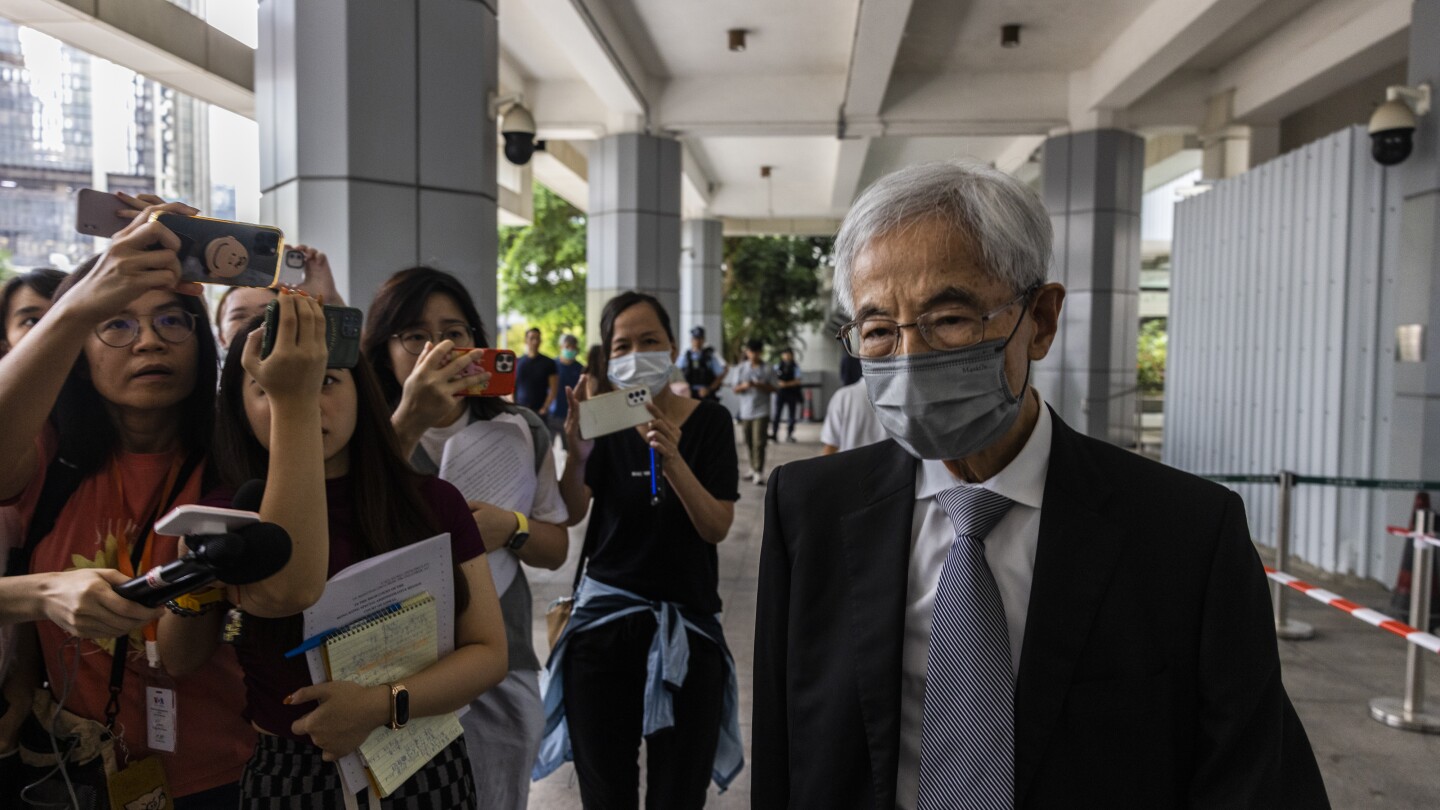
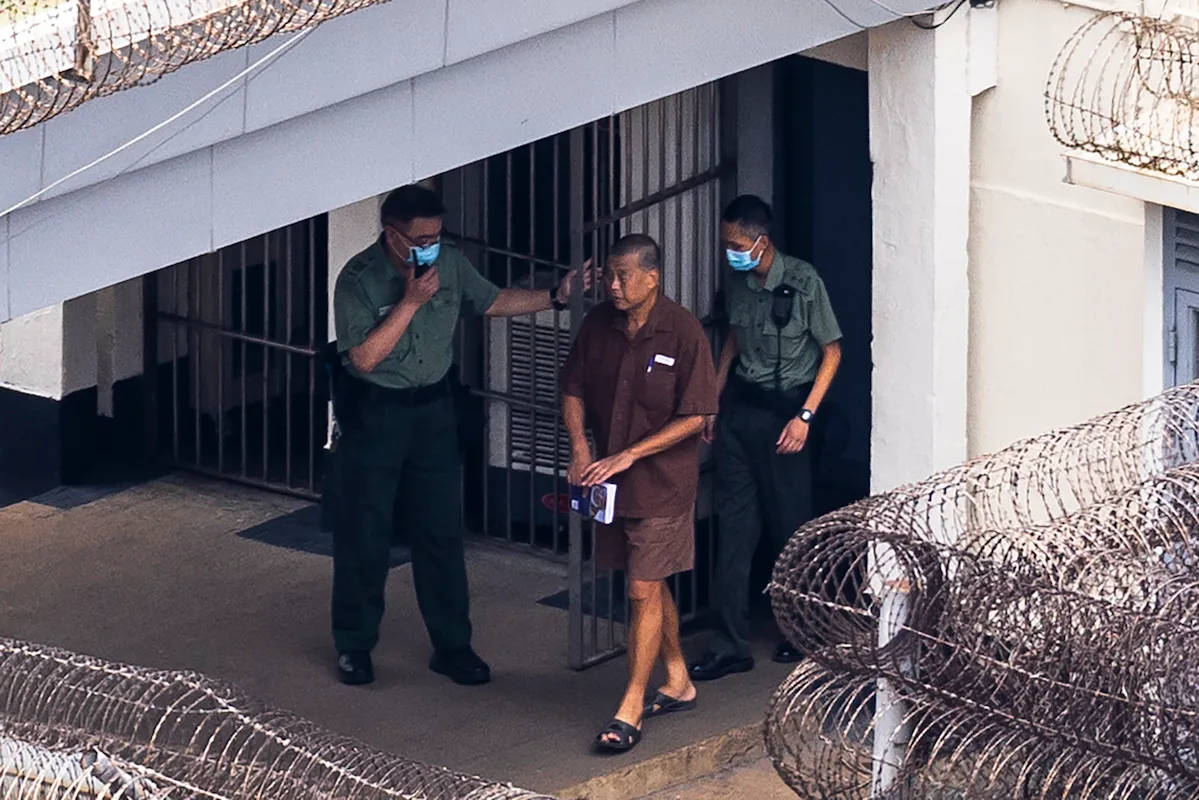
Seven prominent pro-democracy activists in Hong Kong, including Jimmy Lai and Martin Lee, had part of their convictions quashed over their roles in the 2019 pro-democracy protests. While their convictions for organizing an unauthorized assembly were overturned, their convictions for participating in the assembly were upheld. The activists had already served their sentences for this case, but some of them remain in custody due to charges under the national security law imposed by Beijing in 2020. The 2019 protests marked a significant challenge to the Hong Kong government, but the movement has since waned due to arrests, exiles, the COVID-19 pandemic, and the national security law.
Seven prominent pro-democracy activists in Hong Kong, including Jimmy Lai and Martin Lee, had part of their convictions quashed over their roles in the 2019 pro-democracy protest. The convictions for organizing an unauthorized assembly were overturned, but their convictions for participating in the assembly were upheld. The activists had already served their sentences for this case, but some of them remain in custody due to charges under the national security law imposed by Beijing in 2020. The 2019 movement marked a significant challenge to the Hong Kong government, but it has since waned due to arrests, exiles, the COVID-19 pandemic, and the national security law.