Tag

Gemini North Telescope

All articles tagged with #gemini north telescope

science6 months ago

Scientists Investigate Interstellar Comet 3I/ATLAS's Mysteries and Origins

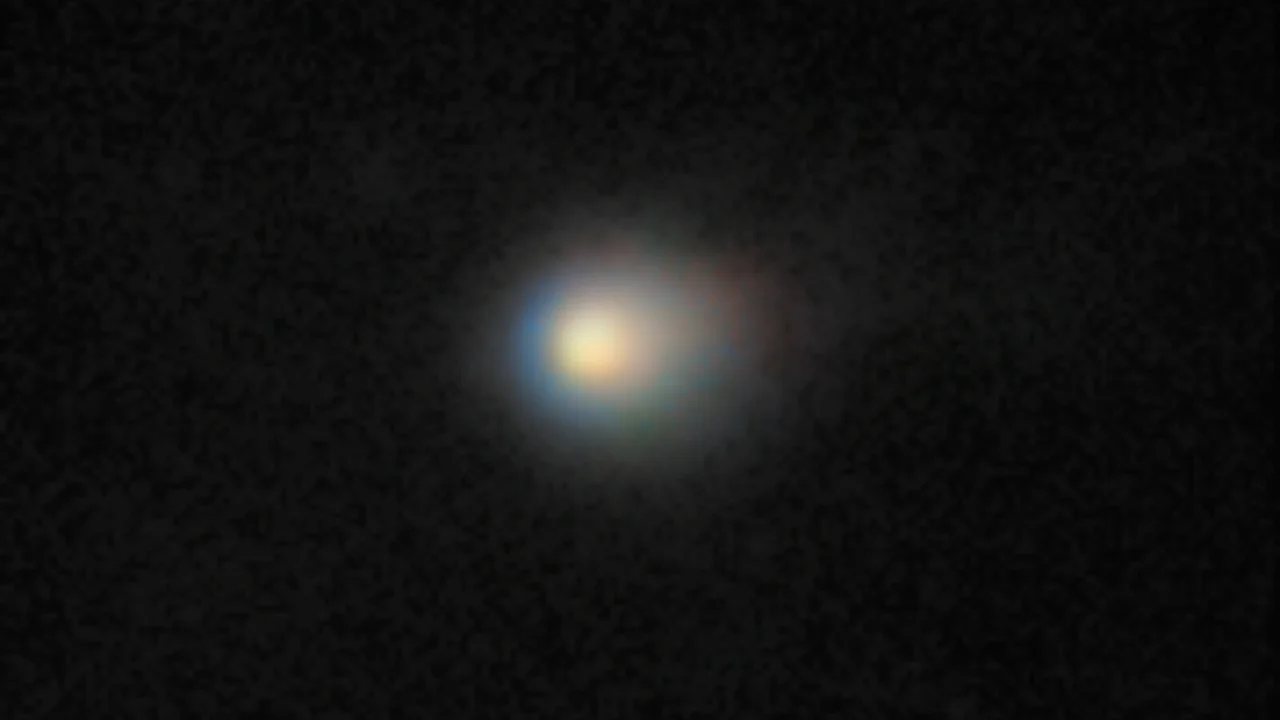
Astronomers captured detailed images of the interstellar comet 3I/ATLAS passing through our solar system, revealing its compact coma and providing valuable insights into objects originating outside our solar system. This is only the third such interstellar visitor observed, and it offers a unique opportunity to study material from other star systems before it departs back into interstellar space.
astronomy1 year ago

"Record-breaking: Astronomers Discover Heaviest Black Hole Pair at 28 Billion Solar Masses"

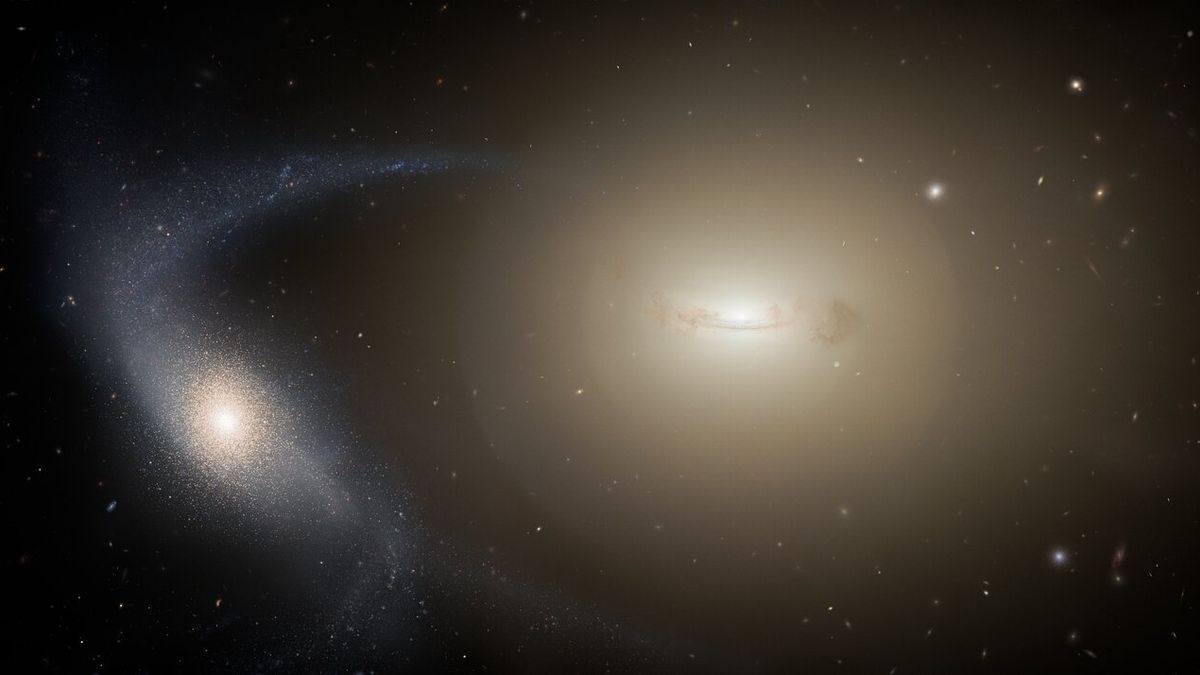
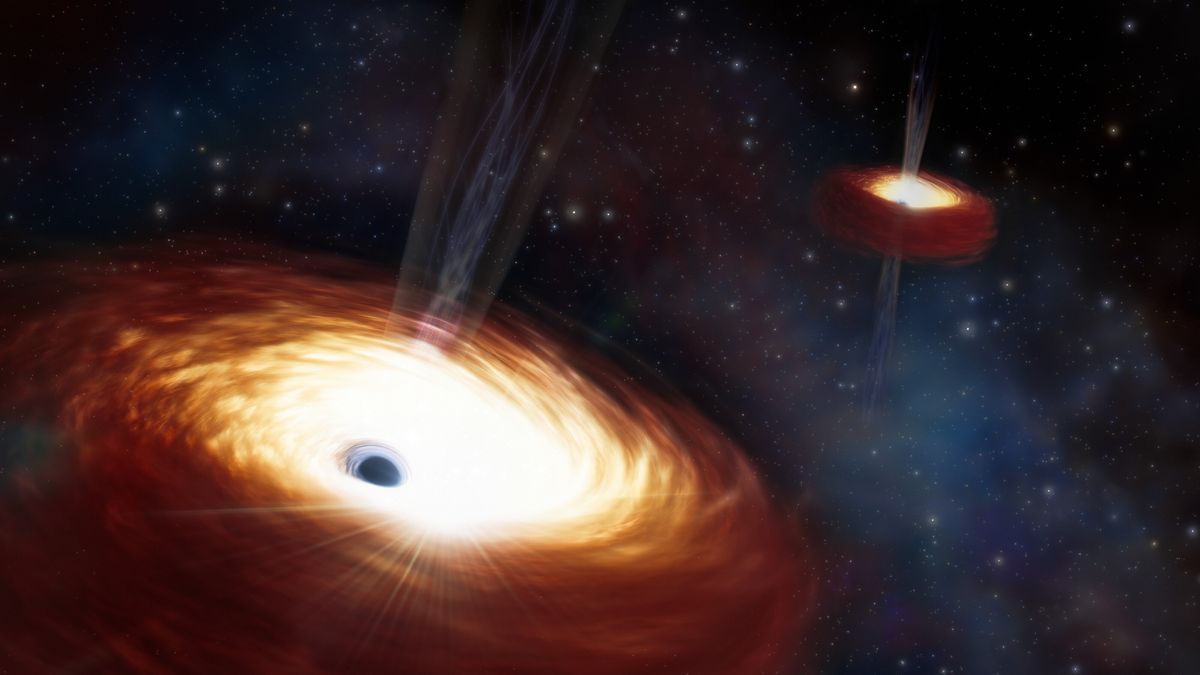
Two supermassive black holes, with a combined mass 28 billion times that of the sun, have been discovered in a fossil galaxy, locked in a gravitational dance preventing them from merging. This finding challenges the theory that supermassive black hole mergers are common, as these are the closest and heaviest black hole pair ever observed. The massive black holes have scoured their galaxy of stars and gas, stalling their collision. The discovery sheds light on the formation and behavior of supermassive black hole binaries after galactic mergers and highlights the potential impact of archival data from telescopes like Gemini North.

astronomy1 year ago

"Astronomers Create 'Artificial Star' in Hawaii for Space Photo of the Week"

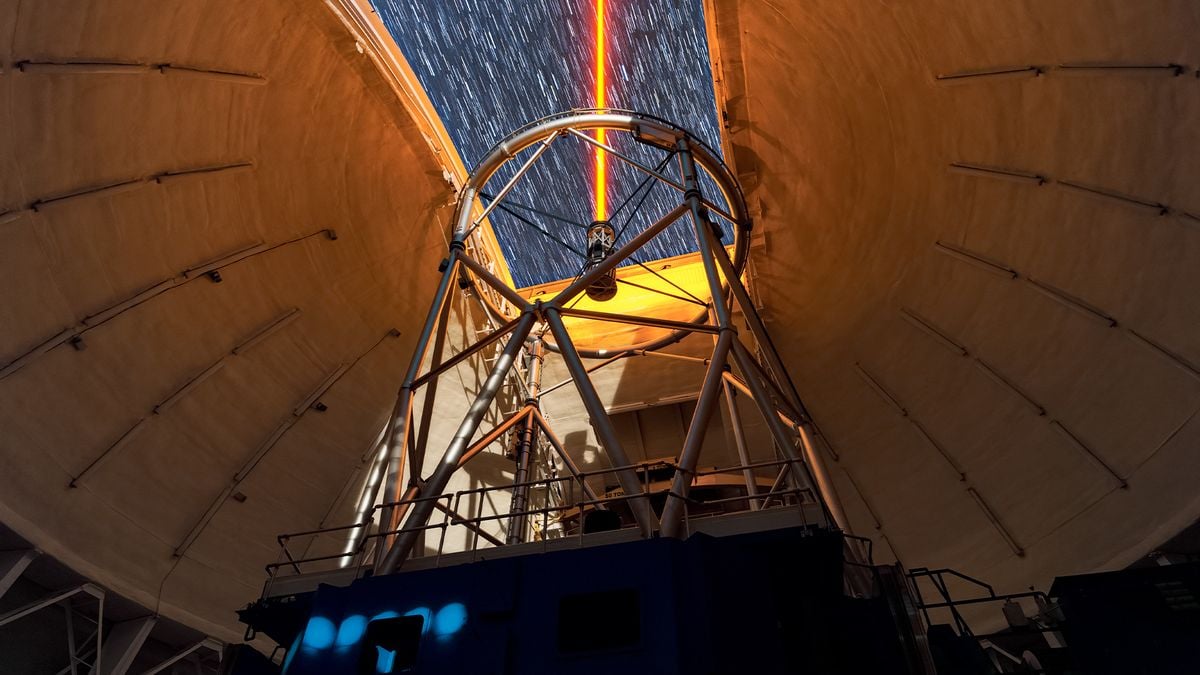
Astronomers at the Gemini North telescope in Hawaii are using adaptive optics and a yellow laser to create an "artificial star" in the Earth's atmosphere, allowing the telescope to correct for the distortions caused by atmospheric turbulence. This technology enables ground-based telescopes to achieve resolutions comparable to space-based telescopes like the Hubble and James Webb Space Telescope, potentially leading to higher-resolution images of stars, planets, and galaxies, as well as the direct imaging of exoplanets.

astronomy2 years ago

Surviving the Shredding: Small Galaxies Defy the Odds

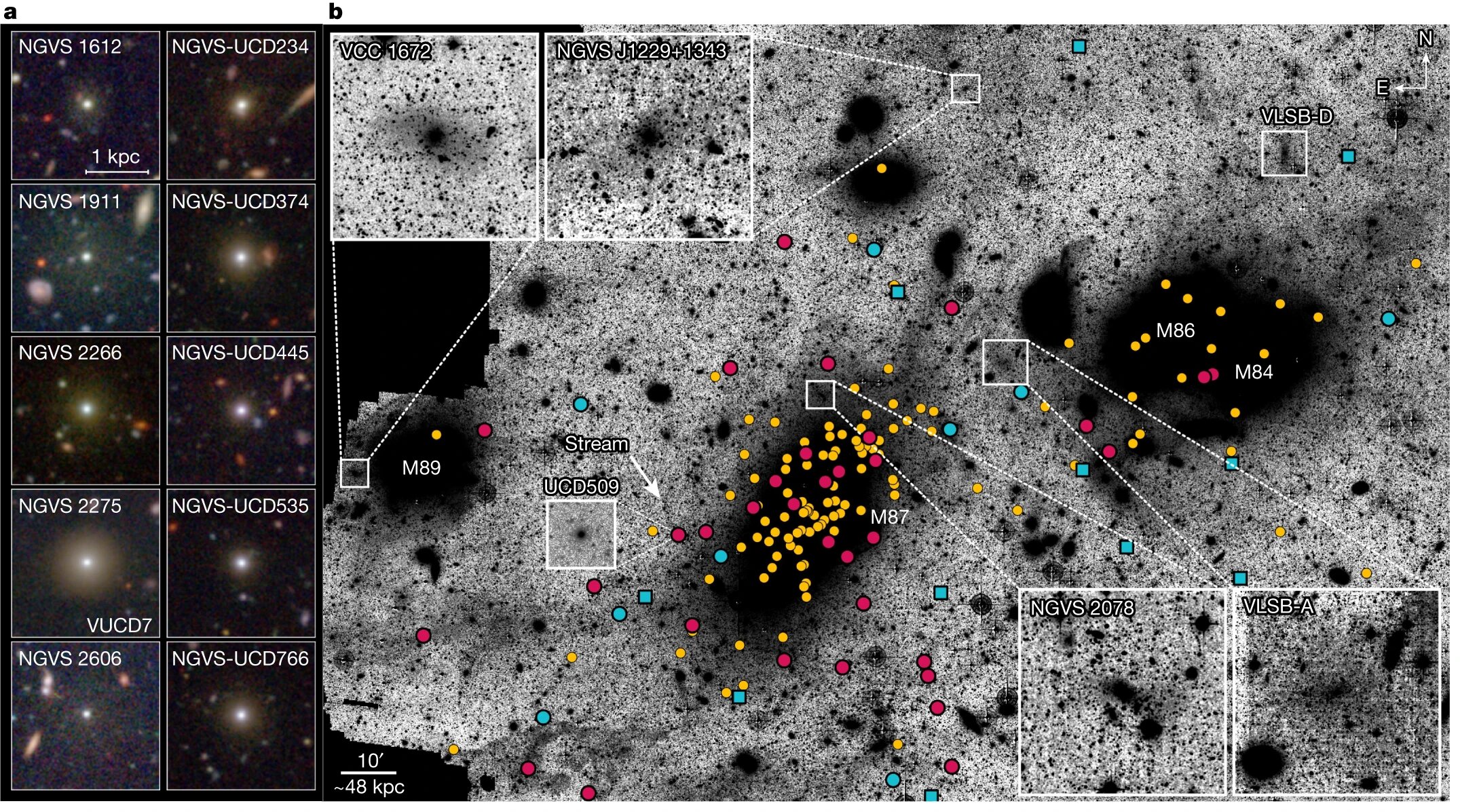
New research using the Gemini North Telescope has observed galactic cannibalism near the Virgo Cluster, where larger galaxies merge with and consume smaller ones. However, some smaller galaxies are dense enough to survive the merger and become Ultra Compact Dwarfs (UCDs). These UCDs retain their cores and exhibit tight groupings of stars, indicating their gravitational grip is strong enough to withstand the merger. The study suggests that many UCDs are remnants of ancient dwarf galaxies in galaxy clusters, and there are likely more low-mass remnants to be found.

astronomy2 years ago

Unveiling the Missing Link: Stripped Dwarf Galaxies Shed Light on Ultra-Compact Dwarf Galaxy Formation

Astronomers using the Gemini North telescope have discovered over 100 dwarf galaxies transitioning into ultra-compact dwarf galaxies, confirming that many ultra-compact dwarf galaxies are the remnants of stripped dwarf galaxies. This fills in the missing link in understanding the formation of ultra-compact dwarf galaxies, which are more compact than other galaxies with similar mass but larger than star clusters. The findings provide valuable insights into the evolutionary process and the role of the local environment in the formation of these enigmatic objects.

astronomy2 years ago

Powerful Winds Create Spectacular Quasar-Driven Superbubbles

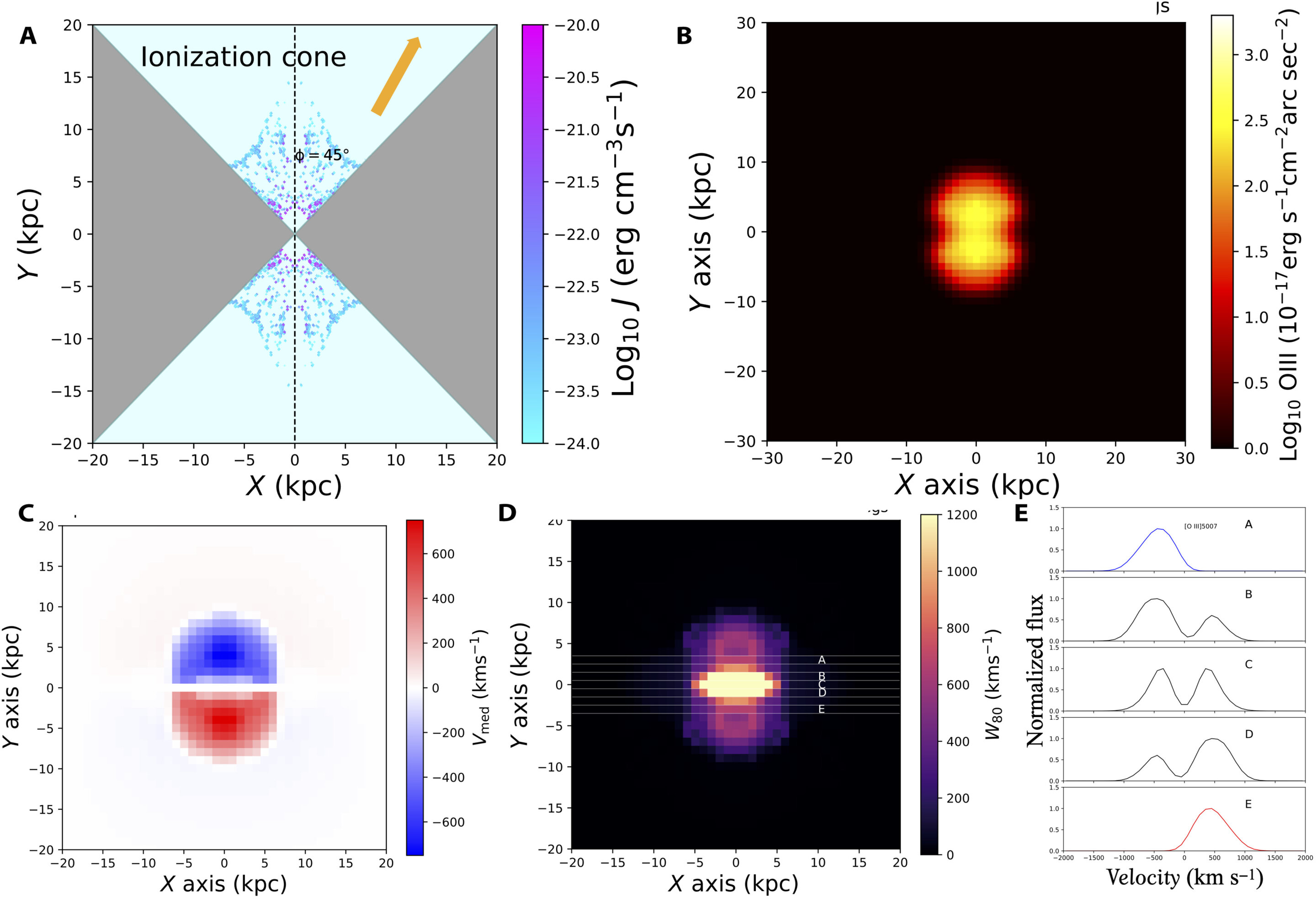
Astrophysicists have discovered ionized gas nebulae surrounding three luminous red quasars, featuring pairs of "superbubbles." Using data from the Gemini North telescope in Hawaii, the researchers found that the quasar-generated winds play a role in galaxy formation, as the superbubbles resemble the Fermi bubbles in the Milky Way. The observations and simulations suggest that these bubble structures contribute to the phase of galaxy formation where nebulae are blown from their host galaxies into a surrounding galactic halo.

astronomy2 years ago

"Taffy Galaxies Collide, Creating Cosmic Butterfly and Turbulent Bridge"

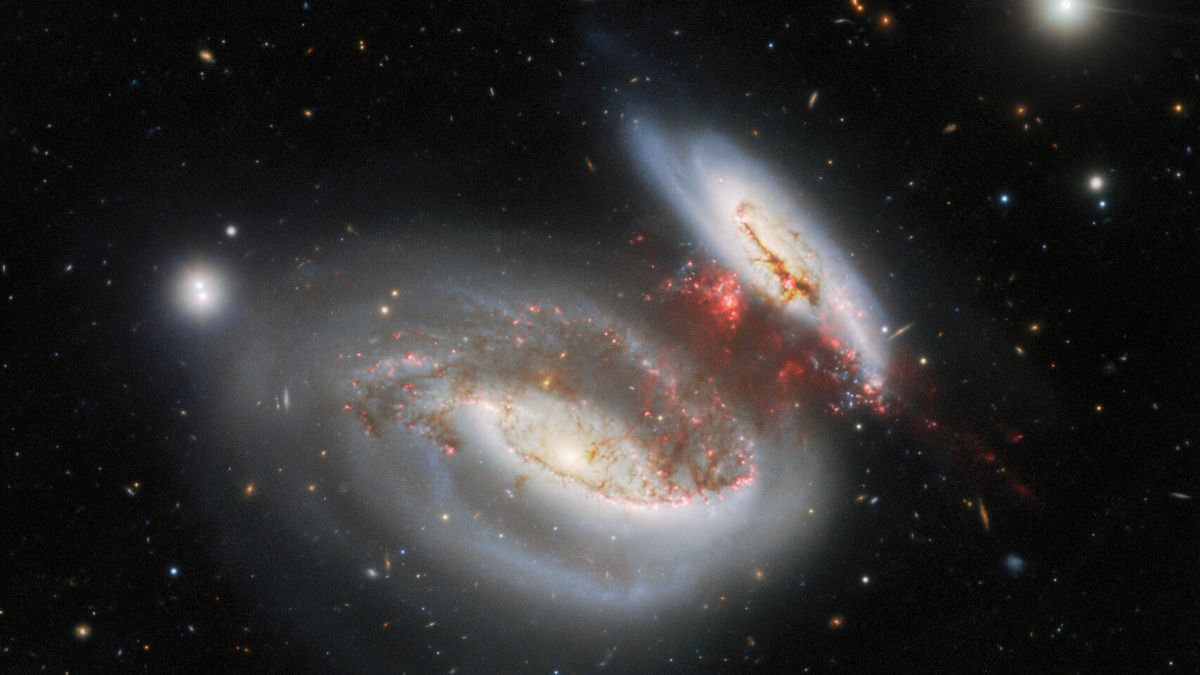
The collision of two galaxies, nicknamed the "Taffy Galaxies," some 180 million light-years away from Earth has been captured by the Gemini North telescope in Hawaii. The image shows the galaxies recovering from their head-on smash and drawing away from each other, creating a warm taffy being pulled apart effect. Collisions of galaxies such as this drive the evolution of the universe, both triggering star formation and halting it. While star formation continues in the wings of this vast cosmic butterfly, which are made up of the two Taffy galaxies, the story is different in the red-hued body and tail of the butterfly.

astronomy2 years ago

'Taffy Galaxies' Collide, Form Star-Bridge

The Taffy Galaxies, UGC 12914 and UGC 12915, collided head-on about 25-30 million years ago, leaving behind a bridge of highly turbulent gas devoid of significant star formation. The bridge is composed of narrow molecular filaments and clumps of hydrogen gas, resembling taffy being stretched as the pair slowly separates. The Gemini North telescope captured this fascinating feature, showcasing the complex web structure between the two galaxies. The turbulence of the stellar material throughout the bridge is now prohibiting the collection and compression of gas that are required to form new stars.