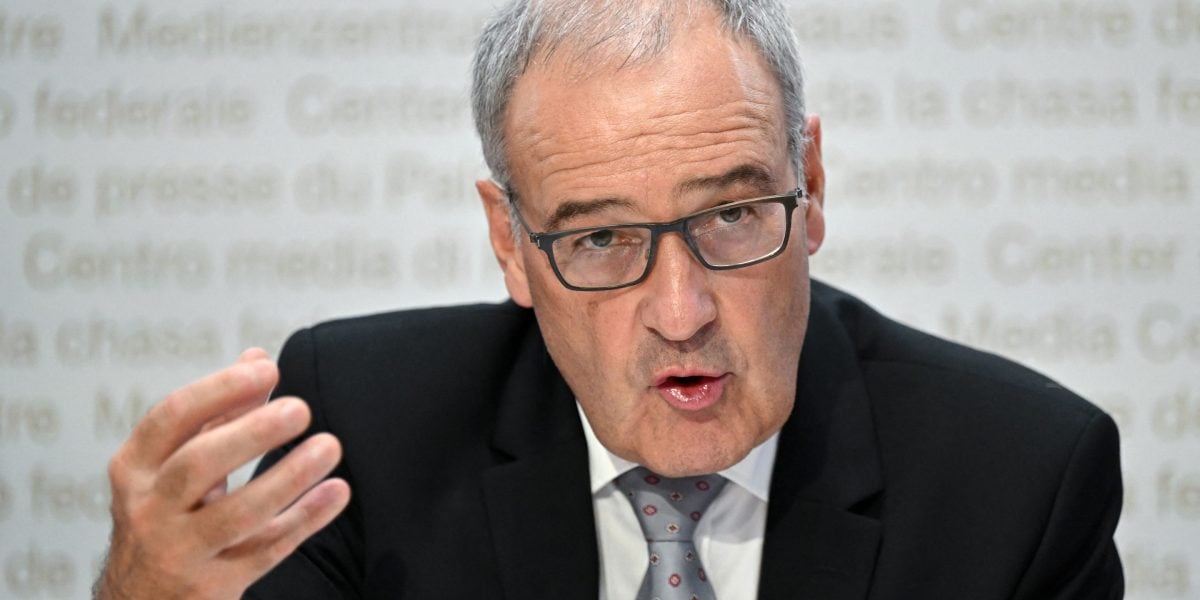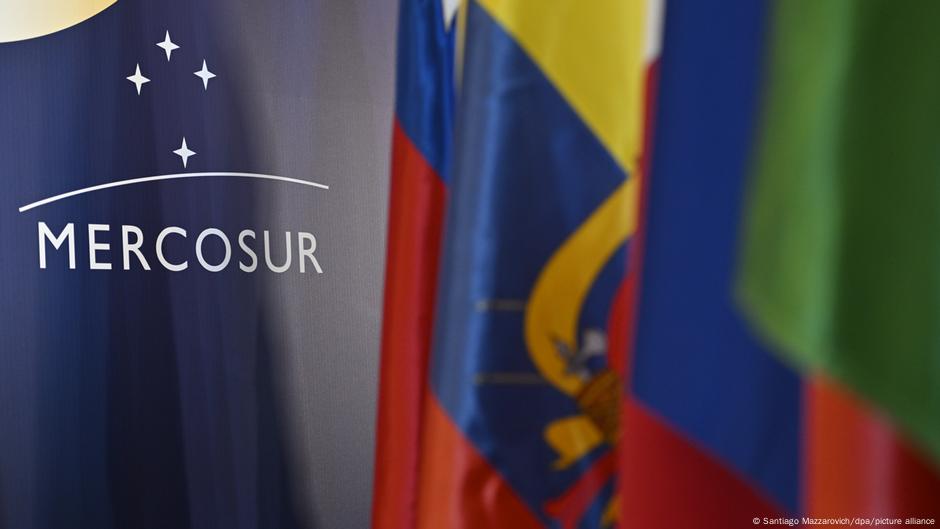
South America's Mercosur and Europe's EFTA have signed a decade-long negotiated trade deal to establish a free trade area covering nearly 300 million people and over $4.3 trillion in GDP, aiming to boost trade by removing customs duties and improving market access across various sectors, pending approval from respective parliaments.
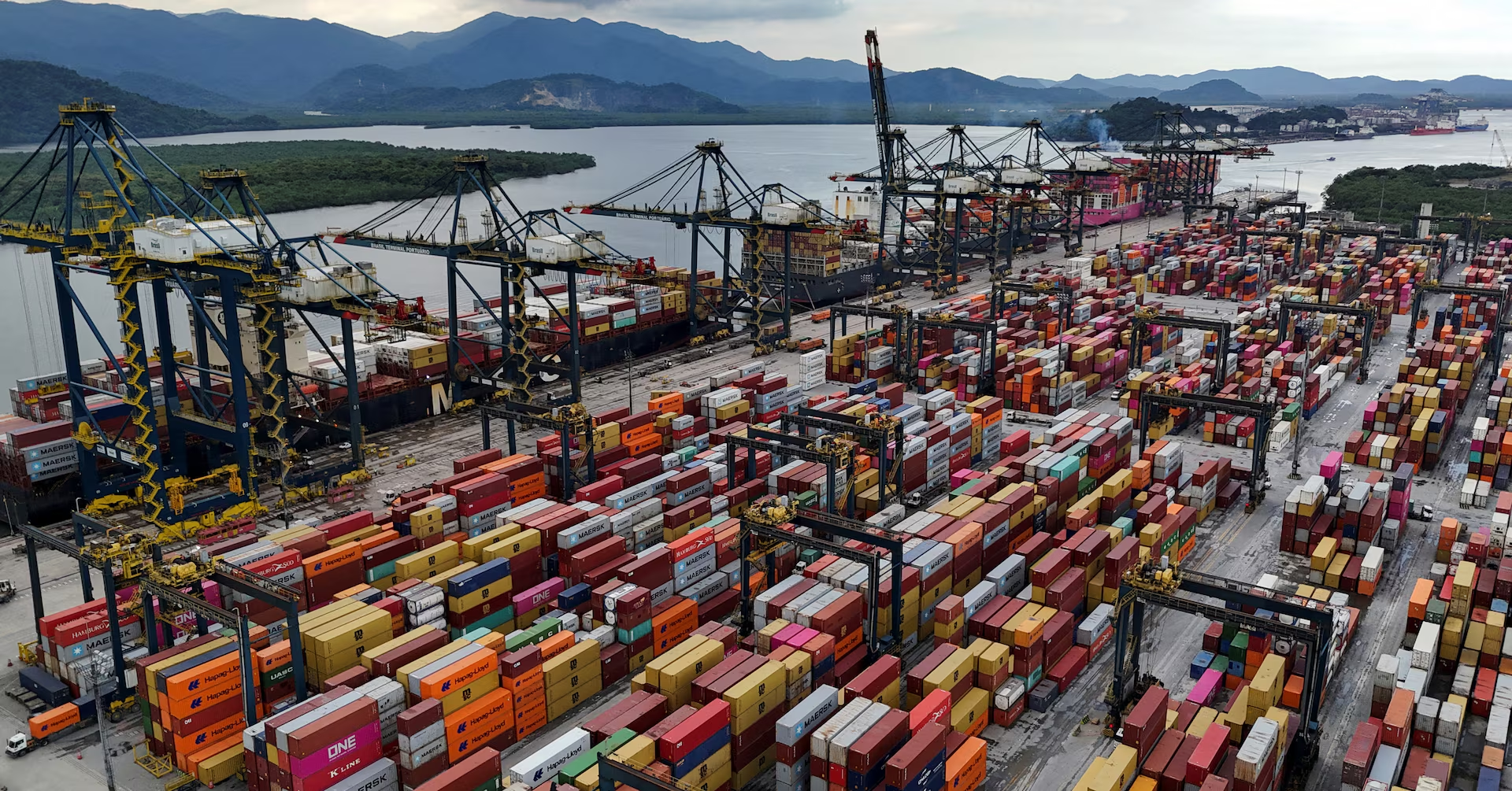
Mercosur and the European Free Trade Association (EFTA) have finalized a sweeping free trade agreement covering nearly all shipments between the two blocs, involving 300 million people and a GDP of over $4.3 trillion, with potential approval in the second half of 2025. The deal aims to improve market access for over 97% of exports and expand tariff-free imports within Mercosur, which includes Brazil, Argentina, Uruguay, and Paraguay. The agreement is part of ongoing efforts to boost trade amid global uncertainties and is linked to broader negotiations with the EU, which face political challenges.
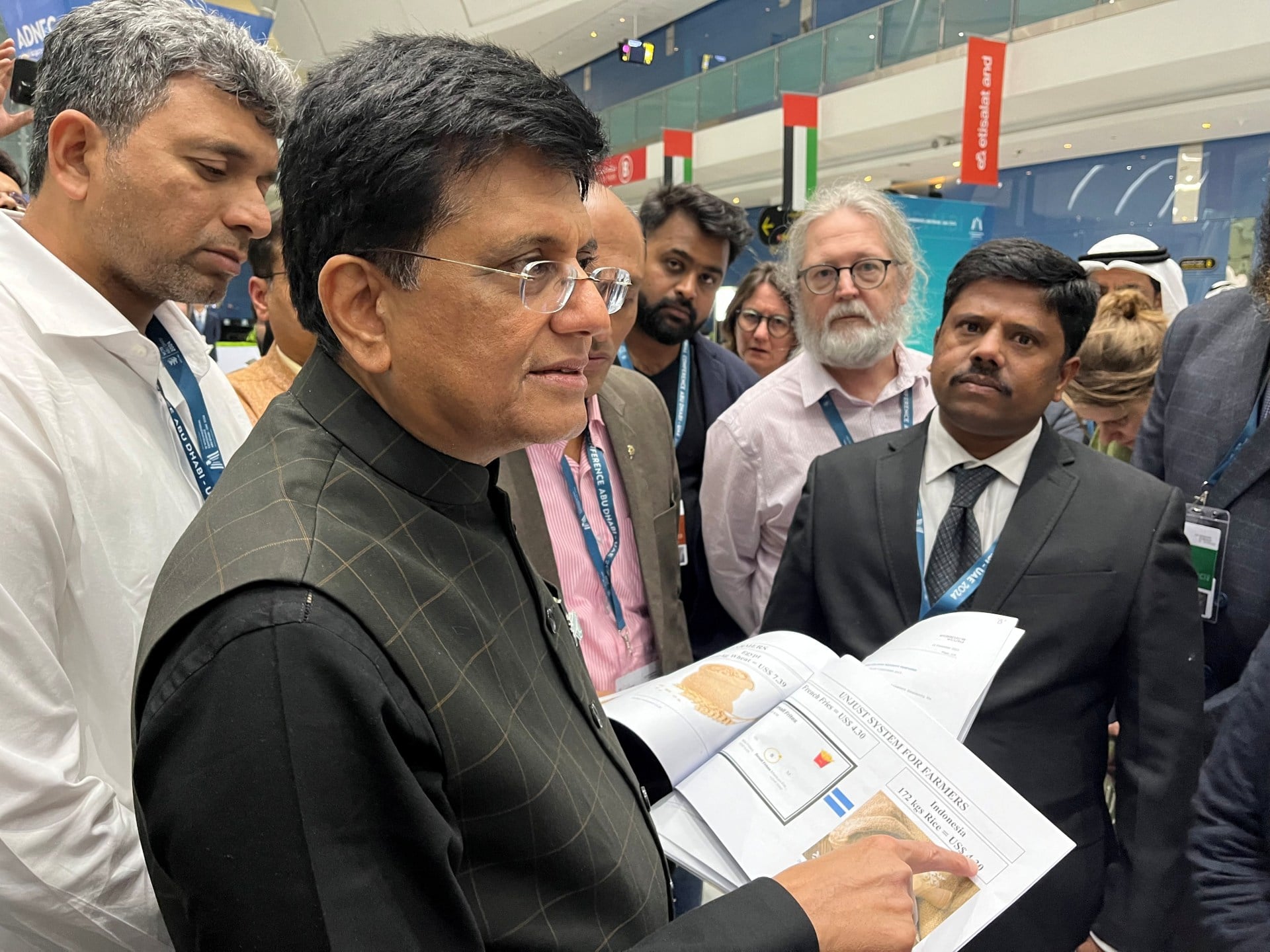
India signed a trade agreement with Iceland, Liechtenstein, Norway, and Switzerland, committing to a $100 billion investment and 1 million direct jobs in India over the next 15 years. The agreement includes reducing import tariffs on industrial products from the European Free Trade Association (EFTA) countries, aiming to bring economic benefits, job creation, and increased trade and investment flows. This marks India's first agreement with a significant European economic bloc, and it covers trade in goods and services, investment promotion, intellectual property, government procurement, and dispute settlement.
India has signed a $100bn free trade agreement with the European Free Trade Association (EFTA), comprising Switzerland, Norway, Iceland, and Liechtenstein, which will lead to the lifting of import tariffs on industrial products from these countries in return for a 15-year investment. The deal aims to boost exports, promote investment, and create employment, with provisions for liberalized trade rules for Indian agricultural exporters and opportunities for professionals to work in the EFTA zone. The agreement also includes elements such as intellectual rights and gender equity, and all five countries must ratify the deal before it can take effect.