The article discusses the pivotal elections across Europe in 2026, including Hungary's potential leadership change, regional elections in major EU countries, and the impact of foreign interference, set against the backdrop of ongoing Russia-Ukraine conflict and global elections affecting EU interests.
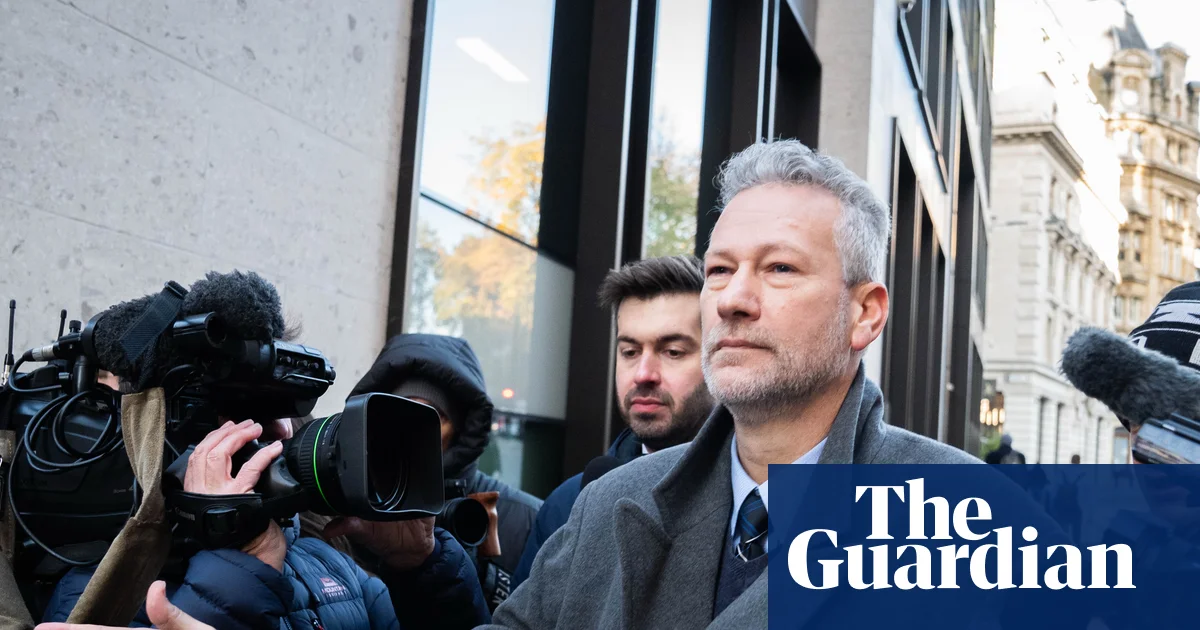
The UK is launching an independent inquiry into foreign financial influence and interference in its domestic politics, focusing on Russia and China, following cases of corruption and covert influence, with the aim to strengthen electoral safeguards and protect democracy.
The article reports that former President Donald Trump has significantly increased his wealth through his involvement in the cryptocurrency industry, notably with the launch of WLFI, which has become a highly valuable asset for his family, raising concerns about foreign interference and the ethics of a sitting president profiting from crypto ventures.
Denmark summoned the US charge d’affaires over allegations that American individuals with ties to Trump attempted to influence Greenlandic society and public opinion, raising diplomatic tensions and concerns over foreign interference in Greenland's affairs.
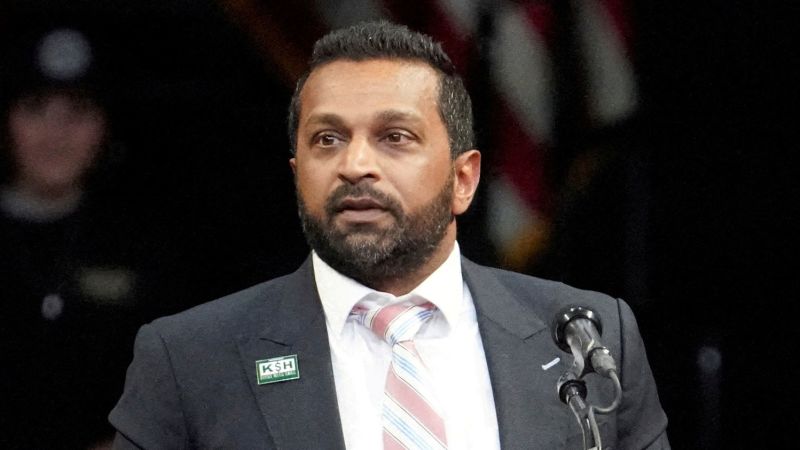
Kash Patel, President-elect Donald Trump's nominee for FBI Director, has been targeted in an Iranian hacking operation, with hackers reportedly accessing some of his communications. This incident is part of a broader pattern of foreign cyberattacks on Trump's associates, including his attorneys and family members, by Iranian and Chinese hackers. The Iranian government has denied involvement in these activities, which have included attempts to interfere with the U.S. election process.
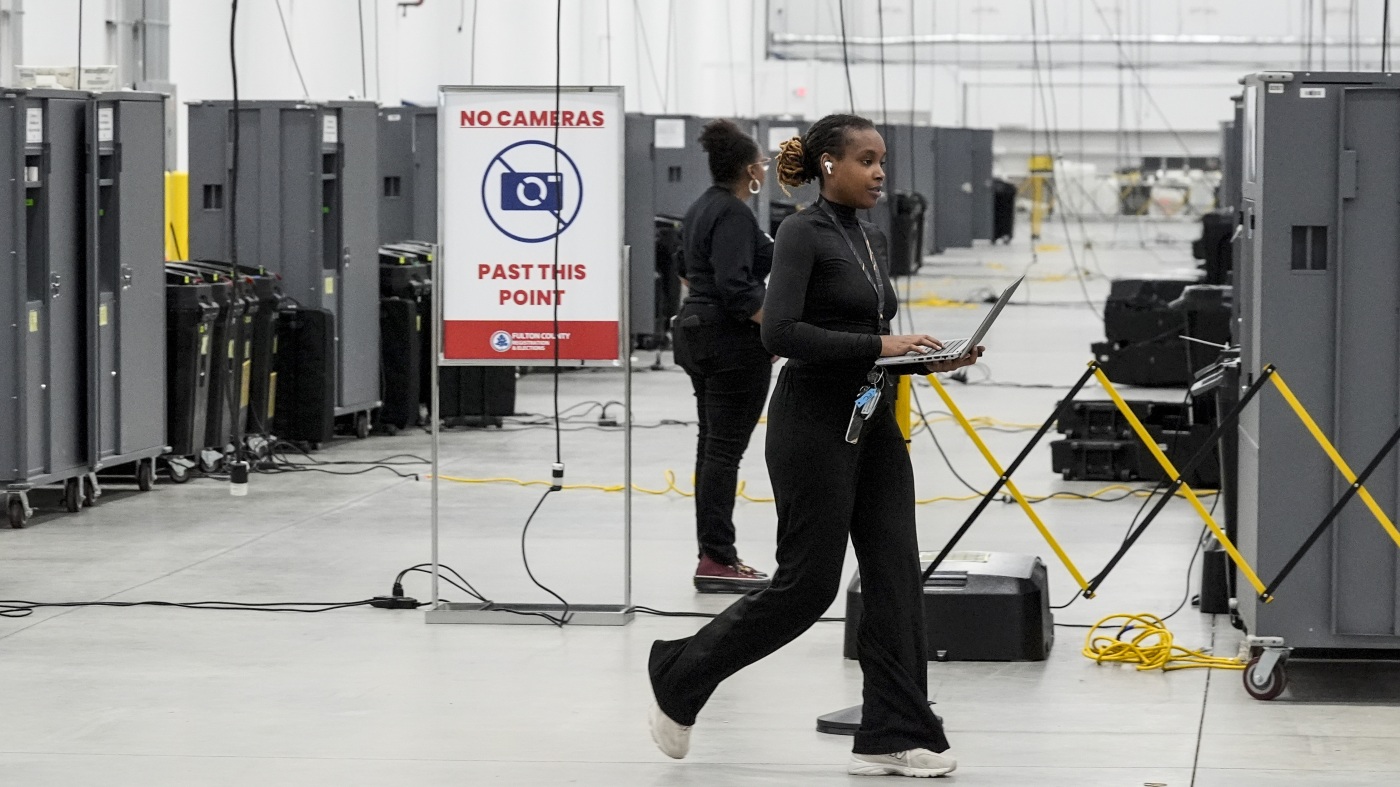
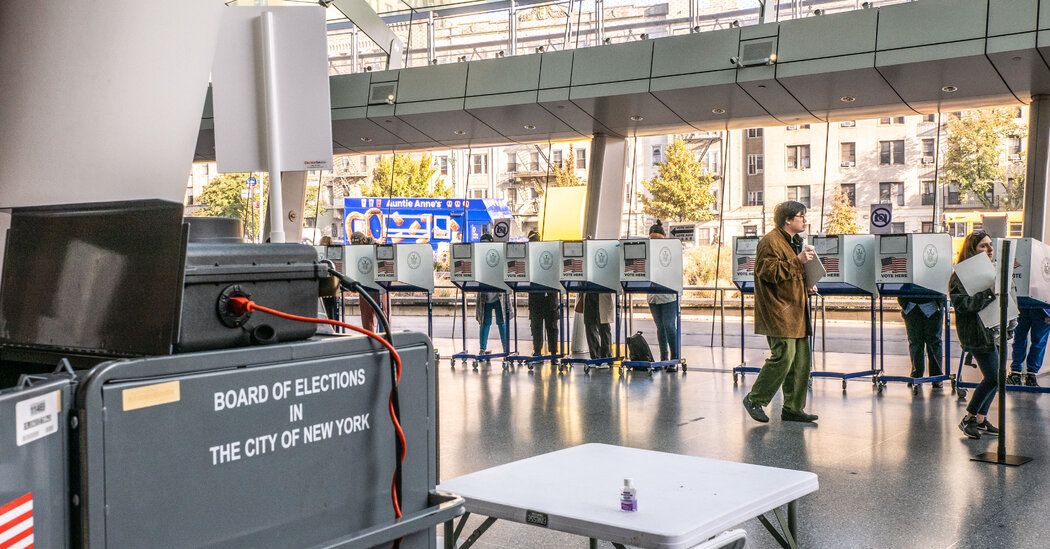
Bomb threats linked to Russian sources targeted polling places in Georgia, Pennsylvania, and Arizona, leading to extended voting hours in some areas. No bombs were found, but the threats aimed to disrupt voting in key swing states. The FBI warns of foreign attempts to undermine U.S. election confidence.
The United States is preparing for potential foreign interference in upcoming elections, with a particular focus on safeguarding swing states. Authorities are enhancing cybersecurity measures and coordinating with state and local officials to protect the integrity of the electoral process.
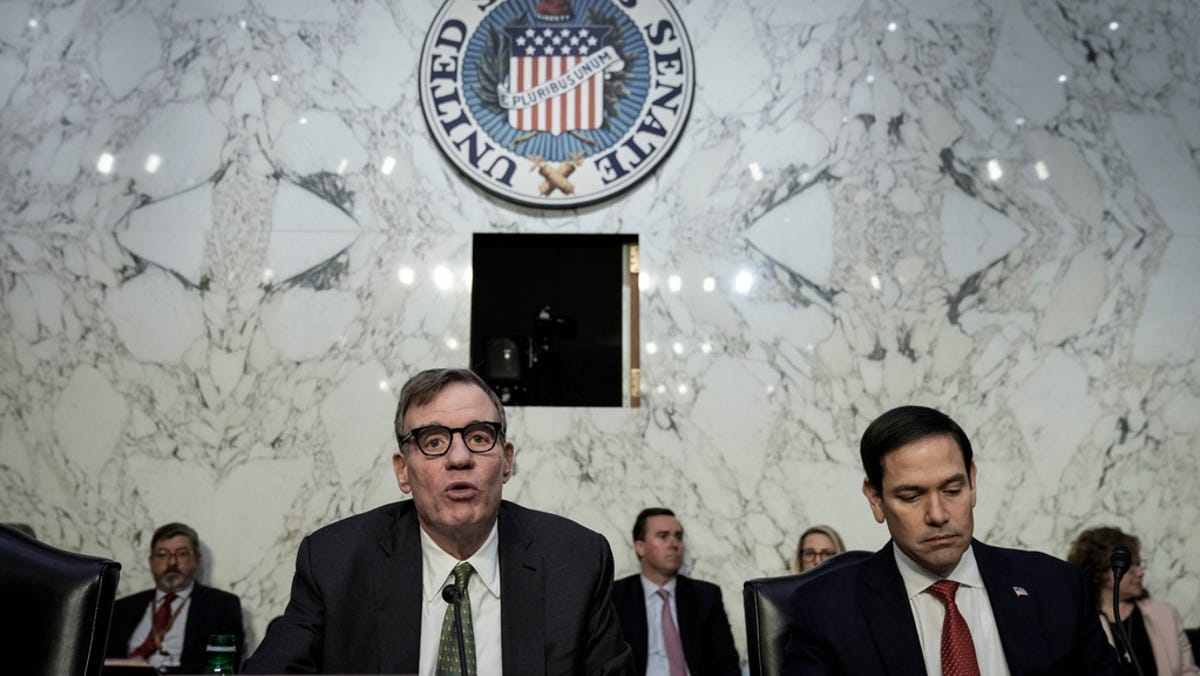
U.S. intelligence officials and lawmakers highlighted various threats, including election interference, transnational criminal activities, and geopolitical power plays by China and Russia. Concerns were raised about misinformation, drug trafficking, human smuggling, and the potential weaponization of space. The lack of support for Ukraine and the ongoing Israel-Hamas conflict were also discussed as significant issues. Additionally, the intelligence community emphasized the need for continued surveillance authority and expressed worries about foreign interference in upcoming elections.
Australia's director-general of security revealed that a former Australian politician had been recruited by a foreign intelligence service several years ago, leading to demands for the politician to be named. The spy chief also disclosed that the foreign intelligence service had targeted Australians with access to privileged information using false personas and promises of cash rewards. The revelation has sparked speculation and criticism, with some calling for the former politician to be identified in order to clear the cloud hanging over other lawmakers.
French agency Viginum uncovered a Russian disinformation network called "Portal Kombat" comprising at least 193 sites spreading pro-Kremlin propaganda to influence public opinion in Western countries, particularly regarding the Russo-Ukrainian conflict. The sites targeted Western countries supporting Ukraine and used automation to share content on social media, posing a significant threat to public debate. This discovery comes amid growing concerns about foreign interference and disinformation ahead of national elections in various countries.
The Indian government has criticized Canada for alleging Indian interference in Canadian elections and urged Ottawa to address India's concerns regarding terrorism and extremism. India also accused Canada of interfering in its internal affairs and rejected baseless allegations of meddling in Canadian elections. The diplomatic row comes amid a Canadian probe into alleged Indian involvement in the killing of a Canadian national, with India refusing to participate and expelling 41 Canadian diplomats.
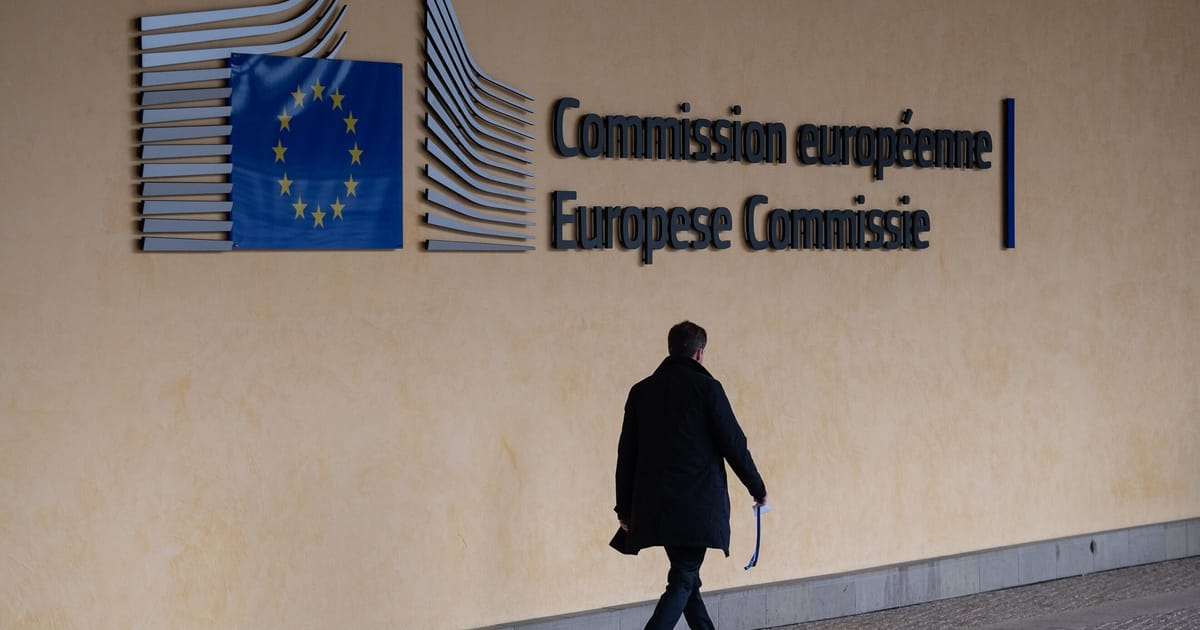
The European Commission is set to unveil recommendations for EU states to address foreign interference in research and innovation, particularly from strategic adversaries like China, in an effort to safeguard European research. The proposal aims to establish a new center dedicated to keeping European research secure and urges EU members to be vigilant about the risks associated with international research collaboration. Additionally, the Commission plans to promote dual-use research and may open up the Horizon Europe R&D program to technologies with both civil and military applications.
A declassified intelligence report reveals that China attempted to influence specific races in the 2022 U.S. midterm elections, adopting a more aggressive approach to exploit societal divisions and counter candidates deemed "anti-China." The report suggests that China sees its actions as a response to perceived U.S. efforts to promote democracy at China's expense. While China denies the allegations, the report also highlights Russia's attempts to undermine the Democratic Party and support for Ukraine, while Iran aimed to exploit social divisions and undermine confidence in U.S. democratic institutions. The level of foreign activity exceeded that of the 2018 midterms but was not at the level seen in a presidential election year.
A declassified intelligence assessment reveals that China, Russia, Iran, and Cuba all attempted to meddle in the 2022 US congressional elections. While there was no known order for a comprehensive influence campaign like Russia's in 2016, China was found to have tacitly approved efforts to influence specific races. China aimed to heighten sociopolitical divisions and portray the US democratic model as chaotic. Russia sought to denigrate the Democratic Party and undermine confidence in the election, while Iran aimed to exploit social divisions. Foreign actors focused on damaging the public perception of election integrity rather than changing literal votes. The assessment did not evaluate the impact of these influence campaigns on the election outcome.
Hungary's parliament has passed a law aimed at protecting national sovereignty, which the ruling Fidesz party claims is necessary to defend against undue political interference by foreign individuals or groups. The move comes as Prime Minister Viktor Orban intensifies his party's campaign ahead of the European Parliament elections next year. The law establishes a separate authority to monitor and investigate potential risks of political interference, with penalties of up to three years in prison for parties or groups receiving banned foreign financing. Critics, including the U.S. envoy to Hungary, have raised concerns about the legislation, likening it to Russia's "foreign-agent bill." Orban, who has been in power since 2010, denies accusations of undermining democracy in Hungary.