The article discusses the pivotal elections across Europe in 2026, including Hungary's potential leadership change, regional elections in major EU countries, and the impact of foreign interference, set against the backdrop of ongoing Russia-Ukraine conflict and global elections affecting EU interests.
2025 was a tumultuous year marked by Donald Trump's dominance in the US, political upheavals in Europe including leadership changes and scandals, and notable events like Trudeau and Katy Perry dating, Ursula von der Leyen surviving confidence votes, and Marine Le Pen's political setbacks. The year was characterized by chaos, chaos, and more chaos, leaving hopes for a better 2026.
Hungary's Prime Minister Orban's close relationship with Trump could influence U.S. policy on Russian oil sanctions, with potential for new trade and defense deals, despite limited benefits for Hungary from the current White House administration.
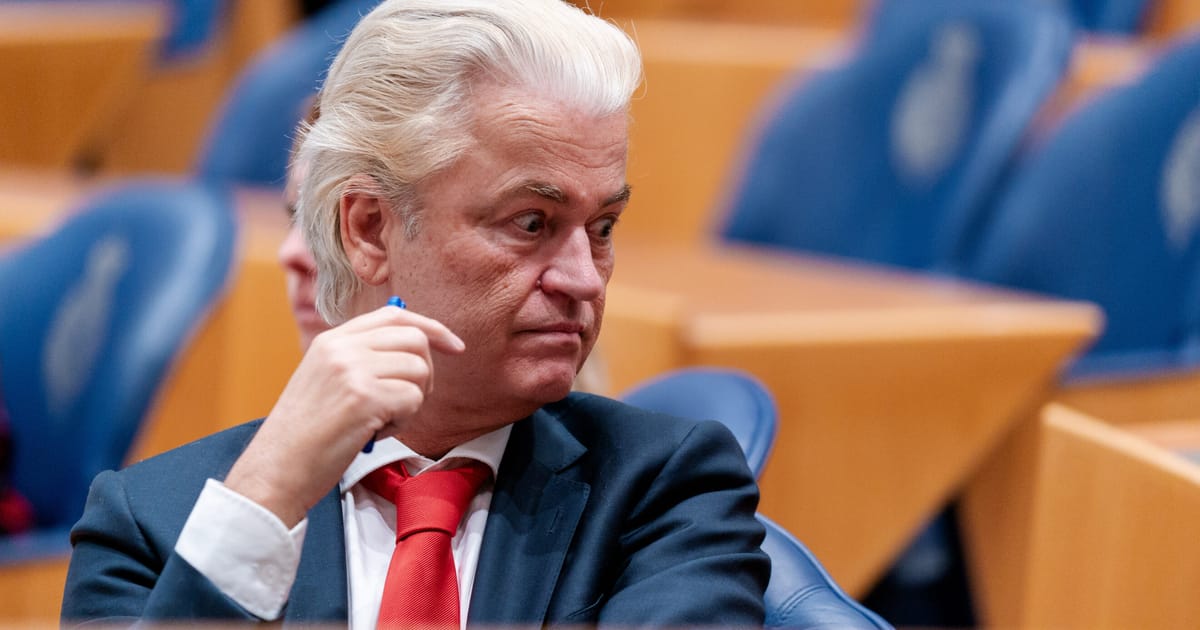
Dutch politician Geert Wilders has suspended his campaign due to security threats, highlighting ongoing concerns about political safety and security in Europe.
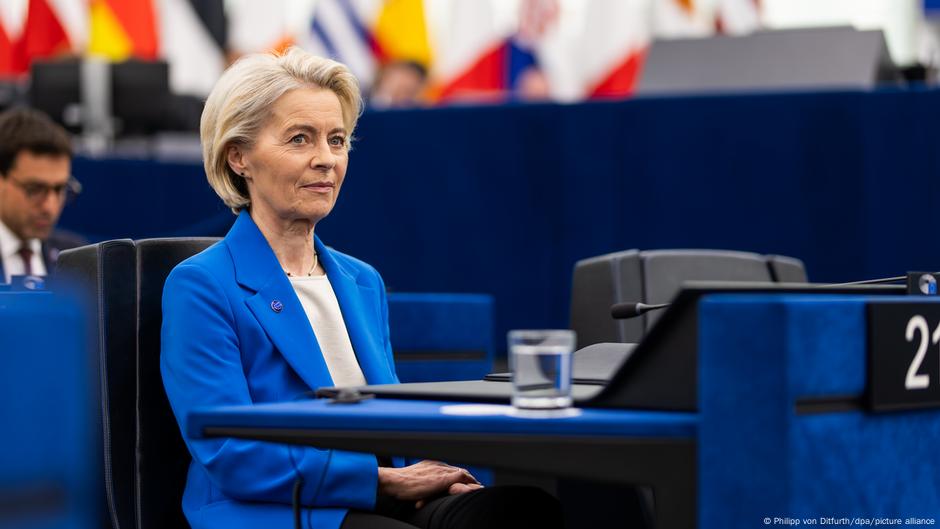
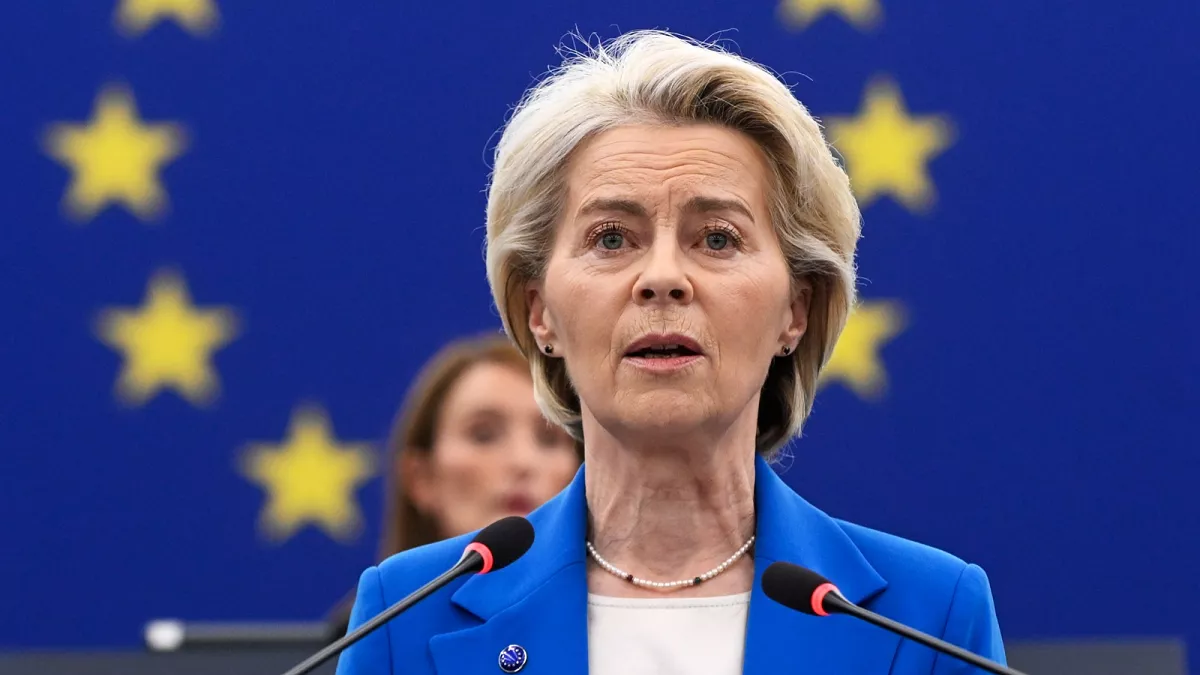
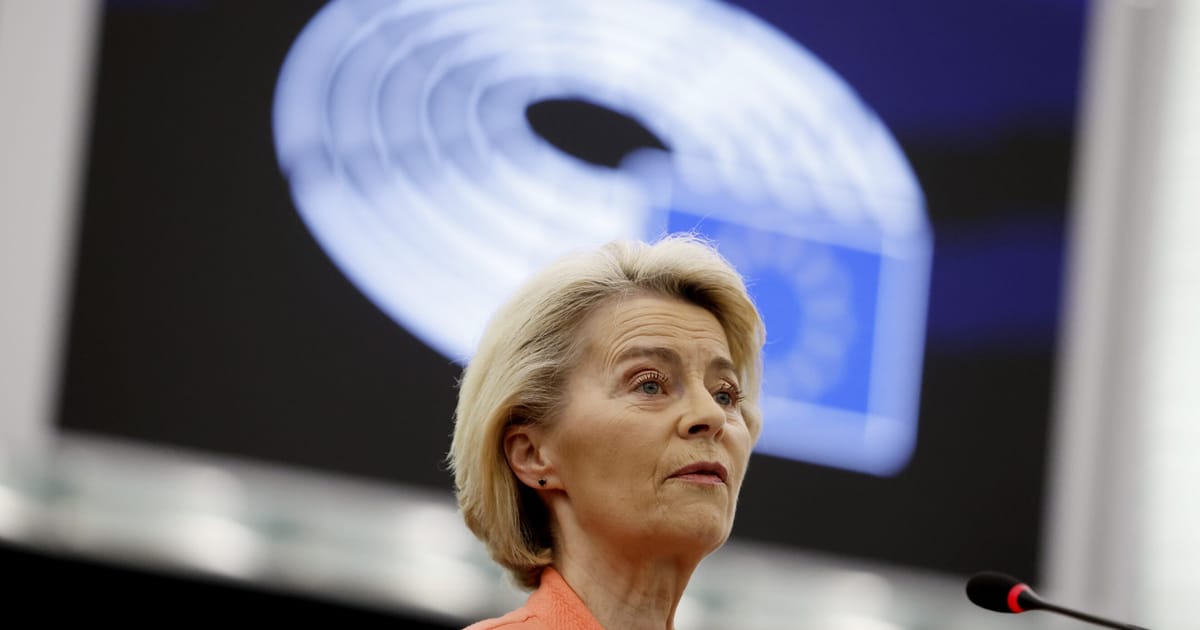
Ursula von der Leyen faces unprecedented political challenges in the European Parliament, with two no-confidence votes within three months reflecting deep fragmentation and polarization, but her future remains uncertain as the system tests its resilience amidst rising extremism and shifting alliances.
Ursula von der Leyen defends her presidency amid two motions of censure in the European Parliament, emphasizing the importance of unity against external threats like Russian disinformation and internal divisions, while addressing criticisms from far-right and far-left groups.
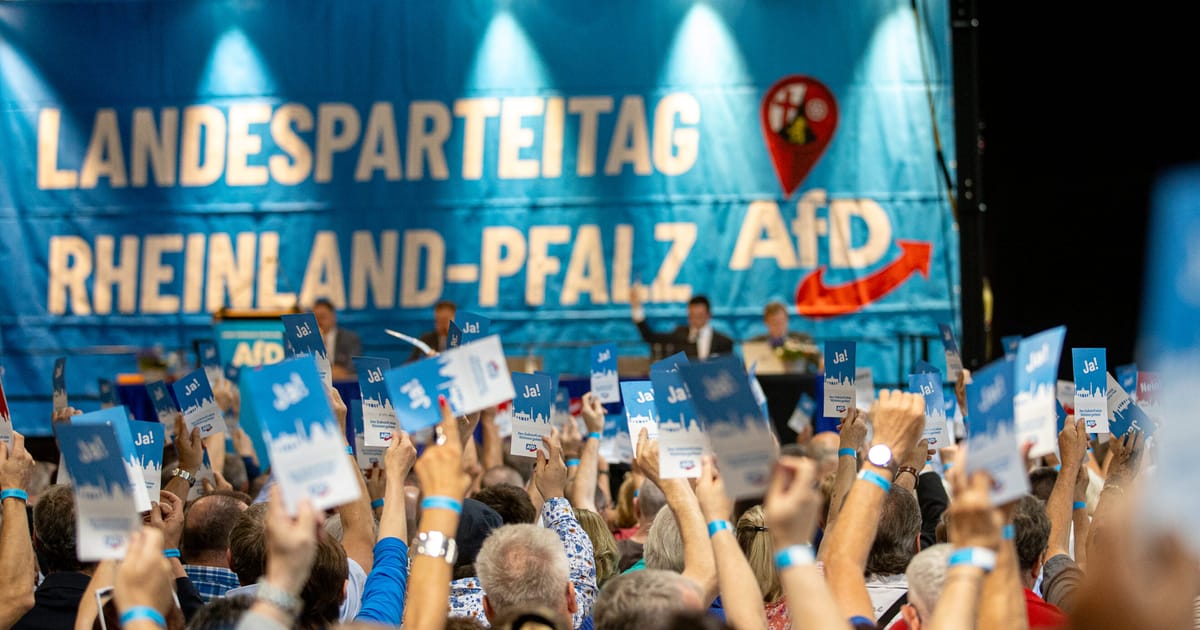
The article discusses the rise of the far right in western Germany, European leaders' concerns about the declining transatlantic alliance, and the geopolitical tensions involving Russia, Ukraine, and the US, highlighting shifts in European political and security dynamics.
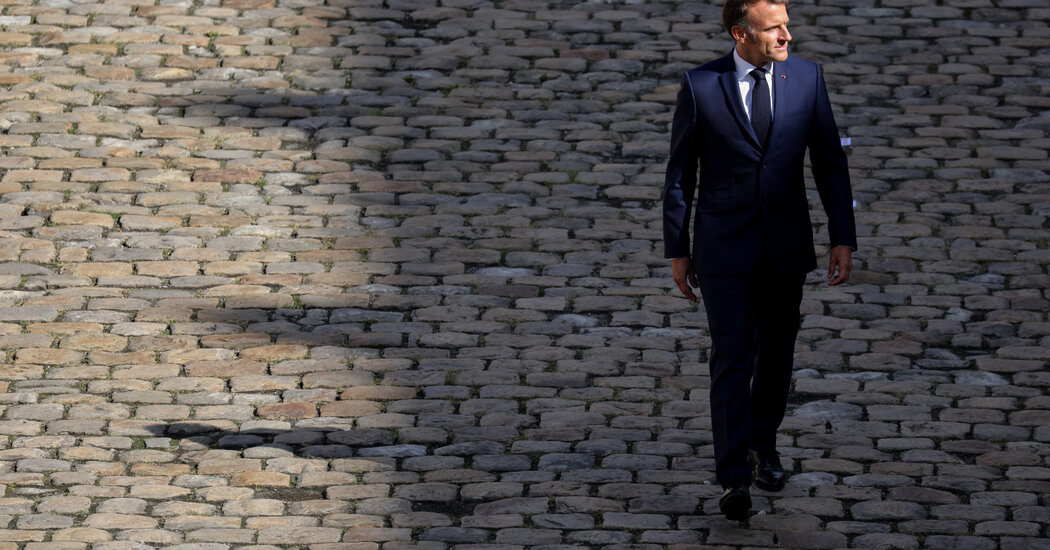
French President Emmanuel Macron faces a political crisis after the repeated collapse of his government, reflecting his growing frustration and weakened position as he approaches the end of his term, with his focus on asserting power in a world of strongmen.
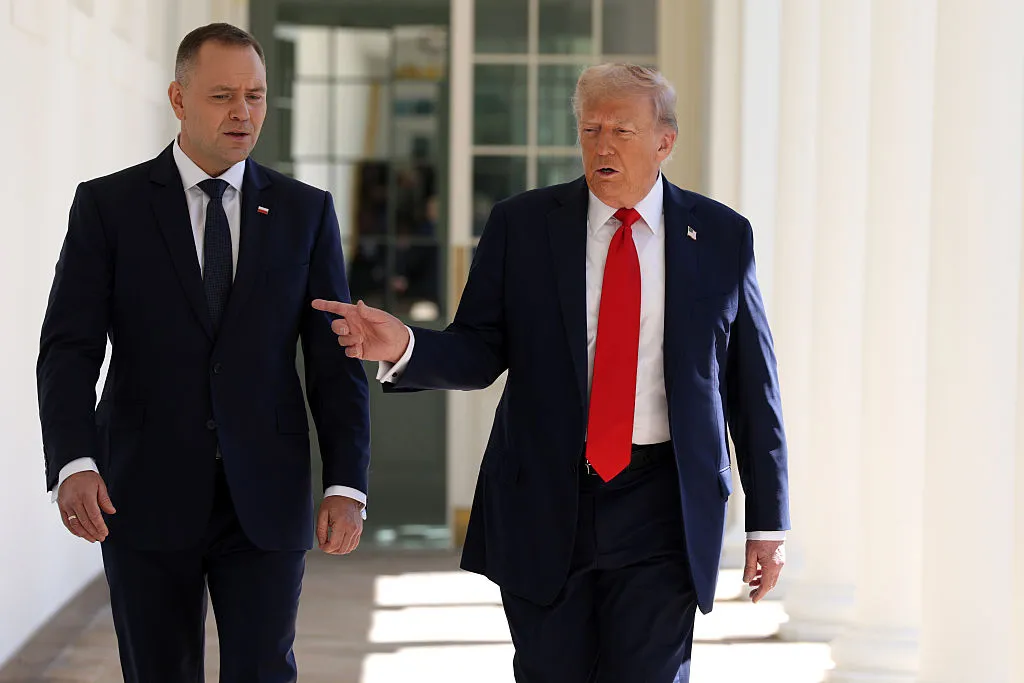
Karol Nawrocki, Poland's newly inaugurated president, known as a 'Polish Trump,' emphasizes national sovereignty, Christian values, and anti-immigration policies, aligning with a new wave of mature populist leaders in Europe. His meeting with President Trump highlights shared pro-nationalist and pro-growth views, signaling a potential strengthening of Poland-US relations and a shift in European political dynamics.
European Commission President von der Leyen faces a no-confidence vote after backing down on EU budget issues, with socialists planning to support her despite her concessions and a broader political debate on EU priorities and governance.
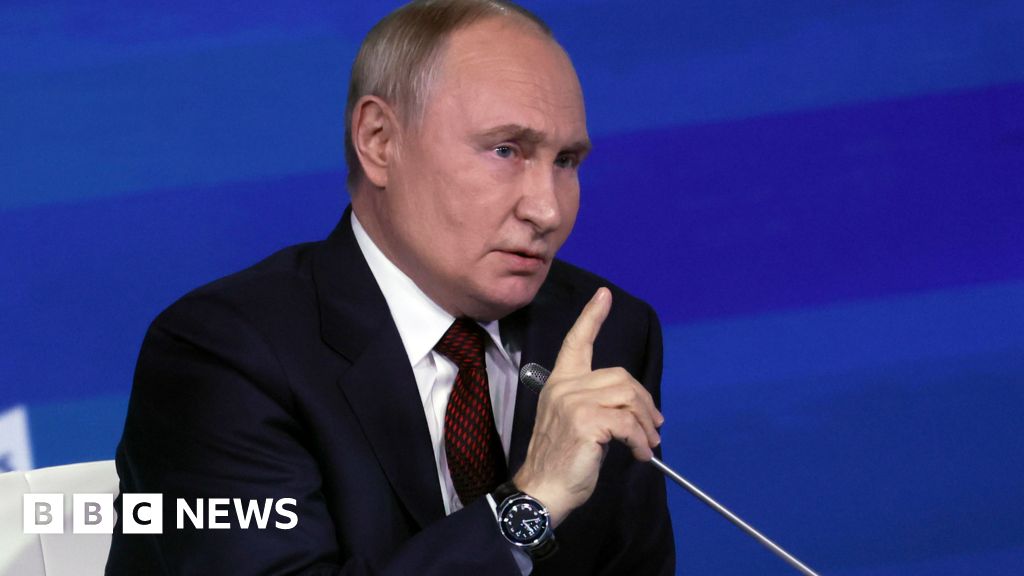
Russian President Vladimir Putin congratulated Donald Trump on his election victory, praising him as a 'courageous man' and expressing willingness to engage in discussions with him. Putin acknowledged Trump's claim of being able to end the war in Ukraine quickly, though Trump has not detailed his plan. Concerns have arisen in Europe and Ukraine about potential changes in US military aid to Kyiv under Trump's leadership. Meanwhile, European leaders, including UK Prime Minister Sir Keir Starmer, have reaffirmed their support for Ukraine, while Hungarian Prime Minister Viktor Orban highlighted upcoming trade challenges with the US.
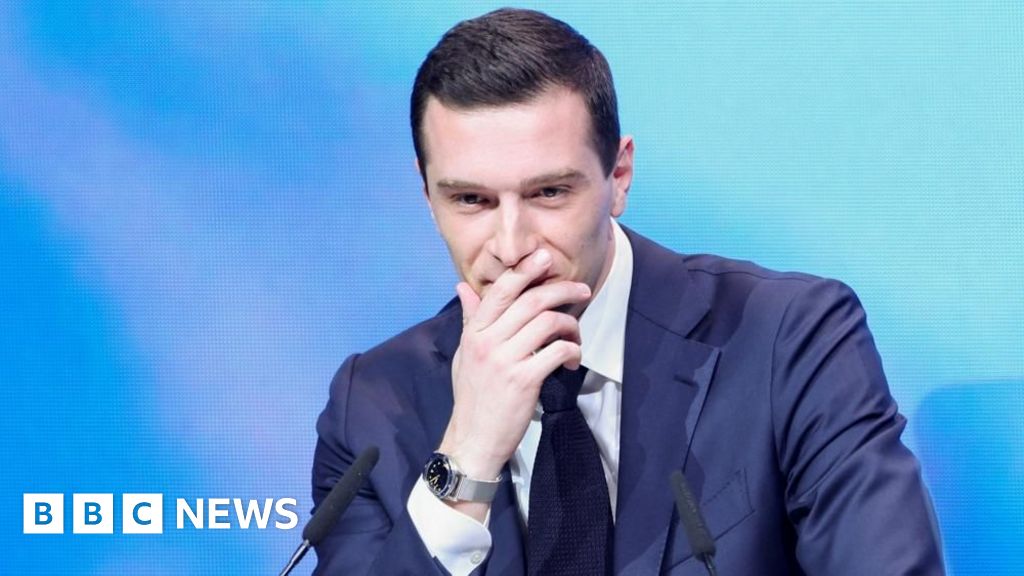
The upcoming European Parliament elections will reflect diverse national sentiments across 27 countries, with significant gains expected for right and far-right parties. Key issues include the rise of young far-right leaders in France, Belgium's potential dissolution, Poland's focus on national security amid Russia's war, and muted campaigns in Slovakia following an assassination attempt. Other notable developments include Austria's far-right surge, Italy's Giorgia Meloni solidifying her position, Germany's Scholz facing criticism over Ukraine, Hungary's Orban challenged by a new party, Spain's conservatives pressuring PM Sánchez, the Netherlands' political polarization, and Denmark's election as a test for its government.
Police have raided the offices of the European Parliament as part of an ongoing investigation into alleged Russian interference, dubbed 'Russiagate'. The probe aims to uncover potential corruption and influence within the EU's legislative body.
Far-right parties in Europe are gaining momentum ahead of the European elections in June, with leaders like Italy's Giorgia Meloni and France's Marine Le Pen aiming to expand their influence. Despite internal divisions and scandals, such as those involving Germany's AfD, these parties could secure a significant presence in the European Parliament. Meloni's European Conservatives and Reformists (ECR) group may even align with the center-right European People's Party, potentially shifting EU policies on issues like migration and green initiatives.