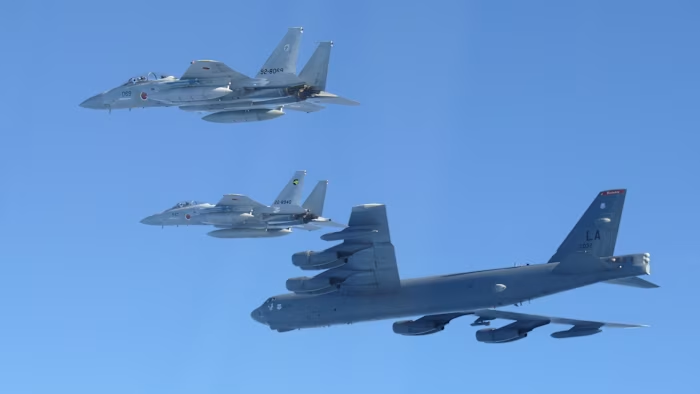
China has imposed an export ban on dual-use goods to Japan's military in response to Japanese comments about Taiwan, escalating tensions over sovereignty and military implications in the region.
Japan and China are engaged in a diplomatic dispute following controversial remarks by Chinese official Xue Jian on X, criticizing Japan's stance on Taiwan and past Japanese statements, leading Japan to protest and demand the deletion of the post. The incident highlights ongoing tensions in Japan-China relations amid recent diplomatic and military developments.
Peru declared Mexican President Claudia Sheinbaum unwelcome amid a diplomatic dispute over Mexico's granting of asylum to Peruvian opposition figure Betssy Chavez, leading Peru to sever diplomatic ties and review legal agreements, while both countries aim to maintain economic relations despite tensions.
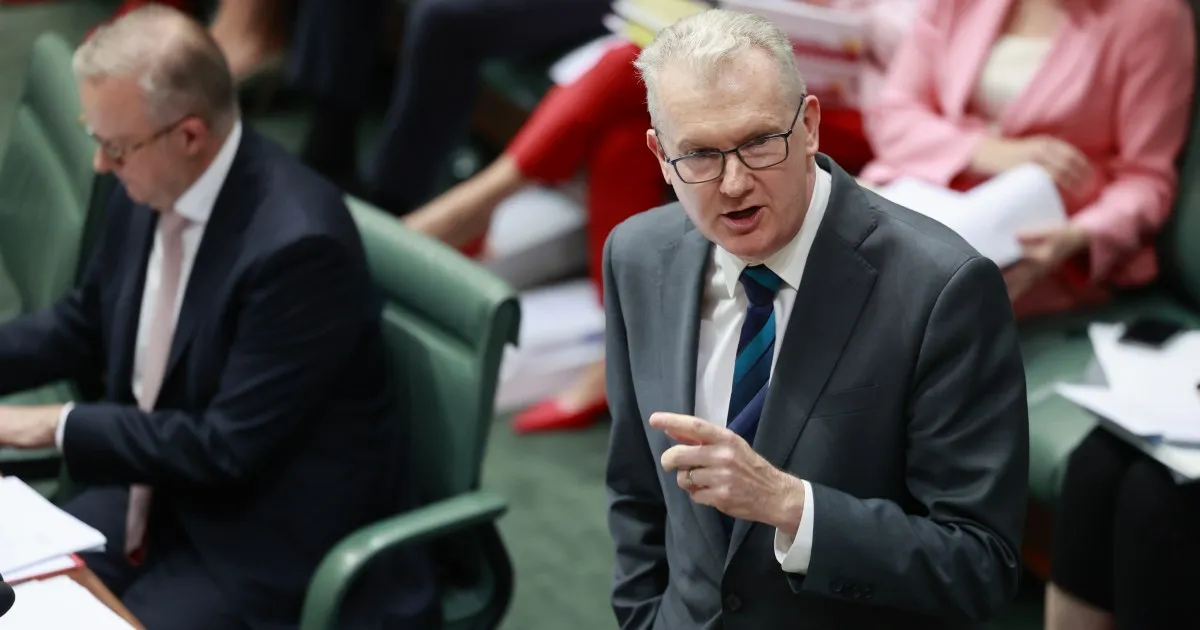
Australia has publicly criticized Israeli Prime Minister Benjamin Netanyahu's comments, emphasizing that strength is not measured by violence, amid escalating tensions over Gaza and Australia's recognition of a Palestinian state, leading to a deterioration in diplomatic relations between the two countries.
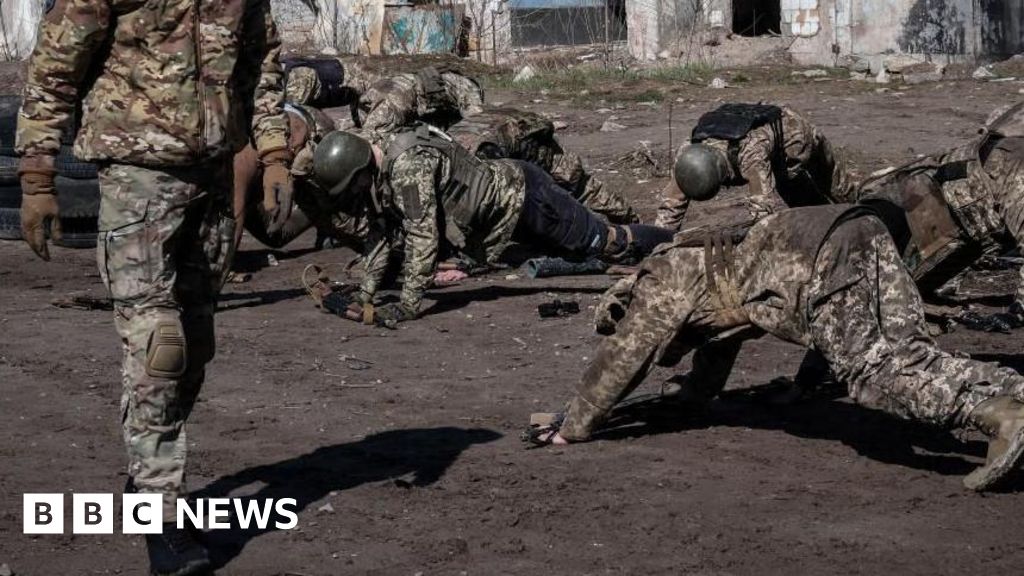
The death of a 45-year-old ethnic Hungarian in Ukraine, allegedly due to mistreatment during forced conscription, has sparked a diplomatic dispute between Hungary and Ukraine, highlighting concerns over human rights violations amid Ukraine's military mobilization efforts.
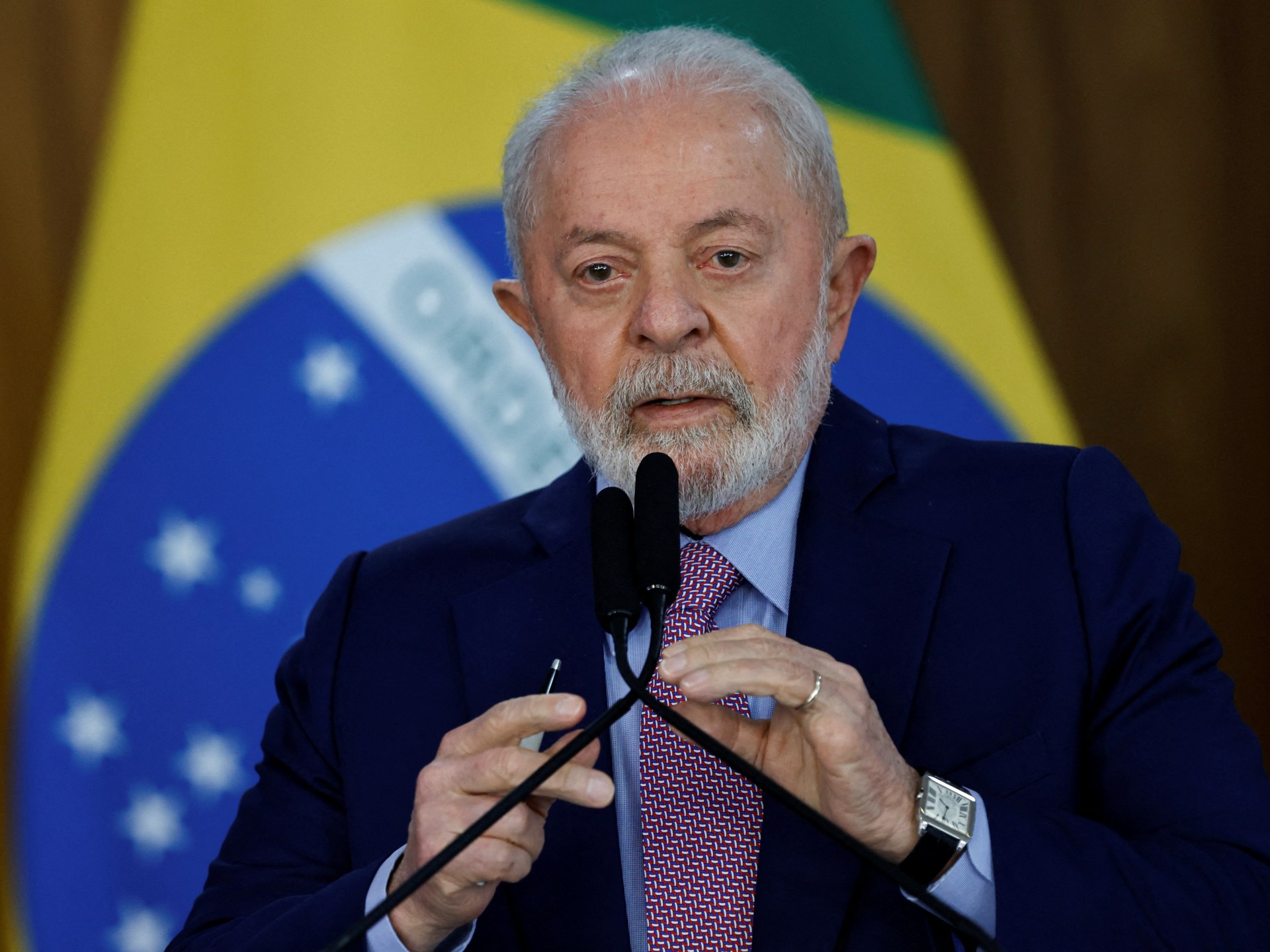
Colombia and Bolivia express solidarity with Brazil after President Lula da Silva's comments comparing Israel's actions in Gaza to the Holocaust, leading to a diplomatic row with Israel. Israeli Foreign Minister labels Lula's comments as "promiscuous" and declares him "persona non grata" in Israel, prompting Brazilian Foreign Minister to denounce the comments as "outrageous" and "unacceptable." The diplomatic spat escalates as ambassadors are summoned, and Lula's remarks come ahead of Brazil hosting a G20 foreign ministers' meeting.
The Indian government has criticized Canada for alleging Indian interference in Canadian elections and urged Ottawa to address India's concerns regarding terrorism and extremism. India also accused Canada of interfering in its internal affairs and rejected baseless allegations of meddling in Canadian elections. The diplomatic row comes amid a Canadian probe into alleged Indian involvement in the killing of a Canadian national, with India refusing to participate and expelling 41 Canadian diplomats.
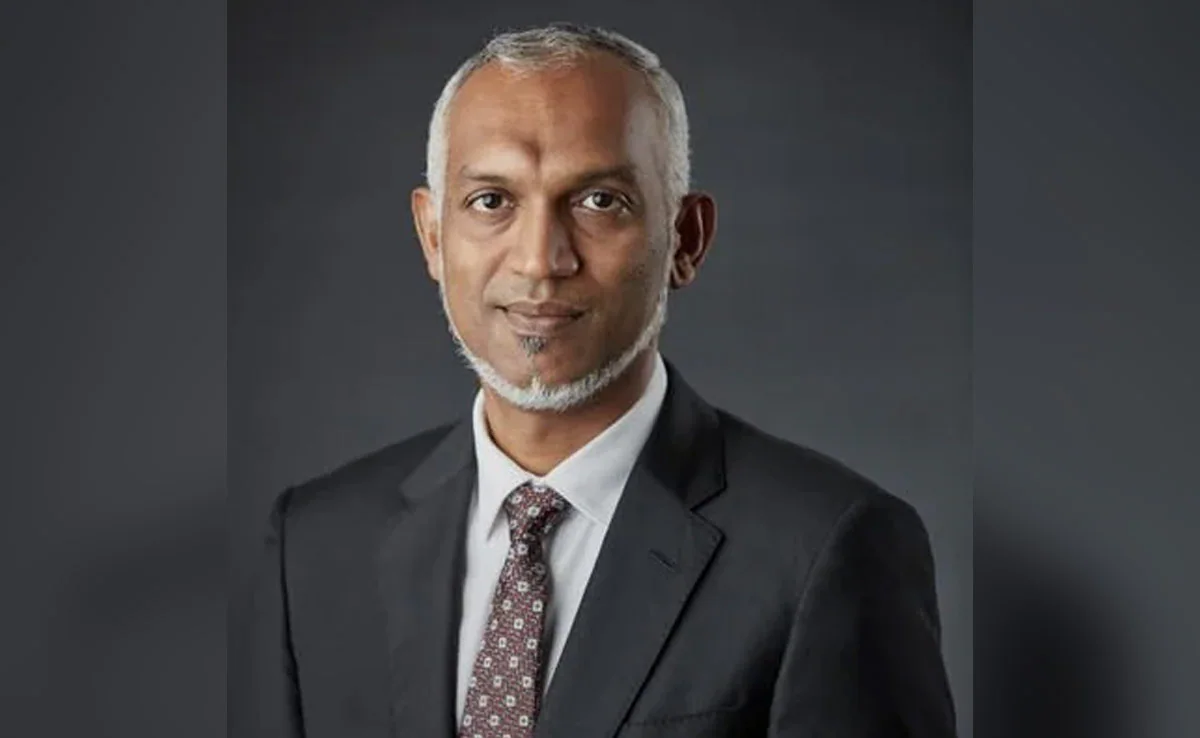
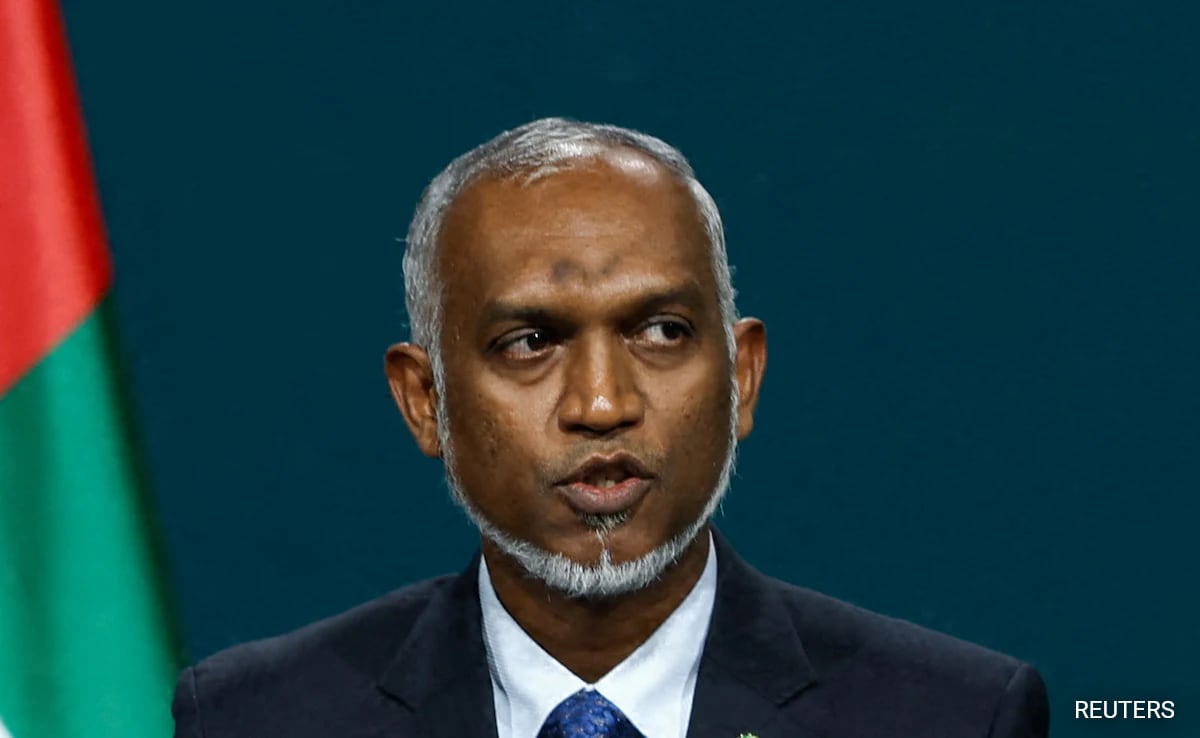
The Maldives has formally requested India to provide details of an incident in which its coast guard personnel allegedly boarded three Maldivian fishing vessels within its economic zone, leading to strained bilateral ties after President Mohamed Muizzu, seen as a pro-China leader, came to power. The Indian government intercepted the vessels within the Maldives' Special Economic Zone, prompting the Maldivian government to seek comprehensive details of the incident. Additionally, India and the Maldives have agreed on a timeline for the replacement of Indian military personnel operating aviation platforms in the Maldives.
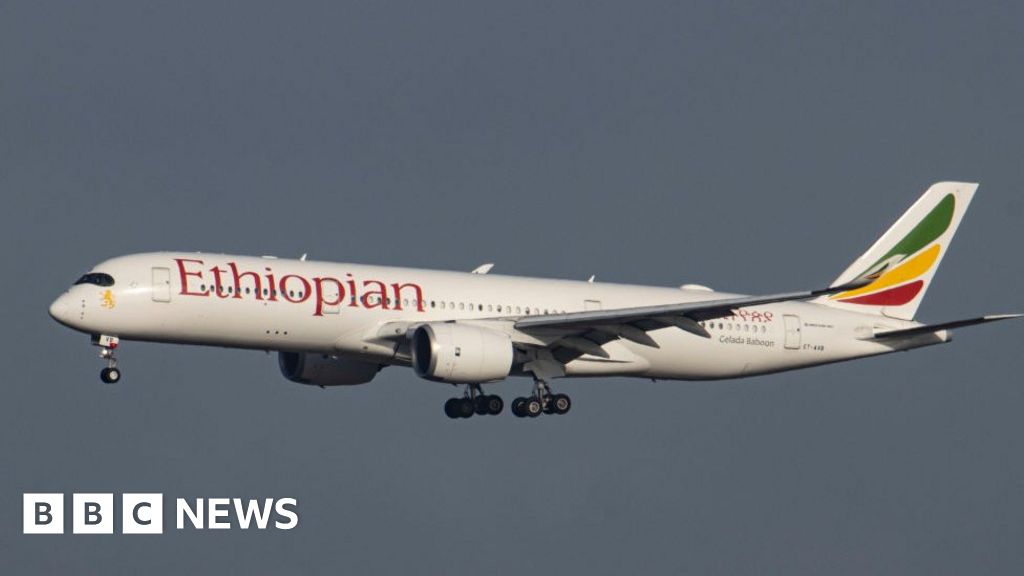
Somalia has turned away an Ethiopian plane carrying officials to Somaliland, escalating the diplomatic dispute between the two countries. The disagreement stems from a deal signed on 1 January, which would allow Somaliland to lease a port to Ethiopia in exchange for a stake in Ethiopian Airlines and potential recognition as a sovereign state. Somalia views Somaliland as part of its territory and has denounced the deal as an act of aggression. The US and the African Union have called for calm and affirmed Somalia's territorial integrity, while the Ethiopian government has not yet commented on the incident.
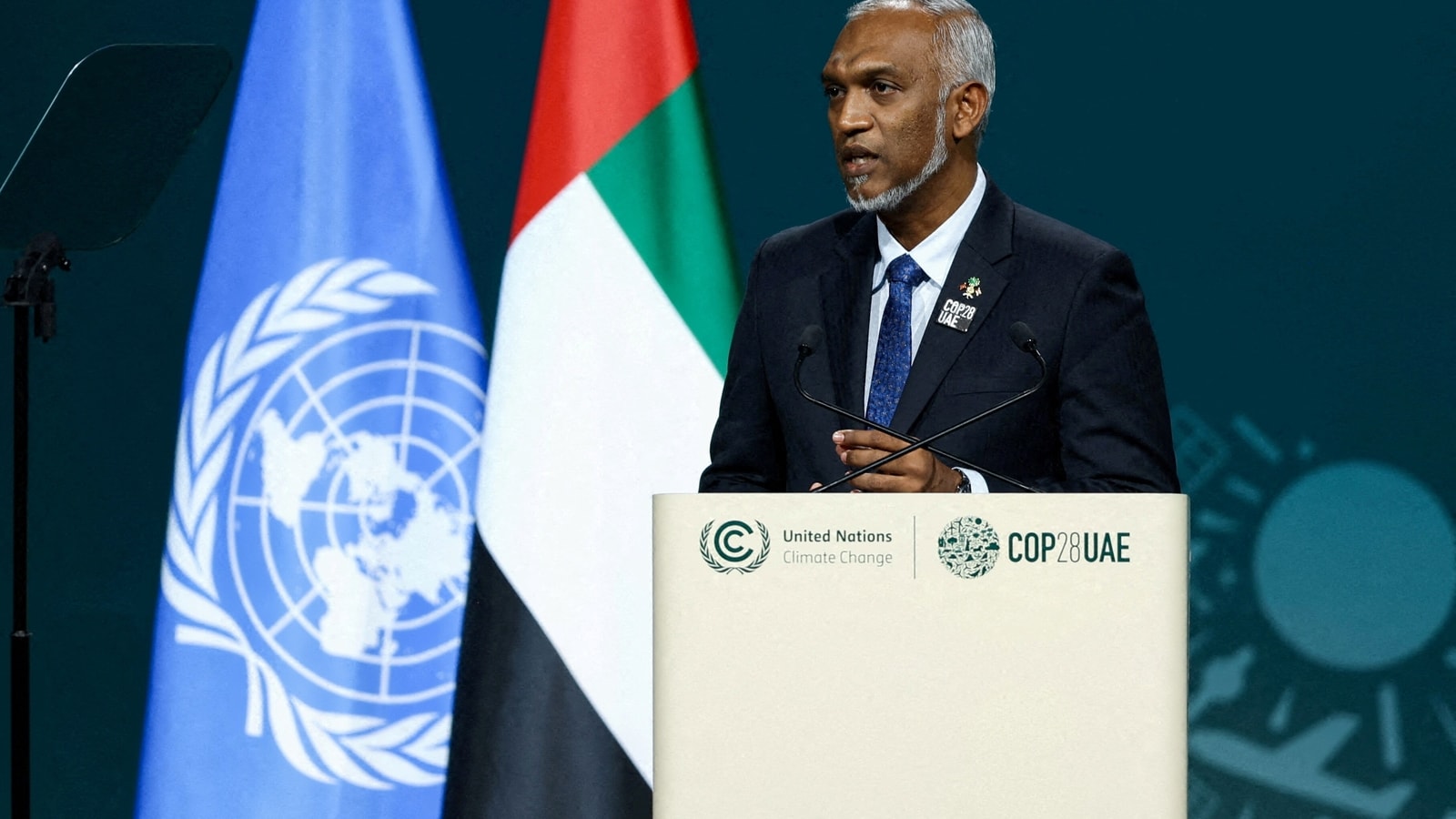
Maldives president Mohamed Muizzu requested China to increase tourist flow to the country amid a diplomatic spat with India, praising China as its "closest" ally and seeking investments for various projects. The request comes after derogatory remarks by Maldivian ministers against Indian Prime Minister Modi led to the suspension of three deputy ministers and condemnation from the Maldives Association of Tourism Industry. Muizzu emphasized the importance of diversifying the country's economic base and quick implementation of the Free Trade Agreement with China.
Maldives President Muizzu appealed to China to send more tourists to the island nation amid a backlash in India over derogatory remarks made by his ministers against PM Modi, prompting a massive boycott campaign. The suspended ministers' comments triggered a diplomatic row, leading to Indian travel portals and tourists calling for a boycott of Maldives and promoting Indian destinations instead. Muizzu, known for his pro-Beijing stance, is on a five-day visit to China and praised the Belt and Road Initiative while urging China to bolster tourist flow to the Maldives.
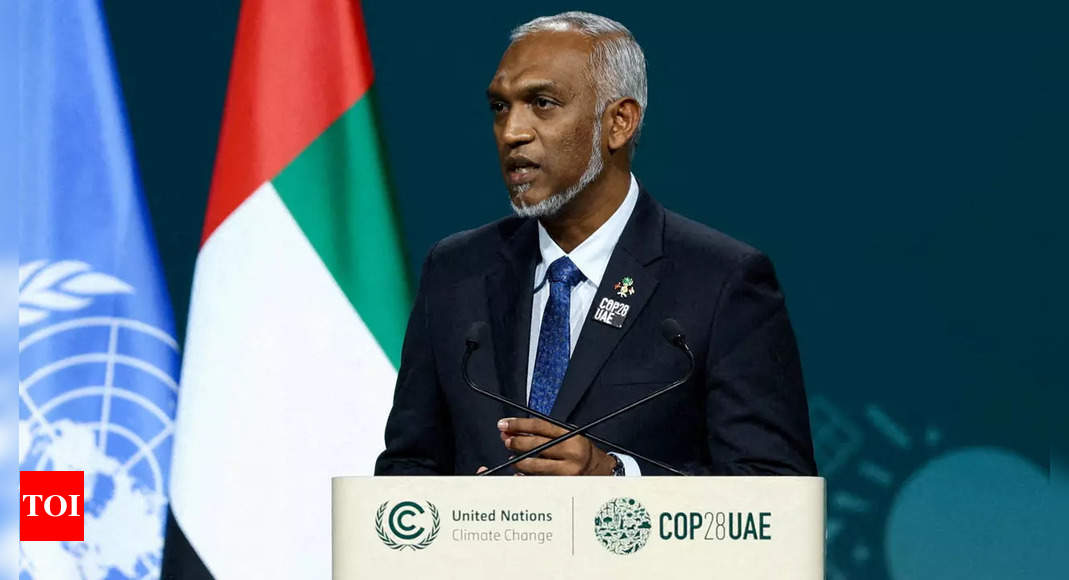
Maldives President Mohamed Muizzu urged China to increase tourist arrivals amid a diplomatic row with India, following derogatory remarks by Maldivian ministers against Indian Prime Minister Narendra Modi. Muizzu praised China as a close ally and sought investments for various projects, emphasizing the importance of diversifying the country's economic base. The appeal to China comes as Indian tourists canceled reservations, impacting the Maldives' tourism industry, which has historically relied on visitors from India and China.
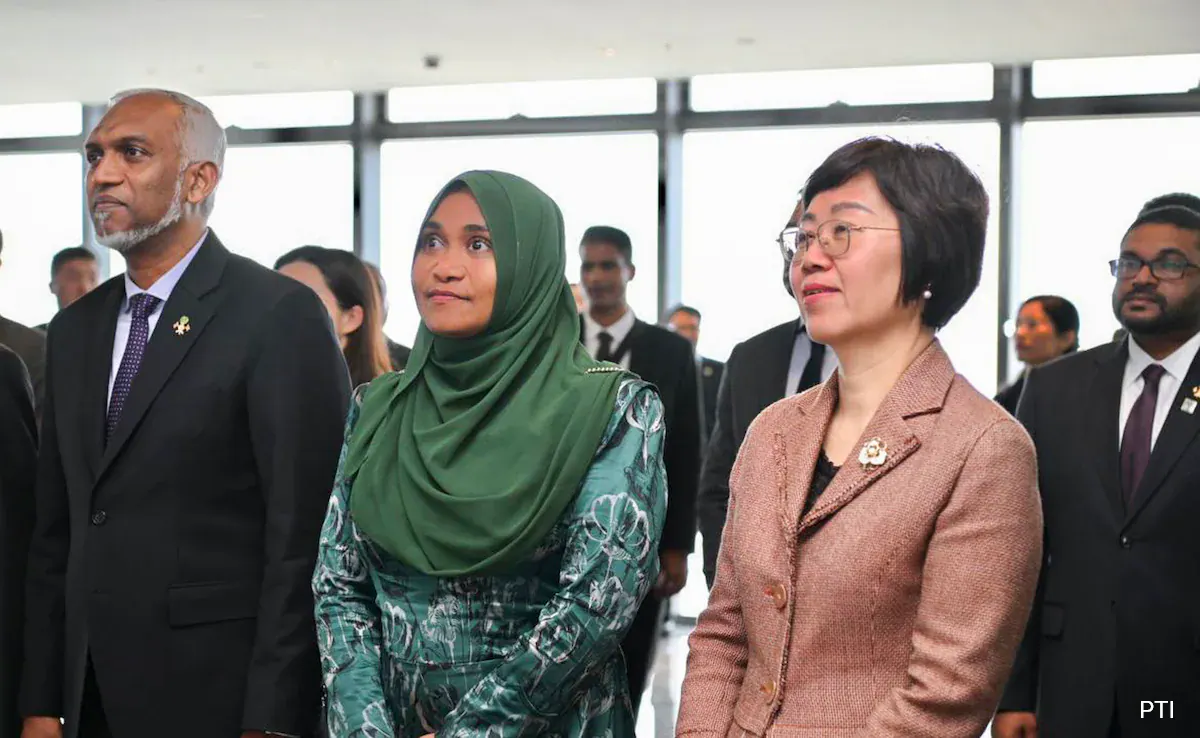
Maldives President Mohamed Muizzu's visit to China to sign bilateral agreements comes amid strained ties with India, following derogatory comments by three ministers on Prime Minister Narendra Modi's visit to Lakshadweep. China's state media called for an "open-minded" approach to South Asian issues and emphasized its respect for the Maldives' sovereignty and its friendly relationship with India. The visit signals a shift towards China, as Mr Muizzu, seen as a pro-China politician, defeated his India-friendly predecessor. China aims to strengthen its influence in the Maldives through major infrastructure projects and trilateral cooperation with India.
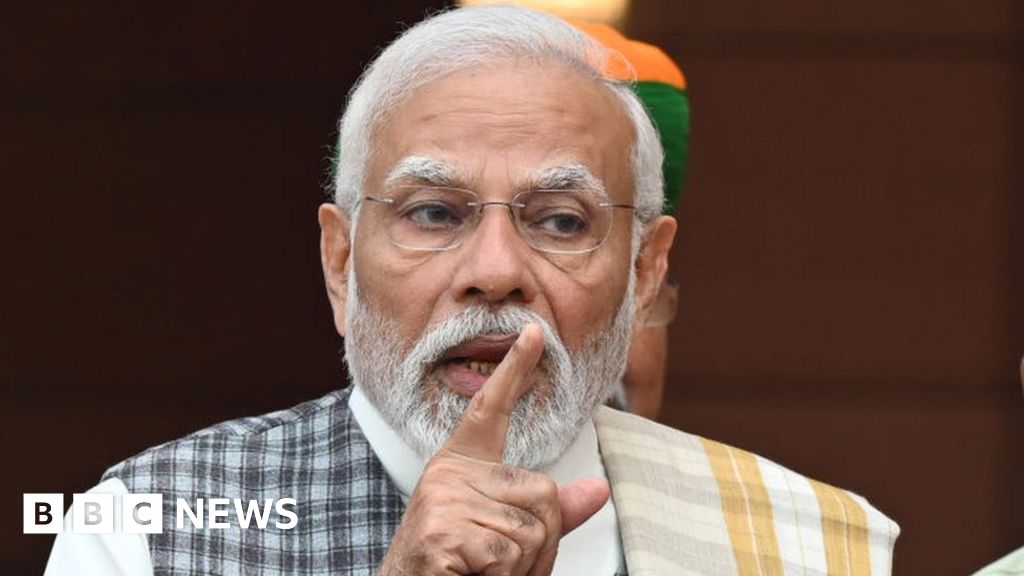
Indian Prime Minister Narendra Modi has addressed the allegations of India's alleged links to an assassination plot in the US, stating that India will investigate any evidence provided. In November, the US charged an Indian man with conspiring to murder a Sikh separatist leader in New York. The target of the assassination attempt, Gurpatwant Singh Pannun, is a dual US-Canadian citizen and a vocal supporter of the Khalistan movement. India has designated Pannun as a terrorist, but he denies the allegation. The recent accusations of extra-judicial killings of Sikh separatists have strained India's ties with the US, but Modi expressed confidence in the upward trajectory of the relationship, emphasizing the strong bipartisan support for strengthening the partnership.
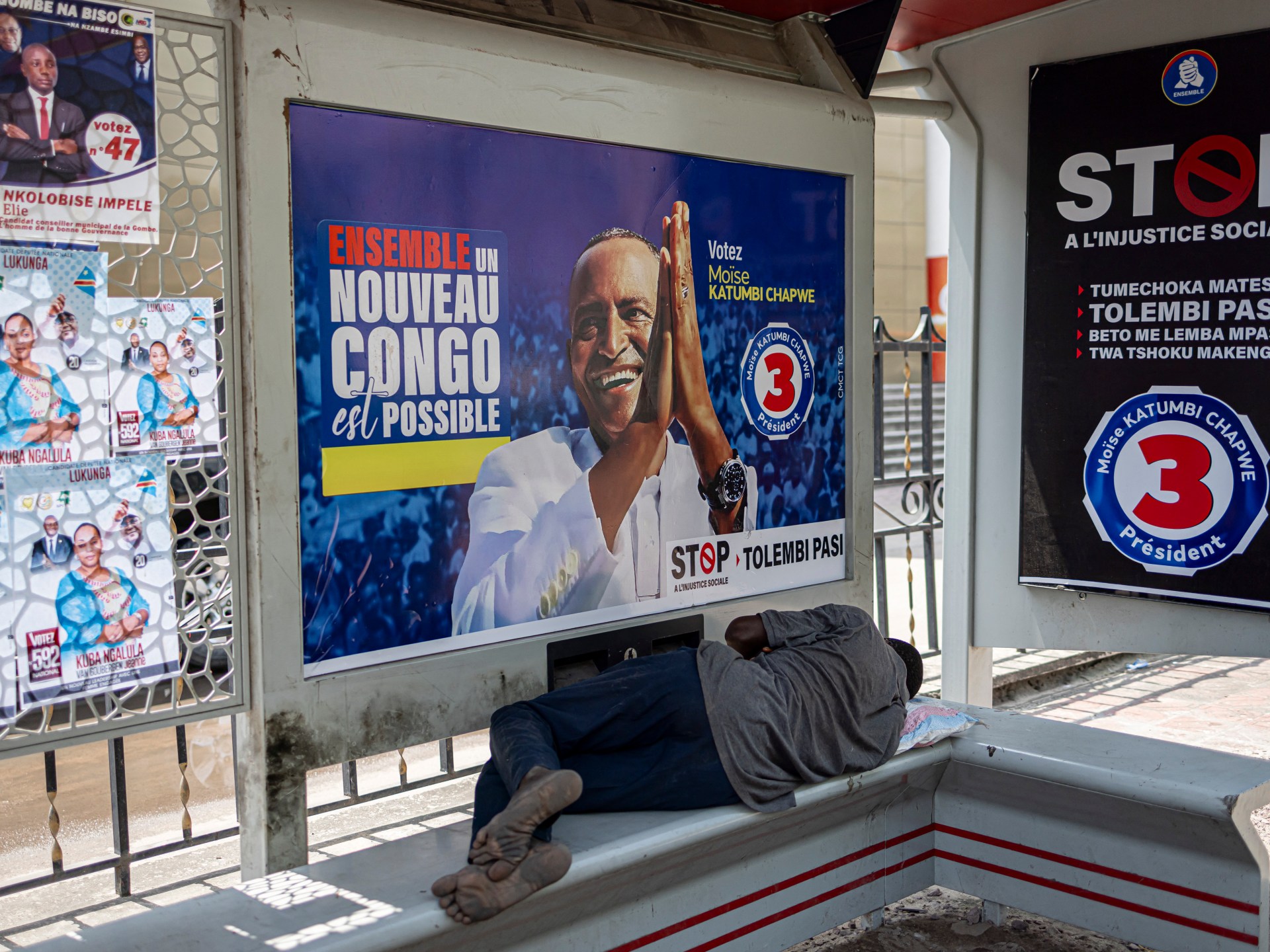
Kenya has "strongly disassociated" itself from a Congolese opposition figure who formed an alliance with rebels in Nairobi, leading to a diplomatic dispute with Kinshasa. The alliance, called the Congo River Alliance, includes DRC politicians and the M23 rebels, who have seized territory in eastern DRC. In response, DRC recalled its ambassadors to Kenya and Tanzania. The diplomatic row comes amid security tensions ahead of the December 20 presidential elections in the DRC, which has been plagued by civil strife. The formation of the alliance raises concerns in a region already affected by insecurity and ethnic rivalries.