Denmark summoned the U.S. ambassador after reports suggested American nationals with ties to Trump were conducting covert influence operations in Greenland, amid tensions over U.S. interests in the Arctic territory. The U.S. and Danish officials emphasized strong relations and denied any official U.S. government involvement, while Denmark's security services acknowledged potential influence campaigns targeting Greenland.

Denmark summoned the US envoy after reports that US citizens linked to the Trump administration conducted covert influence operations in Greenland, raising concerns over foreign interference and sovereignty issues amid strategic interests in the Arctic.
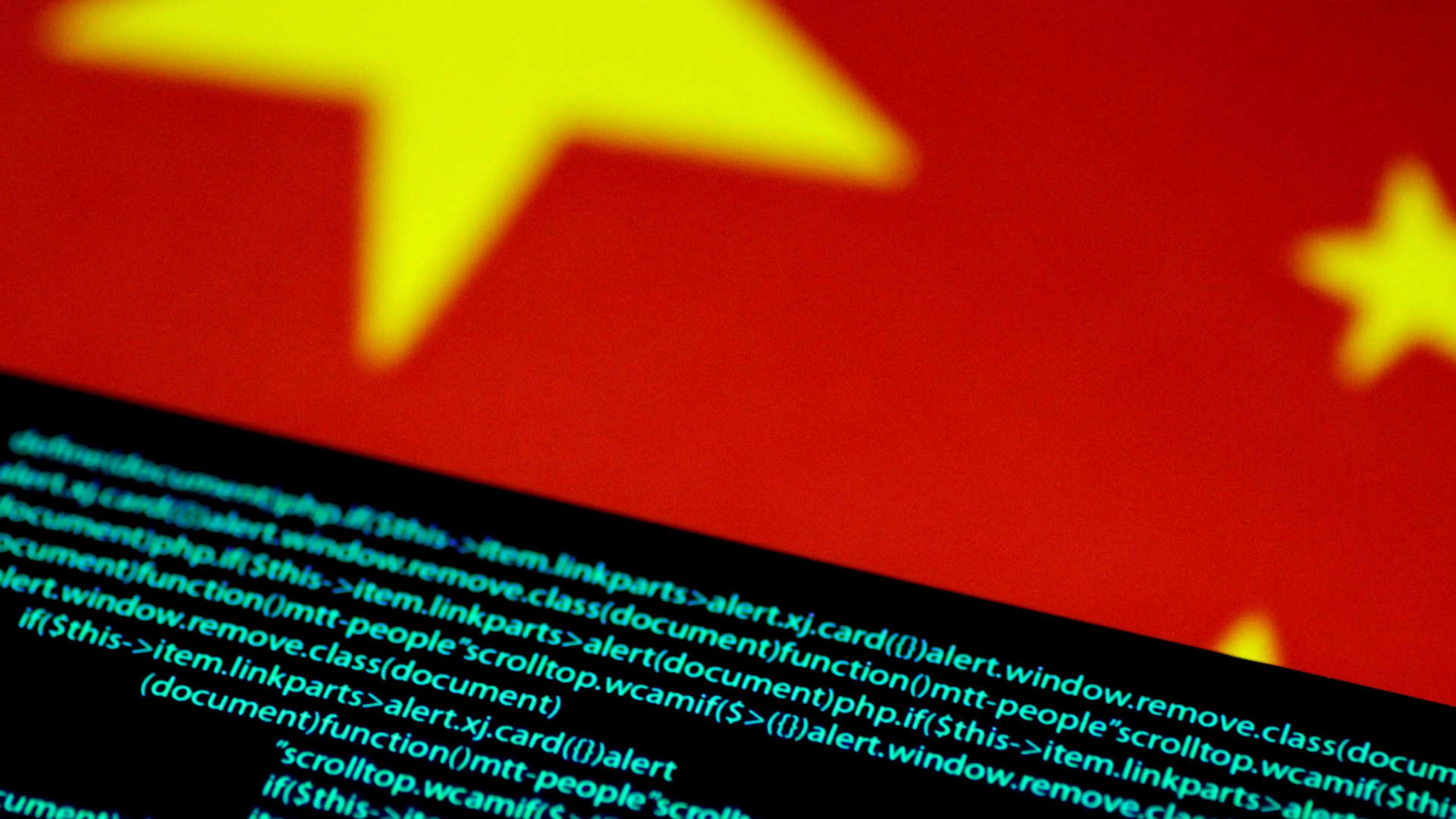
OpenAI has dismantled 10 influence operations using its AI tools, with four likely linked to China, involving social media manipulation, internal document creation, and intelligence gathering, highlighting China's increasing online influence efforts.
OpenAI has disrupted five covert influence operations that attempted to misuse its AI models for deceptive activities, including generating fake comments and articles on various political issues. These operations involved actors from Russia, China, Iran, and Israel and aimed to manipulate public opinion. OpenAI emphasized that these campaigns did not gain significant engagement and announced the formation of a Safety and Security Committee to oversee future AI model training.
OpenAI has taken down influence operations from Russia, China, Iran, and Israel that used its AI tools to manipulate public opinion. Despite the advanced technology, these operations struggled to gain significant traction. The report highlights the growing use of AI in online manipulation and the need for vigilance against such threats.
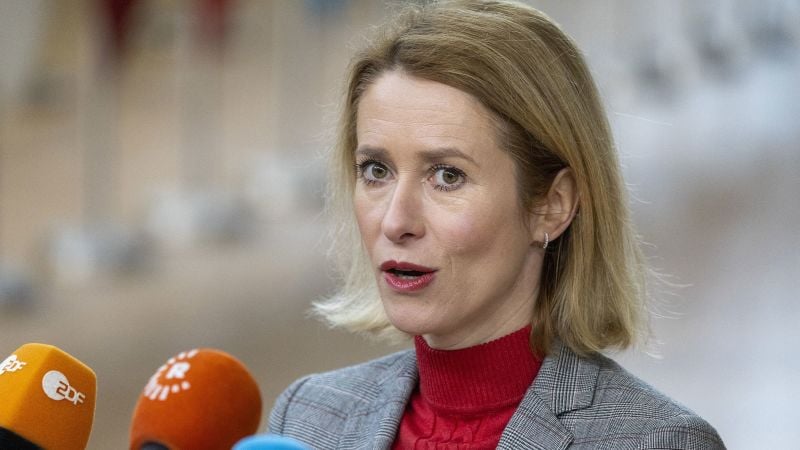
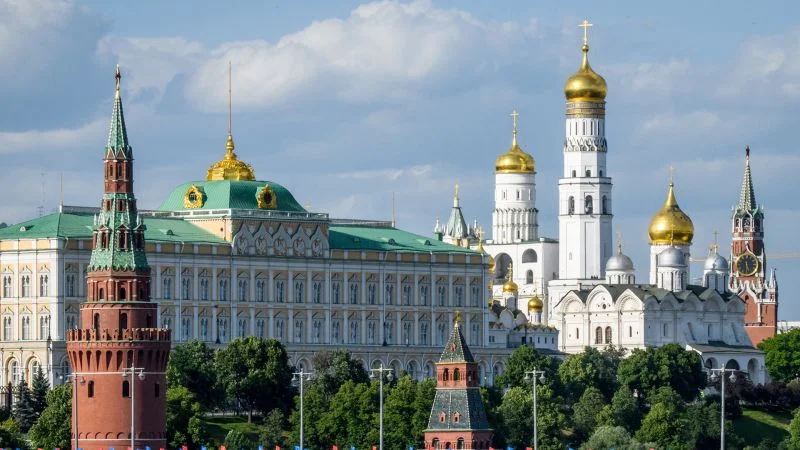
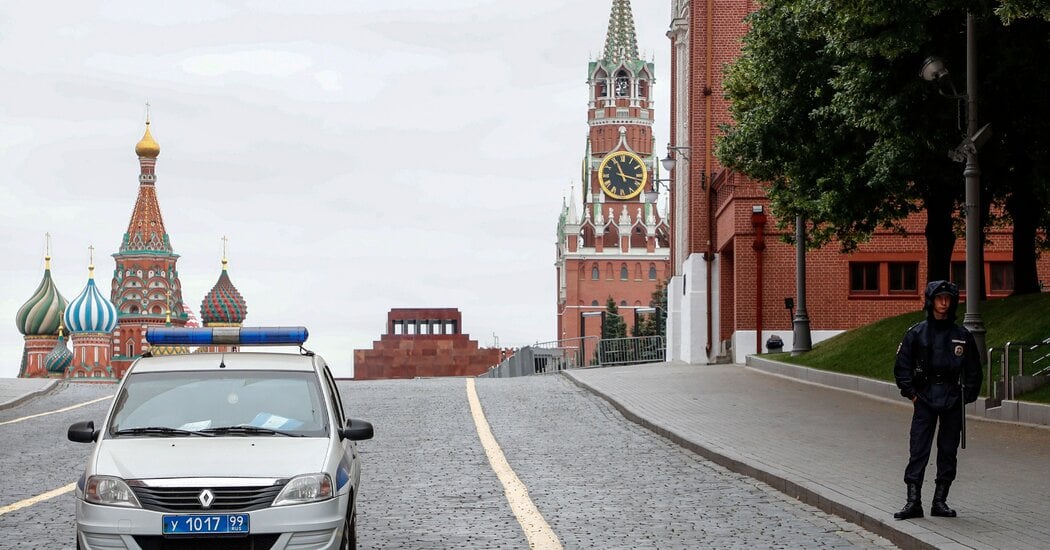
Estonian Prime Minister Kaja Kallas revealed that Estonia thwarted a Russian-directed influence operation involving attacks on officials and monuments. The operation, coordinated with Russian security services, aimed to spread fear and tension in Estonian society. The 10 suspects, including Russian and Estonian nationals, were arrested for acting on behalf of a Russian special service. Kallas emphasized the need to make these events public to counter their intended impact. Estonia, a NATO ally, has been a target of Russian influence due to its substantial Russian-speaking minority, and the Kremlin is reportedly involved in shaping influence operations in neighboring countries.
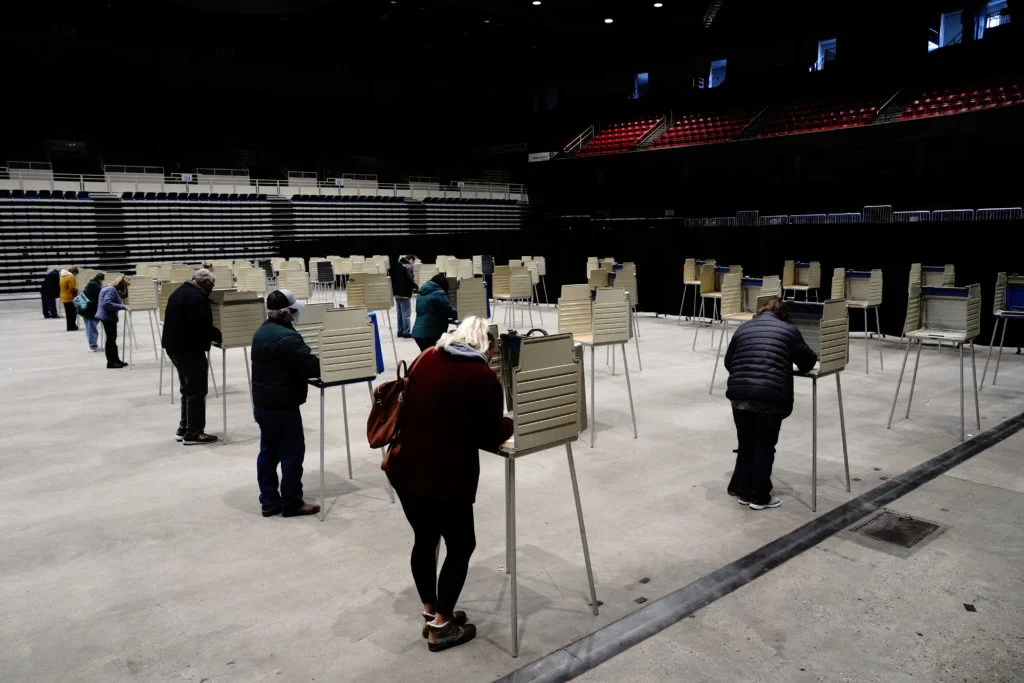
A declassified intelligence report reveals that China attempted to influence specific races in the 2022 U.S. midterm elections, adopting a more aggressive approach to exploit societal divisions and counter candidates deemed "anti-China." The report suggests that China sees its actions as a response to perceived U.S. efforts to promote democracy at China's expense. While China denies the allegations, the report also highlights Russia's attempts to undermine the Democratic Party and support for Ukraine, while Iran aimed to exploit social divisions and undermine confidence in U.S. democratic institutions. The level of foreign activity exceeded that of the 2018 midterms but was not at the level seen in a presidential election year.
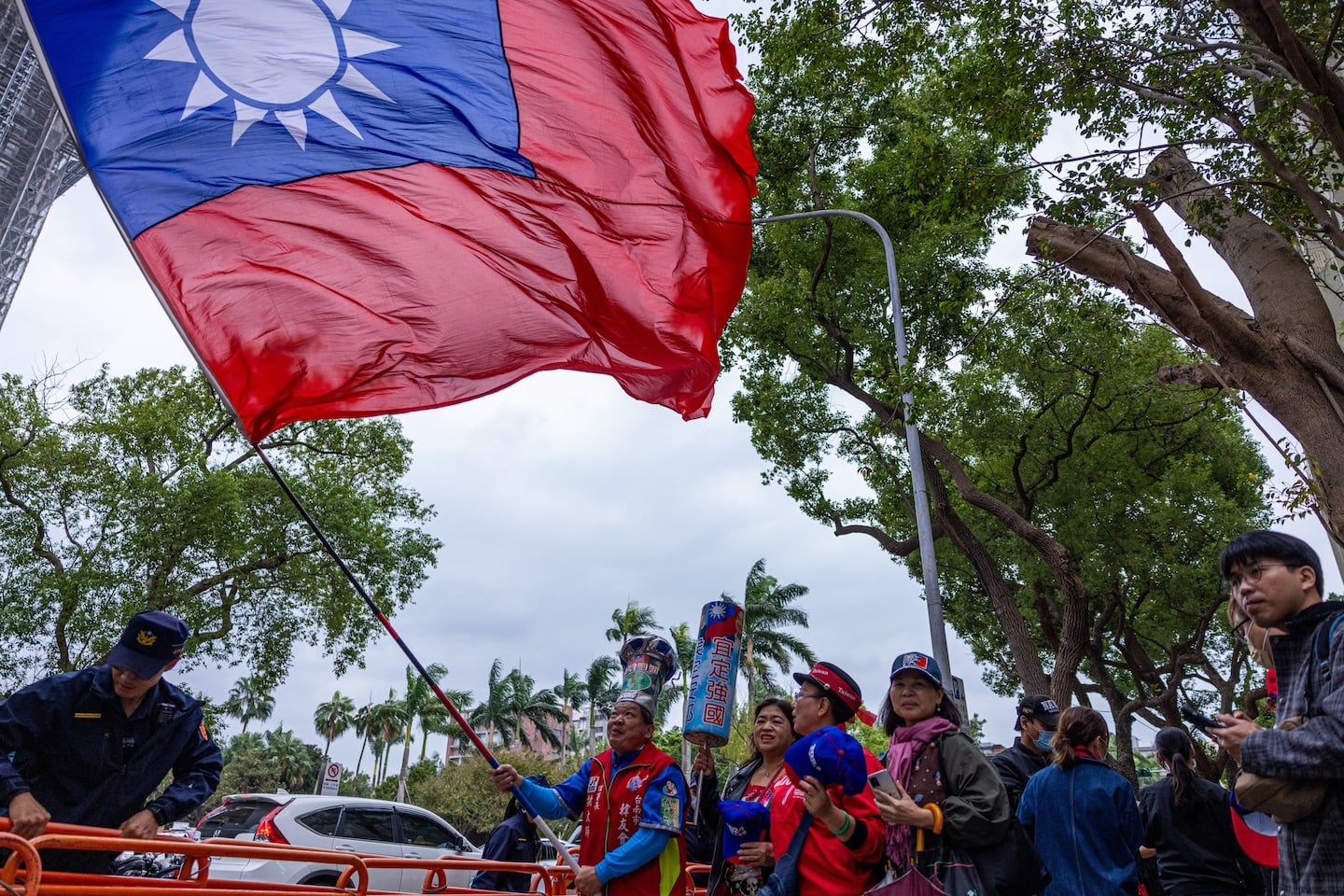
Researchers have uncovered a campaign aimed at manipulating online conversations about the upcoming elections in Taiwan. The campaign involved hundreds of fake social media accounts on platforms like Facebook, TikTok, and YouTube, and utilized Chinese-language memes and videos to favor the political party in Taiwan that is considered more pro-China while criticizing its main rival. The operation featured tactics such as using stolen profile pictures and emphasizing stories about an egg shortage. While the tech platforms have removed most of the activity, experts warn that more influence operations are likely to come ahead of the 2024 election.
The United States has issued a warning to nearly 100 countries, stating that Russian intelligence is intensifying its efforts to undermine democracies by spreading doubts about the legitimacy of elections and vote-counting. The U.S. believes that Russia is capitalizing on the success of amplifying lies about election fraud during the 2020 U.S. presidential election. The warning comes ahead of next year's U.S. presidential elections and other democratic elections worldwide. The U.S. has identified 11 contests in nine countries where Russia engaged in a concerted effort to undermine confidence in election outcomes. The U.S. recommends countering these influence operations with fact-based messaging, public disclosure of efforts to undermine democracy, and possible sanctions or removal of bad actors.
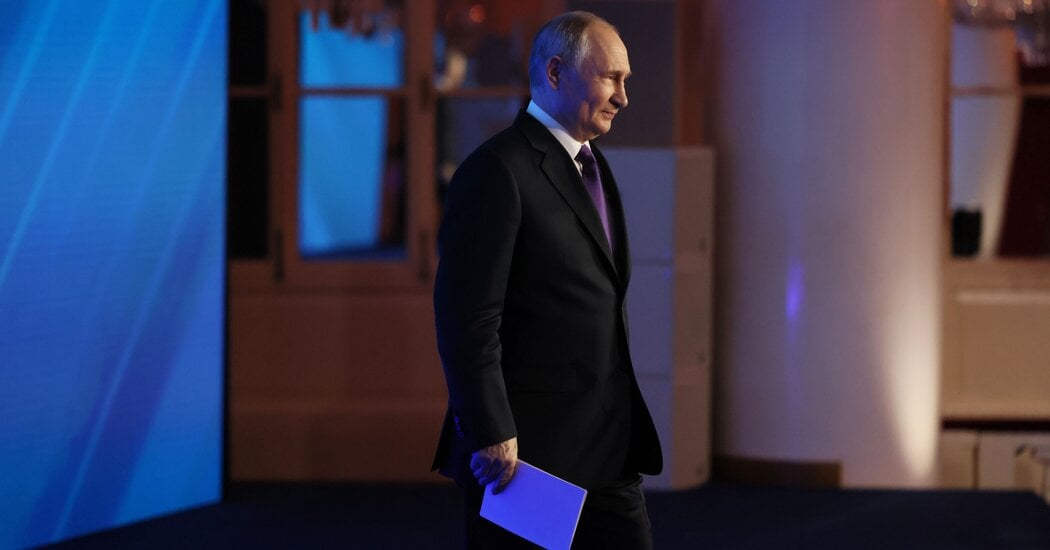
U.S. officials believe that Russian President Vladimir Putin plans to end U.S. and European support for Ukraine by using spy agencies to push propaganda supporting pro-Russian political parties and stoking conspiracy theories with new technologies. Russia aims to increase support for candidates opposing Ukraine aid, ultimately seeking to halt international military assistance to Kyiv. Moscow may also try to boost pro-Russian candidates in Europe and influence the European parliamentary vote. American intelligence agencies warn that Russia is better than any other country at combining state media, private troll farms, and intelligence service operations to attack in the digital space. Underestimating Russia's ability to conduct influence operations would be a mistake, as it could escalate its efforts if influence operations fail to gain traction.
Meta, the parent company of Facebook and Instagram, has announced that it disrupted a massive disinformation campaign linked to Chinese law enforcement, which it describes as the "largest known cross-platform covert influence operation in the world." The campaign involved over 7,700 accounts and 930 pages on Facebook, spreading positive posts about China and negative commentary about the US, as well as disinformation about the origins of Covid-19. The network was present on various social media platforms and was linked to individuals associated with Chinese law enforcement. While the campaign had a large following, most of the followers were inauthentic. Meta's cybersecurity team is prepared to identify and disrupt further influence networks in the lead-up to the 2024 elections.
Newly declassified US intelligence reveals that Russian intelligence, specifically the Federal Security Service (FSB), is running a systematic program to launder pro-Kremlin propaganda through private relationships with unwitting US and Western individuals. The FSB aims to influence public opinion and policy in the West by directing Russian civilians to build relationships with influential individuals and disseminate narratives that support Kremlin objectives. These influence operations are designed to appear organic and are often successful in planting Russian narratives in the Western press. The individuals involved are typically unaware of their role in spreading Russian propaganda. The intelligence provides examples of Russian civilians acting as "co-optees" for the FSB, with their activities being financed and directed by the intelligence agency.
A newly declassified American intelligence analysis reveals that Russian spy agencies are employing influence laundering techniques to conceal their involvement in spreading pro-Russia and anti-Ukraine messages in the United States and Europe. The analysis highlights how Russian intelligence services, particularly the Federal Security Service (F.S.B.), are covertly using allies within supposedly independent organizations to disseminate propaganda and establish connections with emerging leaders, with the aim of exerting long-term influence. These efforts go beyond the short-term tactics employed during the 2016 U.S. election and focus on cultivating a network of young leaders who will support Russia or promote pro-Russia narratives in their respective countries.
Microsoft warns that a hacking group with ties to the Russian government is preparing new cyberattacks on Ukraine's infrastructure and government offices, suggesting that Russia's spring offensive could include action in cyberspace. Russia is also stepping up influence operations outside Ukraine to weaken European and American support for continuing military aid to the Ukrainian government. Ukrainian defenses remain strong, but they are seeing more than 10 cyberattacks per day, with Russian hackers focused on the energy sector, logistic facilities, military targets, and government databases.