A former HSBC trader, Mark Johnson, who was convicted in the US for alleged forex manipulation, has had his conviction overturned after a nine-year legal battle, with the court ruling that his actions were consistent with industry practices and not illegal.
The BIS Bulletin discusses the growing linkages between stablecoins and traditional finance, highlighting policy challenges such as financial stability risks, concerns over monetary sovereignty, and the need for tailored regulations due to the unique features of stablecoins.
Reuters will not publish a foreign exchange report during U.S. hours on Monday, May 27, due to a public holiday. Reports will resume in Asian trading hours on Tuesday, May 28.
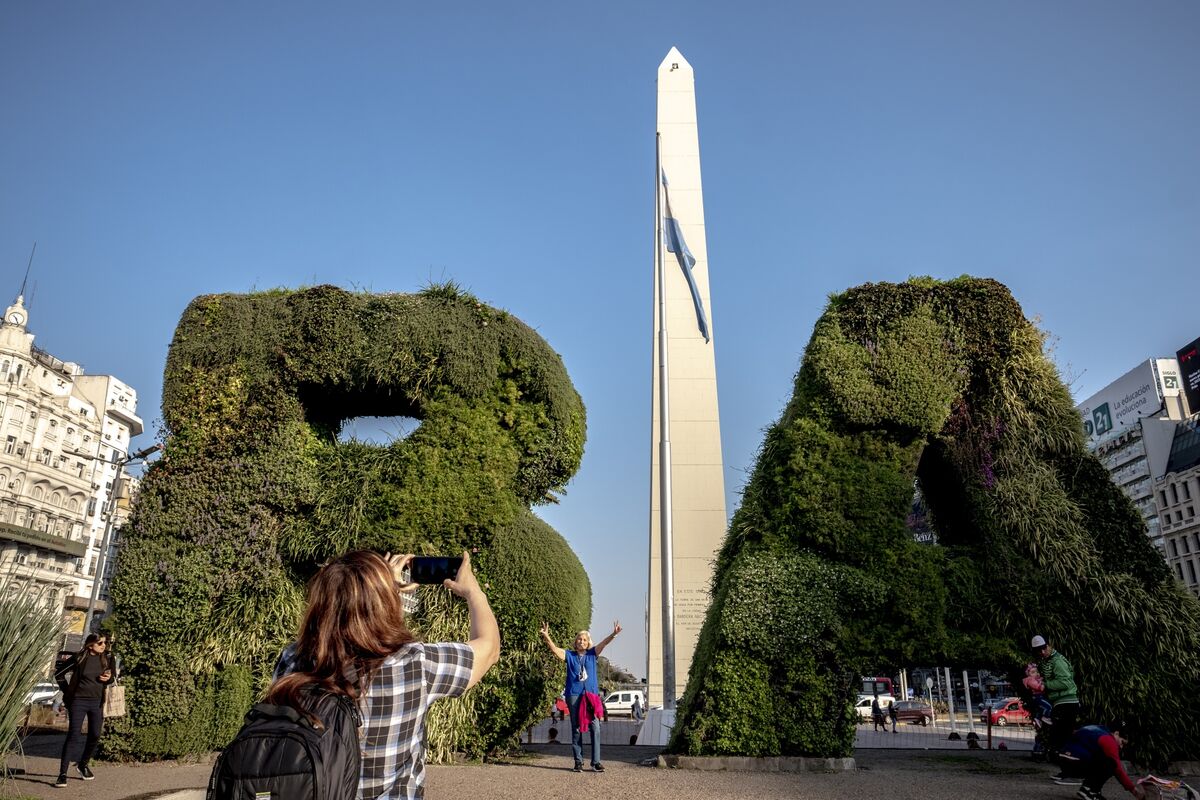
Argentina's tourism industry is facing a slowdown due to surging inflation and a narrower foreign exchange gap, with scenes of South Americans visiting the country for its cheap cost of living reversing. President Javier Milei's policies have led to a decline in consumer spending at home, prompting Argentines to cross the border into Chile, while annual inflation has accelerated to 288% in March.
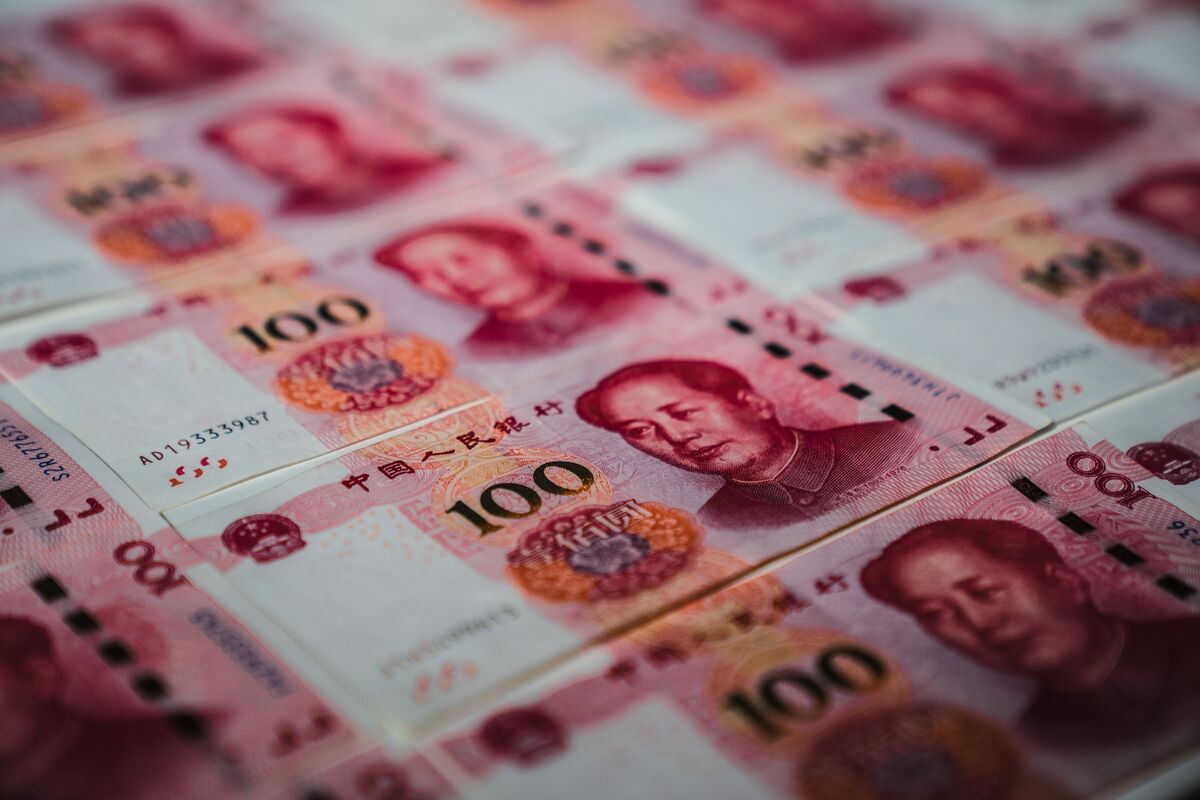
China is maintaining its defense of the yuan against potential weakness, as the People's Bank of China keeps the daily reference rate for the currency largely unchanged, signaling the importance of yuan stability amid pressure from a strong dollar and negative investor sentiment.
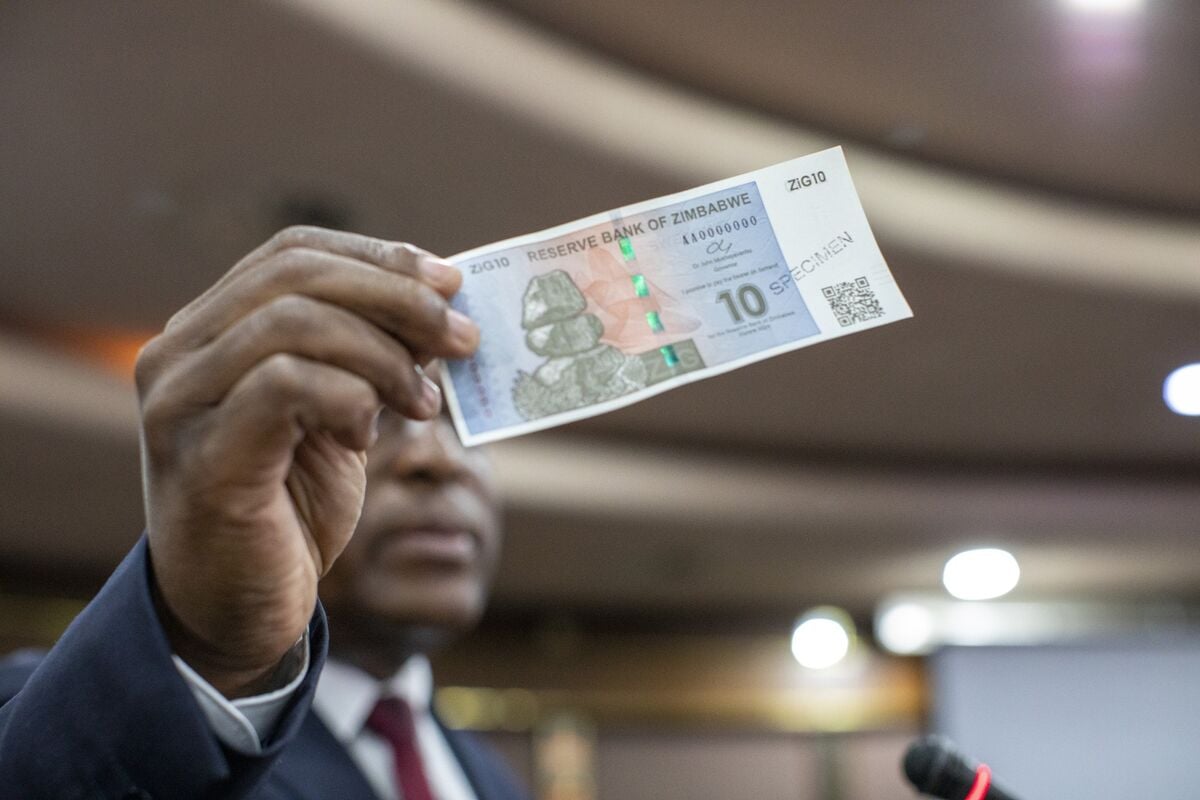
Zimbabwe has replaced its local dollar with a new currency called ZiG, backed by a mix of foreign currency and gold, in an effort to stabilize its economy. The new currency will be launched on April 8 at a rate of 13.56 per dollar and will have an initial interest rate of 20%.
The Nigerian government has demanded nearly $10bn in compensation from cryptocurrency firm Binance, alleging manipulation of foreign exchange rates and untraceable fund transfers, which have contributed to the naira's significant devaluation. Two Binance executives were arrested, and the government has suspended several cryptocurrency firms in an effort to stabilize the currency and curb illicit activities. Nigeria, a major cryptocurrency market, has seen increased scrutiny on cryptocurrency transactions amid concerns about money laundering and funding terror.
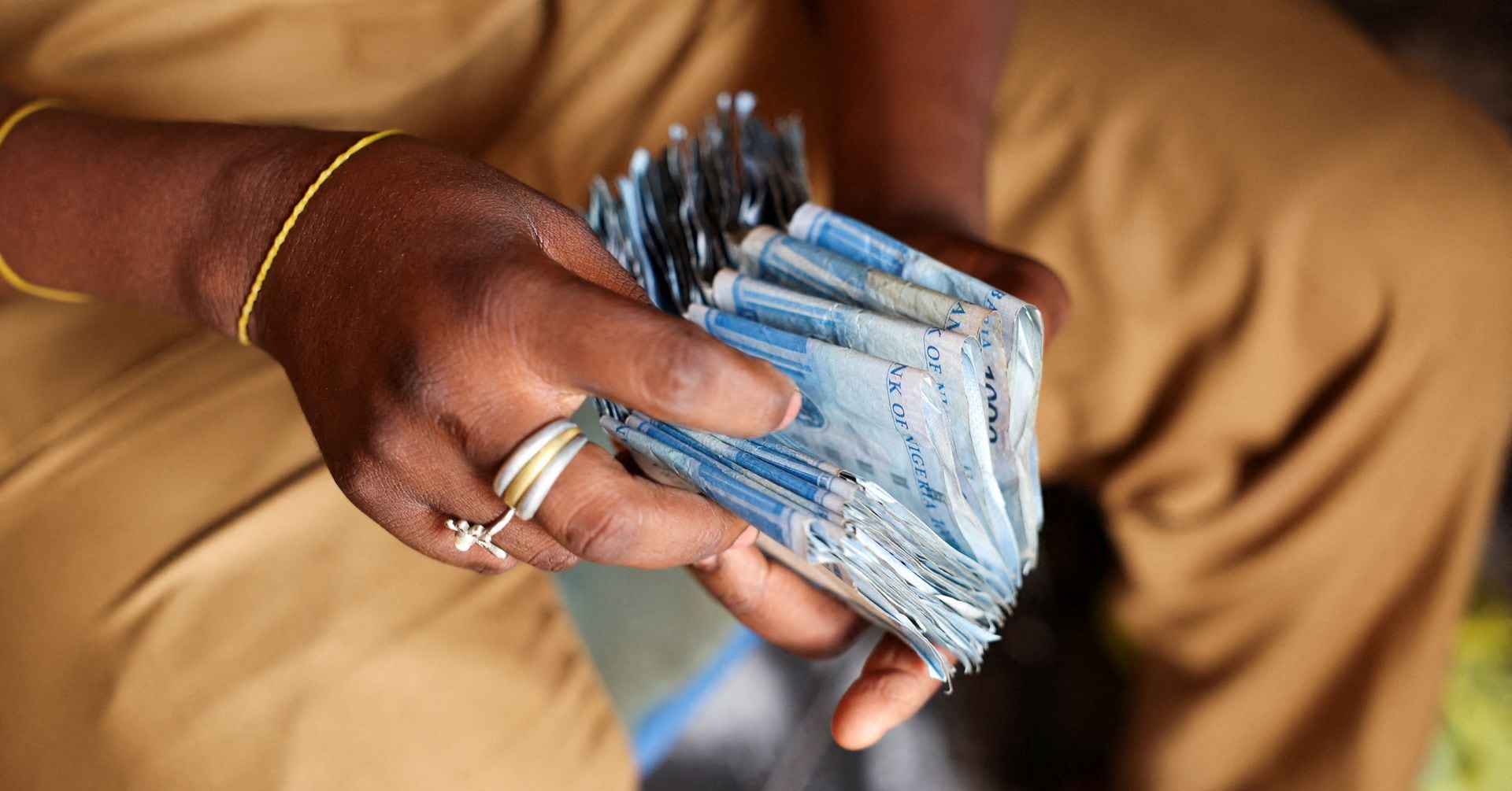
Nigeria's naira hit record lows on both official and unofficial markets, while stocks experienced their largest one-day drop in over a year as investors sold off local assets. The currency fell to 1,712 naira per dollar, reflecting the country's ongoing dollar shortages and inflation rate reaching almost 30% in annual terms. Analysts warn that without policy measures to curb inflation, the naira's devaluation and negative real yield in Nigerian debt securities could deter foreign investors, while stocks, including heavyweight Dangote Cement and MTN, fell 10% on the bourse. Central bank Governor Olayemi Cardoso has hiked open market rates to attract investors to bills, but the fall in the naira means yields would need to rise further.
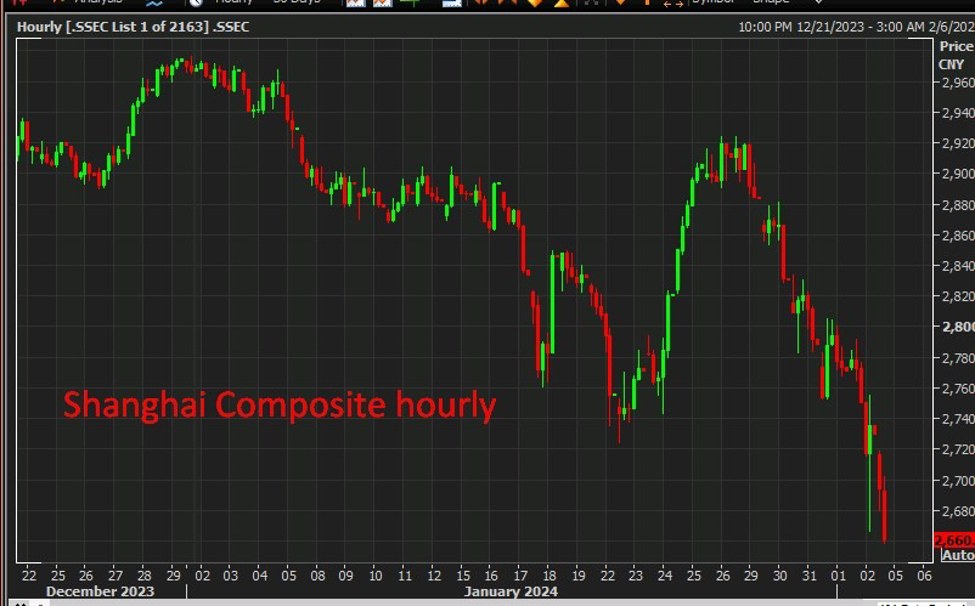
Chinese stock markets are experiencing continued downward pressure, prompting high risk warnings for foreign exchange trading. Investors are advised to carefully consider their investment objectives, experience level, and risk tolerance, as well as seek advice from independent financial or tax advisors. FOREXLIVE™ emphasizes that it is not an investment advisor and does not endorse the opinions or recommendations of other sources of information, while also disclaiming liability for any lost principal or profits arising from the use of such information.
China's renewed currency depreciation and measures taken by Beijing to address the issue present a downside risk to bitcoin through the foreign exchange channel, as the tightly controlled Chinese yuan has declined against the U.S. dollar. The latest measures could lead to broad-based USD strength, tighter financial conditions worldwide, and investors scaling back exposure to risky assets like bitcoin. The dollar index has already gained this month, while bitcoin has dropped to $40,500 from highs near $49,000 earlier in the month.
CNBC's Jim Cramer suggests buying shares of Procter & Gamble (P&G) due to the recent weakening of the U.S. dollar. P&G had previously warned about the impact of foreign-exchange headwinds on its sales growth, but with the dollar index falling about 2%, the company is better positioned to handle the currency dynamics. Additionally, P&G benefits from lower commodity costs. Cramer's Charitable Trust, the portfolio used by the CNBC Investing Club, has a stake in P&G.
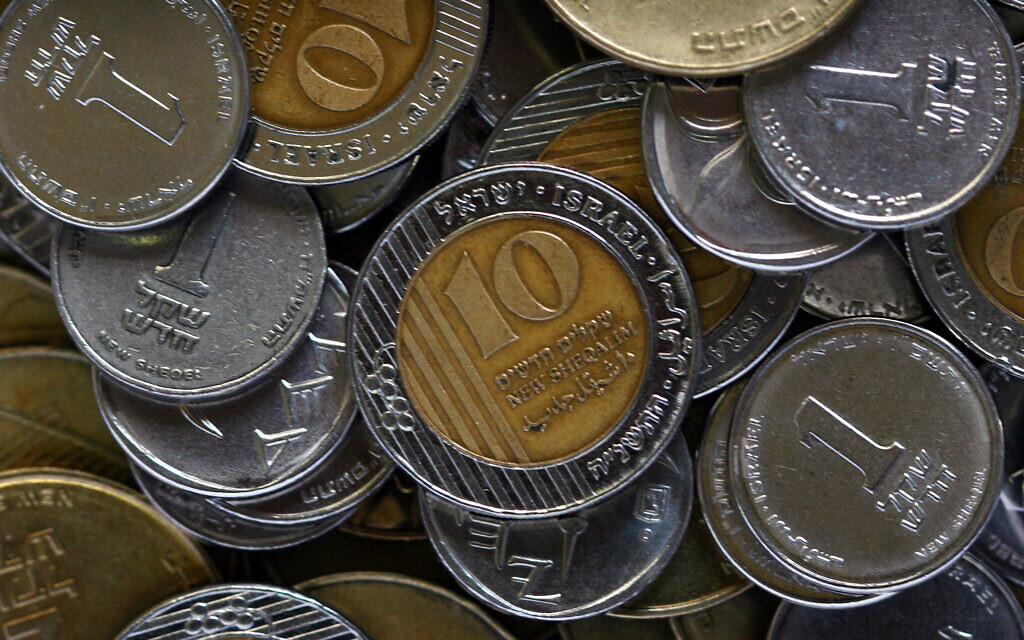
The Bank of Israel plans to sell up to $30 billion in foreign exchange to protect the shekel from collapse during the ongoing Gaza war. The central bank aims to moderate volatility in the shekel exchange rate and ensure the proper functioning of the markets. Additionally, the bank will provide dollar liquidity through SWAP mechanisms of up to $15 billion. Despite the announcement, the shekel weakened over 2% to around 3.92 to the dollar as fighting continued near the Gaza border. The move comes as the shekel has already weakened nearly 10% this year, contributing to inflation and raising concerns of a constitutional crisis.
China's central bank has reportedly instructed major lenders to delay squaring their foreign exchange positions in an effort to alleviate downward pressure on the yuan. Banks have been asked to refrain from immediately closing their positions in the inter-bank foreign exchange markets after selling US dollars to clients until a certain level is reached. This move would absorb some of the heavy dollar purchases by companies and partially reduce the sliding yuan's downward pressure. The directive also includes requiring companies seeking to purchase $50 million or more to seek the central bank's approval. China's yuan has lost over 5% against the dollar this year, making it one of Asia's worst-performing currencies.
Bonds are once again in focus, with a high level of risk associated with foreign exchange trading, cautioning investors to carefully consider their investment objectives, experience level, and risk tolerance. Past performance is not indicative of future results, and investors are advised to seek advice from independent financial or tax advisors before making any investment decisions.
The Central Bank of Nigeria (CBN) has implemented foreign exchange intervention measures to tackle currency speculators and stabilize the naira, which has been tumbling in the parallel market. The CBN's acting governor, Folashodun Shonubi, stated that the naira's volatility is driven not only by economic factors but also by speculative demand. While specific details of the intervention measures were not disclosed, Shonubi warned speculators of potential significant losses. The CBN has also restricted diaspora remittances, setting limits on the exchange rate for naira payouts. The recent revelation of lower effective foreign exchange reserves in the CBN's financial statements has raised concerns about the bank's ability to defend the naira. Nigeria's zero earnings from crude oil sales for the past seven months have worsened the foreign exchange crisis in the country.