Illinois Governor J.B. Pritzker signed a $55.1 billion FY26 budget, marking the seventh consecutive balanced budget, emphasizing fiscal discipline, investments in education, health, and social programs, and fully meeting pension obligations without raising taxes for working families.
The Trump administration's 'One Big Beautiful Bill' and related measures aim to significantly cut government spending, including $1.7 trillion in mandatory savings, reforms to entitlement programs, and a broader budget proposal to reduce non-defense spending by 22%, complemented by rescissions to cancel wasteful appropriations.
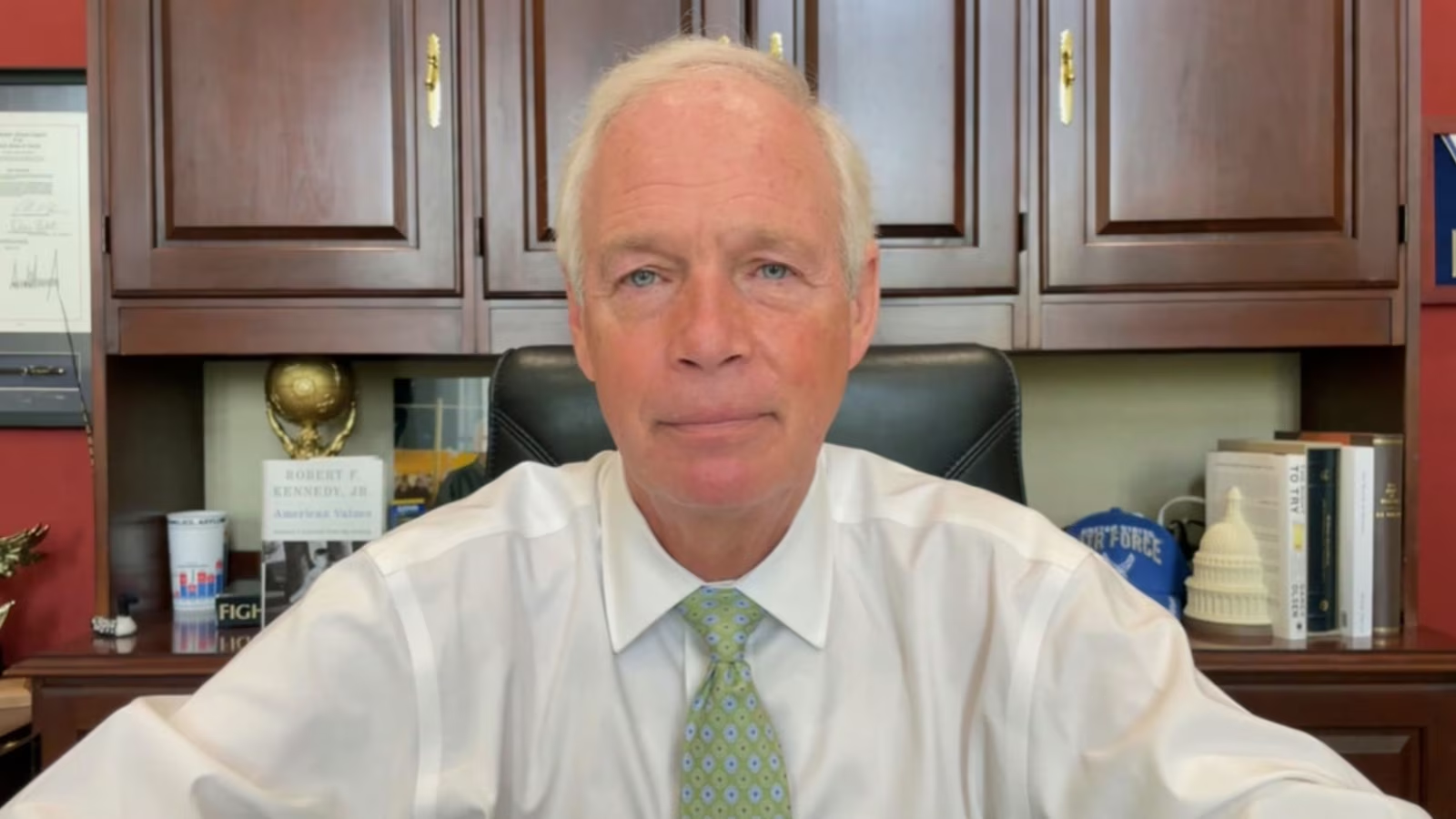
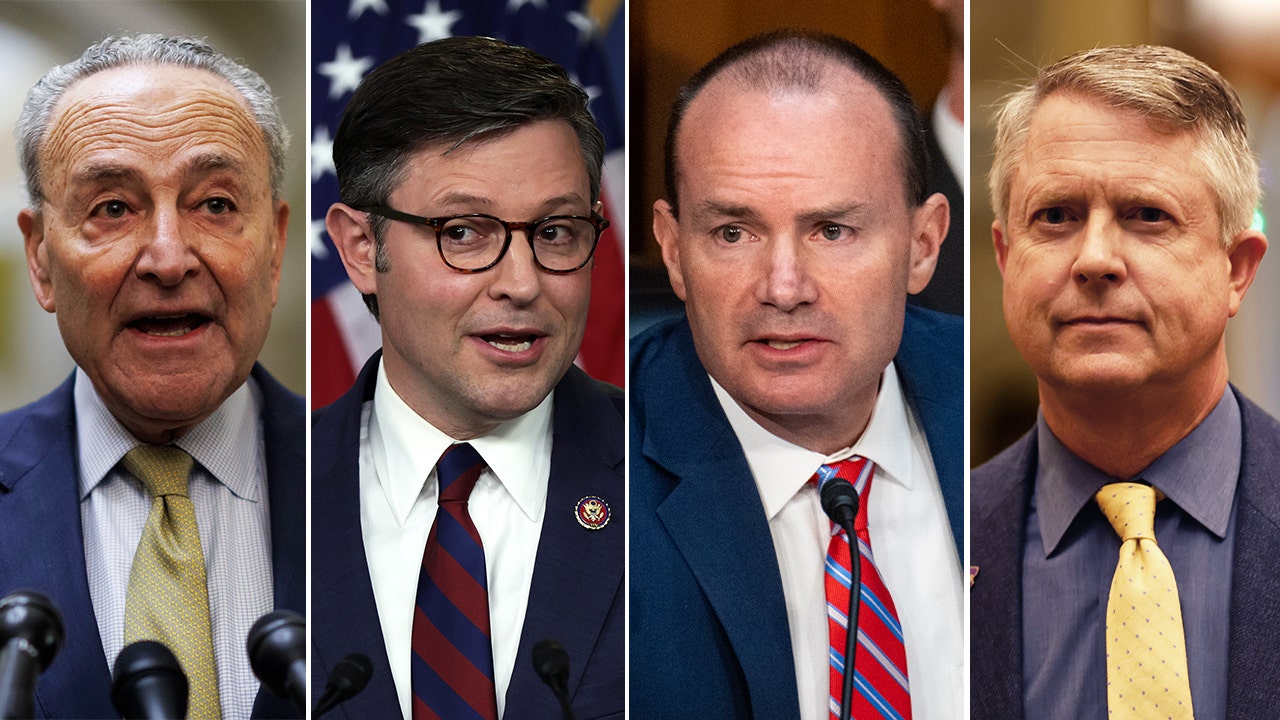
Senator Ron Johnson opposes President Trump's $2.4 trillion spending bill, citing concerns over rising deficits and national debt, and advocates for splitting the bill to focus on border security, defense, and tax laws first, before addressing waste and reducing the deficit, emphasizing the importance of fiscal responsibility for future generations.
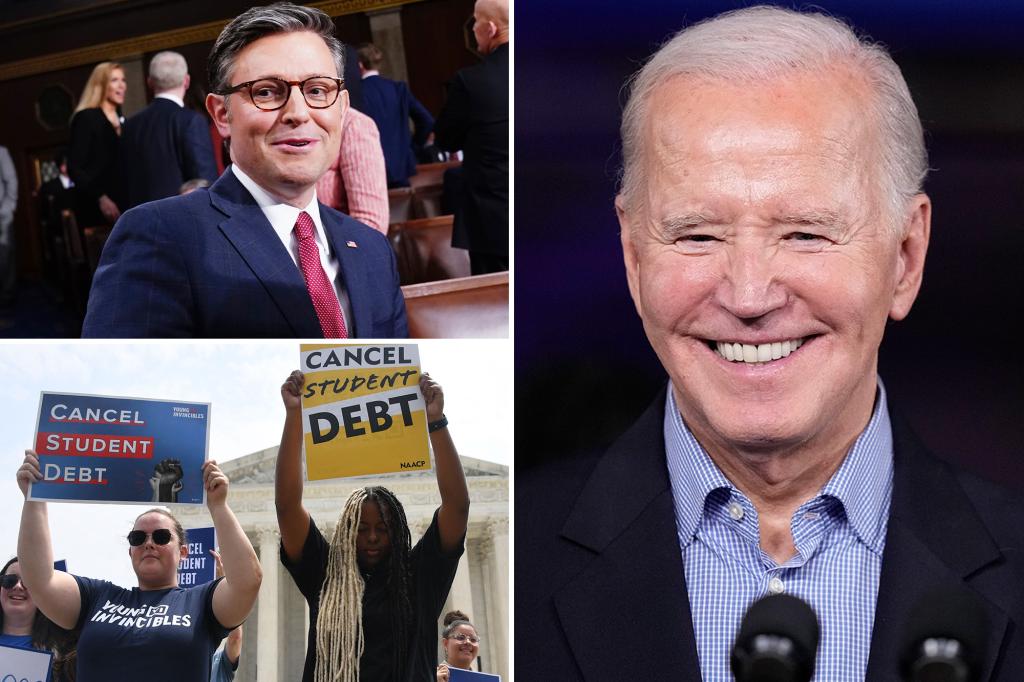
President Biden unveils a $7.3 trillion budget with $5.5 trillion in tax hikes, aiming to raise rates on the wealthy and corporations while increasing spending on defense, federal benefit programs, affordable housing, and student debt cancellation. The budget, unlikely to be approved by Congress, is criticized for reckless spending and projected to increase the national debt to $45.1 trillion by 2034. Republicans argue that the tax hikes and spending reflect an insatiable appetite for reckless spending and a disregard for fiscal responsibility, while Biden defends the proposals as necessary for funding federal programs and addressing economic inequality.
Congressional leaders have reached a deal to extend the current funding deadlines and avoid a government shutdown at midnight on Friday. They plan to pass a short-term continuing resolution to extend the deadlines and have agreed on six of the 12 regular appropriations bills, with a plan to vote on those bills before March 8 and extend the remaining six bills through March 22 to allow for completion of work on those provisions.
U.S. public debt has surpassed $34 trillion, with experts warning of potential impacts on Americans' homes, spending power, and national security. While some view the debt as a significant concern, others argue for a more measured perspective, emphasizing the need for responsible investment and fiscal returns. Rising interest rates due to increased government debt could disproportionately affect sectors like housing and construction, while concerns about national security are also raised. The issue of U.S. debt is becoming increasingly urgent, with calls for action and a need for an "adult conversation" about fiscal responsibility.
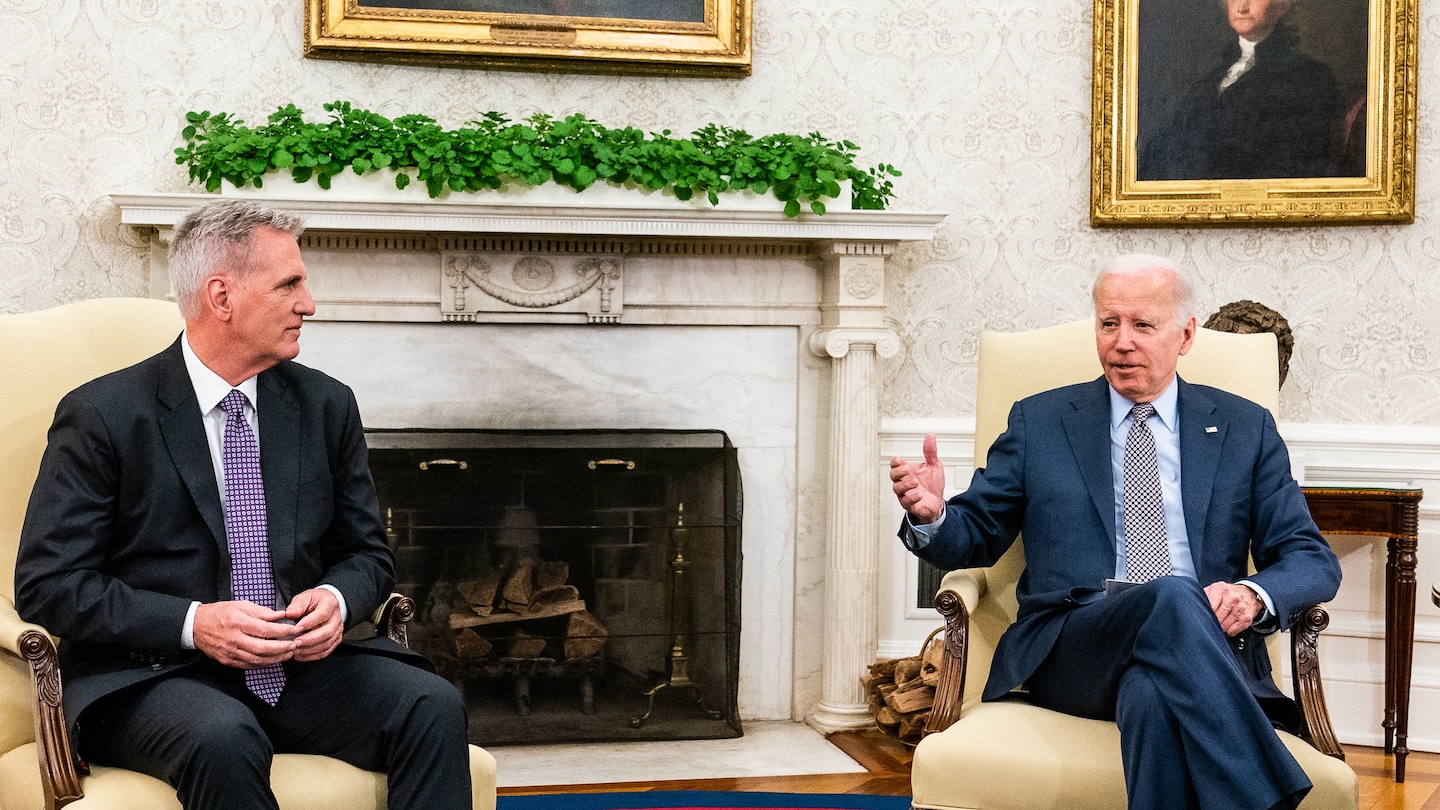
A new report by the Congressional Budget Office indicates that the Biden-McCarthy deal to limit spending growth will reduce the federal deficit by approximately $1.4 trillion over the next decade. While the national debt is still projected to increase substantially, the deal has helped slow its growth. However, concerns remain about the nation's fiscal health, as the total debt is expected to reach $45.7 trillion by 2033, and Congress's intention to maintain the spending caps is uncertain.
The Congressional Budget Office projects that the federal budget deficit will soar to over $2 trillion per year in the next decade, with deficits exceeding $2 trillion annually after 2031. As a percentage of GDP, the deficit is expected to rise from 5.6% in 2024 to 6.1% in 2034. The report highlights the significant impact of net interest costs on the deficit, emphasizing the need for Congress to take meaningful steps to control the deficit and put the national debt on a more fiscally sustainable trajectory.
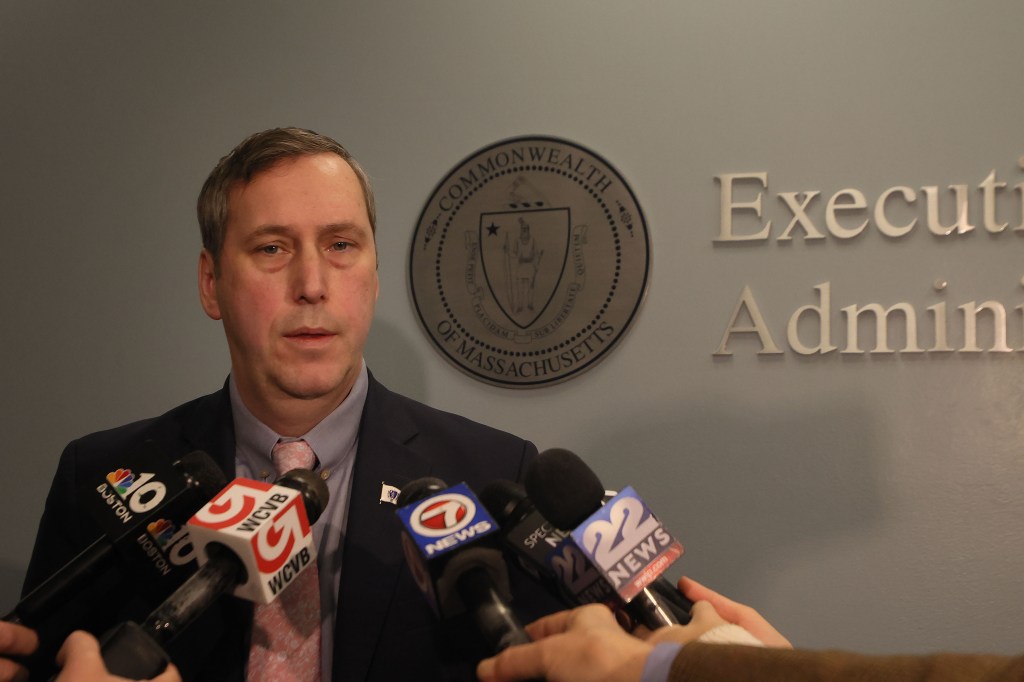
Massachusetts officials announced spending cuts due to a $769 million tax revenue shortfall, reducing funding for local earmarks and downgrading expected tax revenue by $1 billion. The cuts, prompted by overpromised revenue projections, will not affect emergency shelter system spending or changes made as part of a tax cut bill last year. The consensus revenue forecast for next fiscal year falls $208 million below this year's figure, with the expectation of enough revenue from the "millionaire's tax" to support $1.3 billion in education and transportation spending. Some affected by the cuts hope for minimal long-term repercussions, while others express concerns about the impact on services and the state's fiscal landscape.
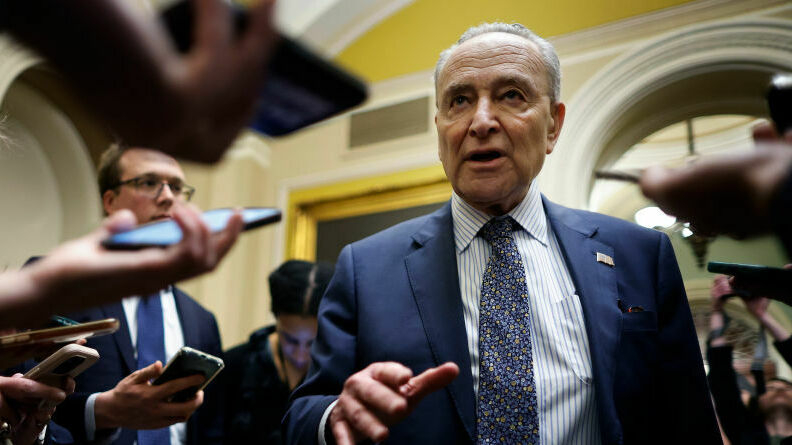
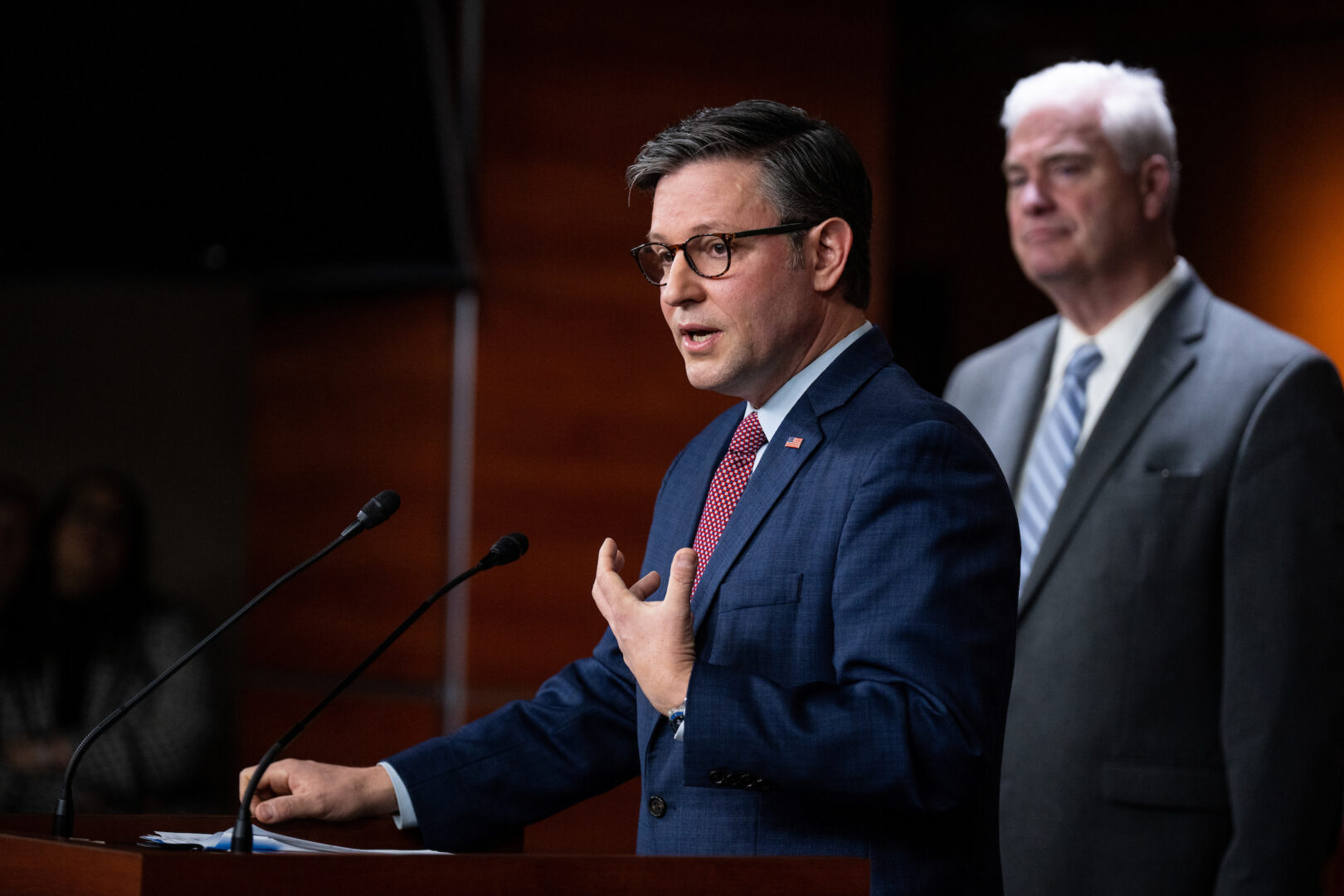
Senate GOP lawmakers are criticizing the $1.66 trillion budget agreement between House Speaker Mike Johnson and Senate Majority Leader Chuck Schumer, arguing that it neglects Republican suggestions for budget cuts and exceeds promised spending levels. With looming deadlines to fund federal agencies and avert a government shutdown, GOP senators are pushing for better fiscal responsibility and expressing concerns about the budget's impact on national debt and inflation. Despite potential opposition, the budget is expected to reach the 60 votes needed to pass, with negotiations ongoing to address conservative policy additions and potential confrontations.
The Healey Administration announced $375 million in midyear budget cuts due to a $1 billion revenue shortfall, with the bulk coming from Mass Health. The cuts, aimed at avoiding dipping into the state's rainy day fund, include reductions to over 60 programs, with Senate Minority Leader Bruce Tarr calling them "unfortunate, but necessary." The state is projecting $40.202 billion in revenue for the next fiscal year, reflecting a 2% increase from the downward-revised 2024 figures, but still cutting $208 million off the original forecast.
Warren Buffett proposed a plan to address America's deficit by passing a law that would make sitting members of Congress ineligible for reelection if the deficit exceeds 3% of GDP. The plan aims to increase accountability and incentivize lawmakers to prioritize fiscal responsibility. While the idea is intriguing, its practicality and potential consequences remain uncertain.
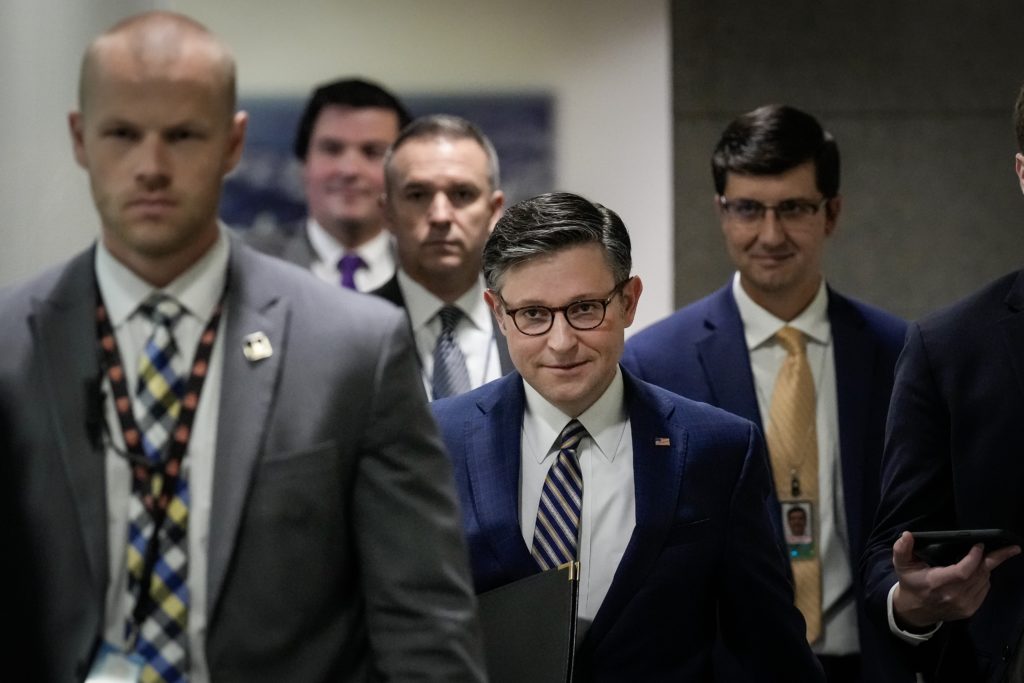
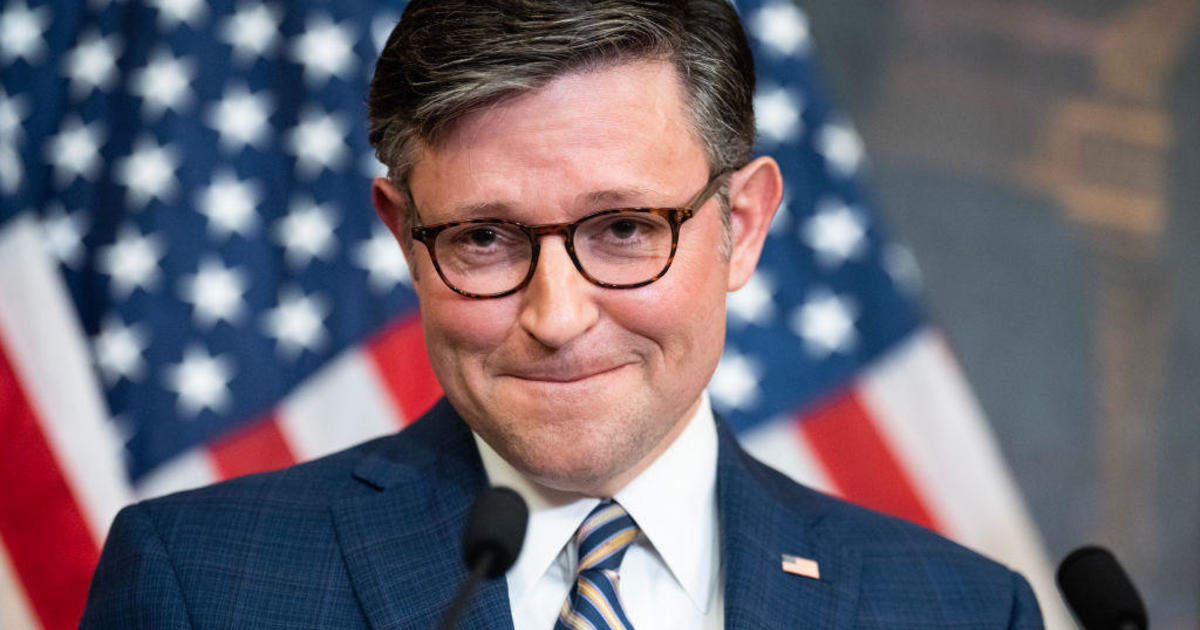
House Speaker Mike Johnson has proposed a two-step funding package to avoid a partial government shutdown. The proposal extends government funding for some agencies and programs until January 19 and continues funding for others until February 2. The approach aims to address concerns from GOP lawmakers who want to avoid a massive spending bill just before the holidays. The bill excludes funding requested by President Joe Biden for Israel, Ukraine, and the U.S. border with Mexico. Hardline conservatives have indicated some support for the temporary spending measures, but there is criticism from within the party. The White House has criticized the plan as "unserious" and a threat to national security and domestic programs.
House Speaker Mike Johnson has proposed a two-step stopgap funding bill to avoid a government shutdown. The bill would extend funding for some agencies and programs until January 19, and for others until February 2. This approach addresses concerns from GOP lawmakers who want to avoid a massive spending bill before the holidays. The bill excludes funding requested by President Biden for Israel, Ukraine, and the U.S. border with Mexico. Johnson's proposal has received mixed reactions, with some conservatives criticizing it for funding Pelosi-level spending. Moody's Investors Service recently lowered its outlook on the U.S. government's debt to "negative" due to rising interest rates and political polarization in Congress.
House Republicans are considering a new approach to stopgap funding called a "laddered" continuing resolution, which would extend pieces of current appropriations for different time periods, creating a series of funding cliffs instead of a single deadline that could trigger a government shutdown. The proposal aims to build consensus among GOP members who seek additional spending cuts and could incentivize conservatives opposed to a continuing resolution to vote for it. However, senior Democratic appropriators warn that the laddered approach could complicate the funding process and cause disruptions across the executive branch. Speaker Mike Johnson also defended his decision to cut IRS funding to pay for an aid package for Israel, arguing for fiscal responsibility, and stated that a Ukraine bill would be coming soon, paired with measures to protect the U.S. southern border. Additionally, Johnson mentioned the possibility of appointing members to a bipartisan debt commission to address federal debt.