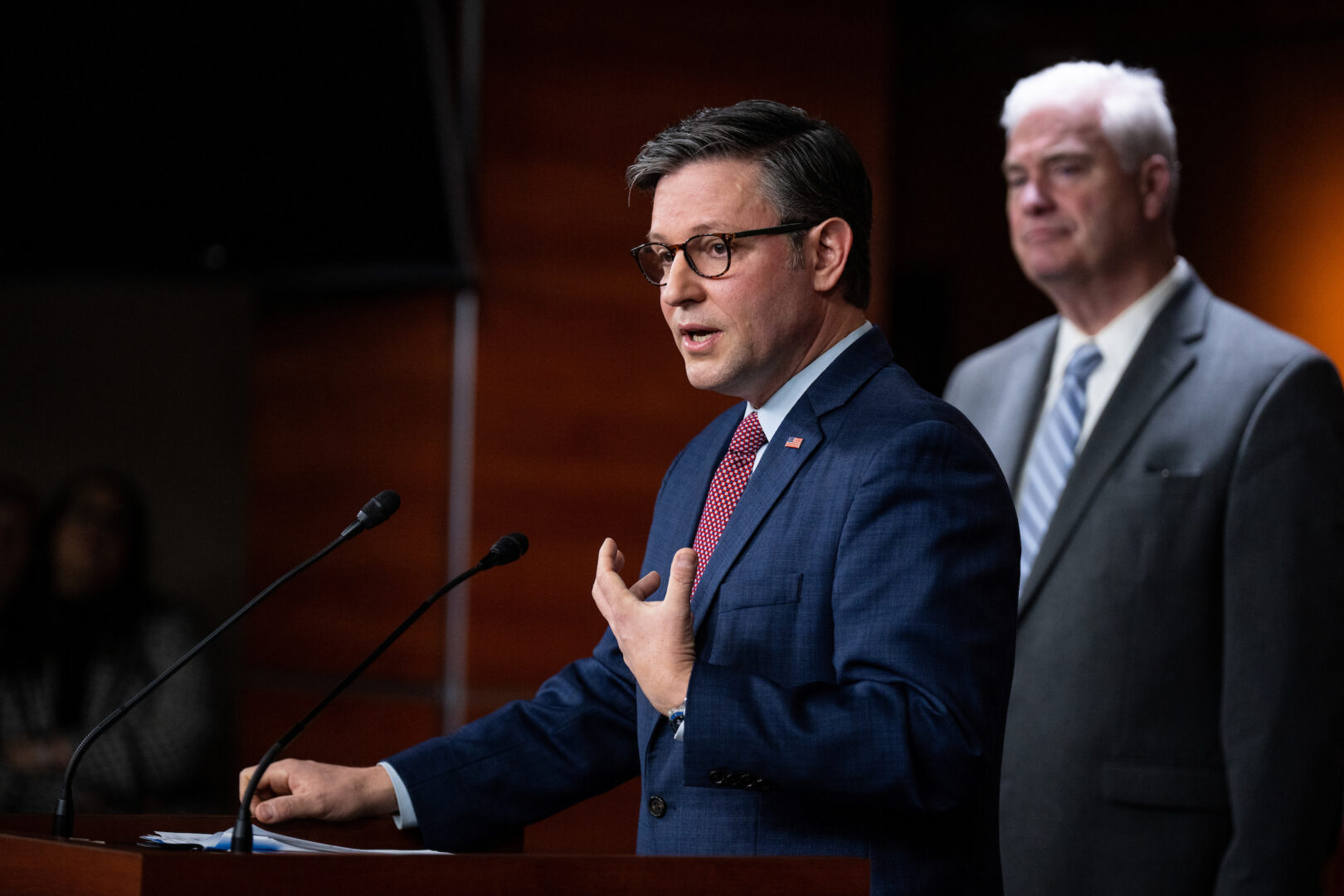
Senate Republicans approved a key funding bill for agencies including the FBI, avoiding a direct rebuke of Trump over the FBI headquarters location, and sidestepped a Democratic amendment. The bill funds Justice, Commerce, NOAA, NSF, and NASA, amidst ongoing political negotiations and intra-party disagreements. Meanwhile, House Republicans are close to passing legislation related to Jeffrey Epstein, cryptocurrency regulations, and government funding, amid internal conflicts and time constraints. The broader context involves ongoing debates over appropriations, transparency, and political influence.
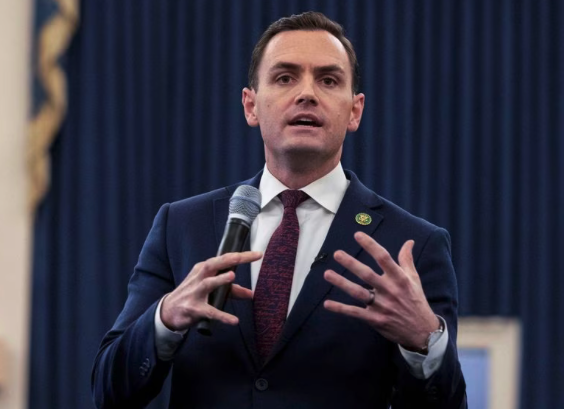
Rep. Mike Gallagher criticizes Congress for passing a Continuing Resolution to fund the government through Groundhog Day, highlighting the lack of progress in addressing the broken appropriations process. He calls for the passage of the bipartisan Preventing Government Shutdowns Act and the implementation of biennial budgeting and consolidated committee jurisdiction to avoid repeating fiscal failures.
House Republicans are considering a new approach to stopgap funding called a "laddered" continuing resolution, which would extend pieces of current appropriations for different time periods, creating a series of funding cliffs instead of a single deadline that could trigger a government shutdown. The proposal aims to build consensus among GOP members who seek additional spending cuts and could incentivize conservatives opposed to a continuing resolution to vote for it. However, senior Democratic appropriators warn that the laddered approach could complicate the funding process and cause disruptions across the executive branch. Speaker Mike Johnson also defended his decision to cut IRS funding to pay for an aid package for Israel, arguing for fiscal responsibility, and stated that a Ukraine bill would be coming soon, paired with measures to protect the U.S. southern border. Additionally, Johnson mentioned the possibility of appointing members to a bipartisan debt commission to address federal debt.