Many parents, especially millennials and Gen X, are reviving the use of landline phones to help their children develop better communication skills, gain independence, and avoid the negative effects of smartphones, such as anxiety and social media pressure.
AT&T and other phone service providers are seeking to phase out traditional landline telephone services in favor of newer, faster technologies such as fiber optics and wireless. This shift will impact consumers, particularly seniors, small businesses, and those in rural areas, who may face higher costs and reliability concerns. The transition away from copper-based landlines is part of a global trend, but challenges exist in fully replacing the old infrastructure, including the need for alternative solutions and addressing reliability issues in areas with limited internet access.
AT&T has applied for a waiver to stop servicing traditional landlines in California as part of a broader industry shift away from copper wire-based telephone systems to faster, more advanced technology like fiber optics and ethernet access. Consumers will need to decide whether to give up their landlines or face potentially higher costs, with impacts on seniors, small businesses, and areas prone to power outages or disasters. Challenges in fully phasing out copper landlines include the reliability of alternatives like VoIP, the difficulty of locating and removing old equipment, and the lack of high-speed internet in rural areas. The California Public Utilities Commission will hold meetings to discuss the potential discontinuation of copper landline phone service across the state.
AT&T has applied to end its landline phone obligations in California, drawing protest from residents and state officials. The California Public Utilities Commission is considering AT&T's request, with over 2,100 comments opposing the plan. Residents stress the importance of landlines for emergency services, especially in areas with no cell service. AT&T disputes claims that low-income households could see their bills double and that it intends to shut down its telephone network, stating that it will continue to offer basic telephone service unless it obtains necessary permission to stop.
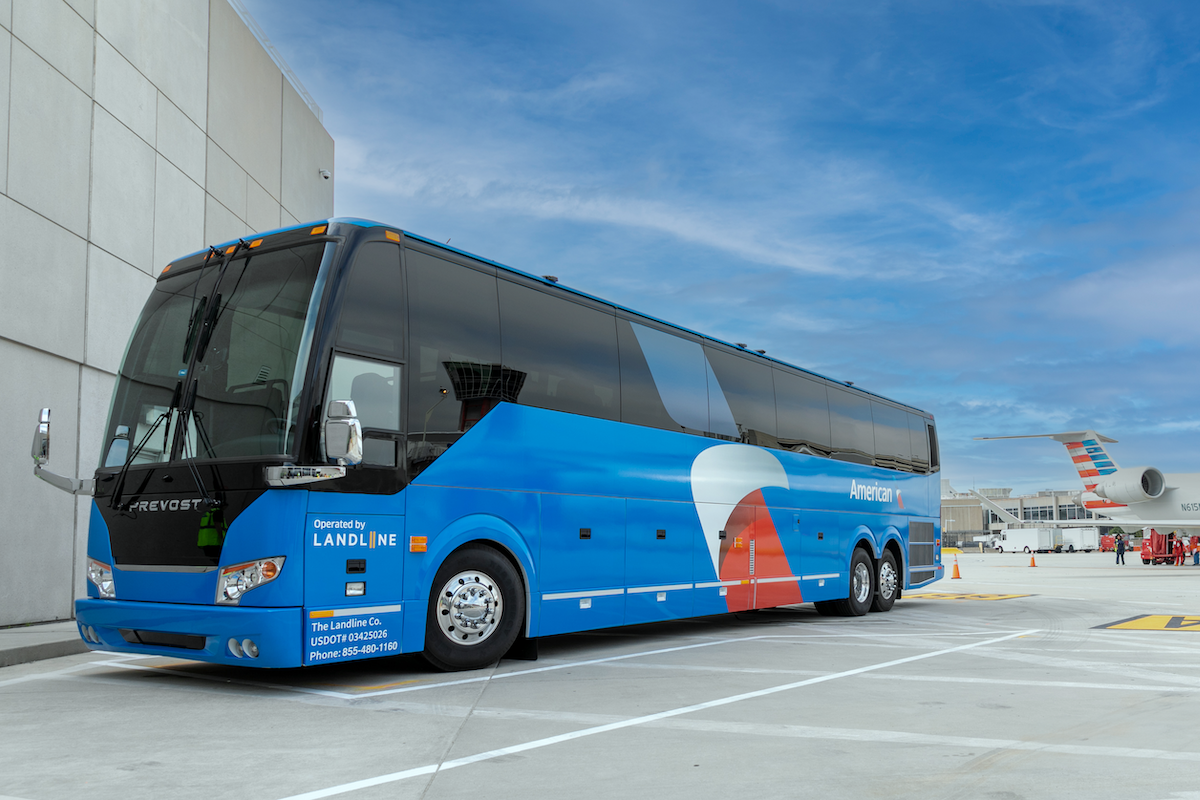
American Airlines and Landline have announced that passengers traveling on Landline-operated buses from Allentown, PA, and Atlantic City, NJ, to Philadelphia will no longer need to clear security during their connections. This move aims to boost the popularity of multimodal airline connections in the US, particularly as smaller airports face a decline in air service. The change eliminates the uncertainty and potential delays associated with clearing security at connecting airports, making the travel experience smoother for passengers. Additionally, this move aligns with the industry's efforts to reduce carbon emissions and offers a more time-competitive option for short-haul routes. Landline CEO David Sunde described the shift as a "huge win" for American customers in these markets.