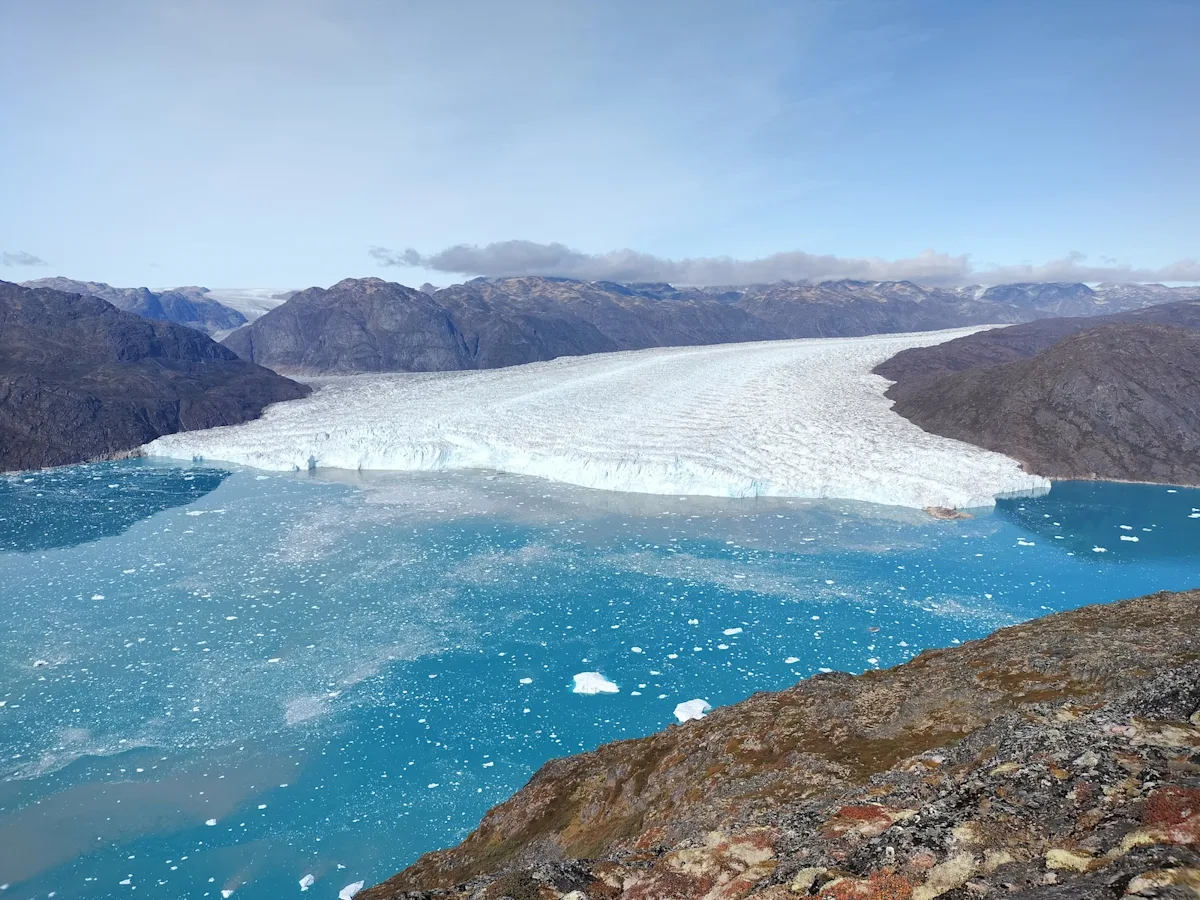
Researchers used fiber optic cables with distributed acoustic sensing near Greenland's glaciers to monitor calving events and discovered that water stirring caused by ice drops may be increasing melting rates, revealing a potential feedback loop that accelerates ice loss and contributes to sea level rise.
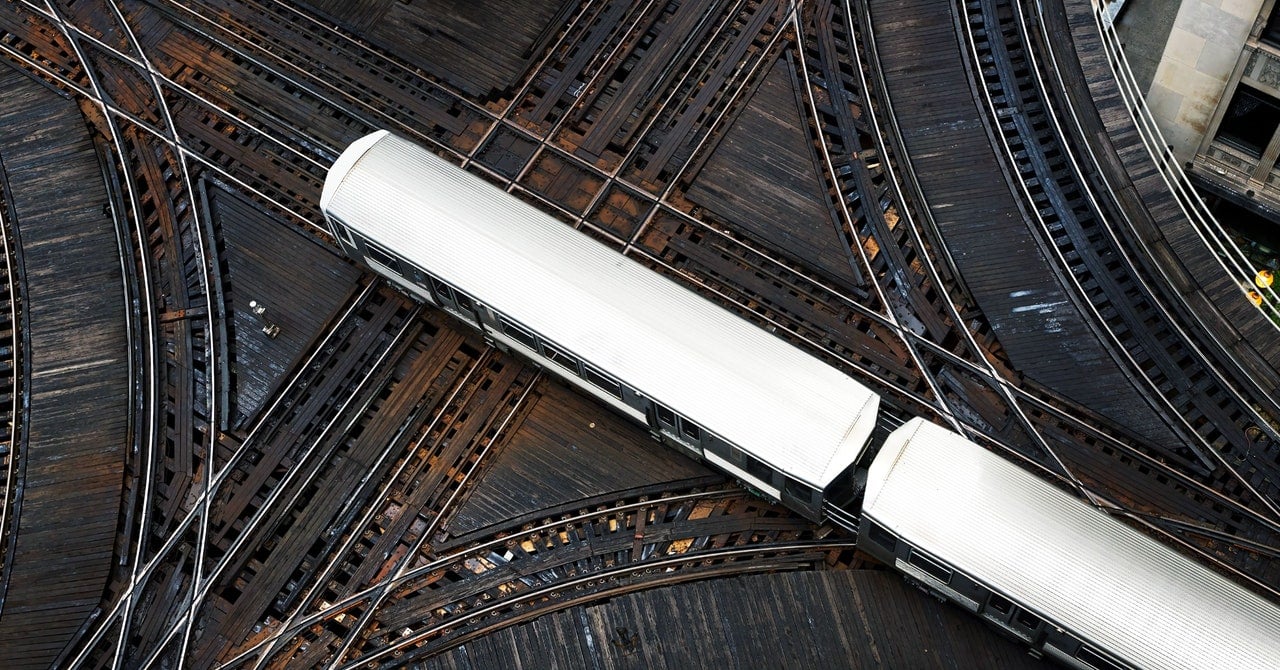
Fiber optic cables, traditionally used for internet connectivity, are now being repurposed for distributed acoustic sensing (DAS) to monitor train activity and infrastructure along railways. By analyzing the vibrations created by trains and other disturbances, scientists can detect potential issues such as track cracks, rockslides, or faults in track alignment. This technology utilizes existing fiber optic infrastructure and can provide detailed insights into the health of railways, potentially preventing problems before they occur.
Fiber optic cables, traditionally used for internet connectivity, are now being repurposed for distributed acoustic sensing (DAS) to monitor various activities such as train vibrations, rockslides, and even elephant footsteps near railroad tracks. This technology, which involves analyzing disturbances in light traveling through the cables, has the potential to revolutionize railroad maintenance and safety by detecting issues such as track faults and rockfalls. While the vast amount of data generated by DAS presents a challenge, advancements in machine learning and AI are being utilized to automate the analysis and improve the sensitivity of detecting events, making it a promising tool for enhancing safety in railroad operations.
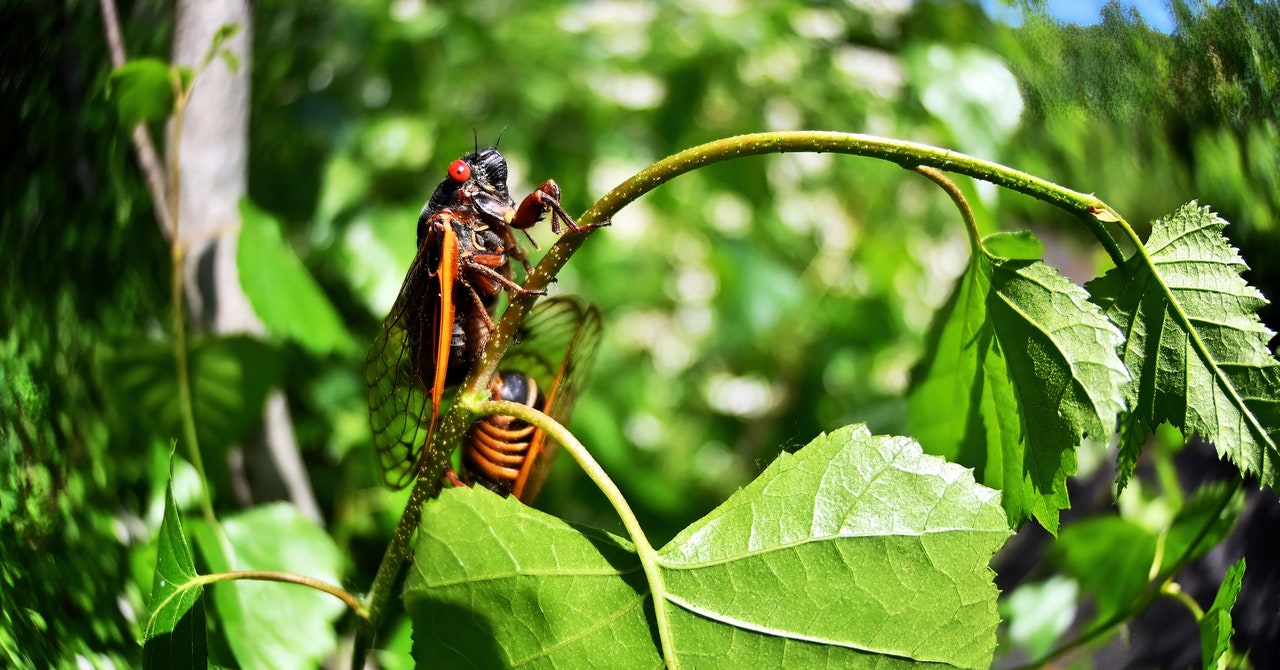
Fiber optic cables equipped with distributed acoustic sensing (DAS) technology have inadvertently picked up the loud sounds of cicadas, offering entomologists a new way to remotely monitor insect populations. DAS, which can track seismic activity, uses fiber optic cables to analyze light disturbances caused by vibrations. The researchers in Princeton noticed a distinct buzzing frequency in the DAS data, which they suspected was the sound of the emerging Brood X cicadas. By monitoring the volume of cicada noise, entomologists can estimate population sizes and study the effects of temperature on their mating behavior. This technology could complement other monitoring techniques and provide valuable data on insect populations, especially in remote areas.
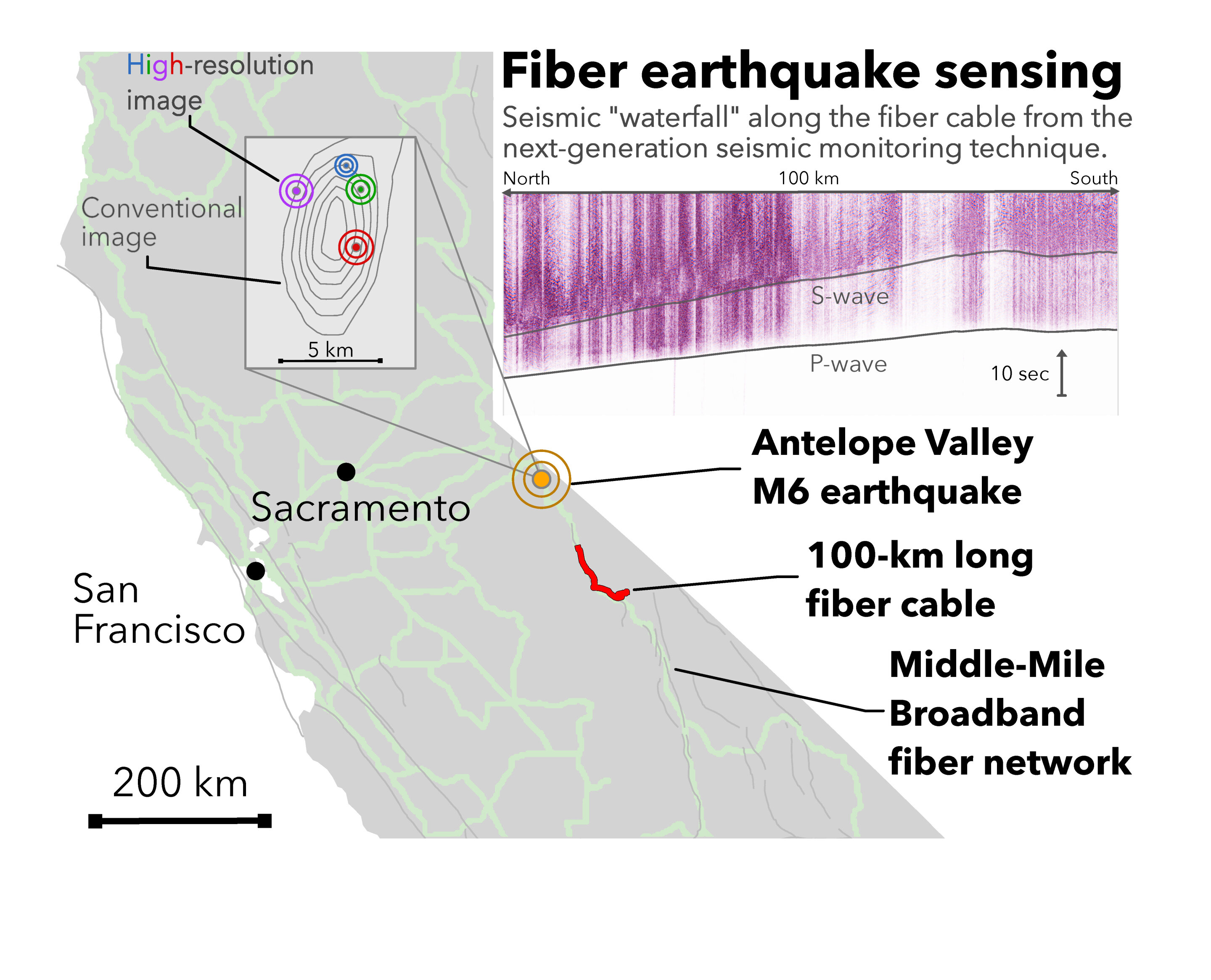
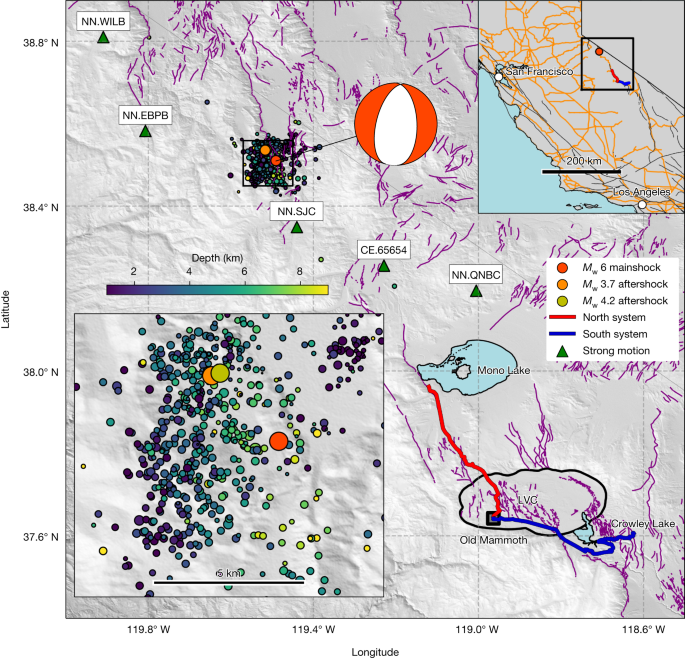
Fiber optic cables in California, originally used for internet connectivity, have been repurposed to detect and measure earthquakes. In a recent study, scientists used a section of fiber optic cable to precisely understand the mechanics of a magnitude 6 earthquake, identifying four individual "stuck" areas of the fault that led to the rupture. This method, called distributed acoustic sensing, could revolutionize earthquake studies and improve early-warning systems by creating a dense network of makeshift seismometers. Access to more fiber optic cables would enable better understanding of earthquake physics and provide advanced warning.
Researchers have used distributed acoustic sensing (DAS) to image the break of earthquake asperities, providing insights into fault rupture and earthquake nucleation. DAS, which utilizes fiber-optic cables as seismic antennas, allows for high-resolution imaging of seismic waves. By analyzing the frequency-dependent seismic radiation from subduction zone megathrust ruptures, the study reveals the complexity of earthquake dynamics and the role of the Earth's surface in controlling depth-dependent seismic radiation. The findings contribute to a better understanding of earthquake processes and could aid in earthquake forecasting and hazard assessment.