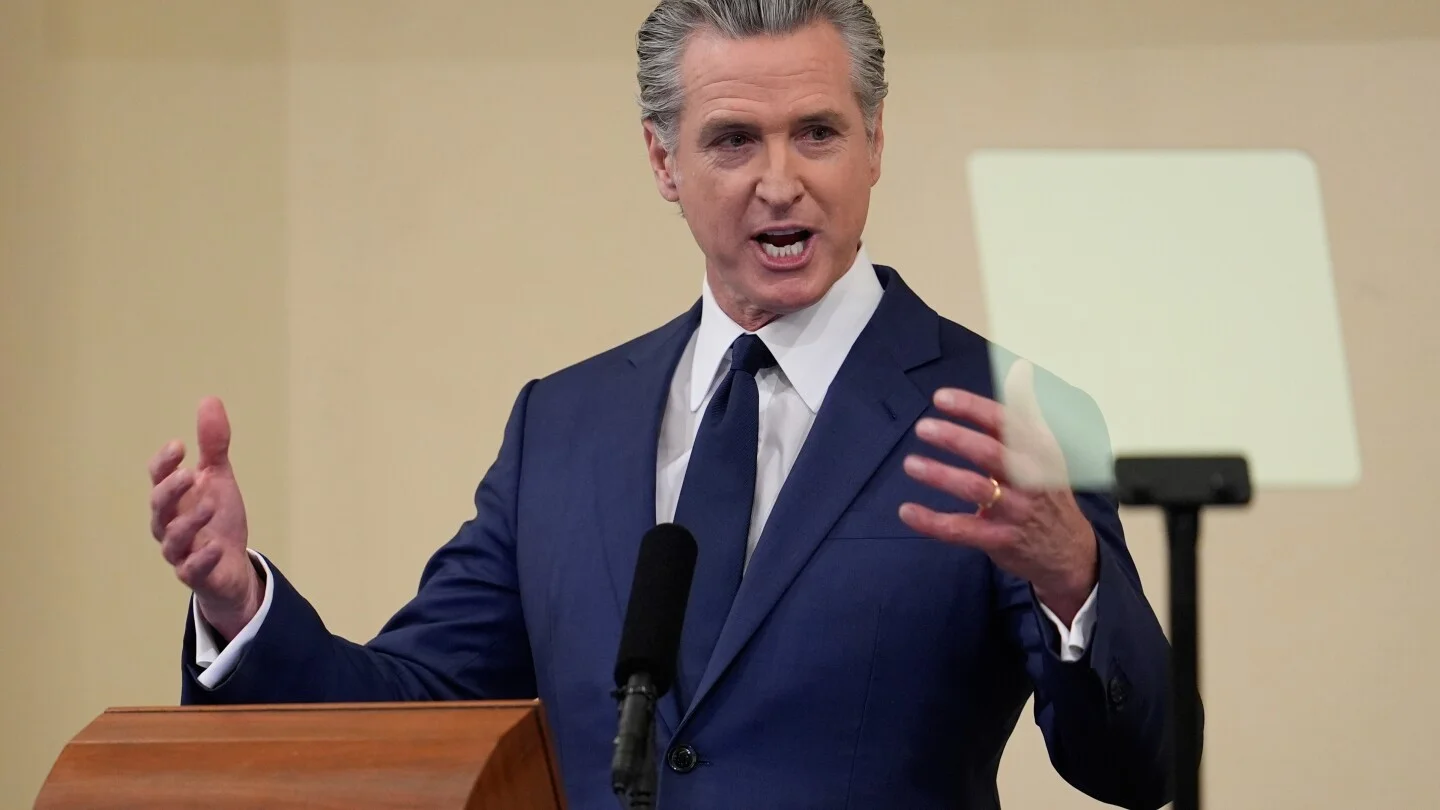
California lawmakers propose a billionaire wealth tax that could affect the state's ultra-wealthy, sparking protests in Silicon Valley and drawing Gov. Gavin Newsom into a high-stakes political confrontation over taxation of extreme wealth.
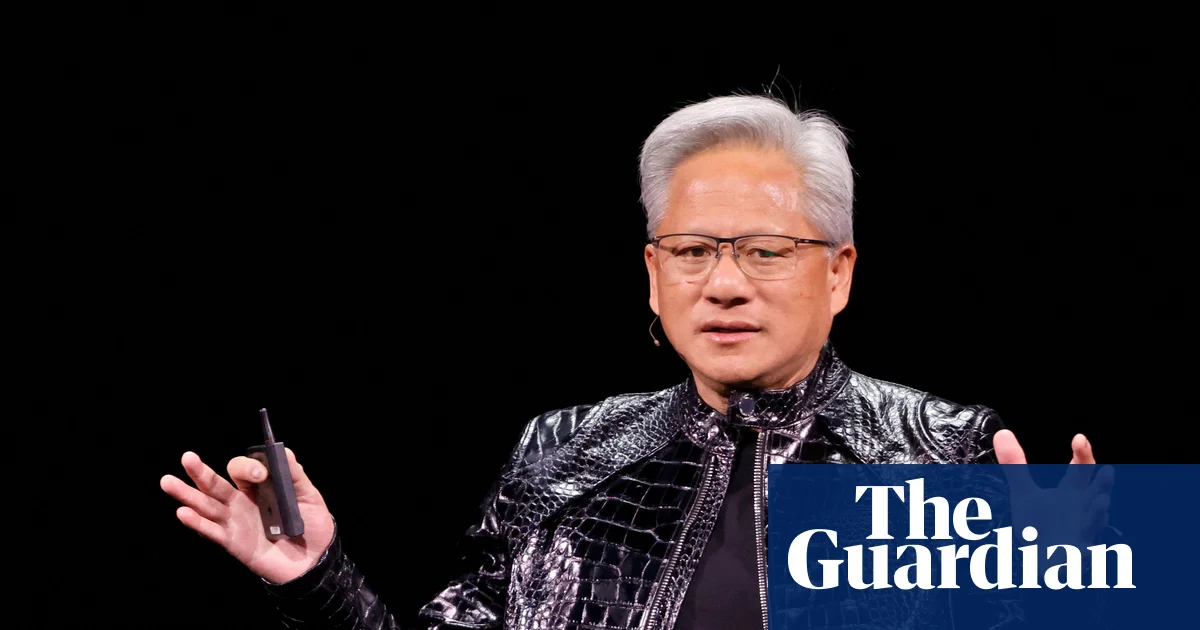
California is considering a billionaire tax proposal that could lead to a divide among tech leaders, with some threatening to leave the state for tax-friendly locations like Texas and Florida, while others like Nvidia's Jensen Huang support the tax, citing fairness and the need to fund public services.
Nvidia's licensing deal with AI startup Groq, which involves key leadership joining Nvidia and the startup operating independently, highlights a shift in Silicon Valley where companies are increasingly using licensing agreements instead of traditional acquisitions to acquire talent and technology, reflecting regulatory uncertainties and changing industry practices. This trend is similar to recent deals involving Windsurf, Scale AI, Character AI, Inflection AI, and Adept, which often result in key employees being hired away or licensing agreements rather than full acquisitions.
Chef Chu’s, a family-owned Chinese restaurant in Los Altos since 1970, has become an institution in Silicon Valley, known for its food, celebrity visits, and community roots, while maintaining its small-scale, authentic approach despite the area's rapid growth.
Data center projects in Nvidia's hometown of Santa Clara, California, remain unenergized due to utility capacity constraints, highlighting broader challenges in expanding data infrastructure amid rising demand driven by AI and cloud computing, with delays expected to persist until utility upgrades are completed around 2028.
Three 22-year-old friends from Silicon Valley, including two Indian-Americans, have become the world's youngest self-made billionaires after their AI recruiting platform Mercor secured $350 million in funding, valuing the company at $10 billion. The founders, who started the company during their college years, built a platform that automates recruitment and connects global talent with AI companies, experiencing rapid growth and major funding rounds, culminating in a recent $14.3 billion acquisition of a rival by Meta.
Three 22-year-old founders of the AI recruiting startup Mercor have become the world's youngest self-made billionaires after a $10 billion valuation and a $350 million funding round, surpassing previous young billionaires and highlighting the rise of young entrepreneurs in the AI industry.
The '996' work schedule, originating from China's tech industry, involves 12-hour shifts six days a week and is now emerging in some Silicon Valley companies, reflecting a shift towards more intense work cultures and raising concerns about work-life balance and industry homogeneity.
A new wave of AI-powered consulting startups is emerging, aiming to automate and democratize consulting services for mid-market businesses, challenging traditional firms like McKinsey with innovative AI solutions and attracting significant funding.
The article discusses the deepening rift between prominent Silicon Valley Democrats Ron Conway and Marc Benioff, highlighting their differing political stances amid the evolving political landscape in San Francisco and Silicon Valley, with Conway maintaining a more centrist position and Benioff supporting Trump, which has caused controversy and led to notable withdrawals from the Dreamforce conference.
The US Army plans to adopt a Silicon Valley-inspired model to accelerate the development and procurement of new equipment, reduce reliance on contractors by repairing more equipment internally, and implement significant changes to its buying processes to foster innovation and speed, moving away from traditional, risk-averse methods.
The article discusses the complex and intertwined relationships among major tech companies in the AI race, highlighting unprecedented collaborations, dependencies, and risks as they compete to lead in artificial intelligence development, with a focus on recent deals and strategic entanglements that could have long-term implications.
Silicon Valley has developed a fascination with 'TBPN,' a streaming show where tech industry news and trivial career moves are documented in a style reminiscent of SportsCenter and LinkedIn, reflecting the region's unique tech-centric culture.
Concerns are rising in Silicon Valley about an AI bubble fueled by high valuations, complex financing deals, and rapid growth, with experts warning of potential economic fallout if the bubble bursts, despite some believing current investments could lead to future technological advancements.
Tech billionaire Peter Thiel hosted off-the-record lectures discussing his apocalyptic views on the antichrist, linking biblical prophecy to modern geopolitics, technology stagnation, and global power dynamics, with concerns about a one-world government and the role of the US as a potential 'katechon' or ground zero for the end times.