Walmart announced it will remove food dyes, preservatives, artificial sweeteners, and fat substitutes from its Great Value and other private label products to meet consumer demand for cleaner food options, effective October 1, 2025.
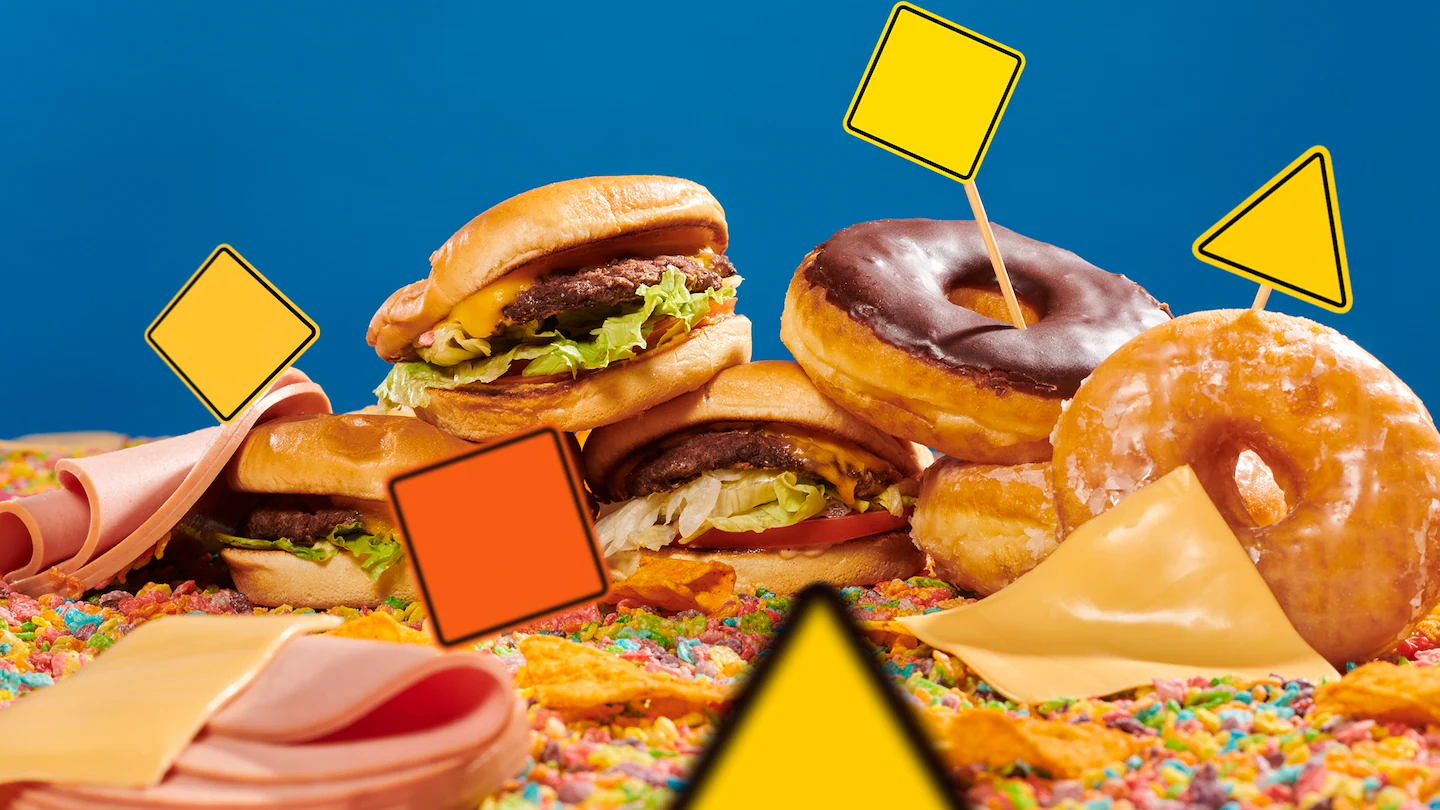
The article discusses efforts by the Make America Healthy Again movement to reduce the consumption of processed foods containing seed oils, corn syrup, and food dyes, highlighting concerns about their impact on American health and the prevalence of ultra-processed foods in the diet, with expert insights on science and simple dietary improvements.
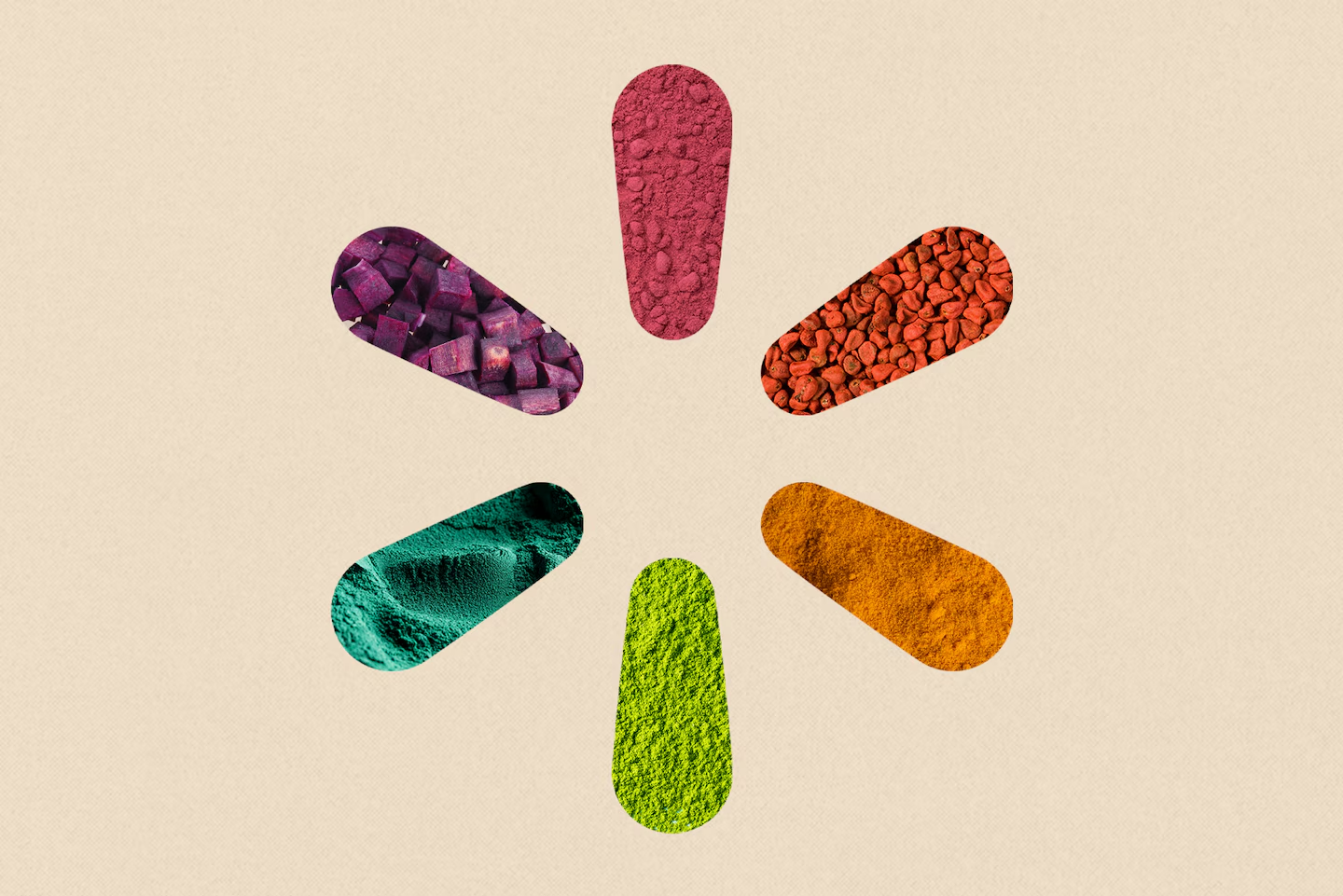
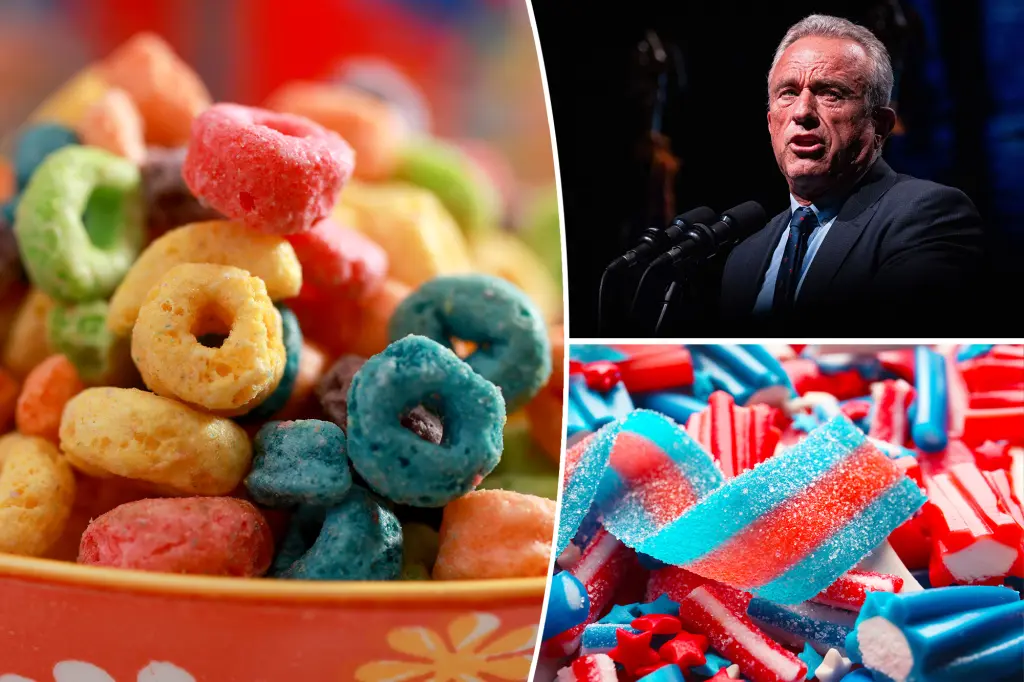
The U.S. FDA and Department of Health and Human Services announced a plan to phase out six petroleum-based food dyes by 2027, encouraging food manufacturers to reformulate products with natural color alternatives amid concerns over health impacts like obesity and ADHD.
State legislatures across the U.S. are proposing and enacting laws to restrict or regulate food dyes and additives, driven by consumer demand and political movements like MAHA, amid debates over scientific evidence and industry impacts, with some states banning certain dyes in schools and others requiring warning labels, while a national standard from the FDA is anticipated.
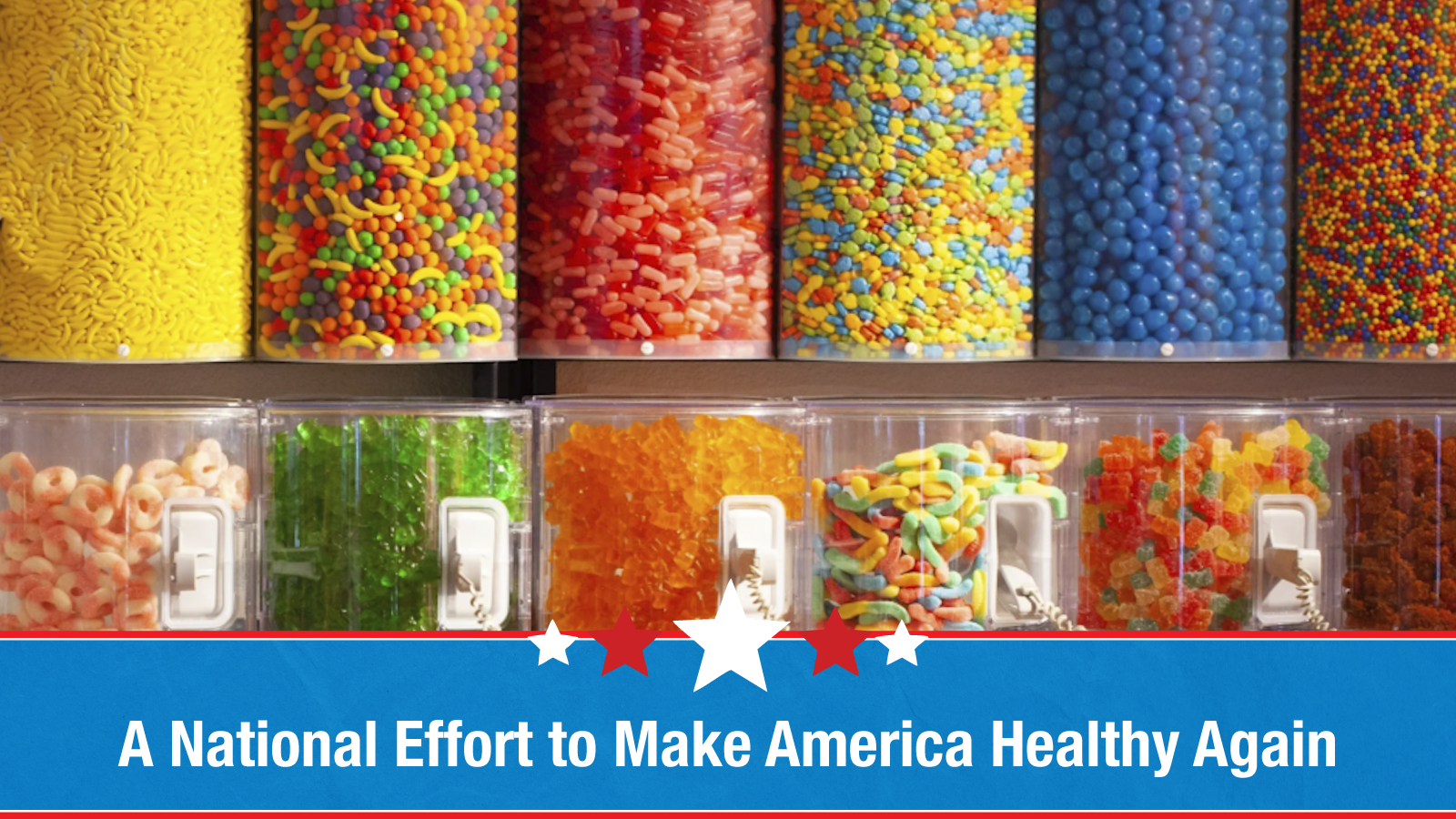
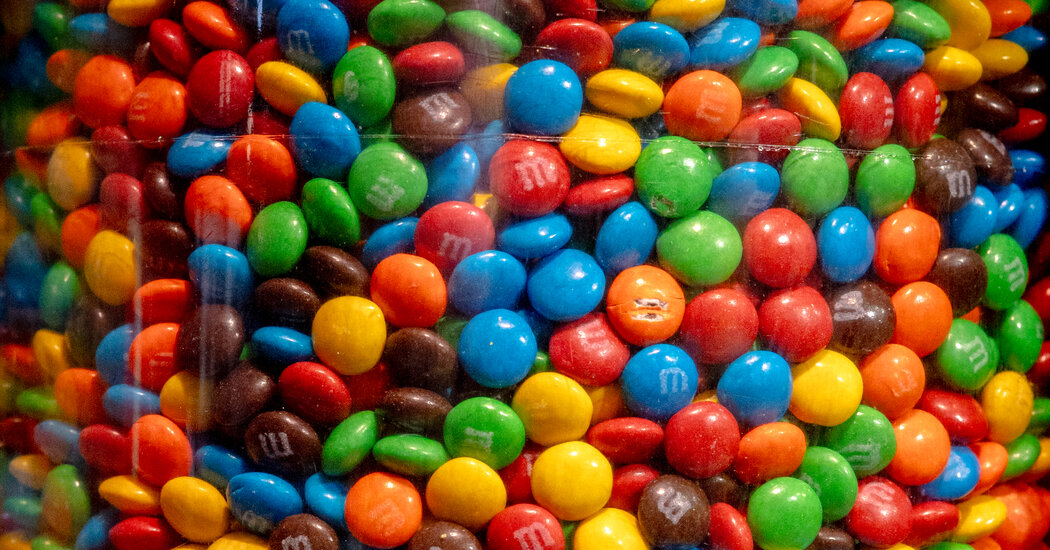
RFK Jr.'s campaign to eliminate synthetic food dyes faces resistance from the candy industry, particularly M&M's, due to consumer preferences and regulatory challenges, despite some food companies and states moving towards natural alternatives and warning labels.
The FDA is considering banning red 3, a petroleum-derived food dye used in many American products, due to health concerns such as potential carcinogenic effects, endocrine disruption, and behavioral issues in children. Despite being banned in cosmetics since 1990 and in food products in the EU, red 3 remains prevalent in the U.S. food supply, sparking debate over the FDA's regulatory practices. Public health advocates and some lawmakers are pushing for its removal, citing the dye's risks and lack of nutritional value.
The FDA is considering a ban on the food dye Red 3, commonly found in candies and snacks, following a petition to reassess its safety. Despite being deemed safe by the FDA in the past, Red 3 is banned in other countries and California due to potential health risks, including cancer and behavioral issues in children. The decision, expected in the coming weeks, could significantly impact the food industry, especially during the holiday season when such dyes are prevalent in festive treats.