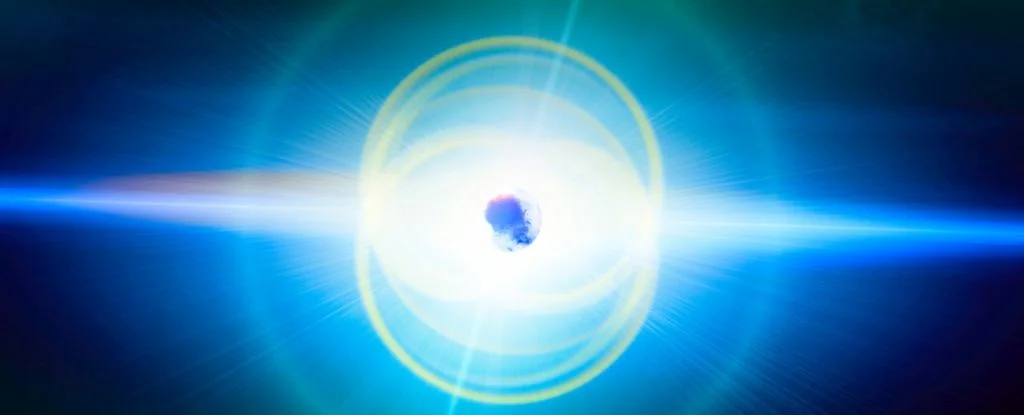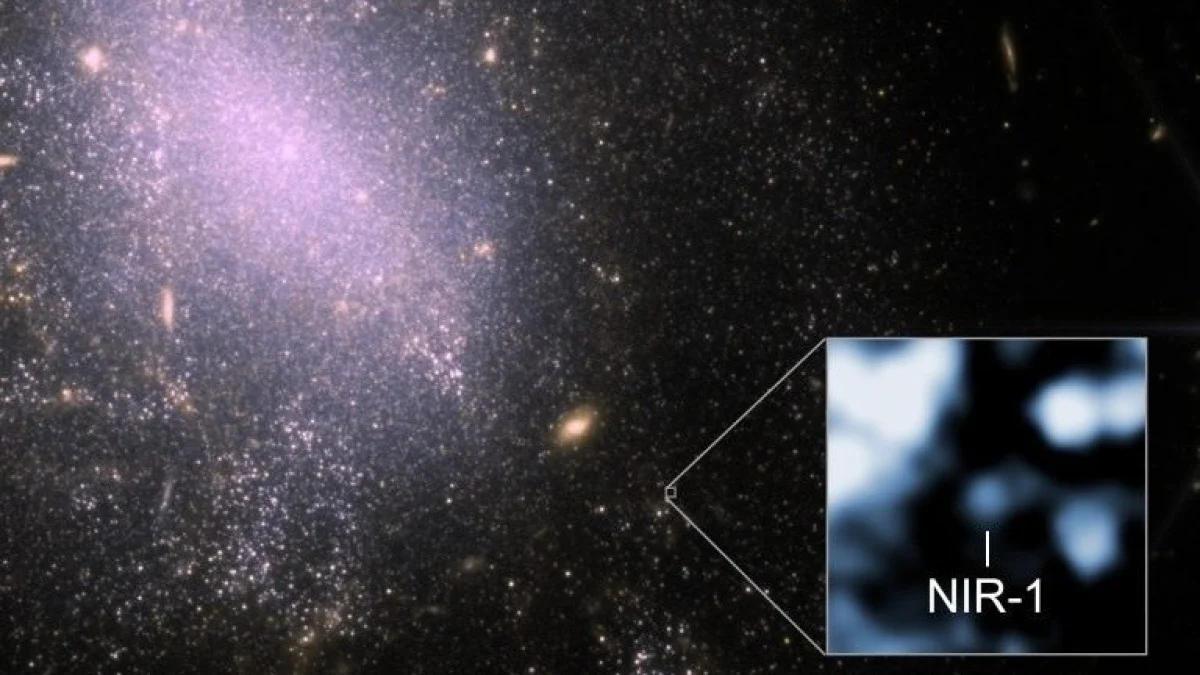
Scientists have successfully traced the brightest known fast radio burst, FRB 20250316A, to its origin in a galaxy 130 million light-years away using a network of telescopes, marking a significant milestone in understanding these mysterious cosmic flashes and suggesting magnetars as a possible source.
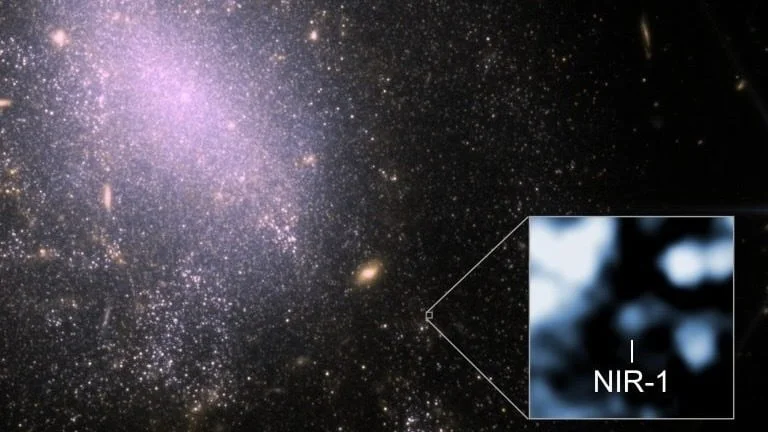
Scientists have successfully traced the brightest known fast radio burst, FRB 20250316A, to its origin in the galaxy NGC 4141 using a new network of telescopes, marking a significant milestone in understanding these mysterious cosmic flashes and suggesting magnetars as a likely source.
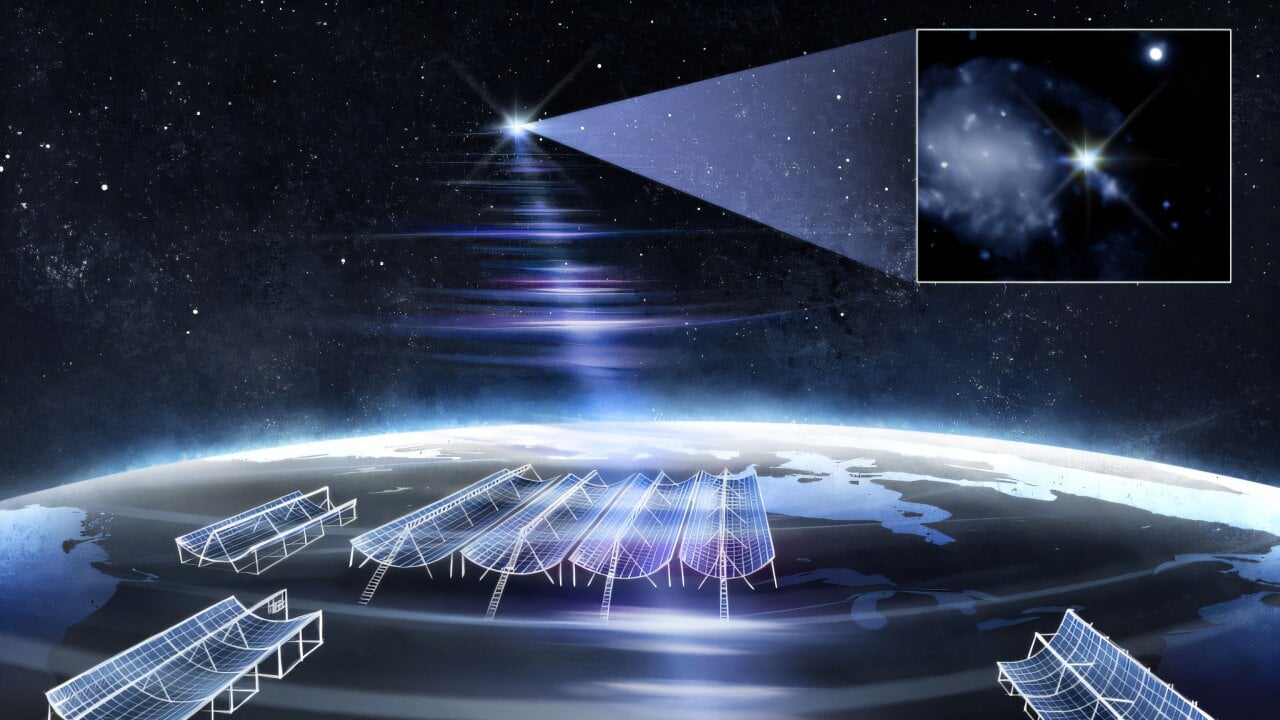
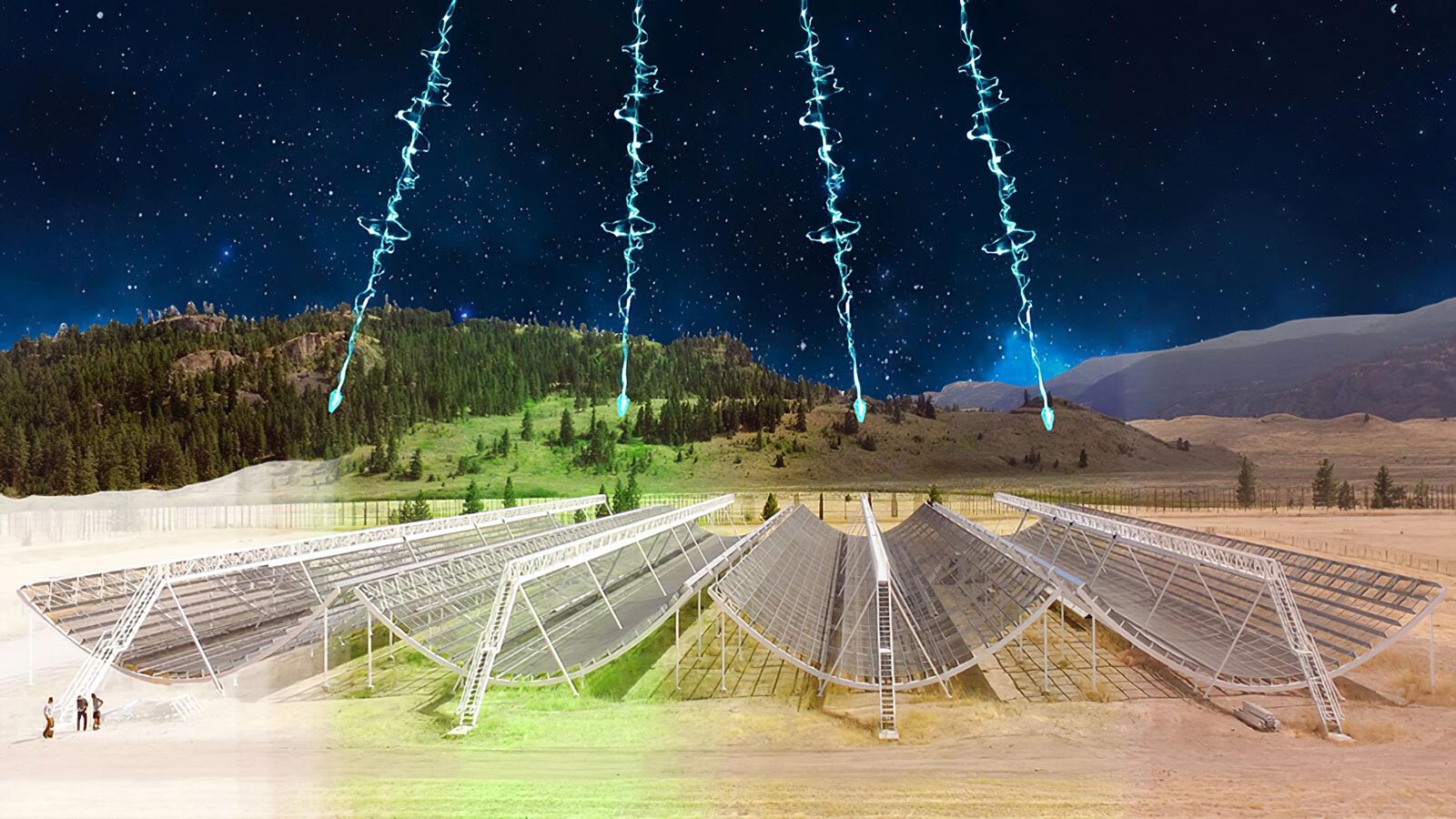
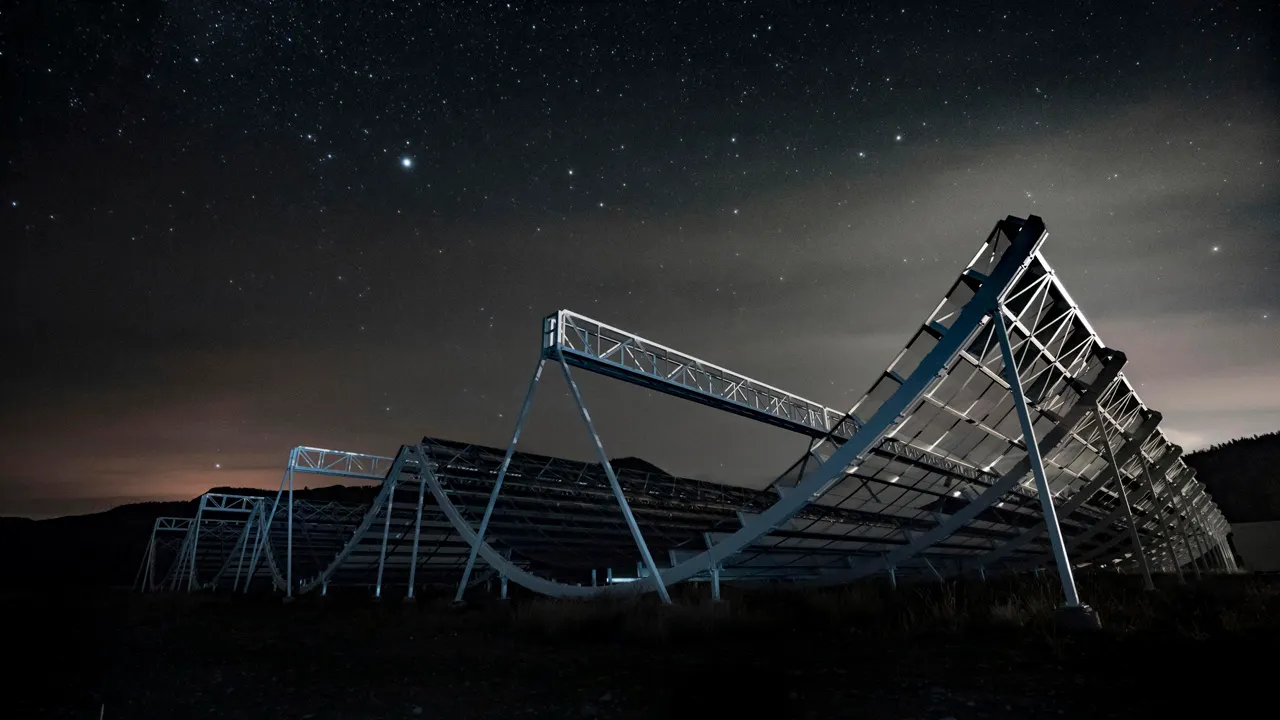
A record-breaking fast radio burst named RBFLOAT was detected by the CHIME telescope, originating from a galaxy 130 million light-years away, and precisely localized using an array of outriggers, providing new insights into the origins of such cosmic phenomena, likely linked to magnetars.
An international team used the CHIME telescope and NASA's JWST to detect and precisely locate one of the brightest fast radio bursts (FRBs) ever observed, named RBFLOAT, in the galaxy NGC 4141, providing new insights into the origins of these mysterious cosmic phenomena.
Chime, a neobank founded in 2012, nearly failed in 2016 after being rejected by over 100 investors, but it persisted and went public in 2023 with a valuation of $14.5 billion, driven by strong financial growth and a dedicated early investor who believed in its mission to serve the working class with free banking services.
Chime's IPO priced at $27 per share, surpassing expectations and valuing the company at $11.6 billion, with strong market reception and over $864 million raised, following a successful fintech listing trend.
Chime, a fintech company with a valuation of around $25 billion, is planning an IPO in early June 2025, with a share price range of $24 to $26, aiming to raise up to $800 million. Despite its high private valuation, the company reports strong revenue growth and shrinking losses, making it a notable IPO to watch, especially as major investors are holding onto their stakes ahead of the offering.
Chime Financial plans to raise up to $832 million in an IPO on June 12, with a significantly reduced valuation of $11.2 billion compared to its 2021 valuation of $25 billion, reflecting broader declines in tech company valuations amid economic uncertainty and rising interest rates.
Scientists from MIT Kavli Institute and others have doubled the known repeating Fast Radio Burst (FRB) sources to 50, using advanced statistical tools and CHIME. The study suggests that all FRBs may eventually repeat, with differing burst durations and frequency ranges, indicating different origins. The Canadian-led CHIME has been instrumental in detecting thousands of FRBs as it scans the entire northern sky. The team also concluded that all FRBs may eventually repeat, aiding in understanding explosive stellar deaths and their aftermaths.
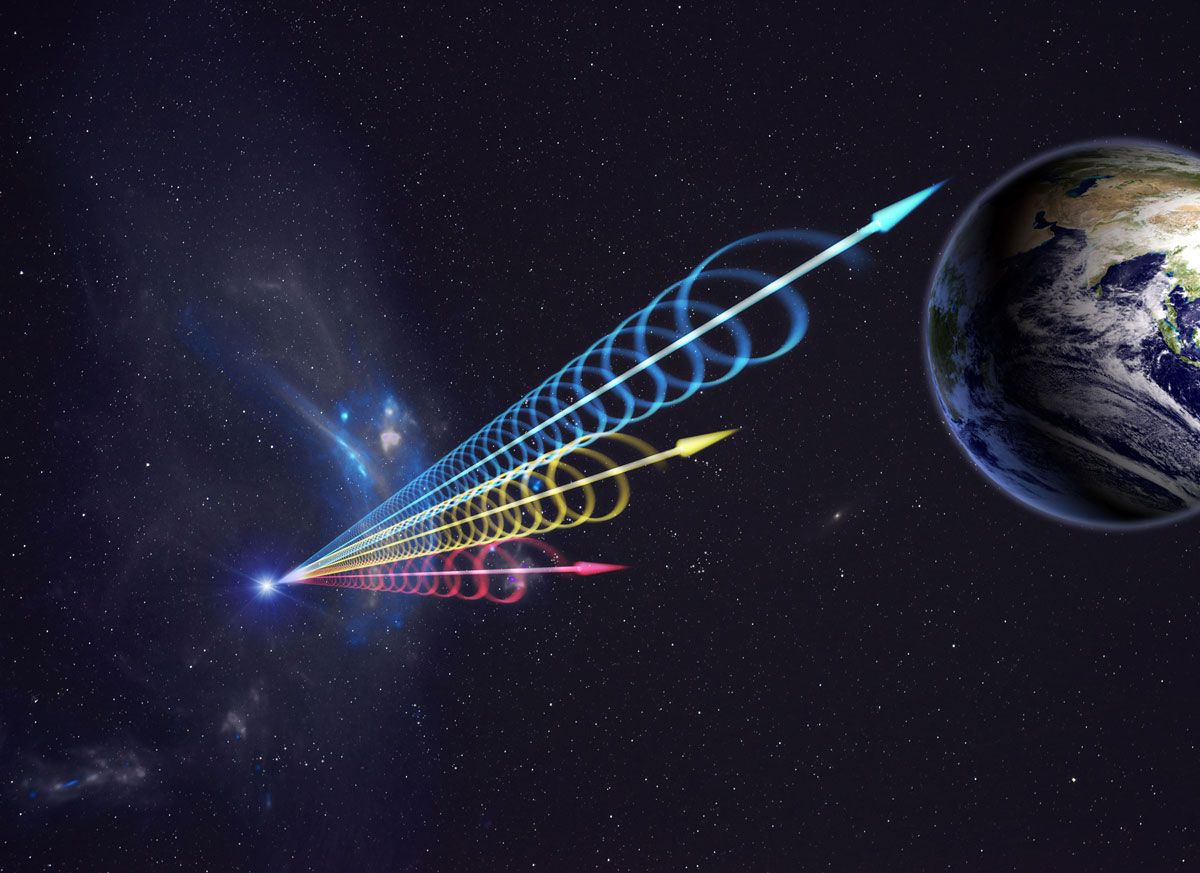
An international team of astronomers has discovered 25 new sources of repeating fast radio bursts (FRBs), doubling the total number of confirmed sources. The researchers used a new set of statistical tools developed to go over the data gathered by the Canadian Hydrogen Intensity Mapping Experiment (CHIME) radio telescope. The exact origins of FRBs are unknown, although astronomers do know that they come from outside of our galaxy and are most likely produced by the cinders left behind after stars die.
A new study from the Dunlap Institute for Astronomy and Astrophysics at the University of Toronto has developed new tools to more accurately calculate the probability of multiple radio wave bursts from similar locations, providing valuable insights into the origins and behavior of cosmic events. The study also found that some fast radio bursts (FRBs) initially thought to be isolated instances may actually be repeating but have not been observed for long enough periods to detect subsequent bursts from the source. By studying these powerful, short-lived radio signals, scientists can gain valuable insights into the complex processes that govern the formation and evolution of stars and galaxies.
Astronomers have discovered 25 new repeating fast radio bursts (FRBs), doubling the known number and bringing the total to 50. The blasts, which are so powerful they can outshine the entire galaxy from which they emerge, are mysterious in origin. The discovery of more repeating FRBs could lead to the discovery of what causes these bursts and suggests that many more FRBs could eventually repeat than previously thought. The team used a new set of statistical tools to analyze every repeating FRB ever seen, including ones that aren't immediately obvious.
Google Assistant will soon replace vocalized confirmations with a chime for simple smart home commands when you are in the same room. This change is based on feedback from the Google Nest community and internal trials. The chime will apply to all smart home devices in the room, including outlets, switches, TVs, speakers, and fans. However, you will still need to issue a command within the same room to get the quiet response.
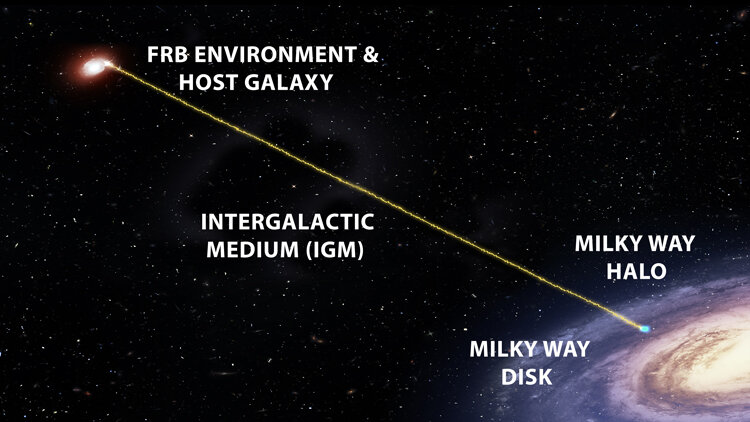
University of Toronto researcher Amanda Cook has used fast radio bursts (FRBs) to weigh the atmosphere of the Milky Way galaxy. FRBs generate brief flashes of radio waves and are considered one of the biggest mysteries in astronomy. Cook used the dispersion method to measure how much gas is present in the Milky Way's halo and discovered that it contains much less gas than previous models had predicted. FRB signals could be used to study the structure of everything that the FRB signal passes through on its long journey, including the material between galaxies, the halos of other galaxies, and the gas inside of galaxies.