Tag

Chinese Astronomers

All articles tagged with #chinese astronomers

astronomy1 year ago

"Gaia Discovers New Tidal Stellar Stream"

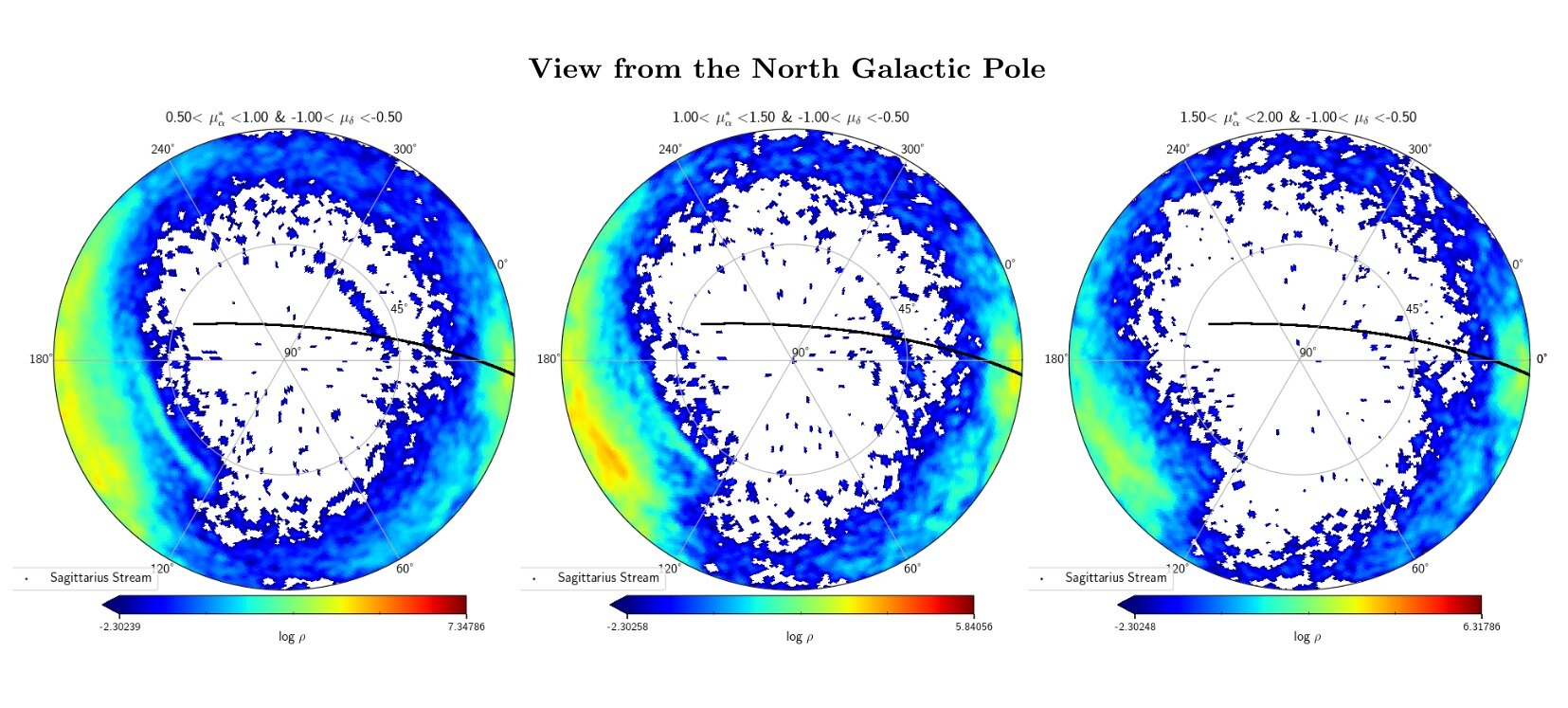
Chinese astronomers have used data from ESA's Gaia satellite to discover a new tidal stellar stream in the northern hemisphere of the Milky Way, characterized by low metallicity and high energy. The stream, approximately 80 degrees long and 1.7 degrees wide, was found at a high Galactic latitude and is associated with the merging event Sequoia. Further studies, particularly spectroscopic observations, are needed to better understand this newly detected stellar stream and its properties, with implications for the potential discovery of more such structures in the galaxy.
astronomy2 years ago

Chinese Astronomers Uncover Groundbreaking Tidal Disruption Event

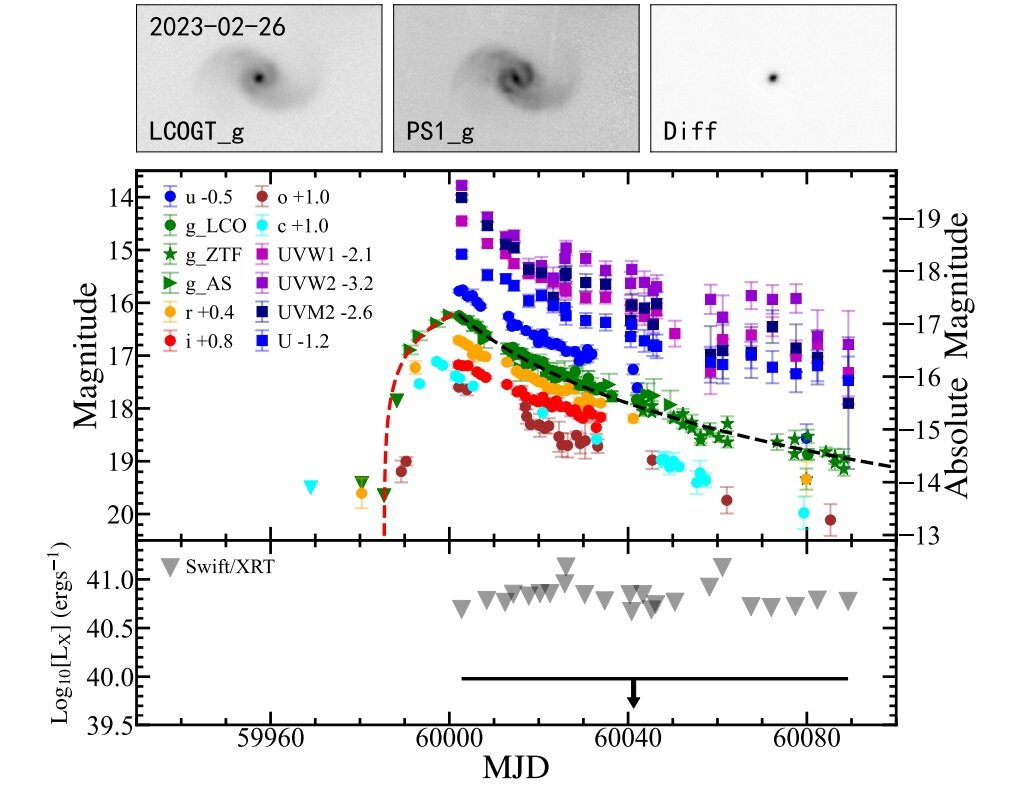
Chinese astronomers have discovered a new faint tidal disruption event (TDE) called AT 2023clx, which is the faintest and closest optical TDE ever detected. TDEs occur when a star is torn apart by the tidal forces of a supermassive black hole. The discovery was made in the nearby star-forming galaxy NGC 3799, and follow-up observations confirmed its nature as a faint TDE. The findings suggest that there may be many more faint TDEs waiting to be discovered.

astronomy2 years ago

Revolutionary Method for Calculating Cosmic Distances Unveiled

Chinese astronomers have proposed a new method of measuring distances in the universe using a specific subset of RR Lyrae stars called double-period RR Lyrae stars (RRd stars). By analyzing the pulsations and brightness of these stars, astronomers can establish a period-luminosity relation independent of the elemental abundance, eliminating the need for spectroscopic observations. This new method could increase the accuracy of distance measurements to nearby galaxies by 1-2%, providing valuable insights into the evolution of the universe and the role of dark matter.

astronomy2 years ago

Arp 269 exhibits long tidal tails in galaxy pair.

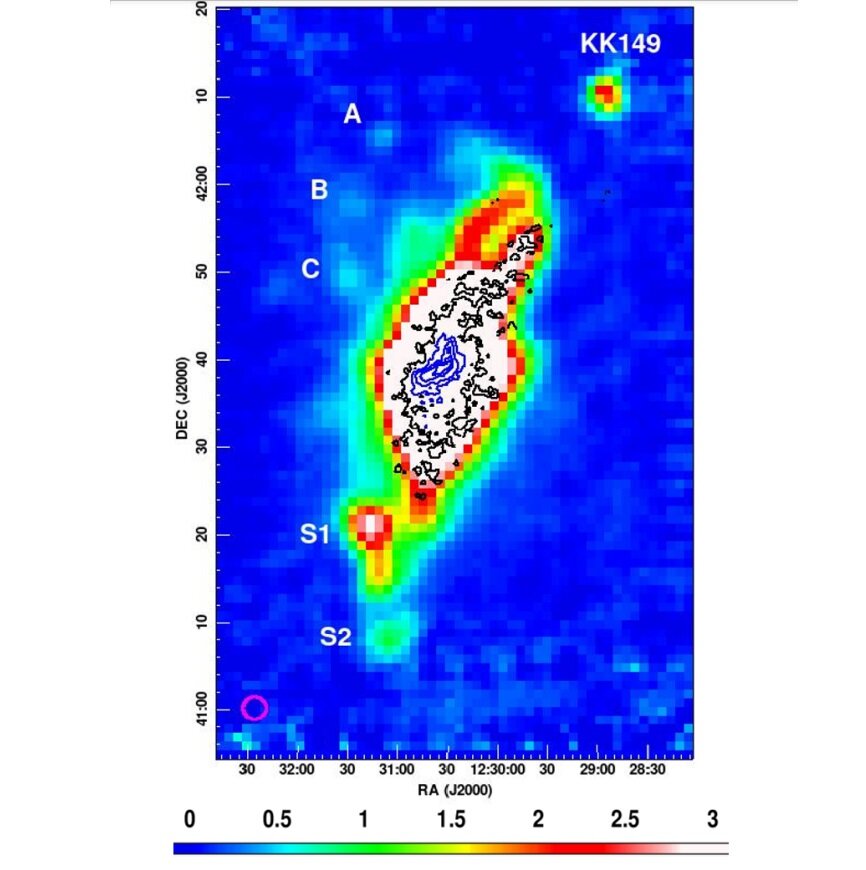
Chinese astronomers using the FAST telescope have detected long tidal tails emerging from the galaxy pair Arp 269, consisting of a smaller irregular galaxy NGC 4485 and a larger barred spiral galaxy NGC 4490. The tails extend in both the south and north directions, reaching together a size of about 325,000 light years. The researchers suggest that the tails are the debris torn out from the NGC 4485 disk due to interaction with the NGC 4490 galaxy. The study also detected a collimated gas component pointing at a nearby dwarf galaxy known as KK 149, located about 160,000–200,000 light years away from NGC 4490.

astronomy2 years ago

Chinese astronomers discover new variable star.

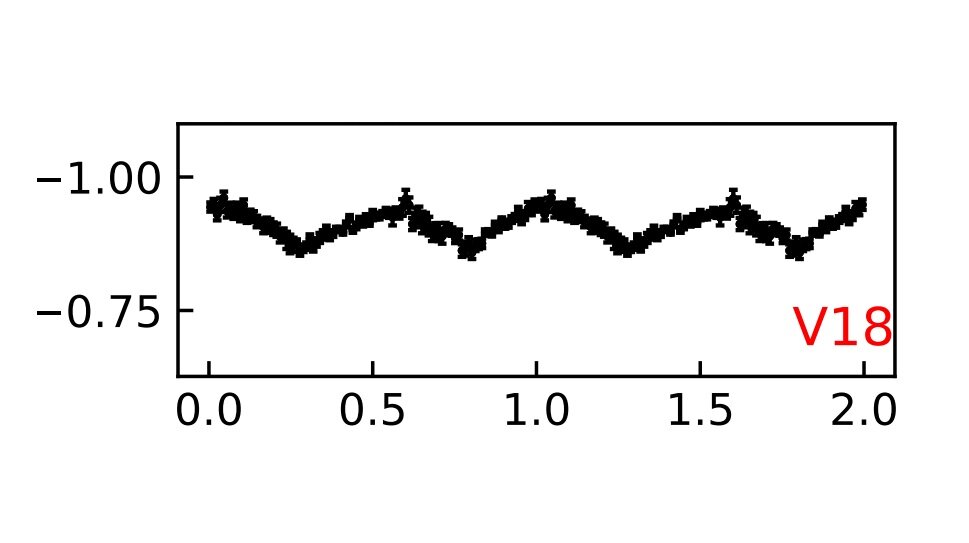
Chinese astronomers have discovered a new variable star, V18, using the Nanshan One-meter Wide-field Telescope (NOWT) during a photometric survey of the old open cluster NGC 188. The study detected 25 variable stars, out of which one turned out to be a new detection. The newly discovered star is a periodic variable with a period of approximately 0.317 days and is most likely a W Ursae Majoris (EW) system. The data obtained by the team also allowed them to reclassify one previously known variable.