
Tag

Embryo Models

All articles tagged with #embryo models

"Unlocking the Secrets of Human Development: Stem Cell Models Illuminate Our Earliest Days"

Originally Published 2 years ago — by The Associated Press
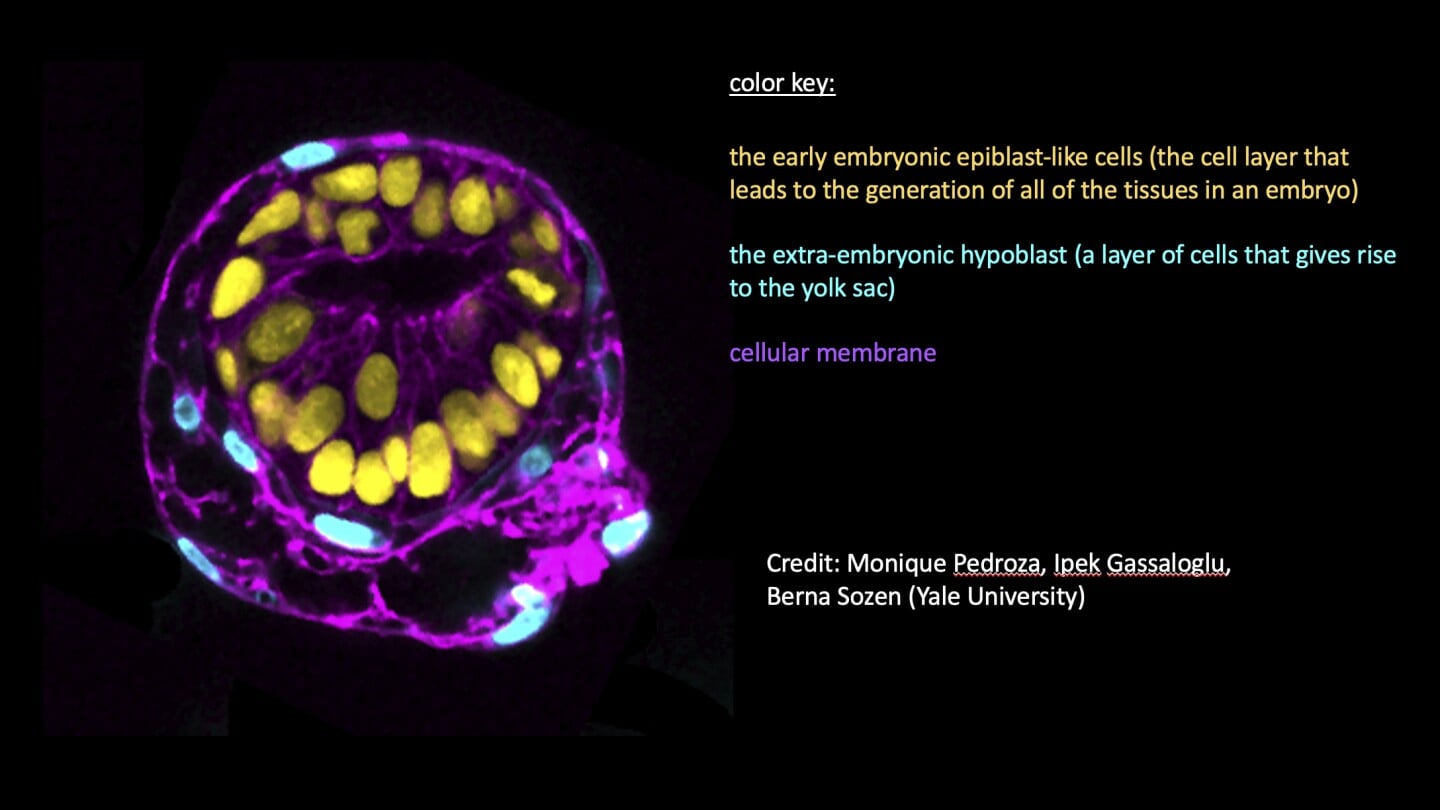
Featured image for "Unlocking the Secrets of Human Development: Stem Cell Models Illuminate Our Earliest Days"
Source: The Associated Press

Scientists have created embryo models using stem cells to study early human development and understand medical problems that occur before birth. These models, which resemble embryos after implantation in the uterus, provide insights into the hidden stages of human development. Researchers from the United States, England, Israel, and China have published studies on their work, describing models that mimic human embryos up to 14 days after fertilization. These models can help study embryonic failure, developmental disorders, and pregnancy loss, as well as explore the effects of the environment and chemicals on early development. However, ethical guidelines prevent the use of these models for reproduction, and they are not subject to the "14-day rule" that limits the growth of actual embryos in the lab.
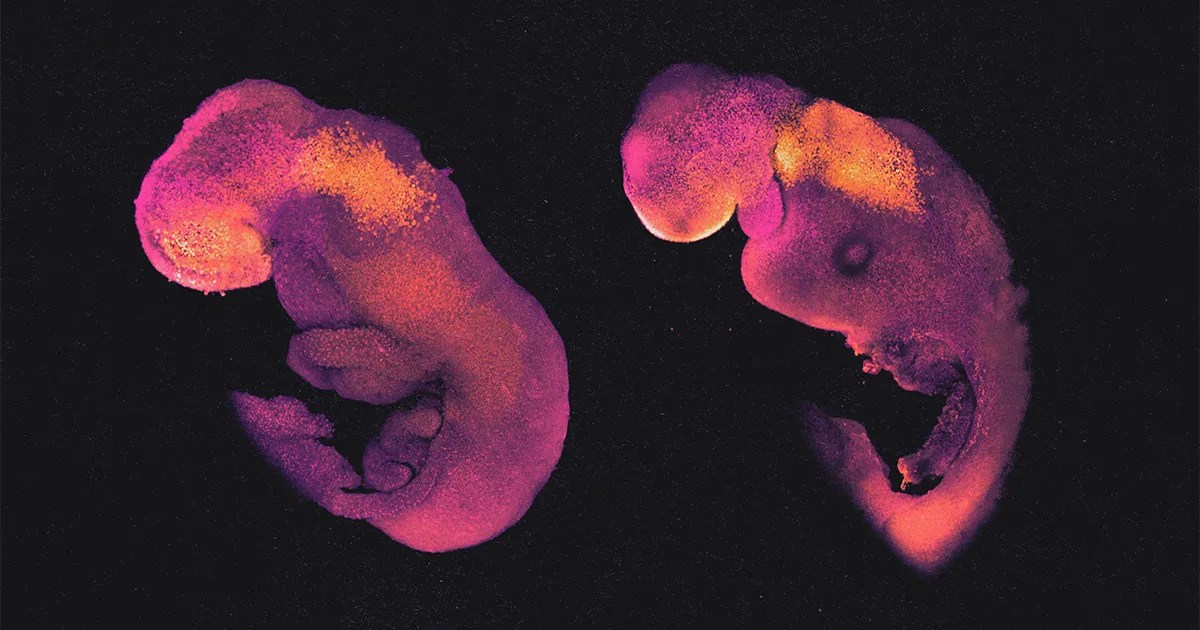
The Complexities of Embryo Models: Legal, Ethical, and Biological Implications.

Originally Published 2 years ago — by Quanta Magazine

Featured image for The Complexities of Embryo Models: Legal, Ethical, and Biological Implications.
Source: Quanta Magazine

Embryo models made from embryonic stem cells can self-organize into a hollow form shaped like a peanut shell and comparable in appearance to a regular embryo undergoing gastrulation. These models can be used to experimentally study human development and perhaps lead to a better understanding of defects that cause miscarriages or deformities. However, the ethical and biological boundaries become blurry as the models get better and further along. The failure rate for growing embryo models is very high, and more work is needed to understand both the similarities to normal embryos and the differences that may explain why mouse embryo models haven’t been able to grow beyond 8.5 days.