The article discusses the emerging concept of 'Physical AI,' which refers to autonomous systems like self-driving cars and robots that interact with the real world using sensors and AI, highlighting the automotive industry's push towards advanced autonomous technology and the significant role of chipmakers like Nvidia and ARM in this trend.
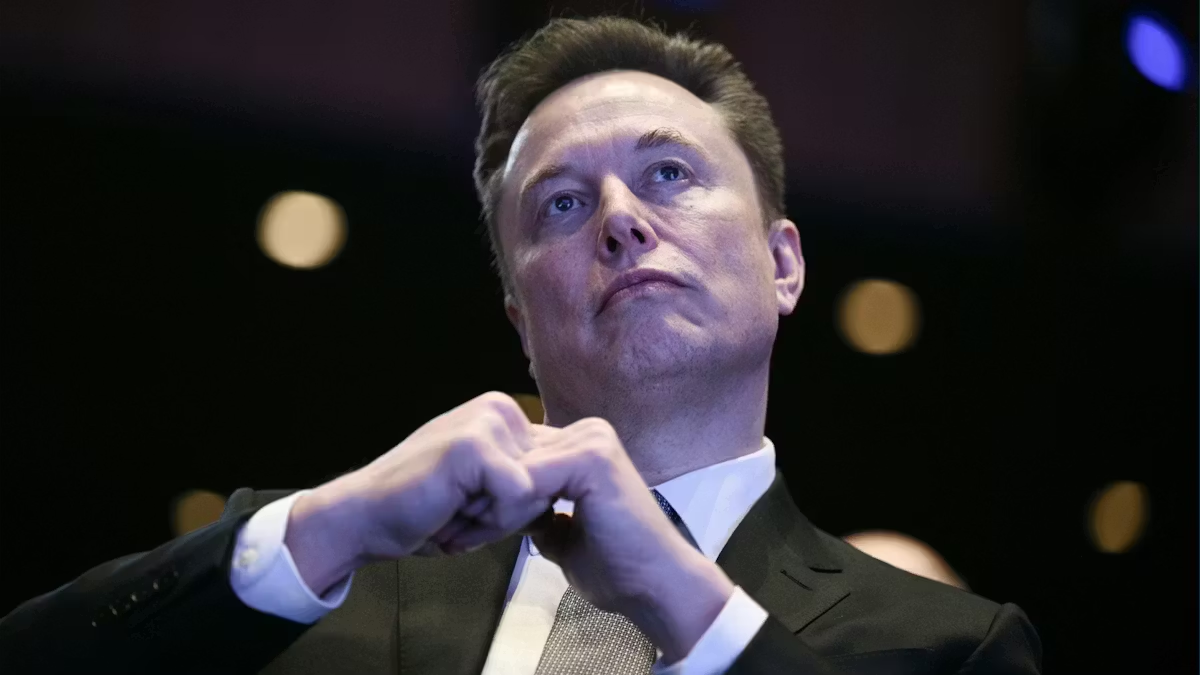
Tesla CEO Elon Musk dismisses Nvidia's announcement of its own autonomous vehicle AI, claiming it is similar to Tesla's approach and expressing confidence that Tesla will maintain its lead in self-driving technology, despite Nvidia's plans to test robotaxi services by 2027. Tesla's stock has experienced recent declines, but Musk remains optimistic about Tesla's long-term prospects in autonomous driving.
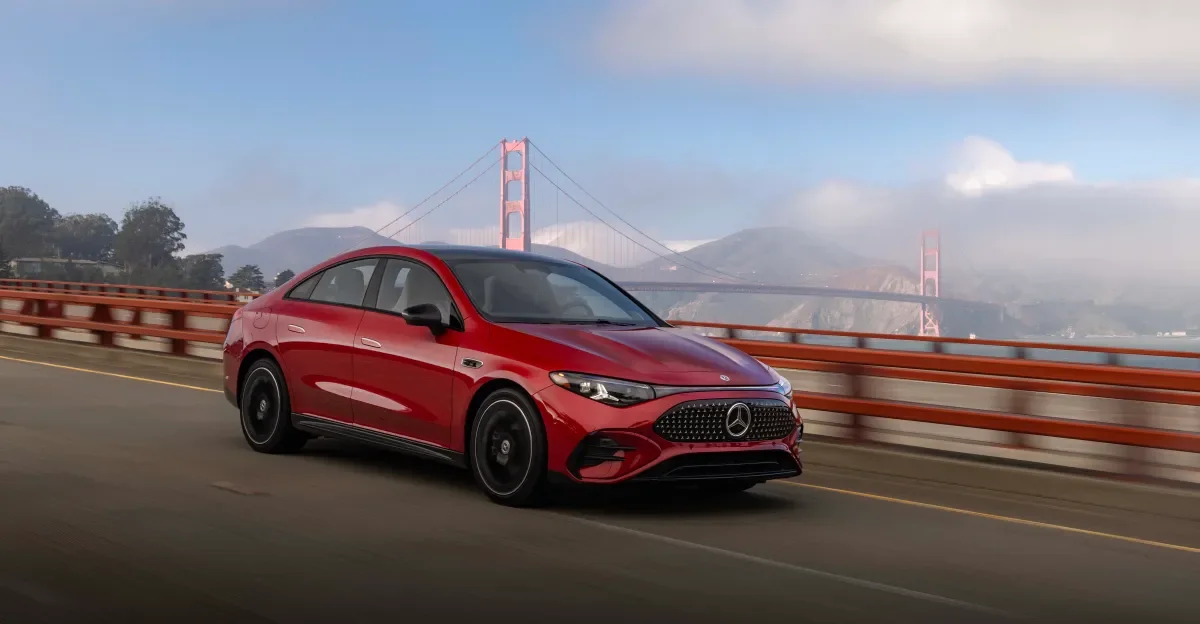
Nvidia announced Alpamayo, an AI platform that enables self-driving cars to reason and handle complex scenarios, and revealed a driverless Mercedes-Benz CLA powered by this technology, with plans to expand autonomous vehicle and robotaxi services globally. The company also introduced Rubin AI chips for more efficient AI computing, reinforcing its leadership in physical AI ecosystems.
Nvidia showcased a Level 2 driver-assist system in a Mercedes-Benz that competes with Tesla's Full Self-Driving, demonstrating rapid progress towards full autonomy with plans for Level 4 capabilities by 2028, challenging Tesla and Waymo in the autonomous vehicle race.
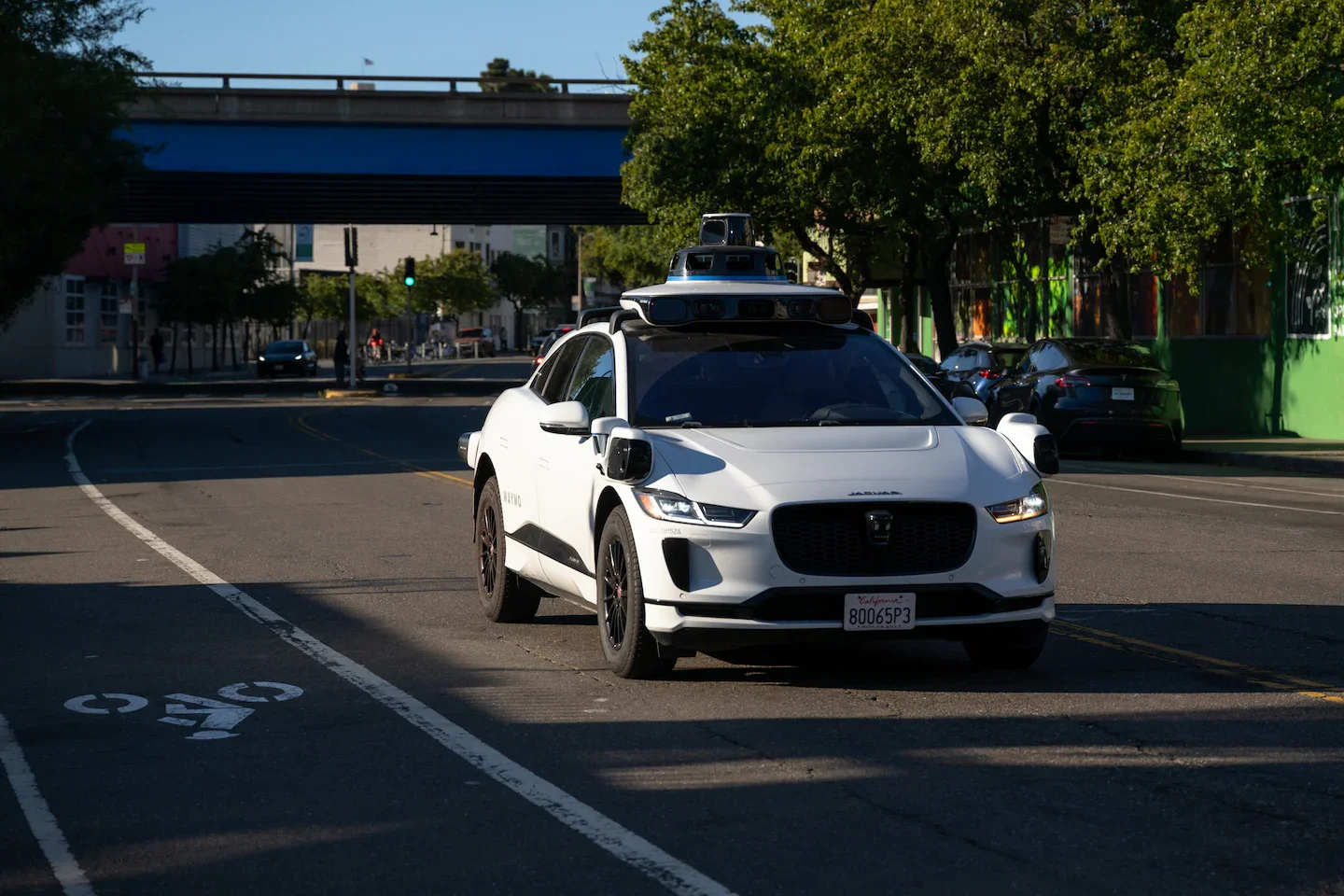
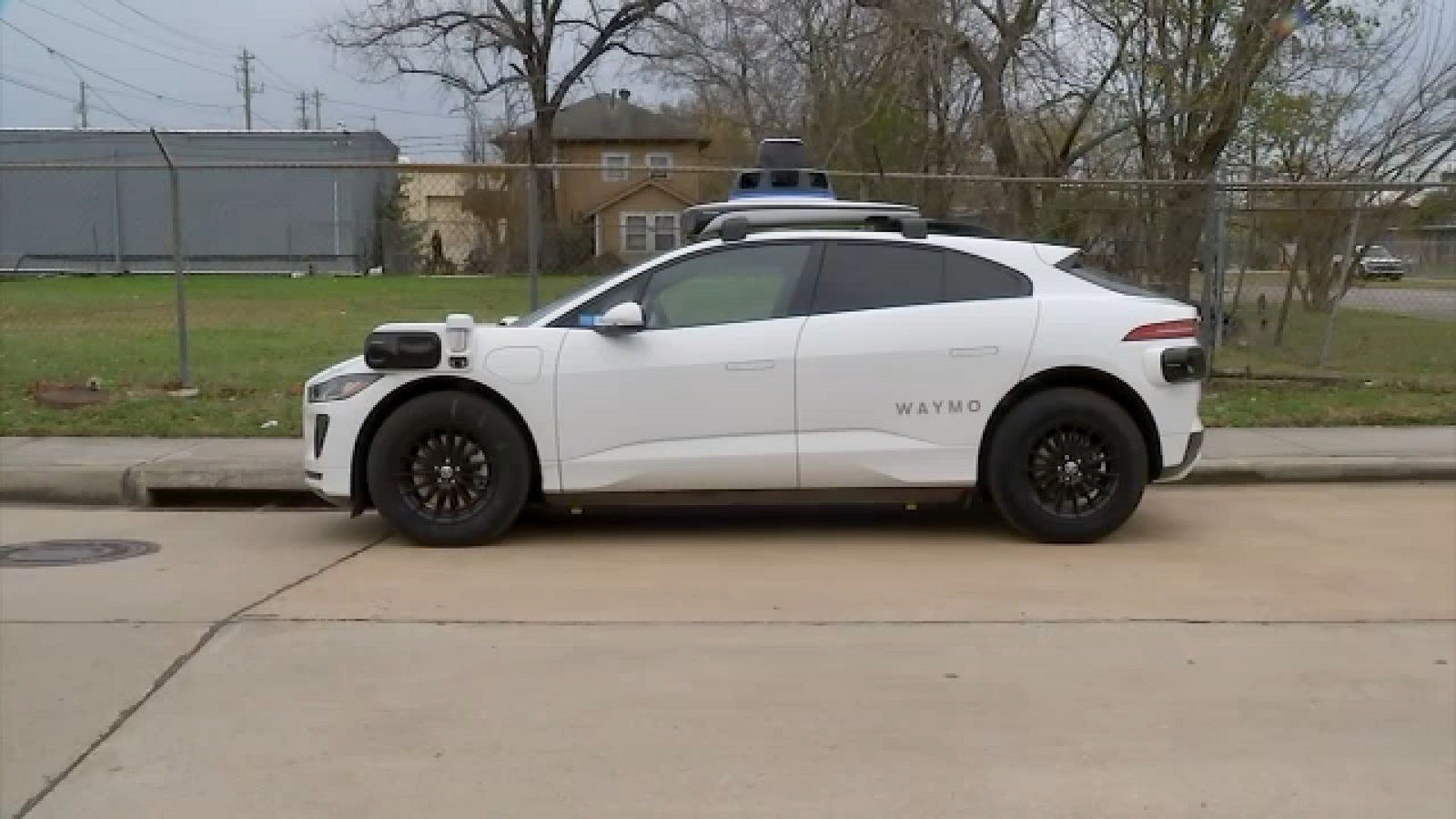
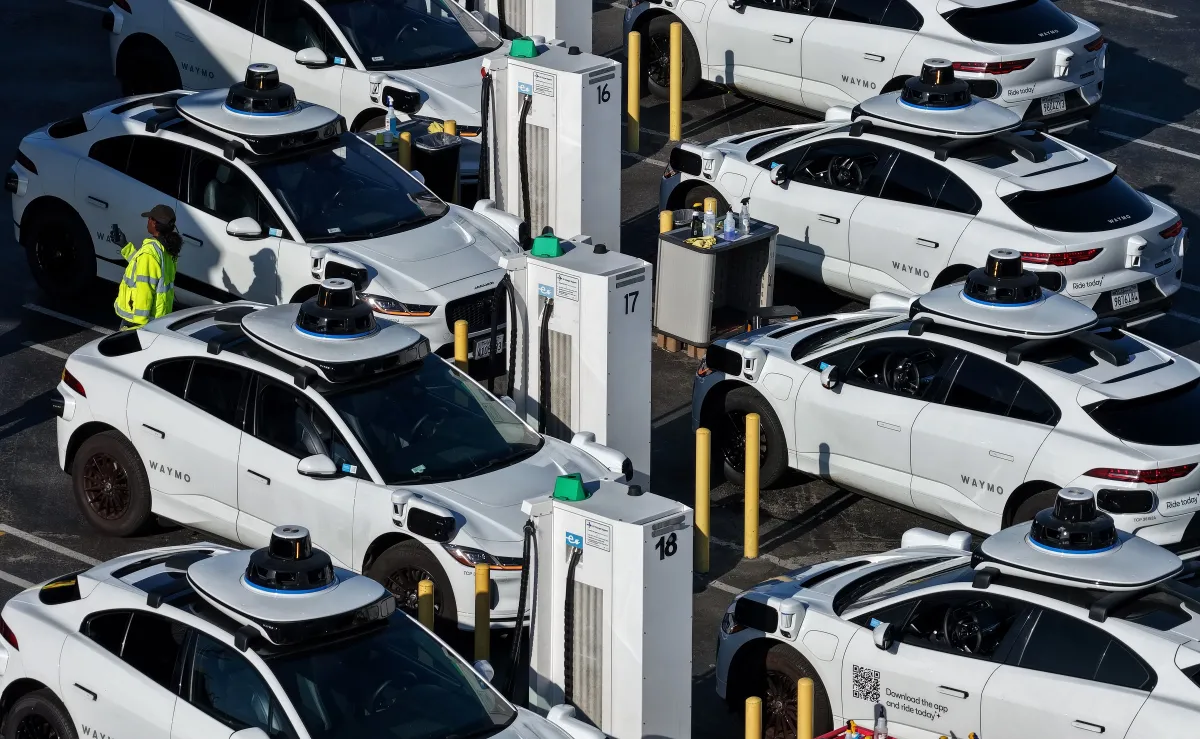
The City of Houston announced it will monitor areas where Waymo self-driving cars have been seen idling for days on residential streets, in response to reports of vehicles sitting for extended periods beyond the 24-hour limit allowed by city ordinance.
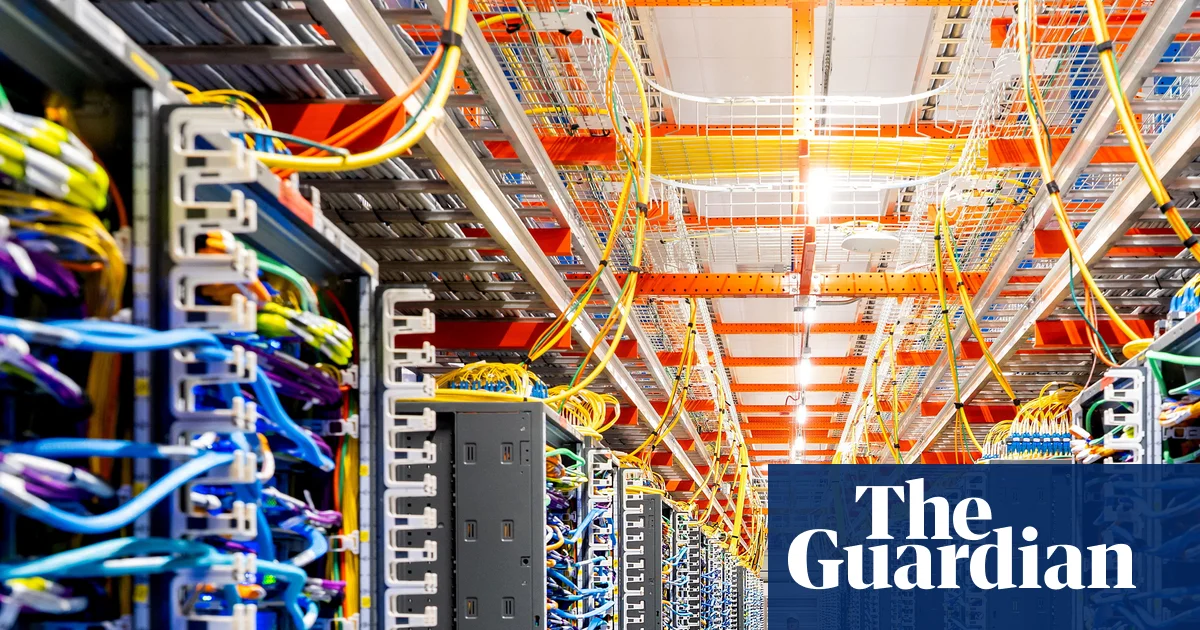
In 2026, global expansion of datacenters driven by major tech investments, the widespread deployment of self-driving cars in major cities, AI finding new niches at work, innovative consumer tech with new form factors, and the continued wealth growth of tech billionaires are expected to be key trends shaping the tech landscape.
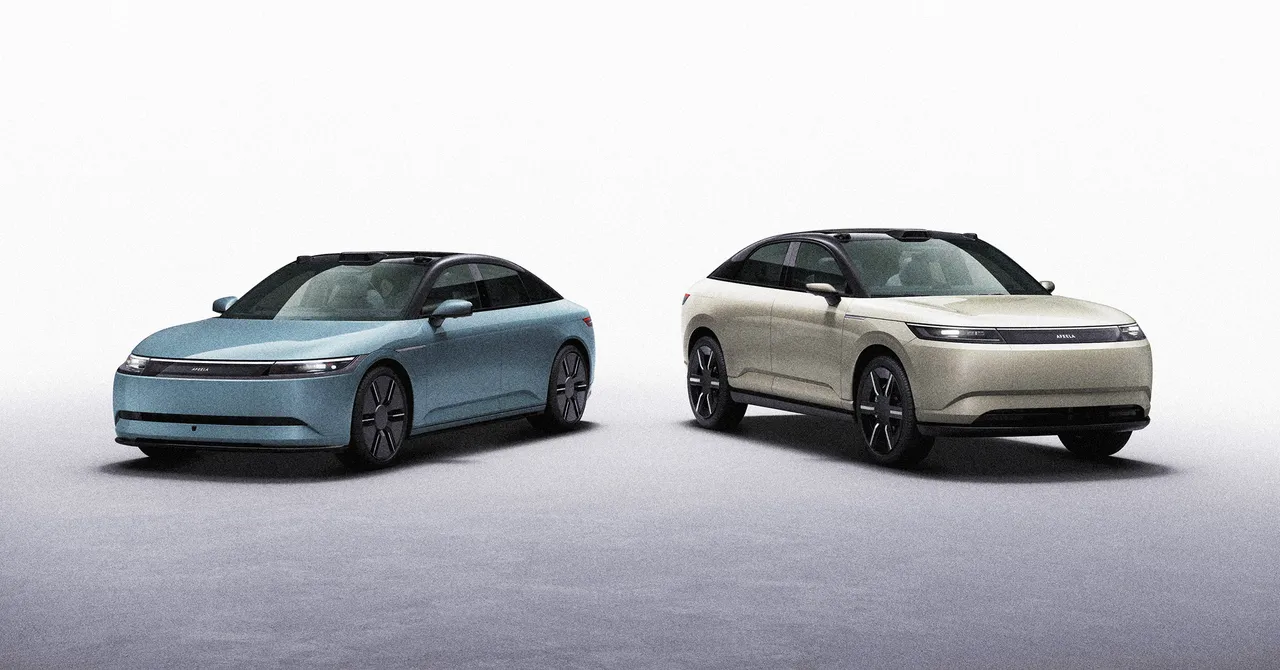
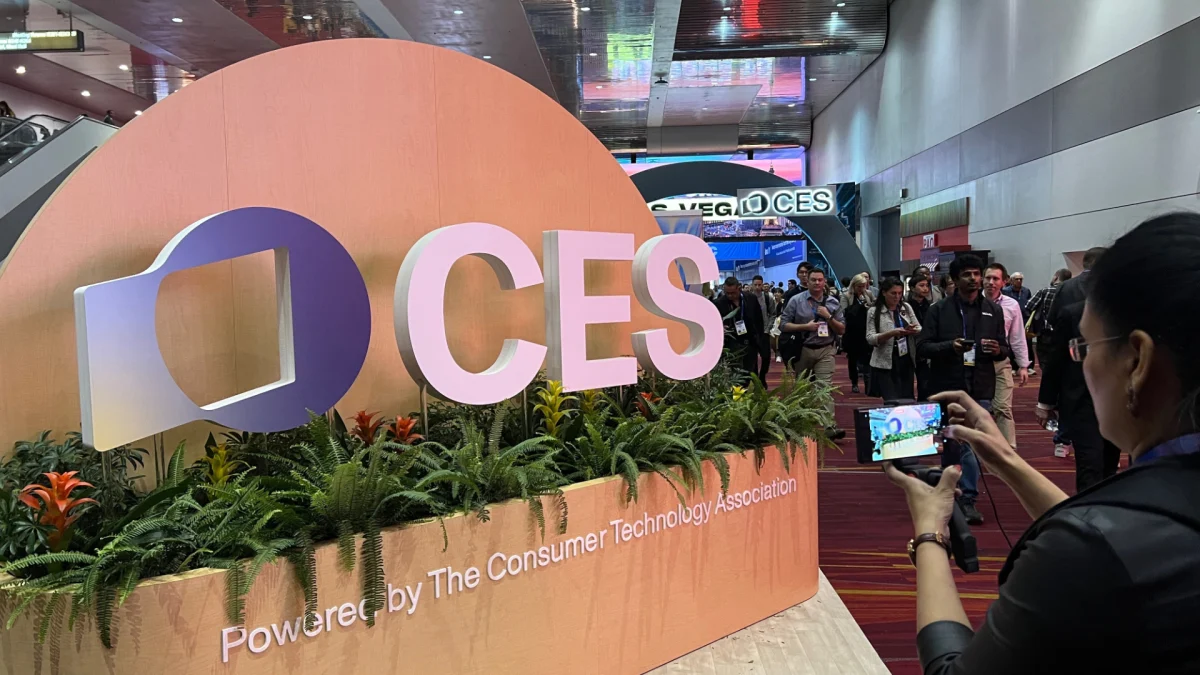
CES 2026 in Las Vegas will showcase the latest in consumer tech, including new Micro RGB TVs from Samsung and LG, innovative foldable phones from Samsung and Motorola, advanced robots from LG, Samsung, and Roborock, self-driving cars from Sony Honda and others, powerful new chips from Intel, Nvidia, AMD, and Qualcomm, and a strong emphasis on AI integration across devices and systems.
The article discusses how Elon Musk's ambitious promises regarding self-driving vehicles, artificial intelligence, and robotics have faced challenges and discrepancies when compared to actual technological developments and real-world outcomes.
Waymo's autonomous robotaxi fleet in San Francisco faces repeated setbacks, including a recent suspension due to a storm warning and incidents highlighting its struggles to handle complex city scenarios, raising concerns about the safety and practicality of widespread autonomous vehicle deployment.
Tesla's push for self-driving technology, including features like texting while in motion, raises safety concerns amid regulatory scrutiny and competition from rivals like Waymo, with critics warning that Musk's claims may create a false sense of security among drivers.
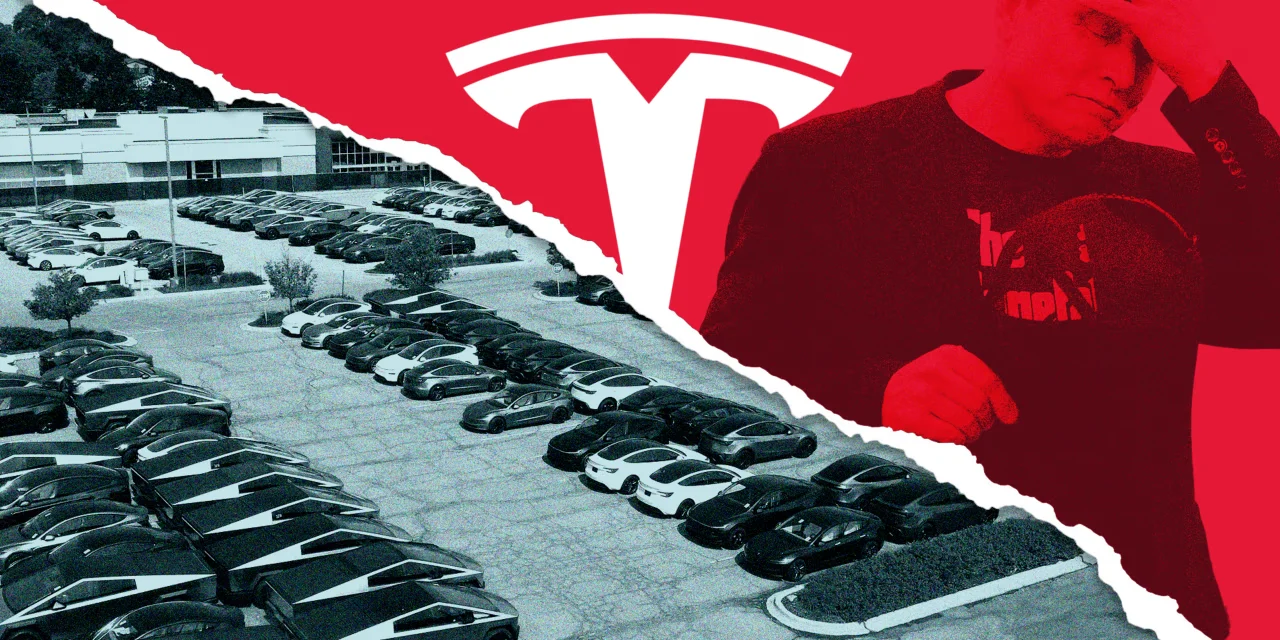
Tesla's future is heavily focused on AI, self-driving cars, and humanoid robots, with significant investments in robotaxi services, new chips, and humanoid robots, despite delays and challenges. The company's stock has rebounded in 2025, driven by optimism about its AI-driven innovations, though some targets may be missed. Tesla aims to expand its robotaxi fleet, gain regulatory approvals, and develop new products, including the Optimus humanoid robot and next-generation chips, with a potential valuation of $3 trillion.
Stock markets are on track for weekly gains, with Nvidia's largest acquisition ever involving Groq, and updates on Google account changes, Waymo's service pause due to weather, and rising leather goods prices due to tariffs.
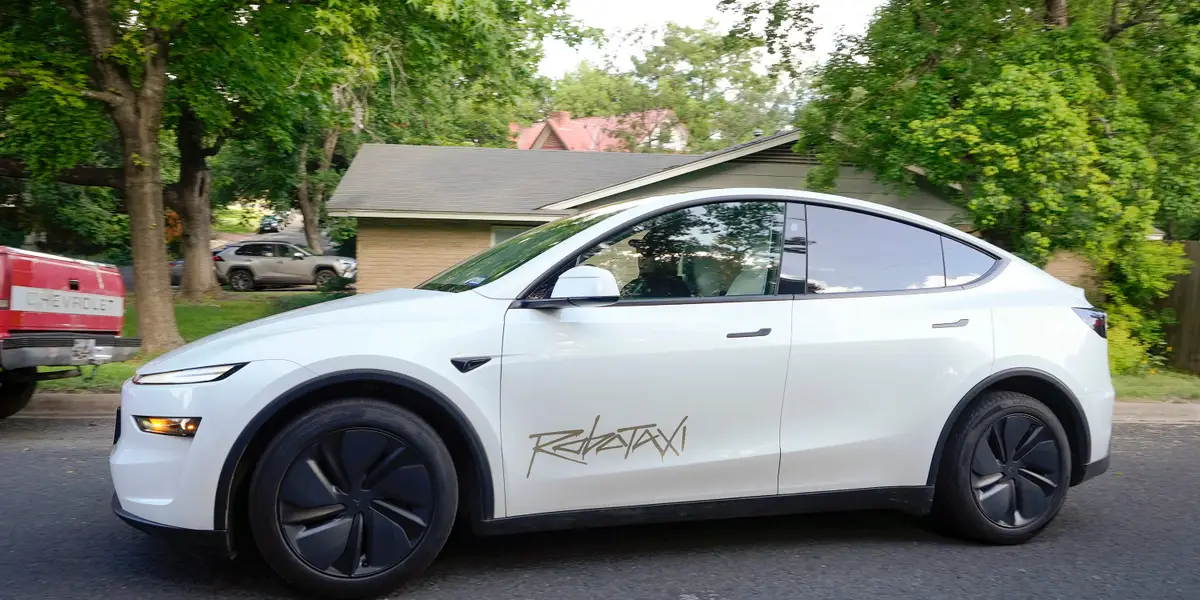
Tesla is recruiting factory workers and sales staff to operate its 'Robotaxi' fleet as AI drivers, aiming to expand its autonomous ride-hailing service in the Bay Area and other cities, with plans for full autonomy in the future.
Waymo, a subsidiary of Alphabet, has expanded its self-driving car testing and plans to operate fully autonomous vehicles in Philadelphia, pending regulatory approval from PennDOT, after successful local tests and experience in other cities. The company aims to introduce driverless rides in the city, although it faces technical challenges and potential resistance from unions.