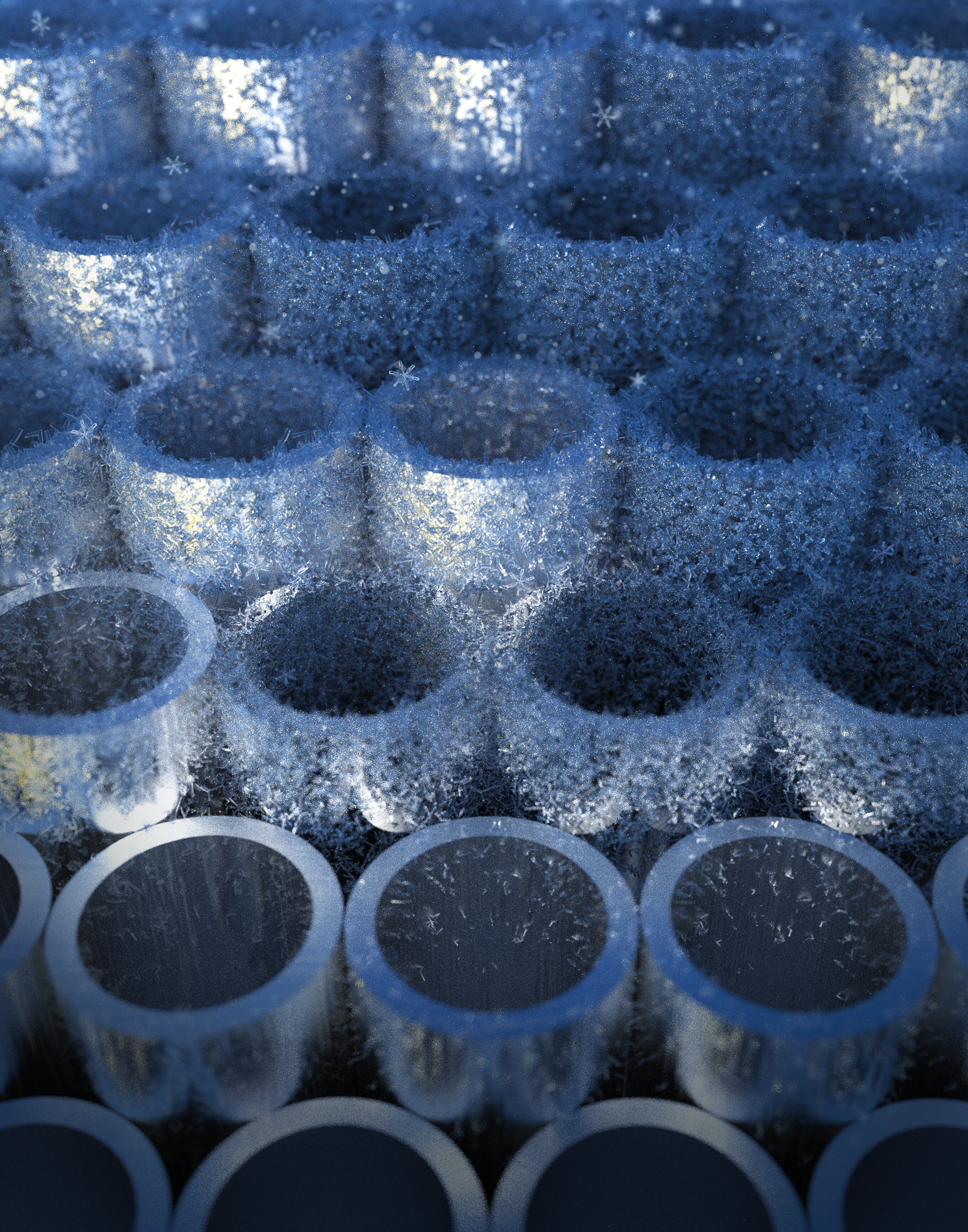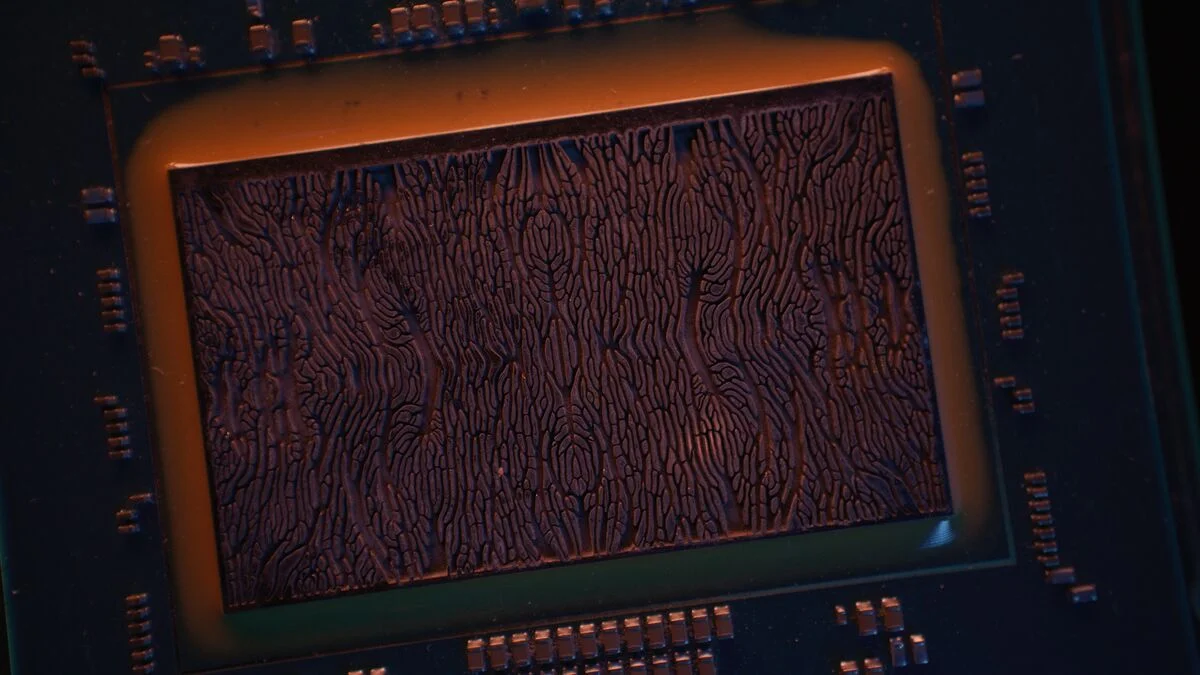
Microsoft is experimenting with microfluidic cooling for AI and server chips, which involves sending fluid directly through tiny channels etched into the chips to improve cooling efficiency and enable overclocking, potentially leading to more powerful hardware and energy savings in data centers.

A leaked image suggests the iPhone 17 Pro Max will feature vapor chamber cooling technology, potentially improving heat dissipation and maintaining high performance under demanding conditions, especially for power users and in warm climates.
A professor at the University of Virginia has developed a prototype device that uses a tiny plasma laser to cool surfaces in space or high-altitude environments. Inspired by Mr. Freeze from "Batman," the device can lower surface temperatures by several degrees in just a few microseconds by ripping off absorbed species and releasing energy. The technology aims to address the challenge of cooling electronics in spacecraft and high-altitude jets without the need for heavy coolant, potentially improving efficiency in these environments.
A new wave of personal cooling devices is hitting the market, offering portable solutions to beat the heat. With the increasing frequency and intensity of heatwaves, these devices aim to provide individuals with a way to stay cool on the go. From wearable cooling vests to handheld misting fans, these portable devices utilize innovative cooling technologies to provide relief during hot summer days.
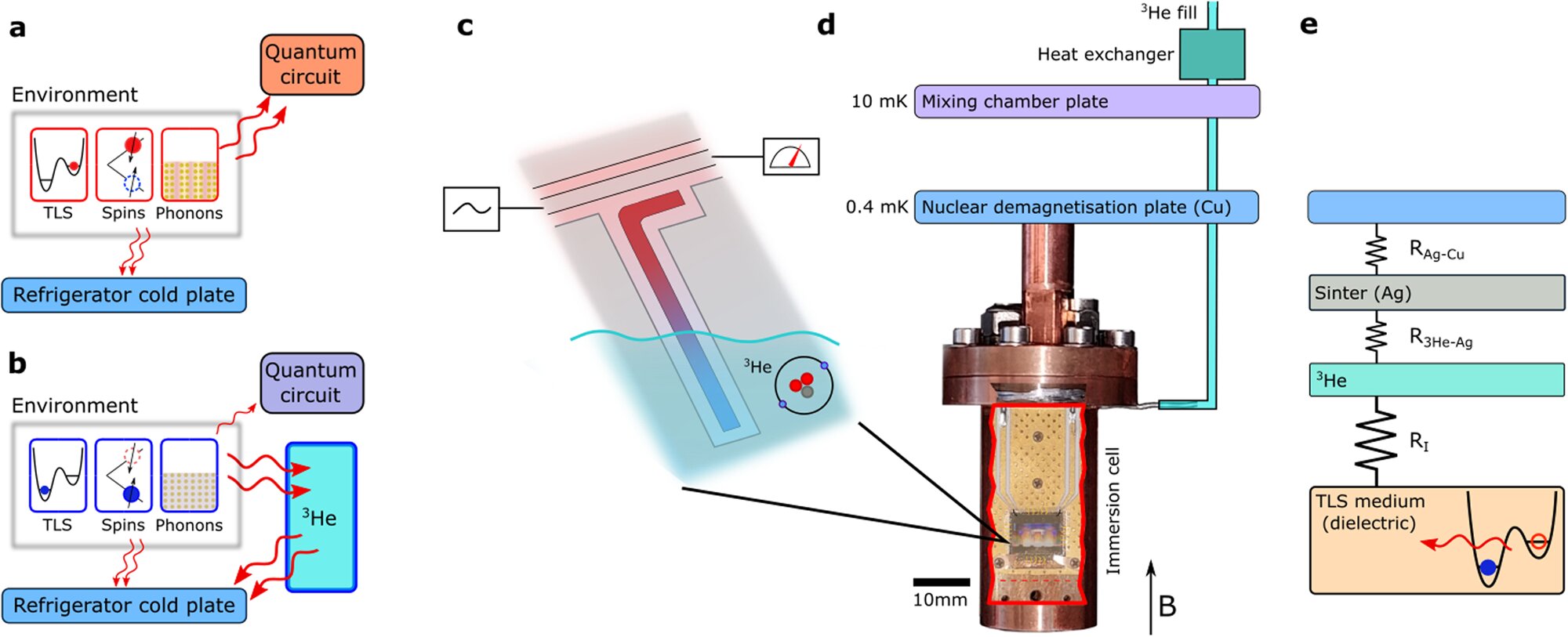
Researchers have developed a new cooling technology for quantum circuits that involves immersing the circuit in liquid Helium-3, which has superior thermal properties. This technology cools the circuit to almost 100 times lower temperature than achieved before, reducing noise and energy losses caused by material defects. The mechanism has the potential to improve coherence of quantum circuits significantly, which is currently the biggest challenge in scaling up and building practical quantum computers. The researchers are confident that this technology can be scaled up to immersion-cool much larger quantum circuits to benefit future quantum computing developments.
A team of Maryland Engineering Professors has introduced a high-performance elastocaloric cooling system that could represent the next generation of cooling devices. The system relies on pushing and pulling pieces of metal to create cooling, bypassing chemical refrigerants. The key feature is the compression and release of fatigue-resistant nickel-titanium tubes configured in a versatile, multimode heat exchange architecture. The team says it's possible to improve the performance of its system enough to make the technology commercially viable within several years.