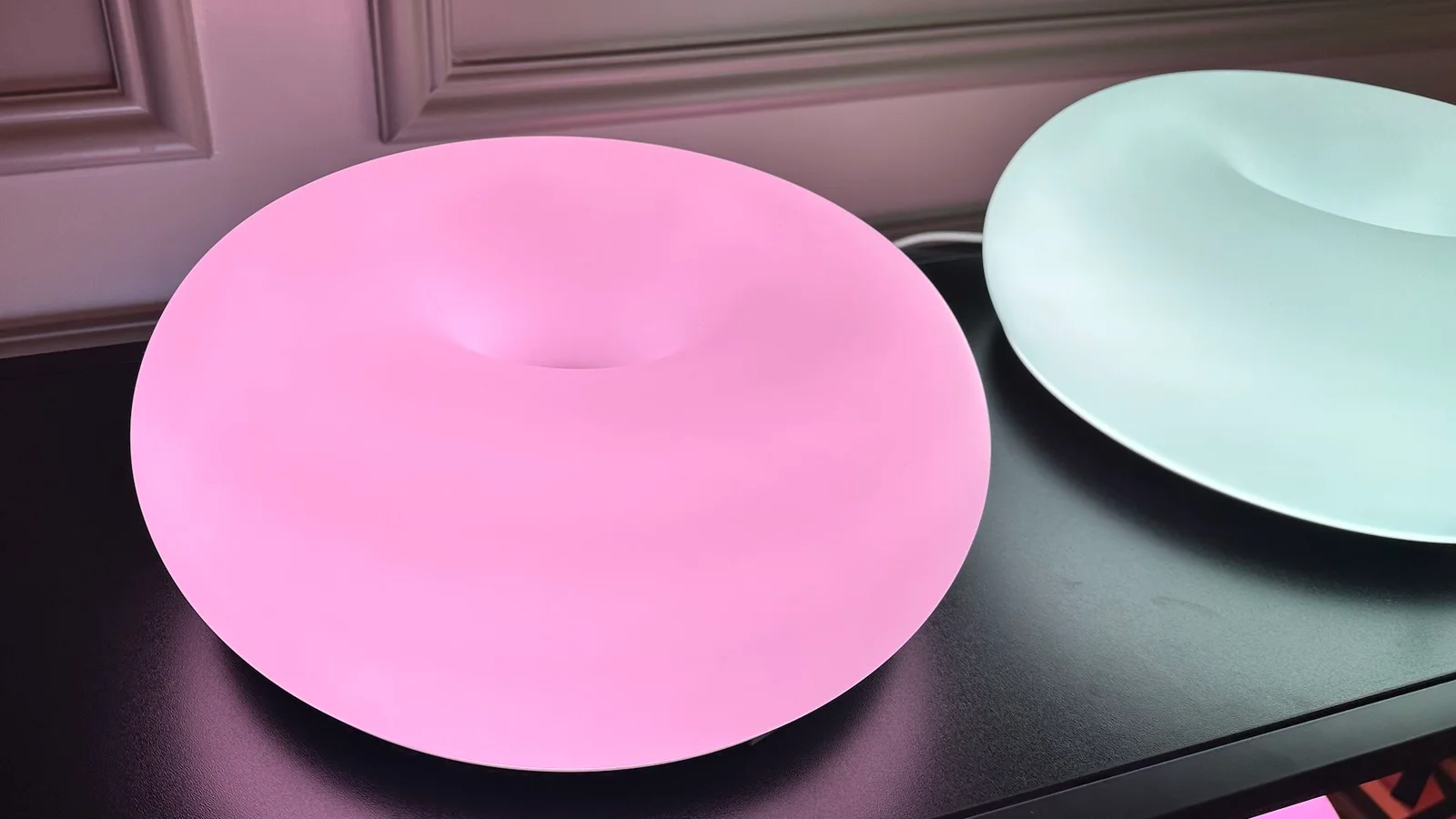
IKEA has released a smart version of one of its most iconic lamps, featuring seamless color transitions between hues rather than abrupt changes, signaling a stylish blend of design and smart lighting.
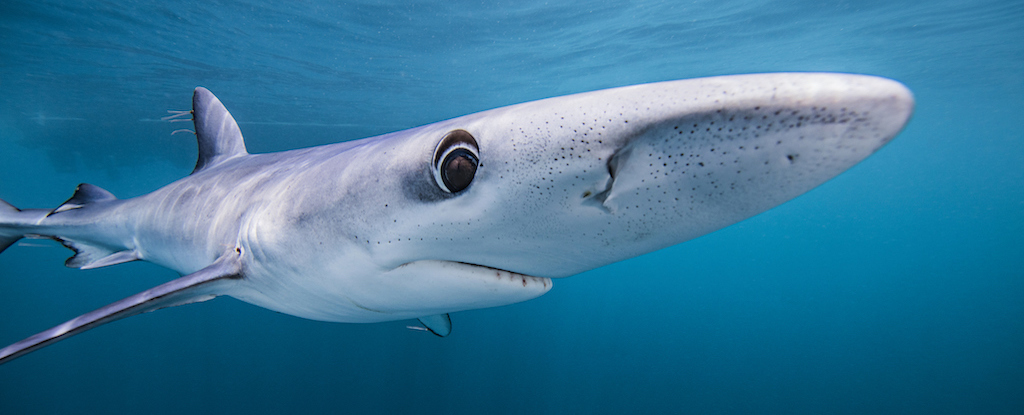
Scientists have discovered that blue sharks possess nanostructures in their skin that not only produce their characteristic blue color but may also enable them to change color like chameleons, potentially enhancing their camouflage abilities in response to environmental changes.
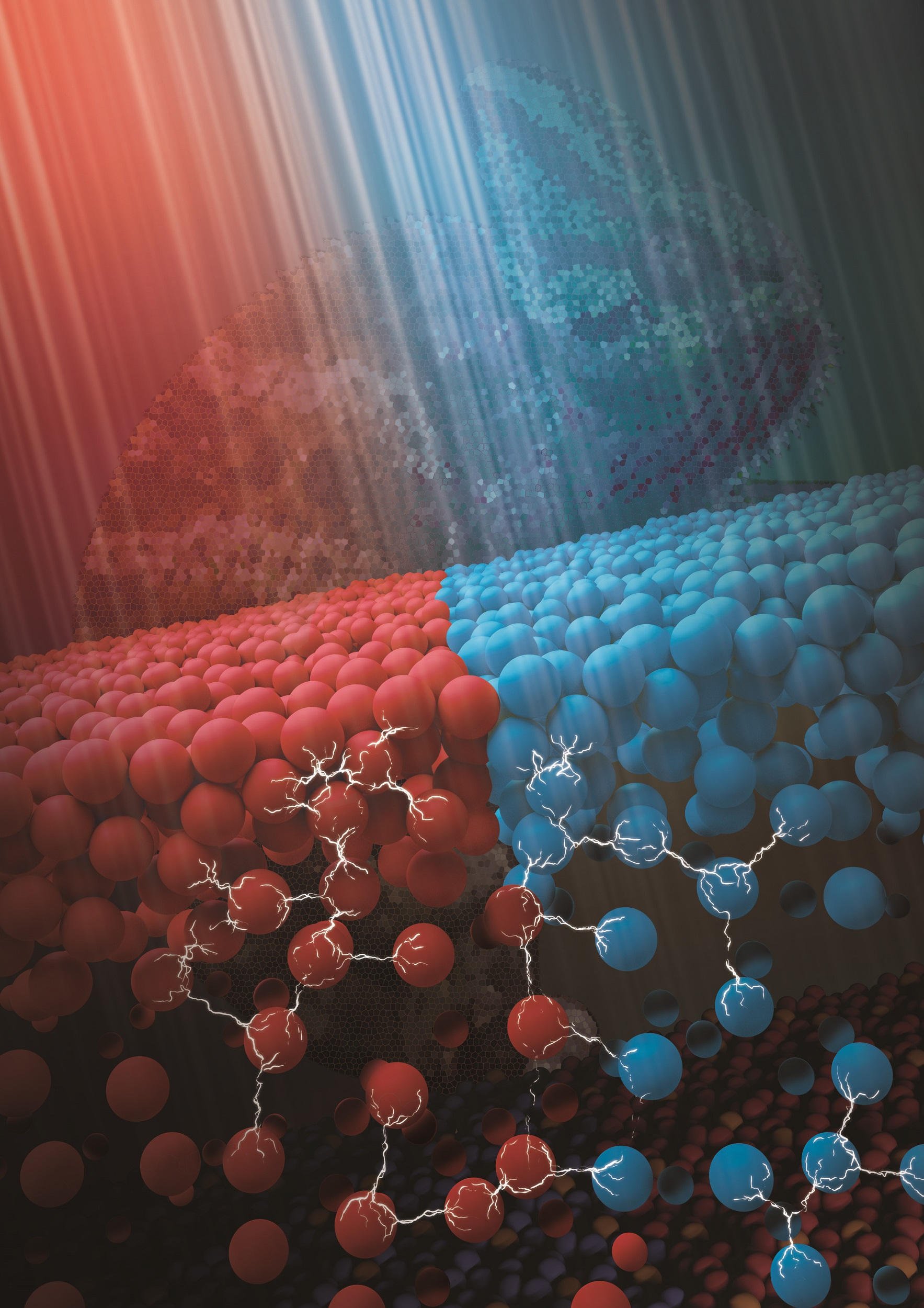
Researchers from The University of Hong Kong have developed a new photochromic colloidal swarm inspired by the color-changing ability of cephalopods. The team created a wavelength-selective intelligent colloid system using microbeads that can adapt to different light settings, resulting in programmable color changes. Unlike existing materials, this new system rearranges existing pigments rather than generating new ones, making it more reliable and versatile. The findings have potential applications in electronic ink, displays, and active optical camouflage, representing a major breakthrough in the field of active matter.
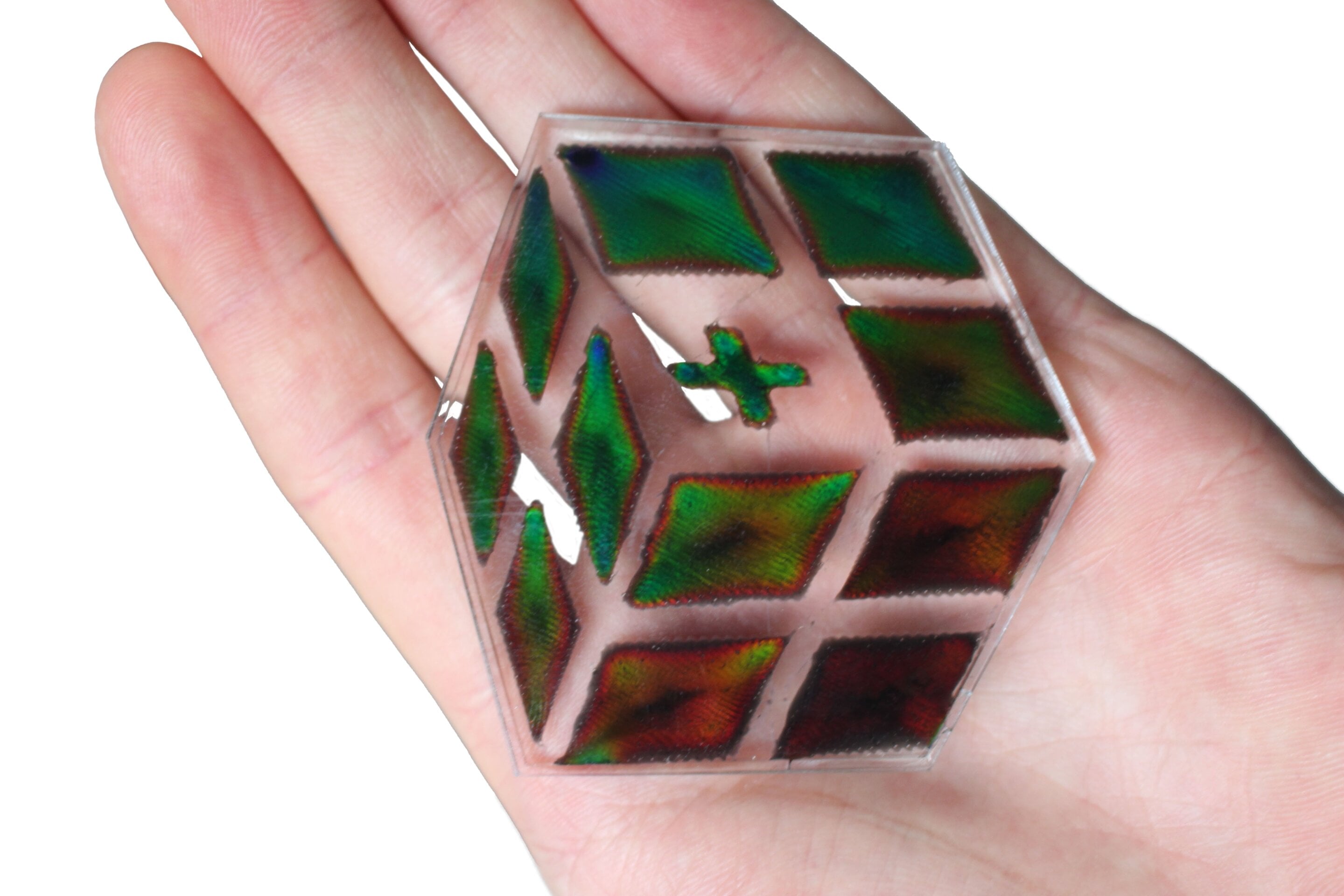
Researchers at Empa have developed a 3D printable material that is biodegradable, conductive, and changes color based on temperature. The material is made from a mixture of hydroxypropyl cellulose (HPC) and carbon nanotubes, which allows it to exhibit structural coloring. By adding cellulose nanofibers, the material can be 3D printed without affecting its properties. Potential applications include strain sensors, displays, and biomedical diagnostics. The researchers aim to further explore the possibilities of this cellulose-based material.
Youthforia, an Asian woman-owned small business, offers environmentally friendly and cruelty-free makeup made with renewable ingredients. Their color-changing makeup adjusts to the skin's pH, providing a personalized and long-lasting rosy glow. Customers praise its smooth texture and easy application. Available in two colors for $36.