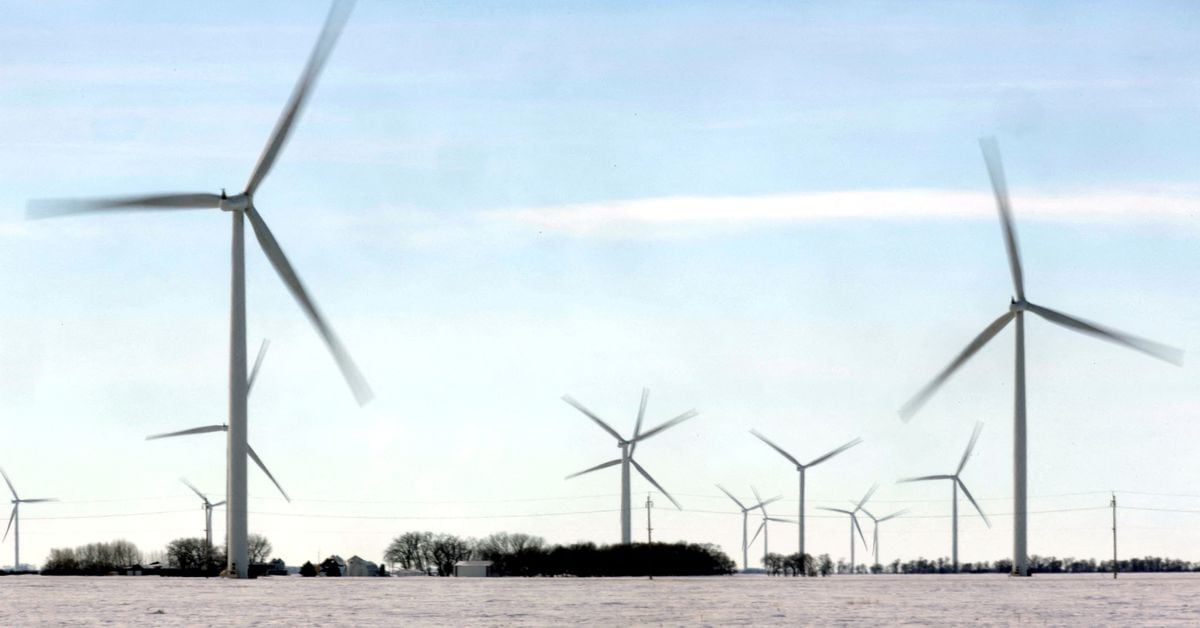
Venture capitalists' recent trip to China revealed the country's overwhelming dominance in clean tech sectors like batteries and renewable energy, leading Western investors to deem many of these assets uninvestable due to China's advanced manufacturing, supply chain control, and technological progress, which pose significant challenges for Western competitors.
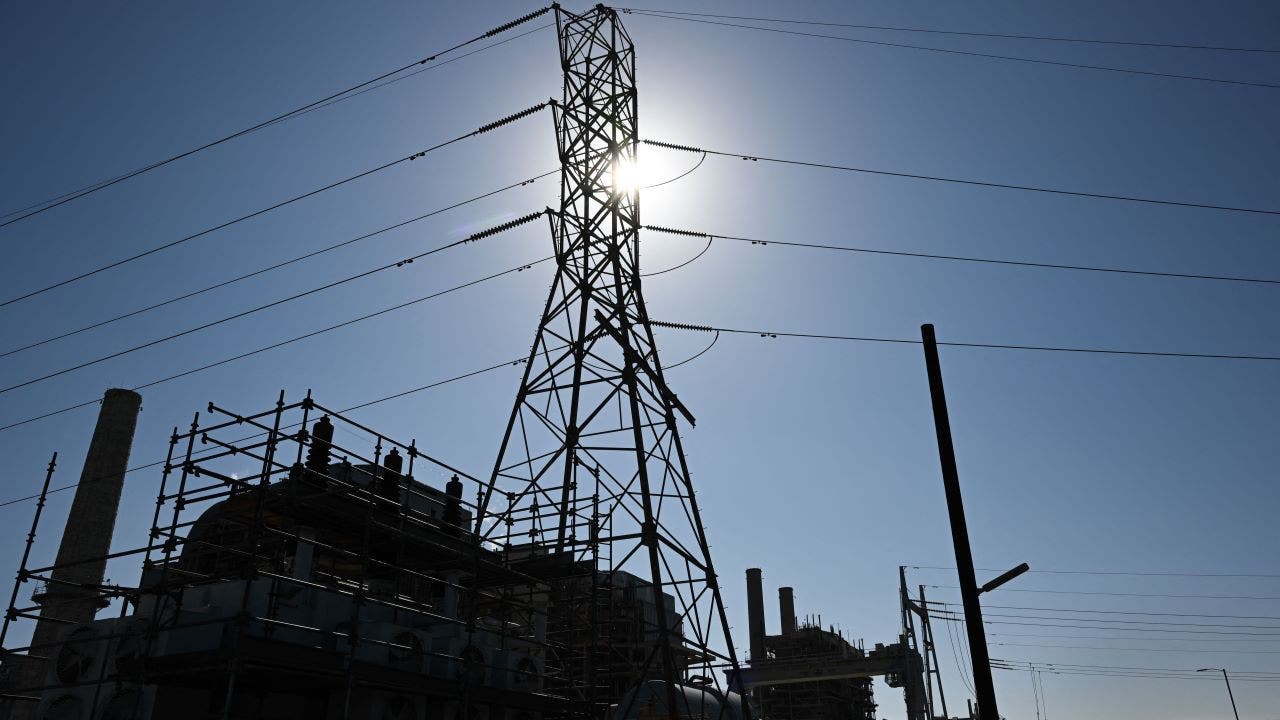
The surge in artificial intelligence (AI) development, clean technology manufacturing, and cryptocurrency mining is straining the U.S. energy supply, leading to increased demand for energy generation. The retirement of fossil fuel and nuclear power plants, coupled with the growing use of electric vehicles, is placing significant strain on the nation's energy infrastructure. The North American Electric Reliability Corporation (NERC) has identified potential capacity shortfalls in various regions, with the proliferation of emerging technologies like AI and cryptocurrency mining contributing to the strain. Efforts to address the energy demand include investments in nuclear fusion and data collection from crypto miners to better understand their power consumption.
JPMorgan analysts predict that three clean tech stocks will outperform the market for the rest of the year. The stocks are Enphase Energy, Sunrun, and First Solar. These companies are expected to benefit from the growing demand for renewable energy and the increasing adoption of solar power.
Canada's 2023-2024 fiscal budget aims to attract investment in the low-carbon economy, including tax incentives for electric-vehicle manufacturers and expanding the electricity grid. The budget also includes a "grocery rebate" for 11 million low-income Canadians, an expansion of dental care to households, and investments in healthcare. The United States passed massive uncapped incentives for clean energy investments in the Inflation Reduction Act (IRA) last year, putting pressure on Canada to level the playing field with its largest trade partner. The budget introduces a series of new investment tax credits for capital expenditure worth an estimated C$35 billion, including a tax credit that covers 15% of the cost of equipment used to produce and transmit clean electricity.
The White House has opened applications to fund electric vehicle charging in local communities and highways nationwide, a key step towards the administration’s goal of building a national network of 500,000 public EV charging stations by 2030. Charging companies like Electrify America, ChargePoint and EVgo are working with automakers like GM, Mercedes, Volvo and other companies such as Starbucks, BP, and TravelCenters to build out the network. However, Tesla's vast private network of around 17,000 superchargers stations in the U.S. may throw a wrench in the buildout plans, as the company is walking away from $6.4 million in California state money to build 164 Supercharger stations because of conditions the state is imposing.