The upcoming Bitcoin "halving" is expected to result in a $10 billion annual revenue loss for crypto miners, prompting a fierce competition for survival in the industry. The event will cut the daily Bitcoin rewards for miners, leading to a significant drop in revenue. With the rise in costs and competition for power from the artificial intelligence industry, miners are facing challenges in maintaining profitability. Public miners are better positioned to raise funds, while private miners may struggle to secure financing, potentially leading to market exits.

The CEO of Marathon, the largest US crypto miner, believes that the upcoming Bitcoin "halving" event, which is expected to drive up the price of Bitcoin, may already be partially factored into the market. The "halving" is a software code update that reduces the reward for Bitcoin miners, and it is often seen as a catalyst for price increases in the cryptocurrency.
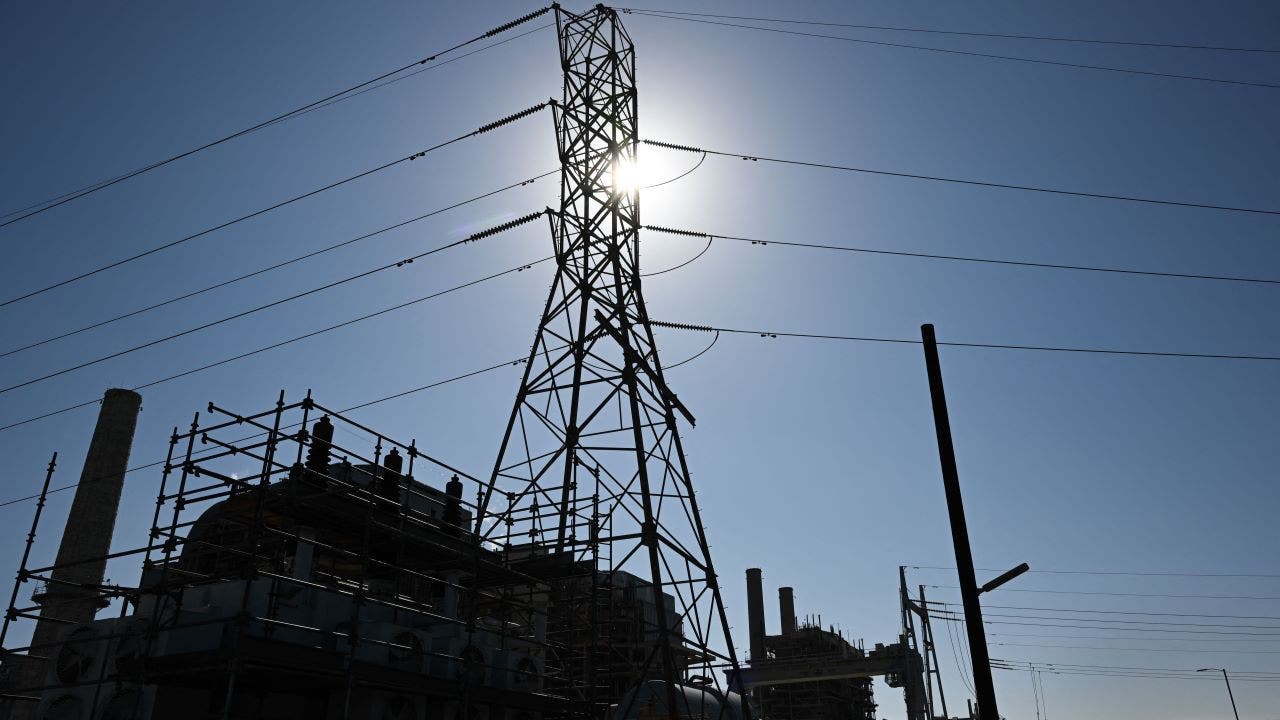
The surge in artificial intelligence (AI) development, clean technology manufacturing, and cryptocurrency mining is straining the U.S. energy supply, leading to increased demand for energy generation. The retirement of fossil fuel and nuclear power plants, coupled with the growing use of electric vehicles, is placing significant strain on the nation's energy infrastructure. The North American Electric Reliability Corporation (NERC) has identified potential capacity shortfalls in various regions, with the proliferation of emerging technologies like AI and cryptocurrency mining contributing to the strain. Efforts to address the energy demand include investments in nuclear fusion and data collection from crypto miners to better understand their power consumption.
The Kinsing threat group is exploiting a critical vulnerability in Apache ActiveMQ servers to infect Linux systems with cryptocurrency miners and rootkits. The malware deploys a cryptocurrency mining script that exploits the host's resources, causing damage to infrastructure and system performance. Kinsing is known for targeting misconfigured containerized environments and quickly adapting tactics to exploit newly disclosed flaws. Organizations are advised to update to a patched version of Apache ActiveMQ to mitigate potential threats.
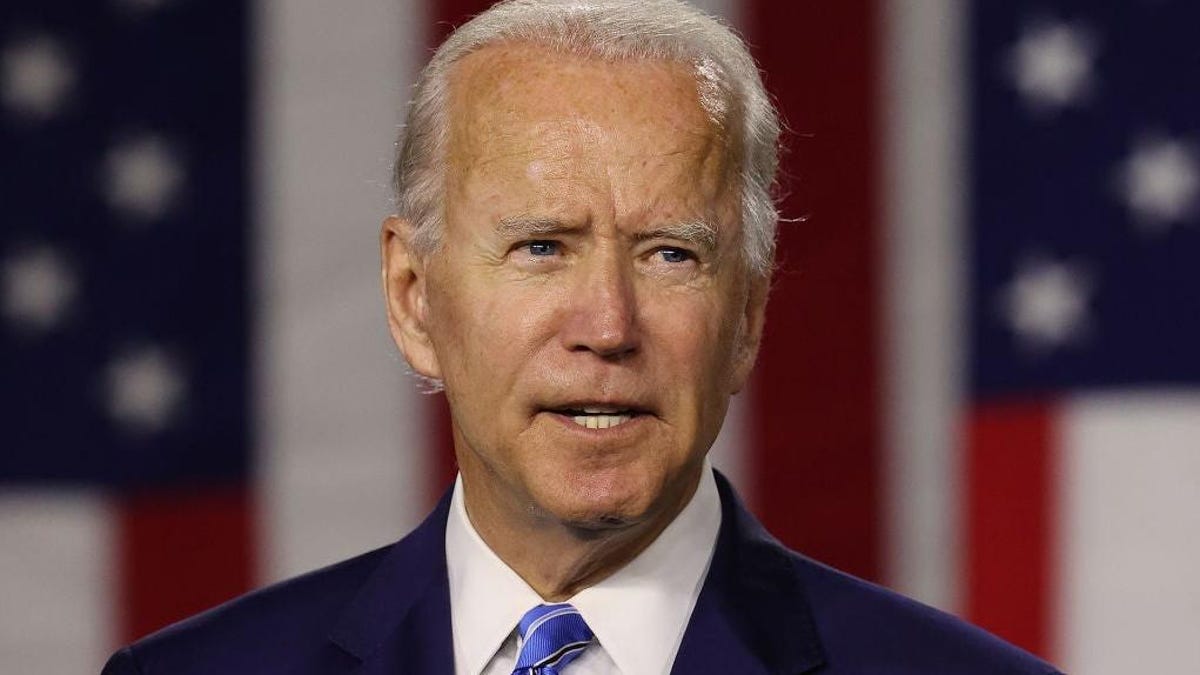
The Biden Administration has proposed a new 30% tax on the electricity costs of cryptocurrency mining companies to hold them accountable for the amount of energy they consume. The Digital Asset Mining Energy (DAME) excise tax aims to combat the negative impact of crypto mining on the environment, which generates pollution that disproportionately affects low-income neighborhoods and communities of color. The tax increase is estimated to raise $3.5 billion in revenue over 10 years and would mean crypto mining firms couldn't just move from one locale to another to avoid increased fees.
Russia has climbed to second place in the world in terms of total power capacity of the facilities devoted to the production of digital currencies, with 1 GW of electrical power involved in crypto mining in Q1 of 2023. The United States remains the clear leader with 3 to 4 GW of mining capacity. The growth of the American market is being slowed down by rising electricity rates, reduced mining profitability, and the abolition of tax incentives in some areas. The development of the industry in Russia is facilitated by the availability of cheap energy resources and cool climates in regions such as Irkutsk. However, its future remains unclear in the absence of regulations.