Tag

E Fuels

All articles tagged with #e fuels

automotive2 years ago

Porsche's 911: The Last Combustion Model Standing

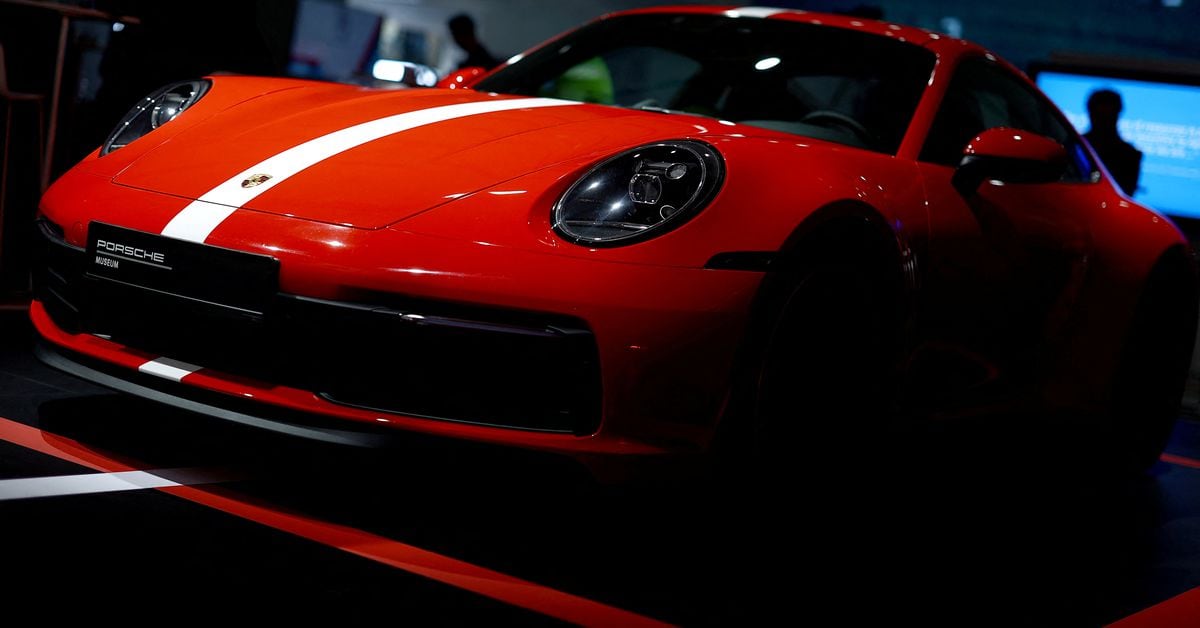
Porsche plans to gradually electrify its car lineup, with electric vehicles making up 80% of sales by 2030. The automaker aims to make its iconic 911 the only internal-combustion engine model remaining. Porsche will electrify its Macan, 718 sports car, and Cayenne, while continuing to produce the 911 with a combustion engine for as long as possible. The company's investment in e-fuels, made from captured carbon dioxide and renewably produced hydrogen, is separate from its EV plans. E-fuels are expected to be used mainly in niche, high-end models, as major automakers have committed to electrification.
automotive2 years ago

Chinese Automakers Eyeing American Market for Breakthrough

Chinese automaker Geely, known for its ownership of Volvo, Polestar, and Lotus, may be the Chinese automaker that successfully breaks into the American market. Geely has been a great steward of its brands, investing in EV startups and planning to produce Chinese-built vehicles in the US. Meanwhile, Chinese automakers have retracted a pledge to avoid price wars, leading to intense competition in the EV market. In the US, the American auto industry is rebounding, with General Motors outselling Toyota and Ford on track to become the top brand. Additionally, automakers are exploring the potential of synthetic e-fuels as a way to reduce emissions while still supporting internal combustion engines.

electric-vehicles2 years ago

EV Tax Credits Reduced for Ford and Stellantis Models in 2023.

Some Ford and Stellantis EV models will still be eligible for federal tax credits, despite the new battery sourcing rules that take effect on April 18. Ford's F-150 Lightning and Lincoln Aviator Grand Touring will still qualify for a $7,500 credit, while other models will see credits drop to $3,750. Stellantis' Chrysler Pacifica plug-in electric hybrid will qualify for $7,500 tax credits, while the Jeep Grand Cherokee 4xe and Jeep Wrangler 4xe qualify for just $3,750. Silicon Valley-based company Sila has finalized a mass manufacturing process for the first silicon-based anodes, which will immediately boost maximum vehicle ranges by 20 percent. Analysts doubt that synthetic fuels will ever make a meaningful contribution to the industry achieving carbon neutrality.

automotive2 years ago

Revuelto: Lamborghini's Bold New Superstar

Lamborghini has unveiled its first plug-in hybrid electric supercar, the Revuelto, which will replace the Aventador at the top of the Lamborghini product range. The car will feature a plug-in hybrid electric powertrain paired to an all-new V-12 engine, along with three electric motors, and will output 1,001 horsepower while cutting CO2 emissions by 30% compared to the V12 Aventador. The Revuelto will also feature “electric torque vectoring” for better handling, and a four-wheel drive is available in pure-electric mode, where the car will have a 10 kilometers, or 6.2 miles of pure-electric range. Lamborghini CEO Stephan Winkelmann said the combination of better performance and a new-and-improved carbon footprint is resonating for Lamborghini’s affluent clientele, with orders already covering the next couple of years of production.

politics2 years ago

Navigating Germany's Complex Coalition Government: Key Results and Setbacks.

Germany's three-party coalition reached a deal on climate protection measures and infrastructure improvements, but disagreements remain over key financial questions. The coalition's fights risk derailing Chancellor Scholz's leadership role at the European level. Chile sees e-fuels as a "win-win" solution under its bigger green energy push, despite critics saying the process of manufacturing e-fuels is too costly. Ukrainian President Zelenskyy invited his Chinese counterpart Xi Jinping to Ukraine, and the country is set to launch a spring offensive with heavy armored gear. Top EU official Henrik Hololei is set to leave his role in charge of transport policy after accepting free flights on Qatar Airways while his team negotiated a major aviation deal with the Gulf state. Tirana Hassan has been named the next executive director of Human Rights Watch.

automotive2 years ago

E-fuels exempted from EU's 2035 ban on combustion-engine cars.

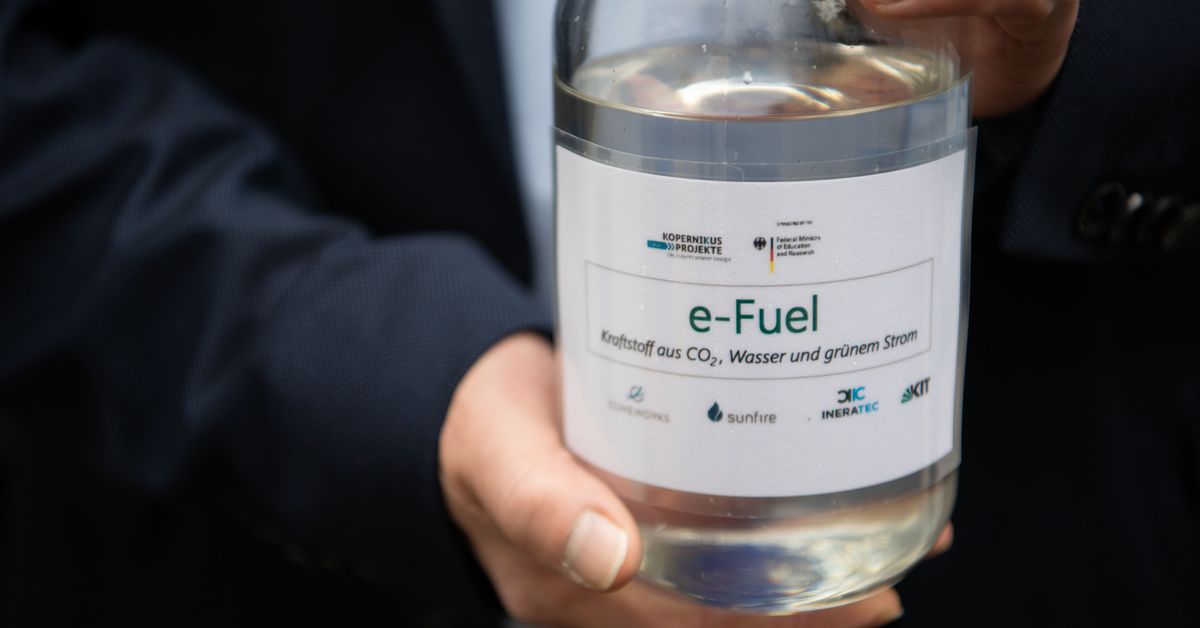
The European Union's plan to eliminate carbon dioxide emissions from new cars and vans by 2035 has been weakened by an exemption for internal combustion engine (ICE) cars that use synthetic e-fuels. E-fuels are a synthetic alternative that can be made from air and water using electricity, but they are costly and inefficient. While running on e-fuel instead of gasoline might reduce carbon dioxide emissions, some experts worry that making room for e-fuels within plans to transition to clean energy only keeps more gas-guzzling cars on the road.

environment2 years ago

EU to phase out sales of gas-powered cars by 2035.

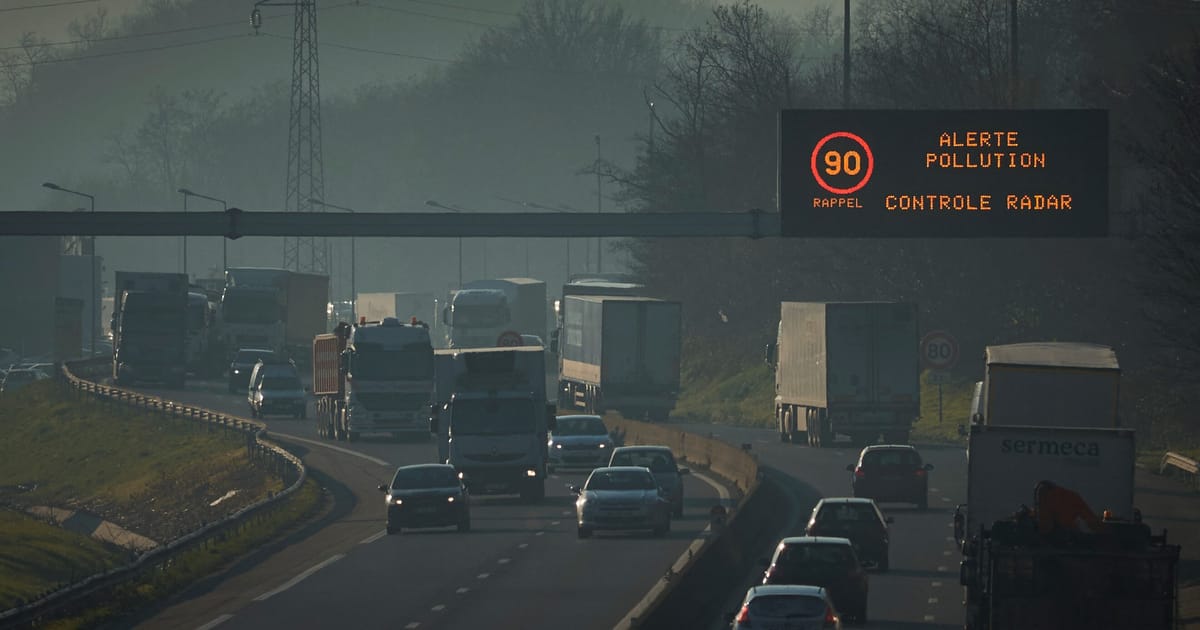
The European Union has approved a new law that bans the sale of CO2-emitting vehicles by 2035, with the exception of vehicles that run on "climate-neutral e-fuels". Germany pushed for the exemption for combustion engines, arguing that e-fuels are not widely available and are expensive and energy-intensive. The law will also require that by 2030 only new vehicles with 55% lower CO2 emissions will be sold. Roughly 25% of the EU’s carbon emissions come from transportation, which the bloc hopes to drastically cut in the next decade.

environment2 years ago

"EU to phase out combustion-engine cars by 2035, exempt e-fuels"

The EU has passed a law to ban the sale of vehicles running on CO2-emitting fuels by 2035, with the aim of curbing the bloc's CO2 emissions. Germany had delayed the law, but a compromise was reached allowing the sale of cars and vans running on climate-neutral e-fuels. The move has faced opposition from some member states and car manufacturers, who fear rising costs and heavy batteries for electric cars. Critics argue that e-fuels are expensive and energy-intensive, requiring about five times more renewable electricity than running a battery electric vehicle.

environment2 years ago

EU countries set 2035 deadline to ban CO2-emitting cars.

EU countries have approved a landmark law to end sales of new CO2-emitting cars in 2035, with the exemption of cars running on e-fuels. The law requires all new cars sold to have zero CO2 emissions from 2035 and 55% lower CO2 emissions from 2030. The European Commission has pledged to create a legal route for sales of new cars that only run on e-fuels to continue after 2035. The policy had been expected to make it impossible to sell combustion engine cars in the EU from 2035.

automotive2 years ago

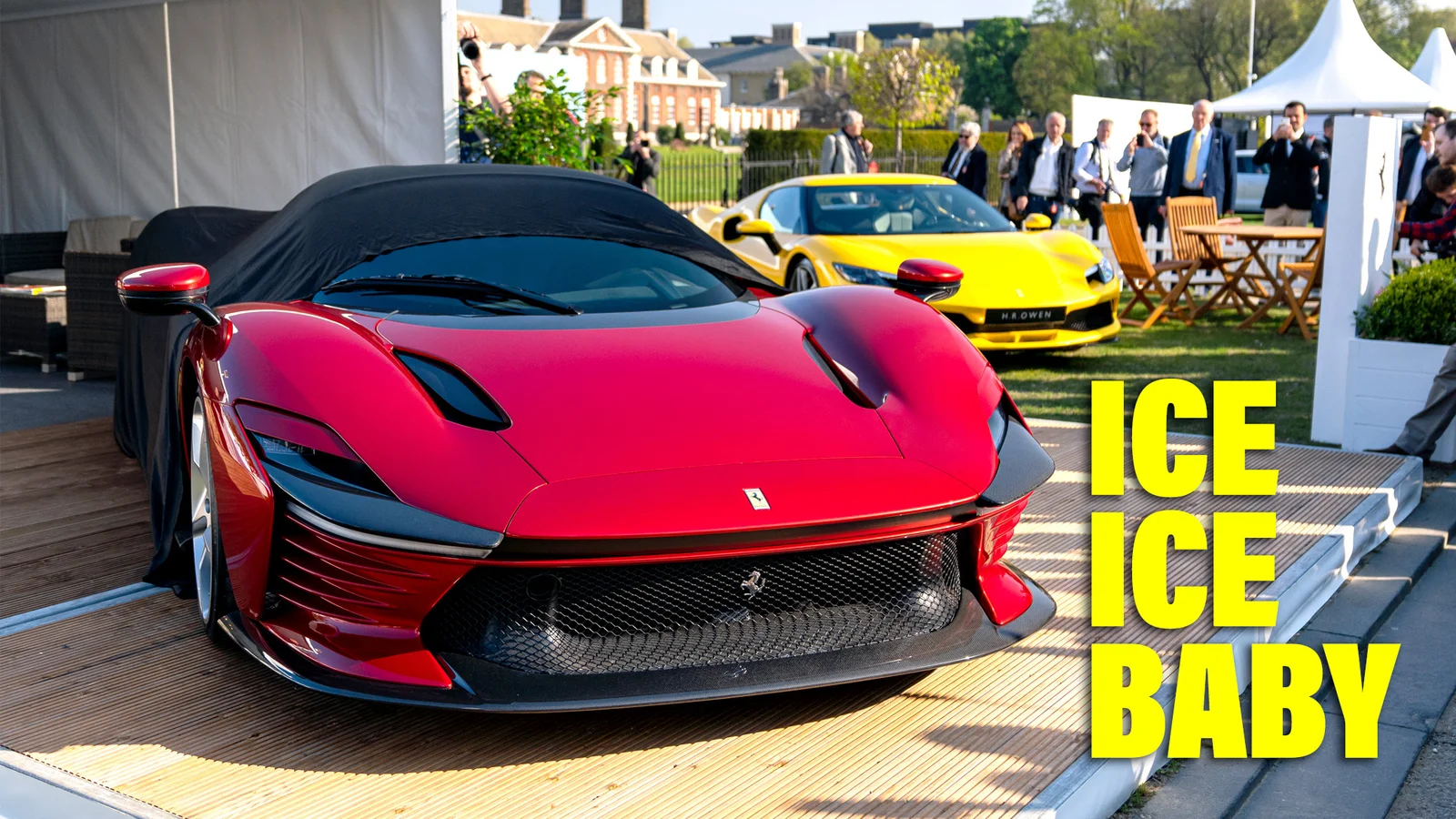
Ferrari's Combustion Supercars Get Extended Life with EU's E-Fuel Deal.

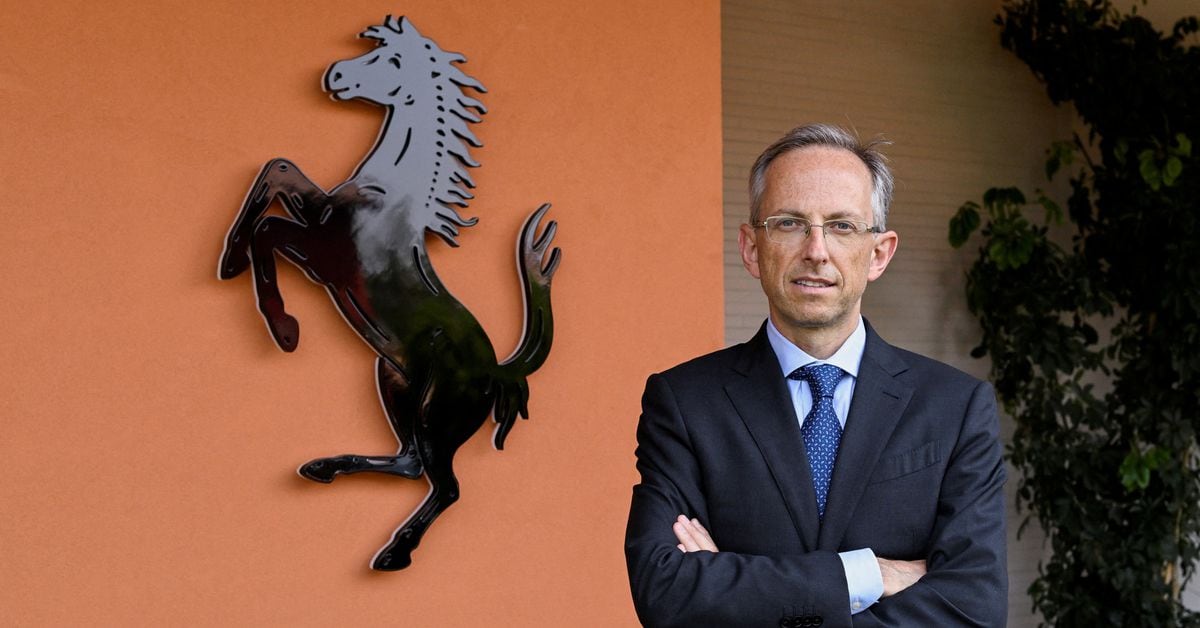
Ferrari's CEO, Benedetto Vigna, says that the EU's deal on e-fuels means that the automaker's internal combustion engine (ICE) cars can continue beyond 2036. However, Ferrari will still continue with its electrification plan, offering customers the choice between hybrid, electric, and ICE cars. The company's current financial plan already accounts for the possibility of ICEs being compatible with e-fuels.

business2 years ago

EU's E-Fuels Decision Divides Italy and Poland, Benefits Ferrari and Porsche.

Ferrari CEO Benedetto Vigna welcomed the EU's decision to exempt cars running on e-fuels from the 2035 phase-out of new combustion engine vehicles, saying it would give the luxury carmaker "greater freedom" on its power systems. Vigna said the company would pursue three power systems for its cars - hybrid, electric, and internal combustion engines (ICE) - and that the price of e-fuels was likely to come down as they are developed in coming years. Ferrari has promised its first full-electric vehicle for 2025 and said fully-electric and hybrid models would make up 80% of those in its range by 2030, while 20% would still be powered by ICE.

automotive2 years ago

EU and Germany reach agreement on e-fuels and zero-emissions cars.

Germany and the European Union have reached an agreement on the sale of new internal combustion cars, which will be banned beginning in 2035. Germany insisted that some cars with conventional engines be allowed to be sold if they run on carbon-neutral e-fuels. The agreement allows vehicles with combustion engines that only use CO2-neutral fuels to be newly registered after 2035. However, the EU Commission will make a proposal on how pure e-fuels vehicles would contribute to the CO2 reduction targets, which could create potential stumbling blocks for the future of the process.

automotive2 years ago

Germany and EU agree on e-fuels and combustion engine phase-out plan.

The EU and Germany have reached an agreement on the proposed 2035 ban of new combustion vehicle sales, which will now include exceptions for e-fuels. After 2035, some combustion vehicles can still be sold, as long as they run entirely on carbon-neutral fuel alternatives. The original regulation will not change, but additional provisions will be provided on how to implement new provisions on e-fuel vehicles. Environmental activists are angered by the recent compromise for carbon-neutral vehicles, arguing that these provisions distract from the broader goal of implementing fully electric and zero-emissions vehicles.

automotive2 years ago

EU and Germany reach agreement on future of combustion engines.

The European Commission and Germany's Transport Ministry have reached a deal to allow the sale of new engine-installed cars running exclusively on synthetic e-fuels even after a mandate comes into force requiring sales of only zero-emission vehicles from 2035. The Commission will work on getting the CO2 standards for cars regulation adopted as soon as possible. The deal means Germany has effectively dropped its last-minute opposition to the car engine ban law.

environment2 years ago

EU and Germany agree on future of combustion engines.

Germany and the European Union have reached an agreement on a regulation that requires new cars to be carbon neutral by 2035, allowing some combustion engines beyond the deadline if they run on e-fuels. The deal means that Germany can formally approve an agreement reached in October that requires new cars to be zero-emissions, a key pillar in the EU's plans to reach climate neutrality by 2050. However, environmental activists have criticized the deal, warning against changes that could distract from progress toward broader use of electric and other zero-emission vehicles.