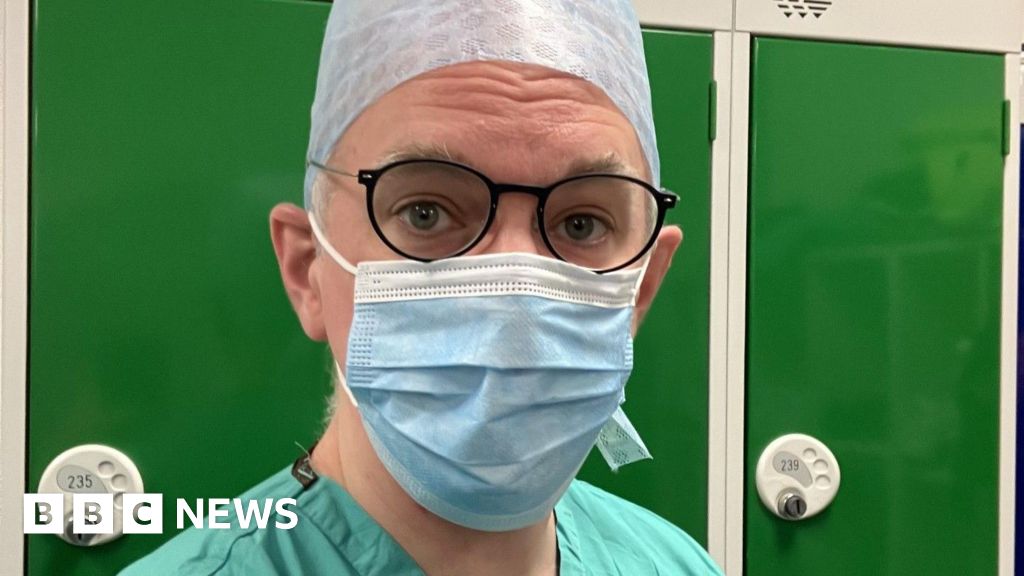
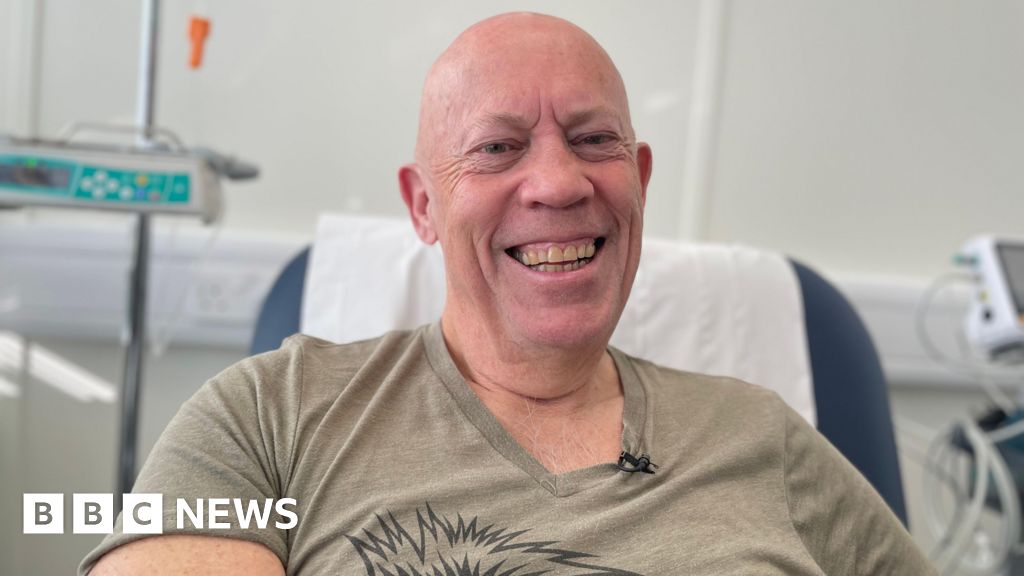
The article explores cutting-edge Alzheimer's research, including brain surgery to collect tissue, laboratory studies on toxic proteins, and promising drug developments, suggesting that curing Alzheimer's may be achievable in the future.
A new early-stage Alzheimer's drug trial has begun in Scotland, offering hope to patients and highlighting the need for improved research infrastructure and funding to advance dementia treatments.
Researchers have announced that the drug donanemab shows promise in significantly slowing the progression of Alzheimer's disease by clearing toxic amyloid proteins from the brain. While this represents an important breakthrough in dementia research, experts caution that the benefits may be smaller than initially reported, with an average rate of mental decline slowing by around 35%. The drug does not stop the progression of Alzheimer's or improve patients' conditions, but it may provide a few extra months of stability. Donanemab has shown some side effects, including brain swellings and bleeds, and further research is needed to understand the risks and long-term effects. The drug has not yet been approved for use and will undergo further evaluation before becoming available.