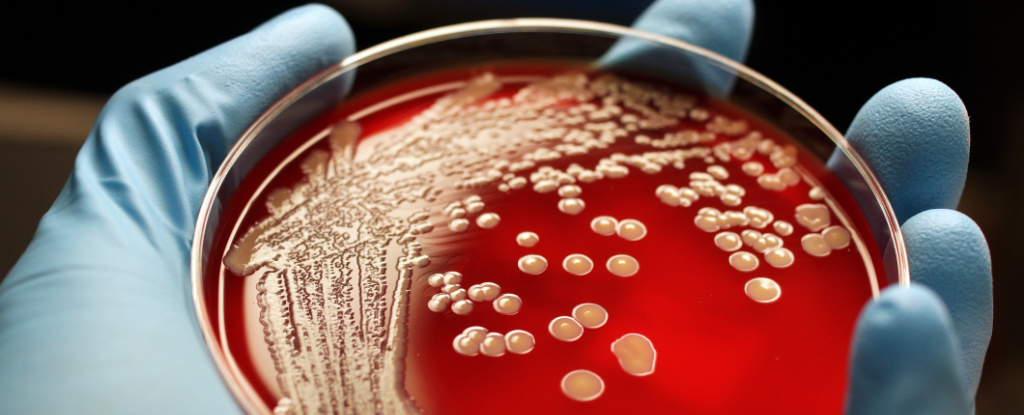
The CDC reports a nearly 70% increase in cases of drug-resistant 'nightmare bacteria' driven by the NDM gene in the US from 2019 to 2023, raising concerns about community spread and treatment challenges due to limited effective antibiotics.
The CDC has issued a warning about the rise of six drug-resistant 'silent killers' in the US, which have become more prevalent during the Covid-19 pandemic. Infections with these pathogens, including the antifungal-resistant Candida auris, have surged, raising concerns about increased deaths as treatments become less effective. The pandemic's impact on hospital practices and antibiotic overuse has exacerbated the issue, highlighting the need for continued investment in public health measures to combat antimicrobial resistance.
Researchers at Uppsala University in Sweden have identified a new class of antibiotics that targets an enzyme essential to the functioning of gram-negative bacteria, which are known for their resistance to antibiotics. In tests on mice, the antibiotic showed promise in eliminating drug-resistant E. coli and K. pneumoniae infections with just one dose, offering hope in the fight against antibiotic resistance. The study's findings are significant as gram-negative bacteria pose a major threat due to their resistance to broad-spectrum antibiotics, and the new antibiotic class could potentially address this critical health challenge.
Australia's overuse of antibiotics is driving the rise of drug-resistant infections, including those that are resistant to last resort treatments. A government report revealed that over one-third of the population had at least one antibiotic prescription in 2022, contributing to the phenomenon of antimicrobial resistance. Drug-resistant infections kill hundreds of Australians each year, and Australia ranks seventh-highest in the developed world for antimicrobial prescribing rates. The report attributed the high prescribing to a lack of improvement in appropriateness of prescribing in hospitals. It emphasized the need to change the culture of overprescribing antibiotics and highlighted the importance of good hygiene practices. The World Health Organization estimates that antimicrobial resistance could lead to up to 10 million deaths annually by 2050.
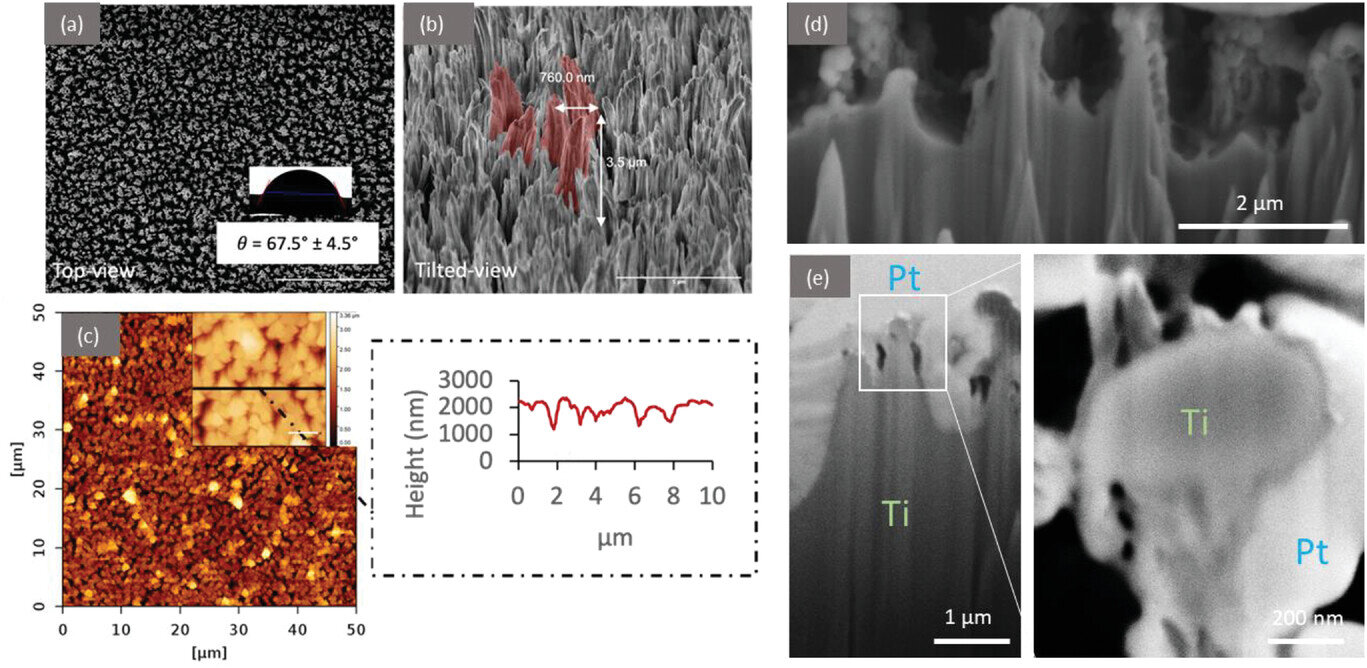
Scientists at RMIT University have developed a pattern of microscale spikes that can be etched onto titanium implants or other surfaces to provide effective, drug-free protection against drug-resistant superbugs, including fungus. The spikes, similar in height to bacteria cells, destroy about half of the cells upon contact and render the remaining cells unviable. The surface's effectiveness against common pathogenic bacteria has also been demonstrated. The study suggests that surfaces causing programmed cell death in surviving cells may be effective in preventing resistance. The technique could have potential applications in medical devices, dental applications, and other materials.
Researchers from MIT and McMaster University have used AI technology to identify a new antibiotic named abaucin, effective against Acinetobacter baumannii, a hospital-borne, drug-resistant bacteria. The drug, discovered through a machine-learning model, is significant due to its narrow-spectrum efficacy and unique mechanism of disrupting lipoprotein trafficking within bacterial cells. The researchers identified the new drug from a library of nearly 7,000 potential drug compounds using a machine-learning model that they trained to evaluate whether a chemical compound will inhibit the growth of A. baumannii.
Scientists at MIT and McMaster University have used an AI algorithm to identify a new antibiotic, abaucin, that can kill Acinetobacter baumannii, a type of bacteria responsible for many drug-resistant infections. The compound was originally explored as a potential diabetes drug and was found to be extremely effective at killing the bacteria while having no effect on other species of bacteria. The drug has a "narrow spectrum" killing ability, minimizing the risk of bacteria rapidly spreading resistance against the drug. The scientists plan to use their modeling approach to identify potential antibiotics for other types of drug-resistant infections.
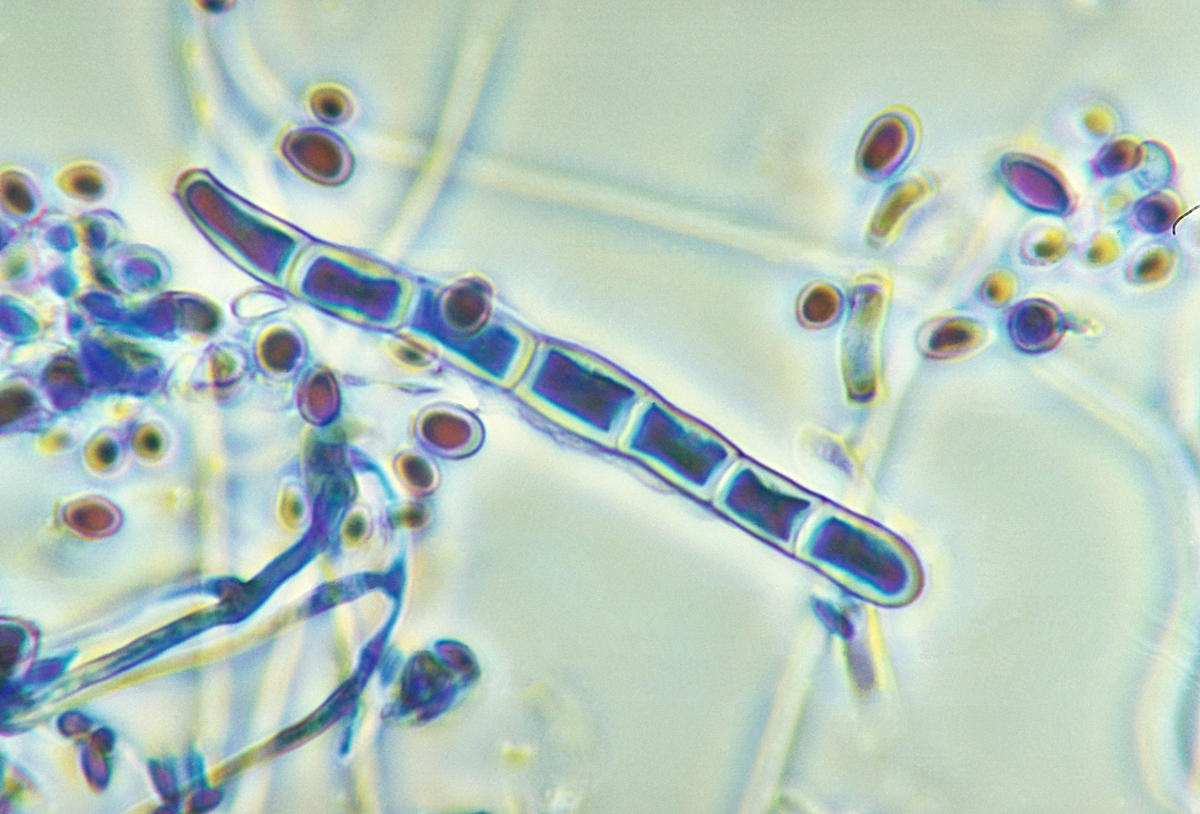
Two cases of drug-resistant ringworm infections caused by Trichophyton indotineae have been reported in New York City, marking the first such cases in the US. The fungus has spread rapidly in South Asia due to overuse of medications to treat them, including topical antifungals and corticosteroids. Drug-resistant fungi are a serious public health concern, and cases of Candida auris, another type of drug-resistant fungal infection, have been spreading in health care facilities in the US. Typically, cases of ringworm are treated with antifungal creams, but some particularly difficult cases require antifungal medications taken in pill form.
Researchers at the University of Copenhagen have found an antibiotic-free way of treating drug-resistant Staphylococcus aureus infections, which can be a huge problem for people with skin lymphoma. The researchers used an artificial version of an enzyme that's naturally produced by bacteriophages to eradicate the bacteria in biopsy samples from people with skin lymphoma. The enzyme, called endolysin XZ.700, killed off strains of S. aureus that had been isolated from CTCL patients and blocked its tumor-promoting effects on lab-grown malignant T cells. The researchers hope that endolysin XZ.700 could kill off drug-resistant strains such as MRSA and even biofilms, all without S. aureus developing resistance to endolysins.
Eye drops have been linked to a multi-state outbreak of drug-resistant infections, with at least 3 deaths and 68 people diagnosed with a rare strain of Pseudomonas aeruginosa in 16 states. There have been eight reports of vision loss and four cases involving surgical removal of an eyeball. The CDC has issued warnings and recalls for certain eye drops, including Global Pharma Healthcare's Artificial Tears Lubricant Eye Drops and Delsam Pharma's Artificial Tears, due to potential microbial contamination. Patients who have used these products and have signs or symptoms of an eye infection should seek medical care immediately.
The World Health Organization (WHO) warns of a "silent pandemic" of antimicrobial resistance from infections caused by deadly pathogens that doctors are not able to cure because of a lack of novel agents. Over five million deaths are associated every year due to antimicrobial resistance. The treatment for drug-resistant infections involves newer agents that are more expensive than standard therapies, so poor people are disproportionally affected by antimicrobial resistance. Overuse and improper use of antimicrobials breed resistance. The last novel antibiotic class discovered was in the 1980s, with the first antibiotic from this class, daptomycin, hitting the market in 2003.