Tag

Genetic Screening

All articles tagged with #genetic screening

health6 months ago

Rising Early-Onset Cancers: Causes and Concerns

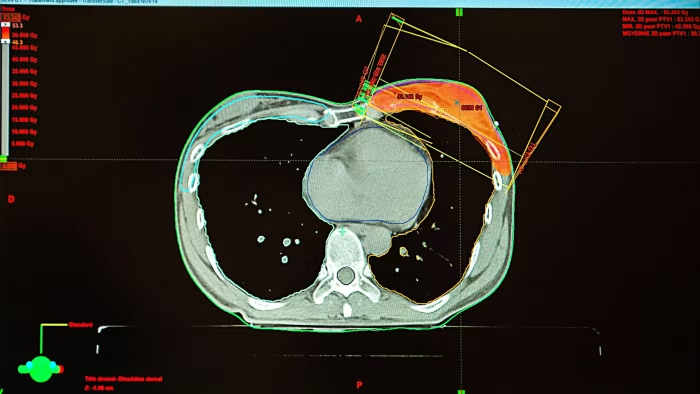
Certain types of early-onset cancers, including breast, colorectal, kidney, and uterine cancers, are increasing among people under 50 in the U.S., driven by factors such as obesity, reproductive changes, better detection, and environmental exposures. While the overall rise is small, it could have significant implications over time, highlighting the need for further research and early screening.

health7 months ago

European Sperm Donor with Cancer Risk Linked to Multiple Child Cases

A European sperm donor scandal involving unregulated genetic screening and high donor numbers raises concerns in Israel, where regulations are insufficient to prevent genetic risks and accidental incest, especially with international donors. Israeli authorities are working on stricter protocols and a donor database to address these issues.

health1 year ago

Gene Screening Reduces Early Disease Deaths by 25%

A study by Stanford University and Genomics suggests that genetic screening could reduce premature deaths from diseases like cancer and diabetes by 25% by identifying high-risk individuals early. Using polygenic risk scores, researchers found that those at high genetic risk reach average disease risk levels much earlier, allowing for earlier intervention and treatment. This approach could significantly improve public health outcomes and reduce healthcare costs by tailoring screening programs to genetic risk profiles.

health1 year ago

"New Saliva Test Revolutionizes Prostate Cancer Screening"

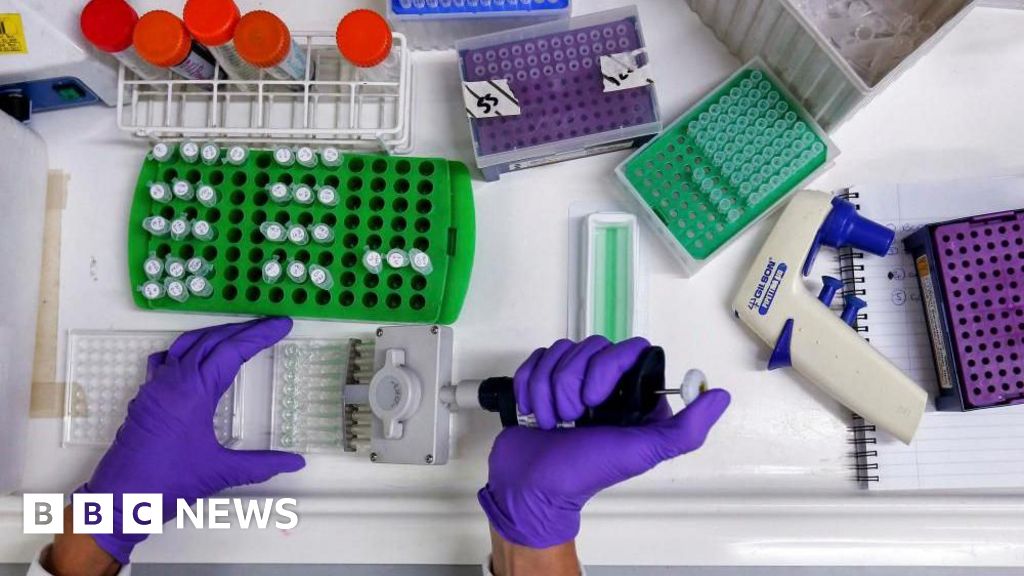
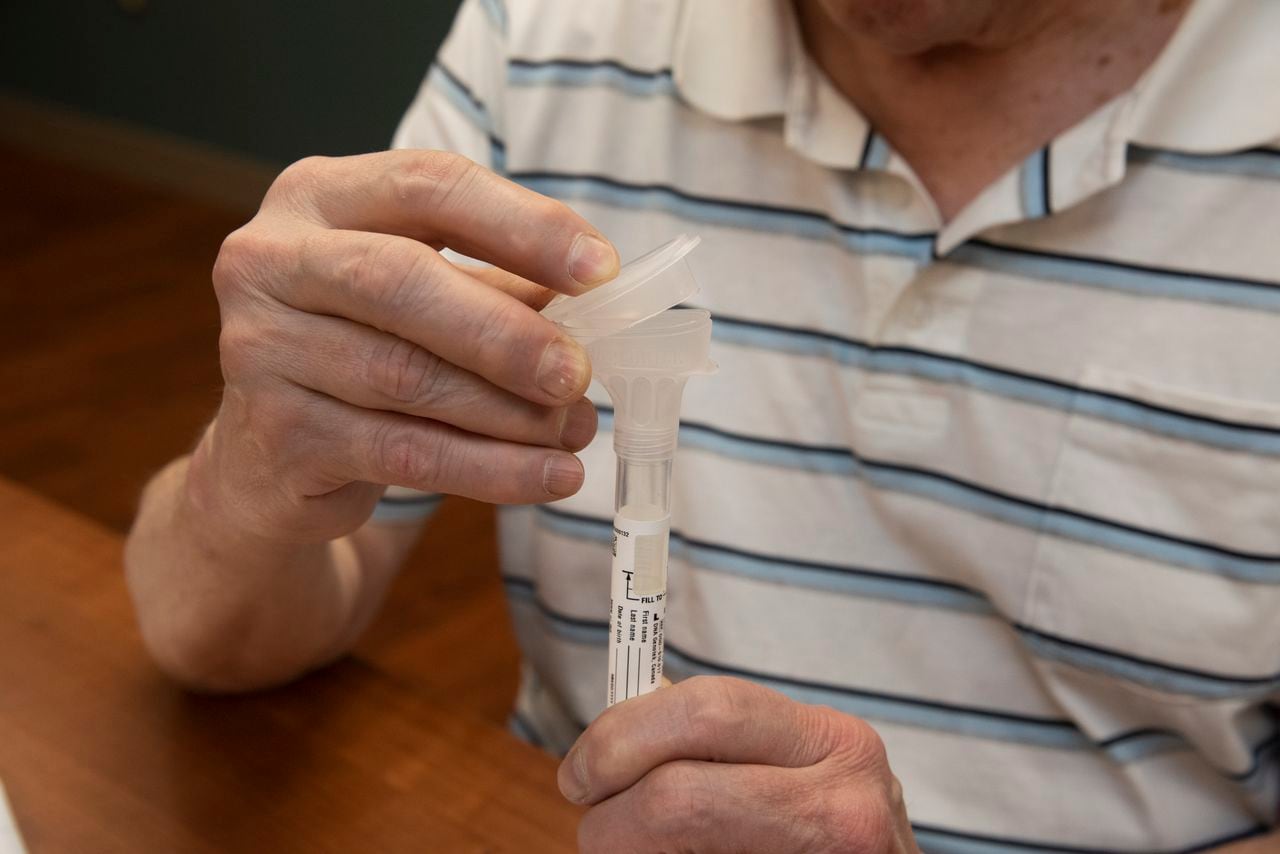
New research suggests that at-home saliva tests are more effective at identifying men at higher risk of prostate cancer than standard blood tests. The study, conducted by the Institute of Cancer Research and The Royal Marsden NHS Foundation Trust, found that the saliva test could detect genetic factors linked to the disease, potentially leading to earlier and more accurate diagnoses. Preliminary results show the saliva test produced fewer false positives and identified a higher proportion of aggressive cancers. Further research is needed to confirm these findings and potentially implement a national screening program.

health1 year ago

Breakthrough Saliva Test for Prostate Cancer Outperforms Blood Samples

A new at-home saliva test for prostate cancer, developed by the Institute for Cancer Research in London, has shown to be more effective than current blood tests, potentially reducing unnecessary GP visits and physical exams. The test, which checks DNA for high-risk genes, could lead to earlier detection of aggressive tumors and fewer false positives. The trial, involving 6,142 men, found 187 cases of prostate cancer that might have been missed by traditional methods. The study aims to improve screening and outcomes for men, particularly those over 50, overweight, or black.

science1 year ago

"Meiosis Mystery Solved: Mutation Unlocks Century-Old Enigma"

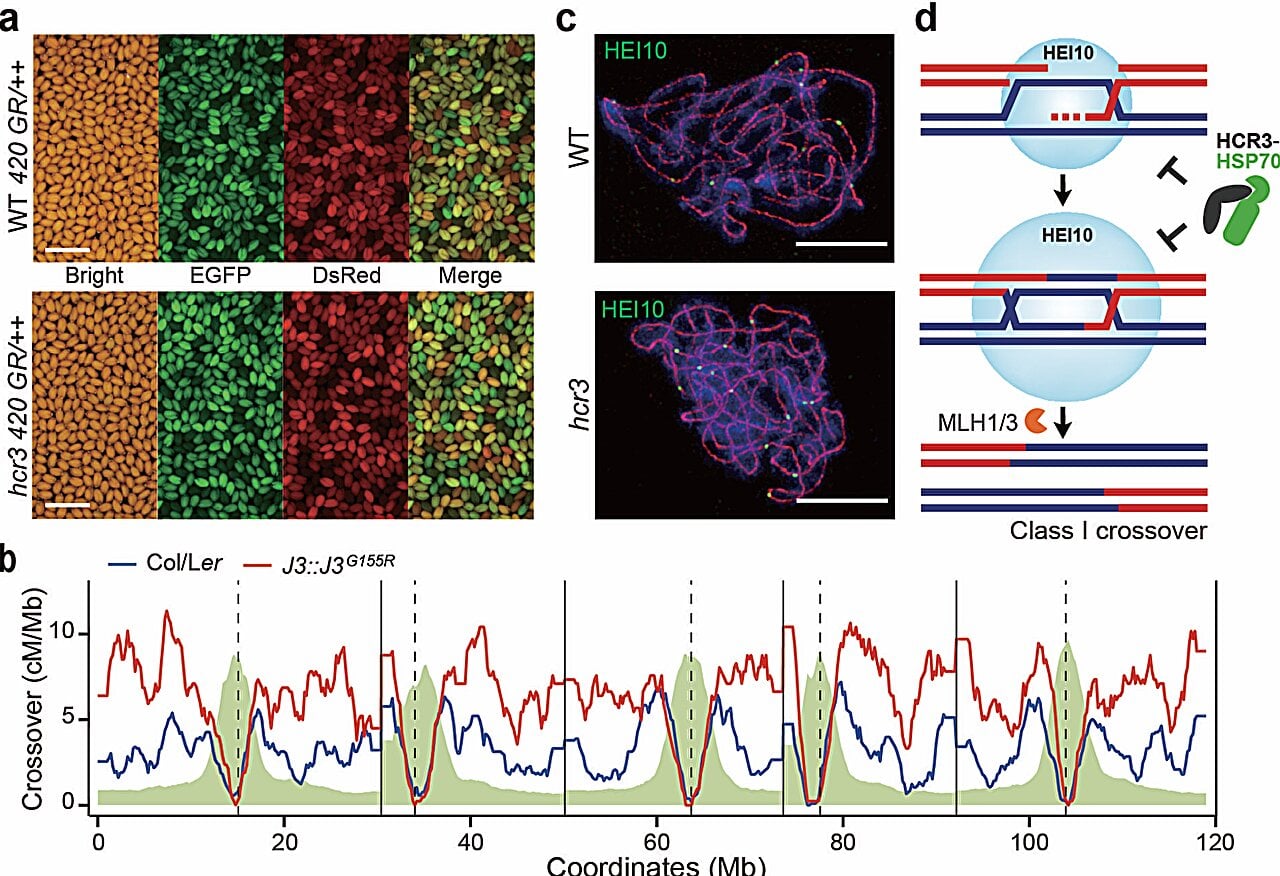
A research team at POSTECH has uncovered the molecular mechanism responsible for crossover interference during meiosis, a biological pattern at the chromosome level, by identifying a mutant named hcr3 (high crossover rate3) that exhibited an increased crossover rate at the genomic level in Arabidopsis plants. The elevated crossovers in hcr3 were attributed to a point mutation in the J3 gene, which encodes a co-chaperone related to HSP40 protein, demonstrating that a network involving HCR3/J3/HSP40 co-chaperone and the chaperone HSP70 controls crossover interference and localization by facilitating the degradation of the pro-crossover protein, HEI10 ubiquitin E3 ligase. This research has significant implications in breeding and agriculture, potentially enabling the rapid accumulation of beneficial traits and contributing to the breeding of new varieties and identification of useful natural variations responsible for desirable traits.

health1 year ago

"Influence of Parental Traits on Neurodevelopmental Disorders"

A study involving over 97,000 families suggests that assessing parental traits related to neurodevelopmental and psychiatric disorders may provide a more accurate method of predicting the prevalence and severity of these conditions in children than genetic screening alone. The research highlights the influence of assortative mating based on psychiatric and neurodevelopmental traits in increasing the risk and potentially severity of these disorders in offspring. Understanding how both parents contribute to their child’s diagnosis could inform genetic counseling and the development of therapeutic intervention plans for affected children.

animal-health2 years ago

"Dogs Born Today Have Immunity Against Cancer, Thanks to Human Advances"

Dogs born today are expected to never die from cancer, thanks to advances in human medicine that are being translated to veterinary medicine. Dogs and humans share a similar lived environment, making dogs a good model for studying human diseases. Genetic screening, improved diagnosis, and treatment options are leading to better outcomes for dogs with cancer. Blood tests and drugs developed for human medicine are also being used on dogs. While not all cancers may be curable within the next 15 years, significant progress is being made, and the overall outlook is optimistic. Dogs are also helping scientists gain insights into human tumors.

health2 years ago

Unlocking the Potential: Transforming Cancer Cells into Healthy Muscle Cells

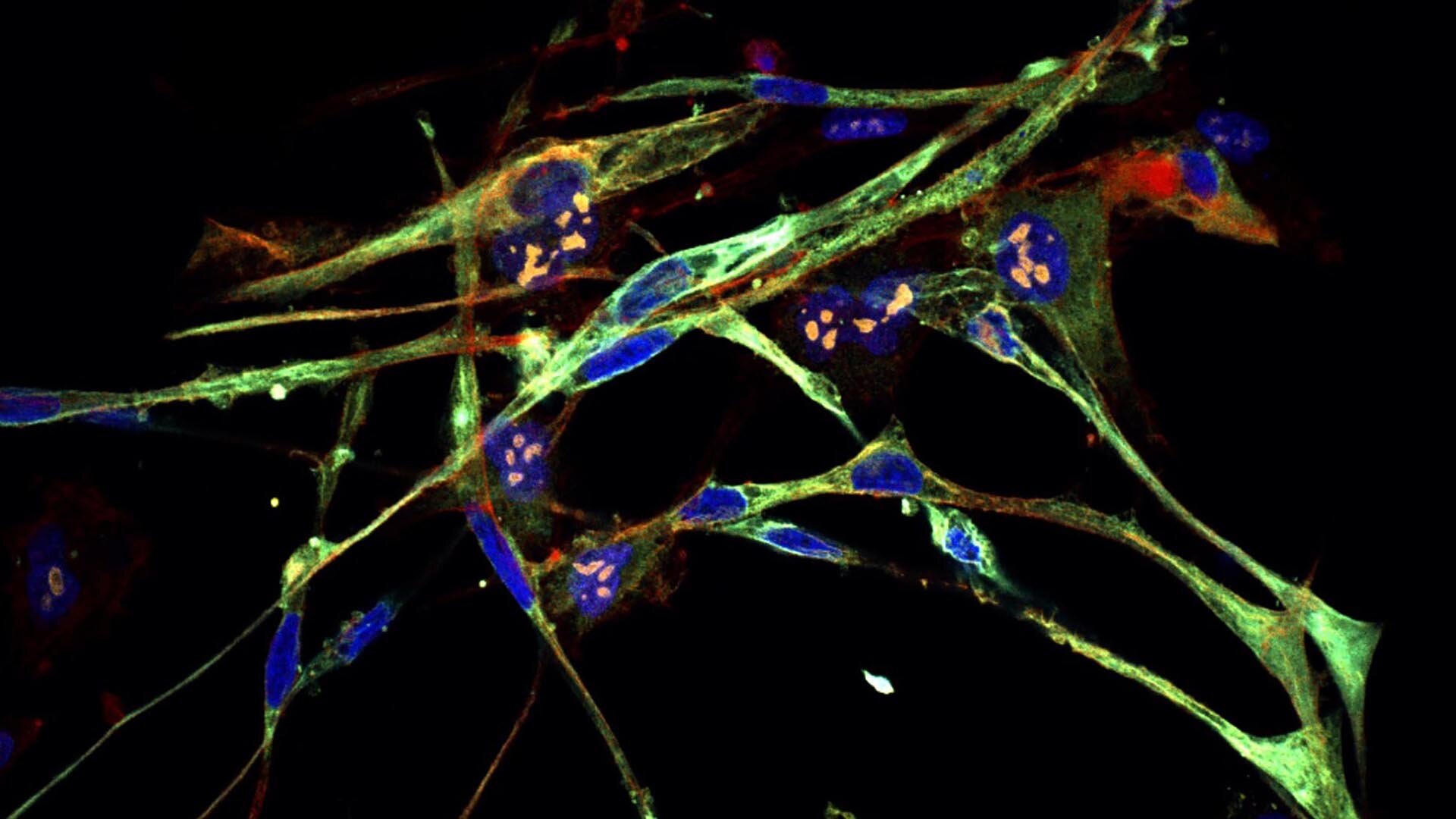
Researchers at Cold Spring Harbor Laboratory have discovered a way to transform rhabdomyosarcoma (RMS) cancer cells into healthy muscle cells. By disrupting a protein called NF-Y, the cancer cells lose their cancer attributes and take on the characteristics and functions of muscle cells. This breakthrough could potentially lead to the development of differentiation therapy for RMS and other cancer types, revolutionizing cancer treatment. The research was supported by families affected by RMS and Ewing sarcoma, and it offers hope for new therapeutic strategies to save children's lives.

science-and-technology2 years ago

"Revolutionary Biochip: Rapid Genetic Screening and Cancer Protein Detection in One Tool"

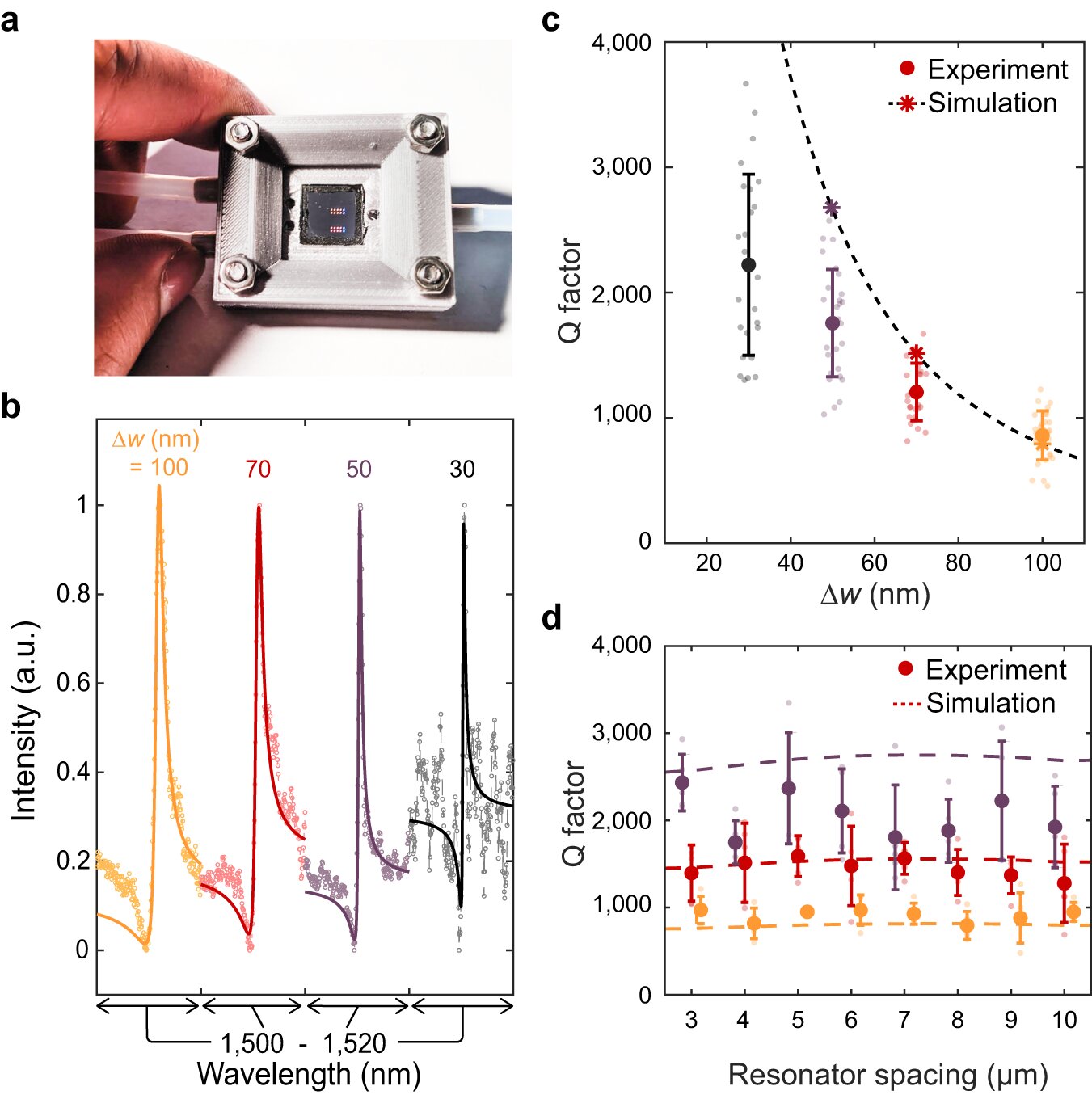
Researchers at Stanford University have developed a biochip that can rapidly screen thousands of molecules, including live viruses. The biochip consists of tiny silicon boxes with nanoantennas that focus near-infrared light on their top surfaces, allowing for the measurement of shifts in wavelengths of light as they emerge from each box. The chip was able to identify 4,000 copies of target genes per microliter of buffer solution and has potential applications in diagnostics and research.

health2 years ago

The Insights Gained from Free Genetic Screening for 13,000 Oregonians

A clinical laboratory team at Oregon Health & Science University offered free genetic screening for inherited cancer and familial hypercholesteremia to over 13,000 Oregonians. Through social media ads, vending machines, and mail-in kits, participants provided saliva samples that were screened for disease-causing variants in 31 genes related to inherited cancer and one gene related to familial hypercholesteremia. Of the participants, 710 screened positive for a disease-causing variant, and all received genetic counseling. The researchers also assembled a large repository of data to analyze the genetic risk factors of Oregon's population. The study highlights the importance of expanding the range of genes tested in population screening studies.

healthcare2 years ago

1 in 5 Michigan patients found at risk through genetic screening program.

A pilot program in southeast Michigan is offering free genetic screening to existing patients to test for early indicators of treatable medical conditions like heart disease and cancer. Testing screens for 167 genes and can detect disease decades before symptoms would appear. At-risk patients are then connected with genetic counselors and work with their primary care physician to come up with a customized prevention plan. Since June 2022, participating offices have completed more than 500 genetic tests, with actionable results found in about 20% of patients. The health system's goal is to test 1,000 patients within the first year, and 10,000 patients and their family members over the next three years.