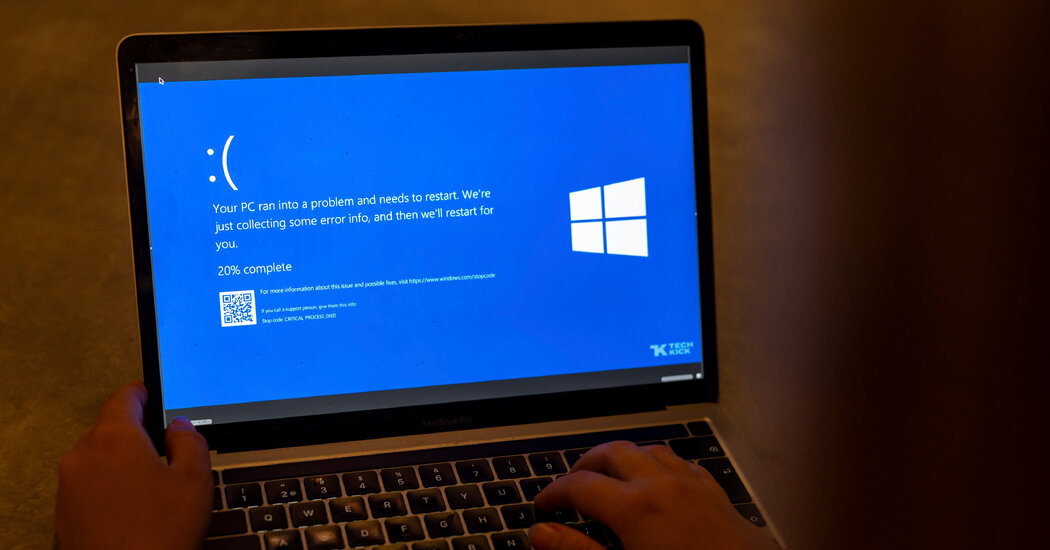
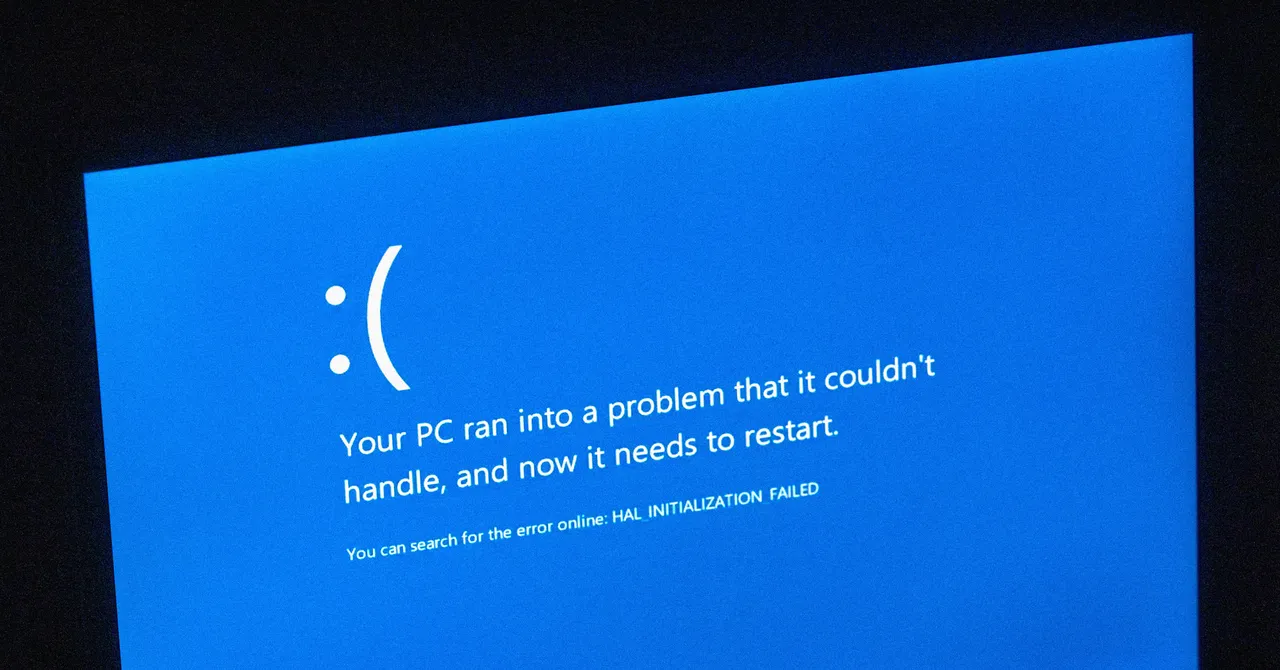
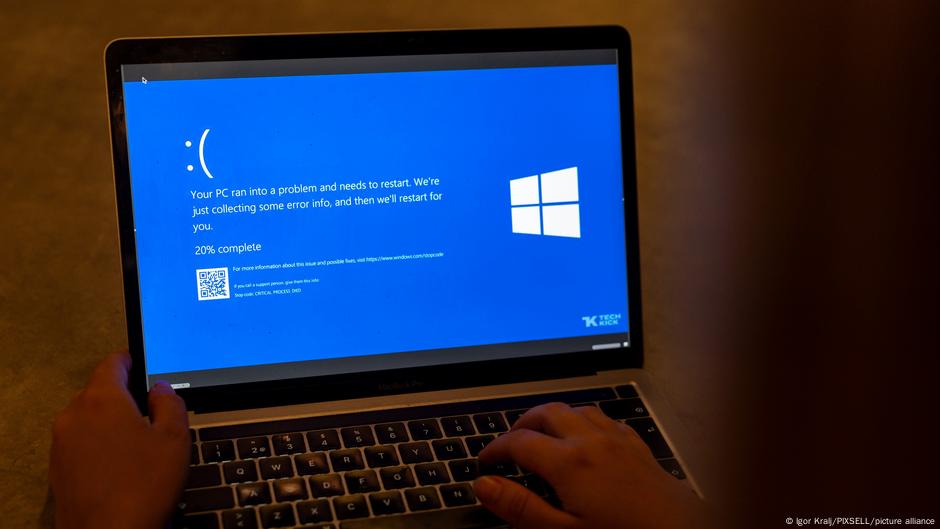
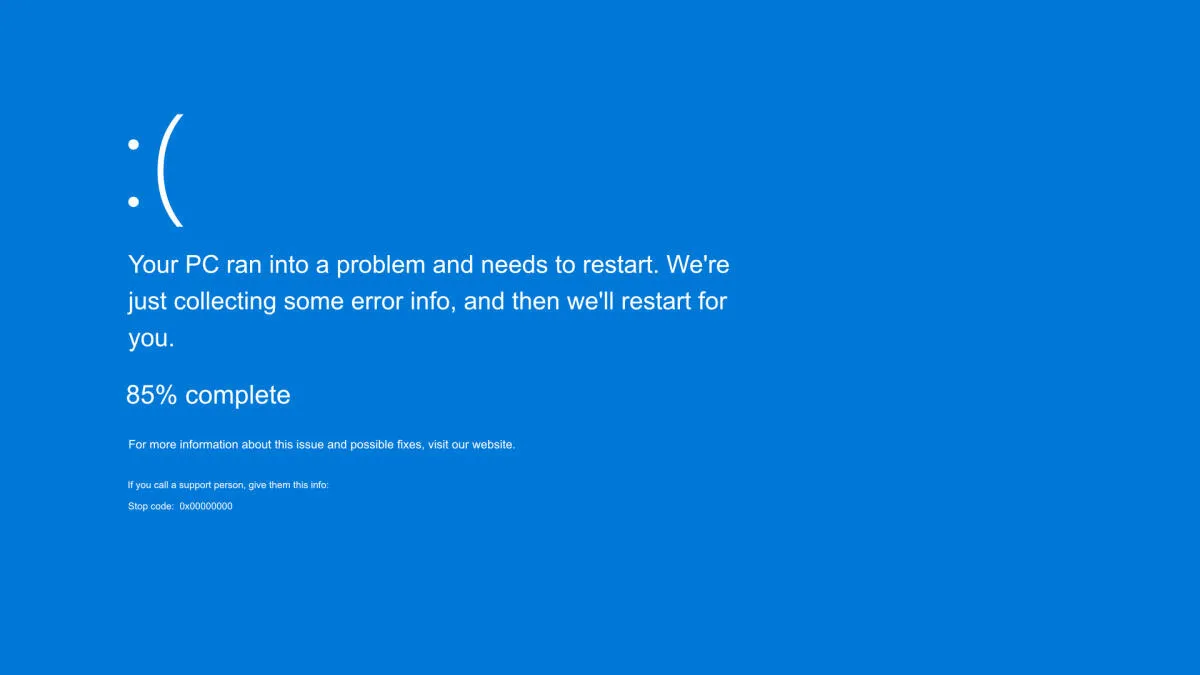
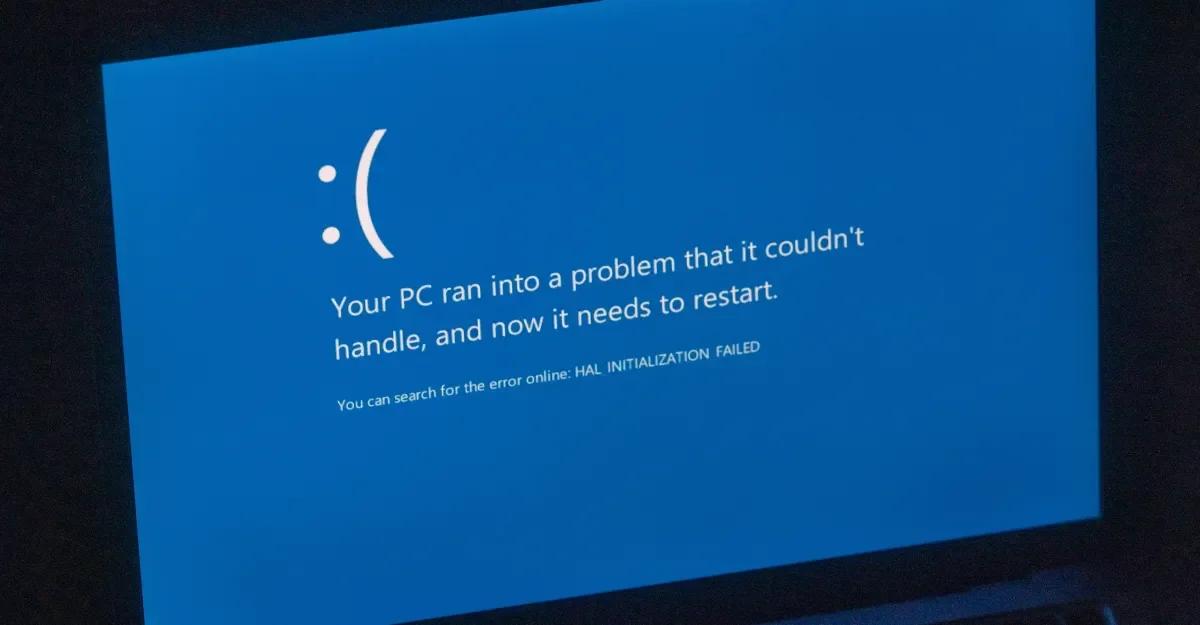
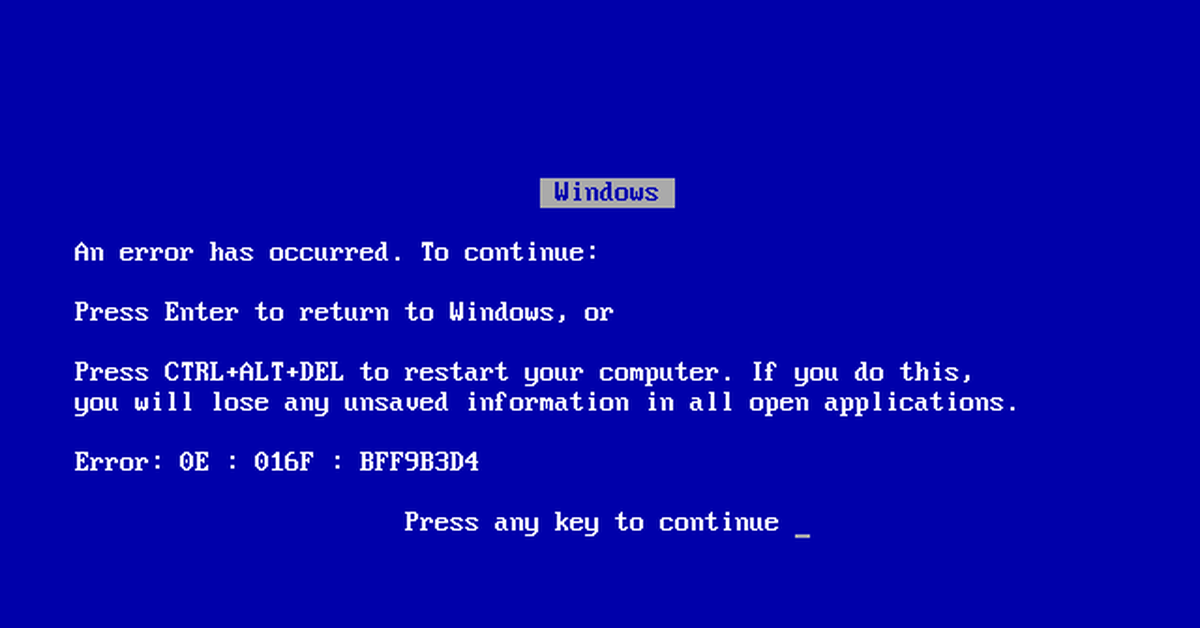
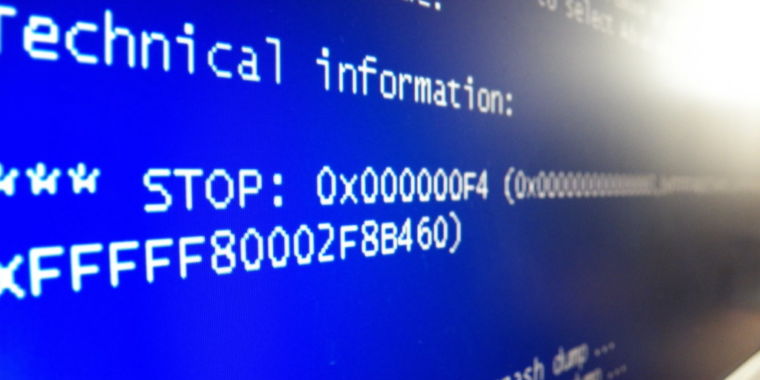
Microsoft is replacing the traditional Blue Screen of Death with a new Black Screen of Death to improve system crash notifications in Windows, ending over three decades of the blue error screen.
Microsoft is replacing the traditional blue screen of death with a black crash screen in Windows 2024, aiming for a cleaner, more resilient design, but this change raises concerns about recognition and user experience due to the iconic color association with system errors.
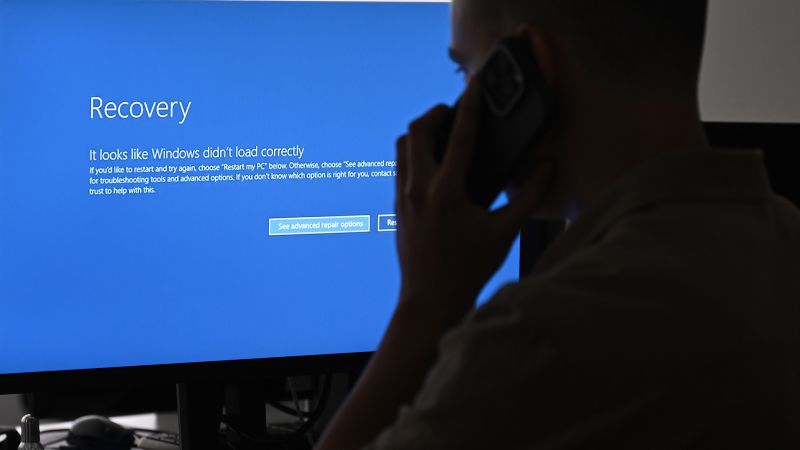
Microsoft is retiring the traditional blue screen of death on Windows computers, replacing it with a new black screen during unexpected restarts to streamline the user experience, starting later this summer on Windows 11 devices.
Microsoft is retiring the iconic Blue Screen of Death after over 40 years, replacing it with a simpler, black background error message that indicates a device needs to restart, as part of efforts to improve Windows system resilience and user experience.
Microsoft is retiring the iconic blue screen of death after 40 years, replacing it with a black screen that provides more diagnostic information to improve system recovery and resilience, as part of its Windows Resiliency Initiative.
Microsoft is replacing the traditional Blue Screen of Death with a simpler black screen in Windows 11 updates later this summer, aiming to provide clearer error information and improve troubleshooting, especially for IT admins, following recent major outages.
Microsoft is replacing the traditional blue screen of death (BSOD) in Windows 11 with a simplified black screen to improve clarity and troubleshooting, rolling out later this summer as part of broader Windows resilience improvements.
Linux is introducing its own version of the Blue Screen of Death (BSOD) through the systemd-bsod service. This feature generates a full-screen error message with a QR code to provide more information about boot issues. Currently experimental, it is expected to be included in various Linux distributions by 2024. Meanwhile, there are no significant changes to the Windows BSOD, with Microsoft having made minor alterations in the past.
The latest version of the Linux systemd project, version 255, introduces a new component called systemd-bsod that generates a full-screen display of error messages when a Linux system crashes. Similar to Windows' Blue Screen of Death (BSOD), the Linux version will also include a QR code for easy information lookup. While this feature is currently listed as experimental, systemd is widely used by major Linux distributions, making it likely that most Linux users will eventually encounter this new feature.
Systemd 255 has been released as stable, introducing new features such as systemd-bsod, a "Blue Screen of Death" service for displaying full-screen error messages on Linux, and systemd-vmspawn, a tool for spawning virtual machines. Other highlights include improvements to systemd services spawning, the addition of systemd-pcrlock for managing local TPM2 PCR policies, and the inclusion of a new varlinkctl tool for interfacing with Varlink services. The release also brings support for SECCOMP on the LoongArch 64-bit CPU architecture, hibernation into swap files backed by Btrfs, and various other enhancements and deprecations.
MSI has released BIOS updates to resolve the "unsupported processor" Blue Screen of Death (BSOD) errors that occurred with its Intel 700 and 600 Series motherboards after a recent Windows 11 update. The issue was caused by a firmware setting related to Intel Hybrid Architecture. The updates will prevent further occurrences of the error and will be available for all affected motherboards by the end of September. In the meantime, users can install an older BIOS version as a temporary workaround.
MSI has confirmed that the recent surge of blue screens of death (BSODs) experienced by Windows users is linked to certain models of MSI motherboards. The error message displayed is 'UNSUPPORTED_PROCESSOR' after installing the Windows 11 update. Both MSI and Microsoft are investigating the issue, and MSI advises users to avoid installing the August 2023 preview updates for now. Impacted users should revert their BIOS to a previous version and uninstall the optional Windows updates. Microsoft has acknowledged the issue and stated that the problematic updates may automatically uninstall.
Windows 10 KB5026361 (May 2023 Update) is causing serious issues for some users, including Blue Screen of Death errors, forced restarts, and installation issues. Users have reported error messages, missing components, and failures in Microsoft Edge updates. Microsoft has yet to acknowledge the reports or address the concerns.