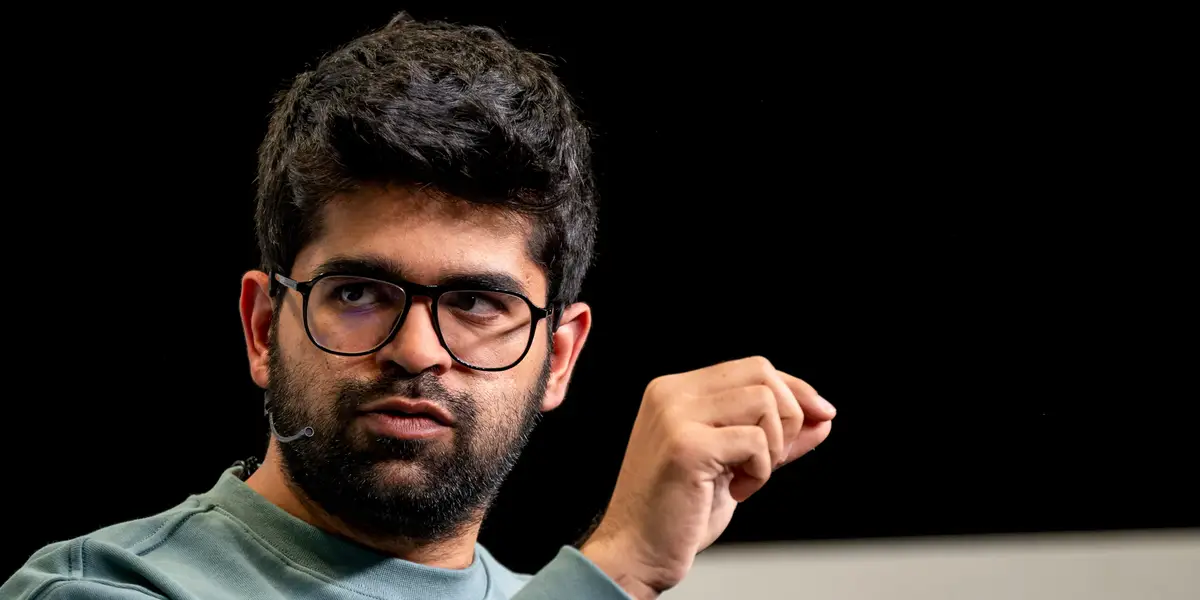
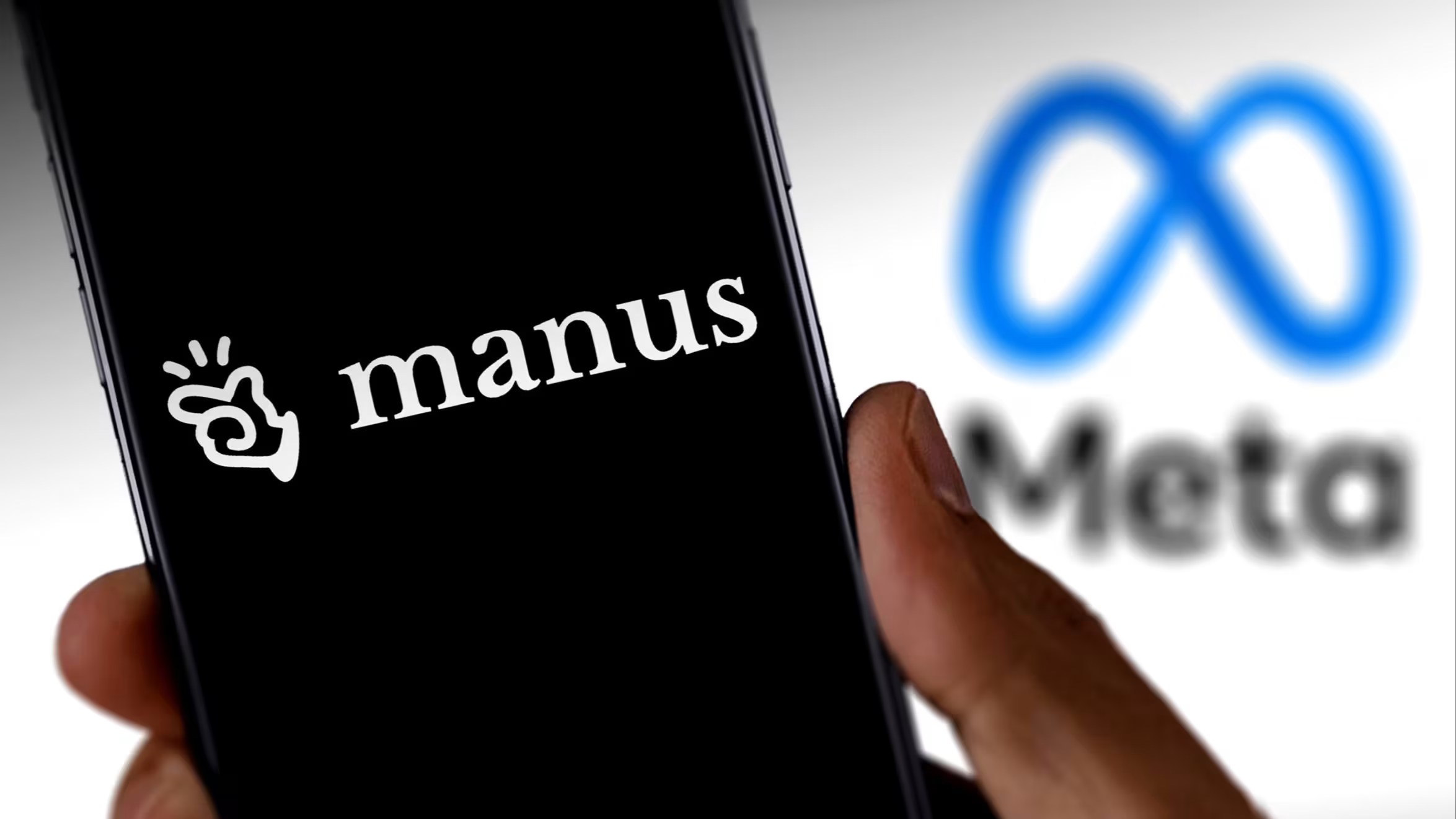
Chinese officials are reviewing Meta's $2 billion acquisition of AI startup Manus for potential violations of technology export controls, focusing on whether the transfer of staff and technology to Singapore required an export license under Chinese law, which could influence or halt the deal.
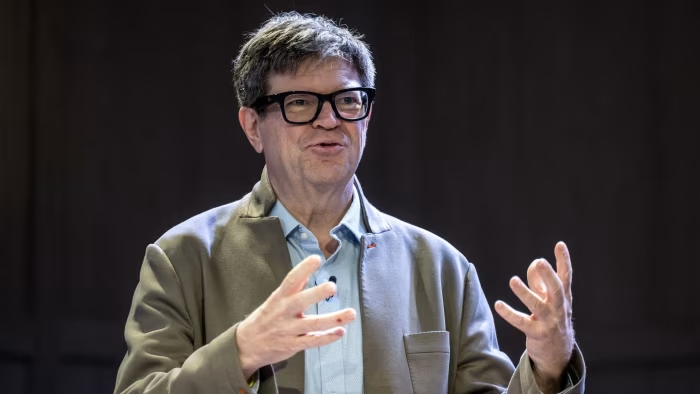
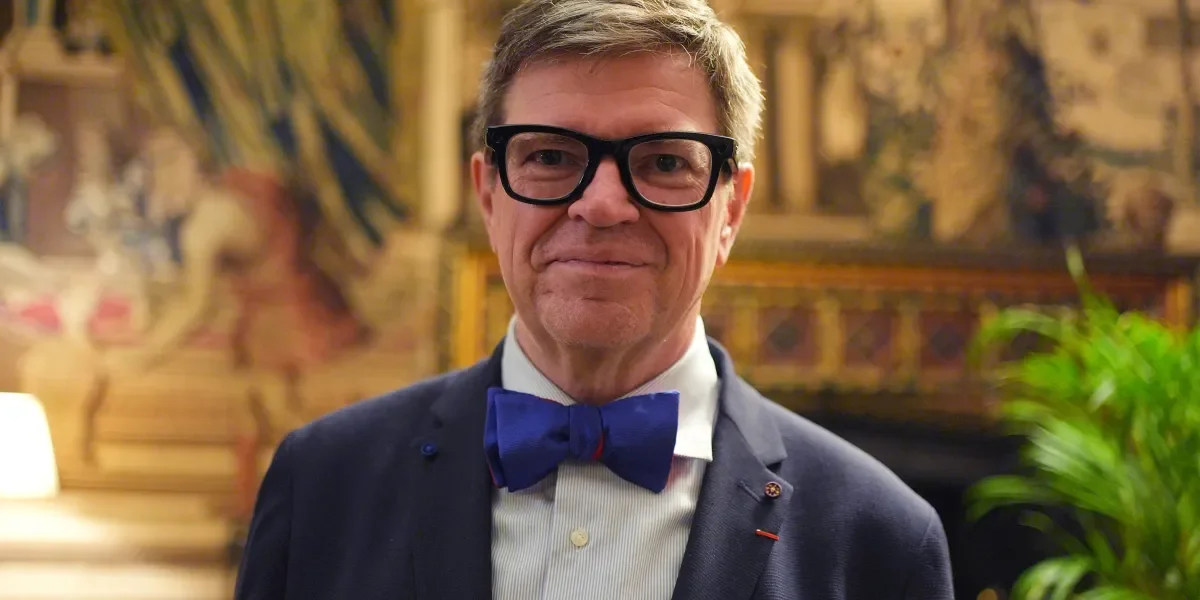
Yann LeCun, Meta's chief AI scientist, is in early talks to raise €500 million for his new AI startup, Advanced Machine Intelligence Labs, aiming for a €3 billion valuation, with plans to develop advanced AI systems focusing on world models and physical understanding, while Meta shifts its AI strategy and LeCun prepares to leave the company.
Anthropic, an AI startup behind the Claude chatbot, is in early talks to launch one of the largest IPOs next year, potentially valuing the company above $300 billion, as it competes with OpenAI in the AI space. The company has engaged top law firms and discussed with major investment banks, though no final decisions have been made. This move could test investor appetite for loss-making AI companies amid a growing AI industry bubble.
Originally Published 2 months ago — by Hacker News
Yann LeCun is leaving Meta to start an AI company focused on 'world models,' amidst a broader industry shift from long-term research to product development with existing models like LLMs, raising questions about the future of fundamental AI research and innovation.
Yann LeCun, a pioneering AI researcher and Turing Award winner, plans to leave Meta to start his own AI company focused on developing 'world models' that understand environments through video and spatial data, signaling a shift in his career and highlighting disagreements over AI research directions at Meta.
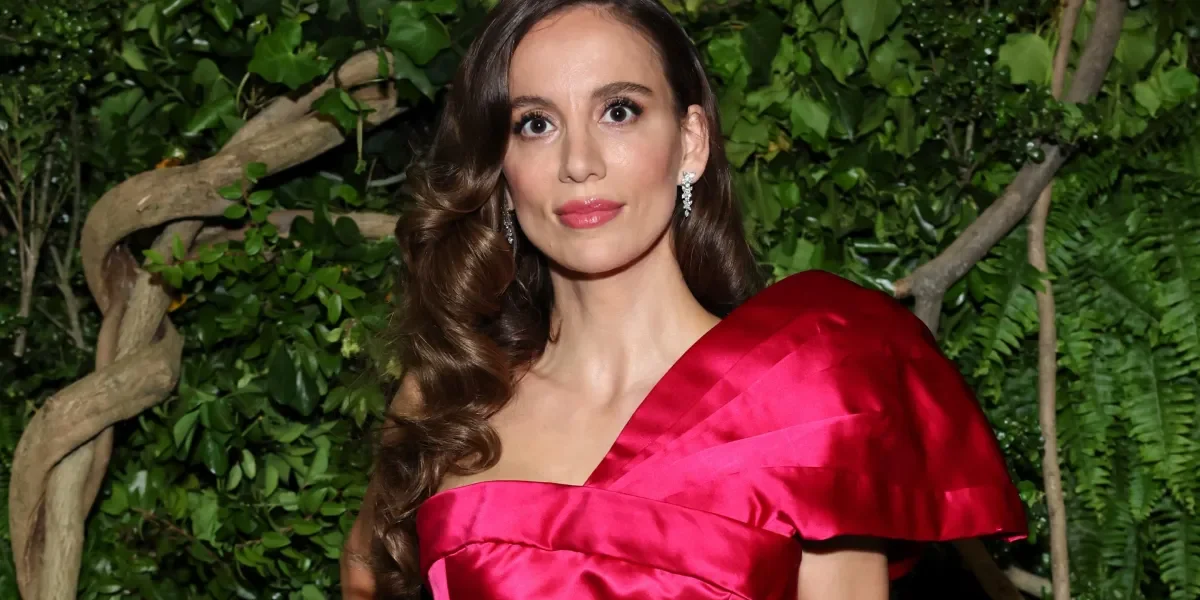
Mira Murati, a prominent AI executive and former CTO of OpenAI, launched her own startup, Thinking Machines Lab, which recently released its first product, Tinker, aimed at democratizing AI model fine-tuning. Despite aggressive recruitment efforts by Meta and Mark Zuckerberg, her team remains loyal, emphasizing her leadership and vision for accessible AI. Murati's journey from Albania to Silicon Valley highlights her influence in the AI industry and her commitment to responsible AI development.
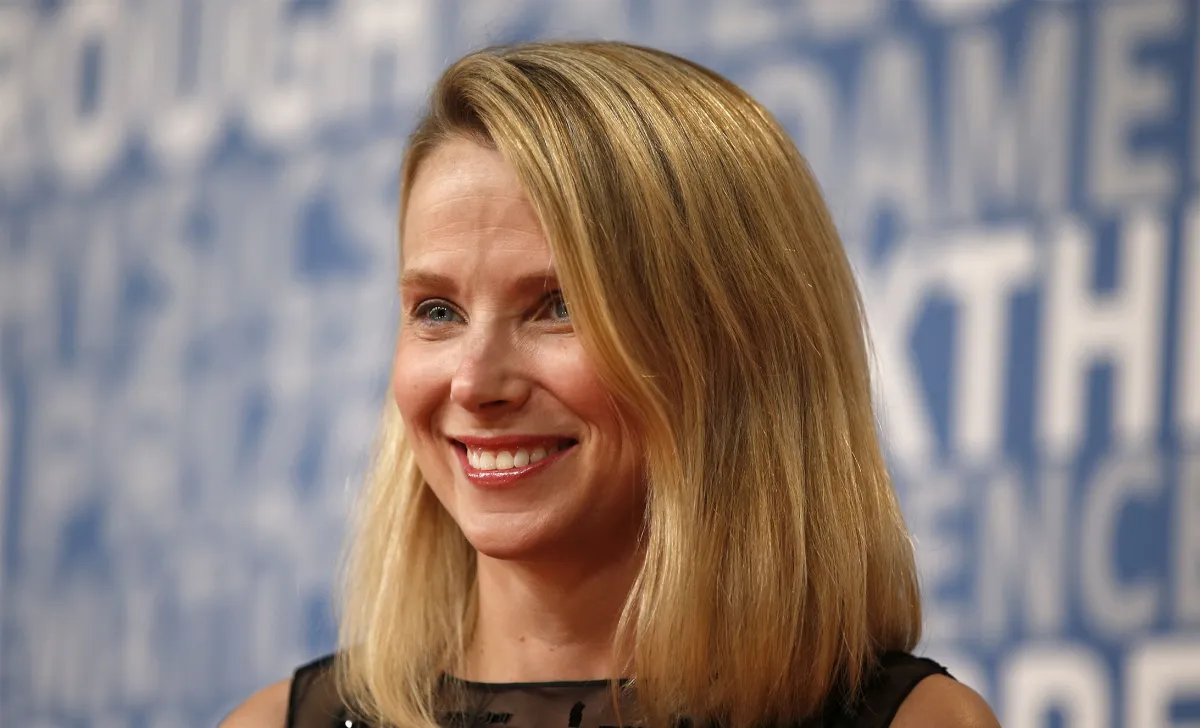
Marissa Mayer is shutting down her consumer software startup Sunshine and selling its assets to her new AI company, Dazzle, which aims to develop an AI personal assistant, with all Sunshine employees moving to Dazzle.
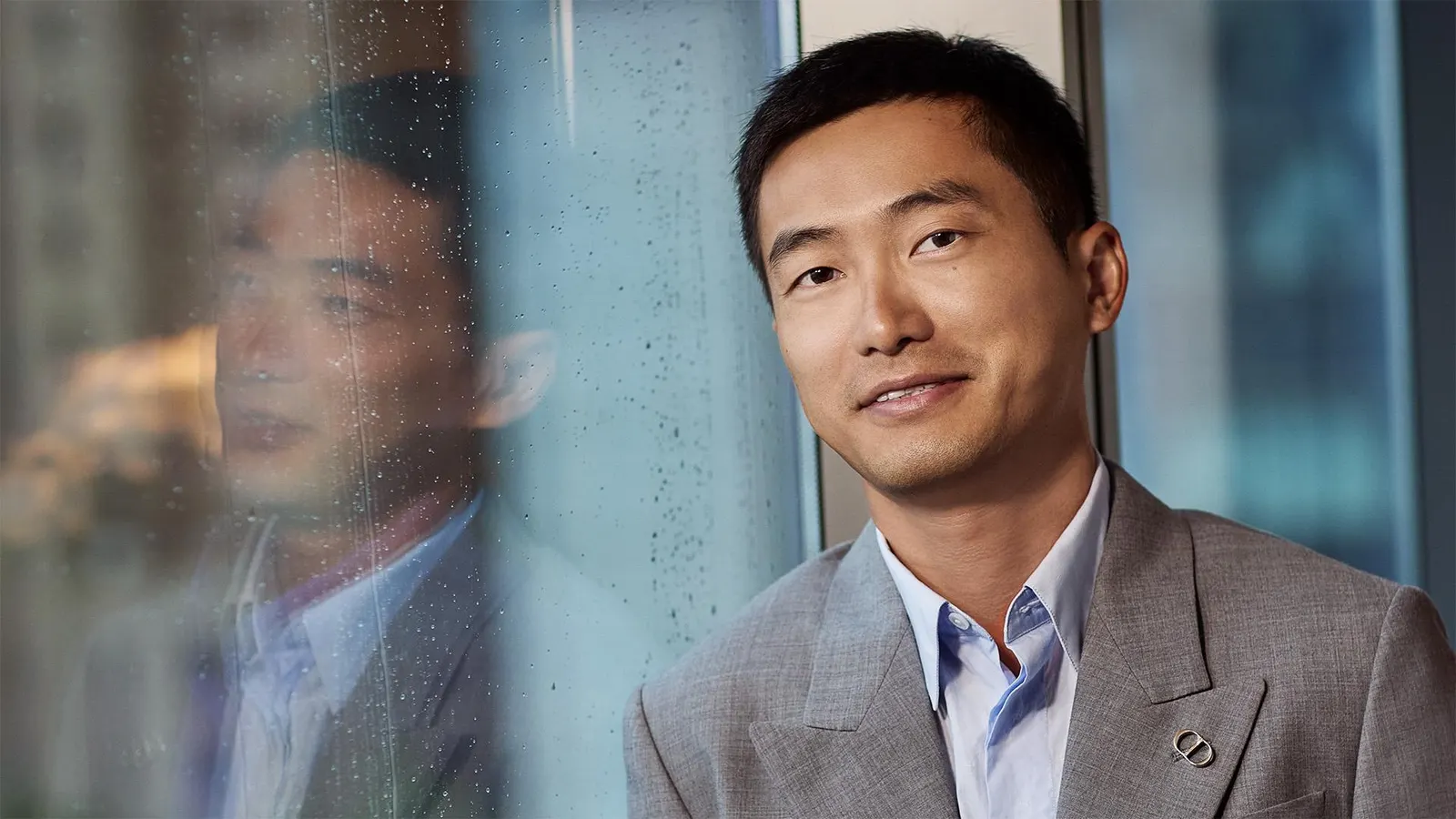
Nathan Xu's bootstrapped company Plaud has sold over 1 million AI recording devices, like the NotePin, which transcribe and summarize conversations, targeting professionals such as doctors and lawyers. The company is profitable, with projected $250 million annual revenue, and has avoided VC funding, focusing on international markets and ethical use. Xu envisions a future where wearable AI devices are ubiquitous, surpassing smartphones in popularity, and aims to build a significant valuation through expanding its AI tools and hardware.
Anthropic is close to raising up to $10 billion in a new funding round, significantly higher than previous estimates, which would boost its valuation and position it as a leading AI developer competing with OpenAI and xAI.
Perplexity, an AI search startup, is raising new funding at a $20 billion valuation, up from $18 billion in July, with its business surging to over $150 million in annual recurring revenue. The company recently made a $34.5 billion bid for Google's Chrome browser and has attracted investments from major players like SoftBank, Nvidia, and Jeff Bezos, amid fierce competition from tech giants like Google and OpenAI.
Windsurf, an AI coding startup, initially poised for a $3 billion acquisition by OpenAI, saw the deal collapse, leading to a complex series of negotiations where Google paid $2.4 billion to acquire its top talent and license its IP, leaving many employees in uncertainty. The deal has sparked concerns about precedent-setting in Silicon Valley, especially regarding employee treatment and deal structuring, with some investors criticizing the outcome as damaging for startup ecosystems.
Vinod Khosla criticized Windsurf's founders for abandoning their team to join Google DeepMind after a failed deal with OpenAI, expressing disapproval of founders leaving their teams behind without sharing proceeds, and emphasizing the importance of trust and loyalty in startup leadership.
OpenAI's planned $3 billion acquisition of AI startup Windsurf has fallen through due to disagreements over Microsoft’s access to Windsurf's intellectual property, leading Google to instead acquire top talent from Windsurf for its DeepMind unit in a deal valued at around $2.4 billion.