Tag

Dark Energy Camera

All articles tagged with #dark energy camera

astronomy1 year ago

"Ghostly Gigapixels: Capturing the Remnants of a Massive Supernova Explosion"

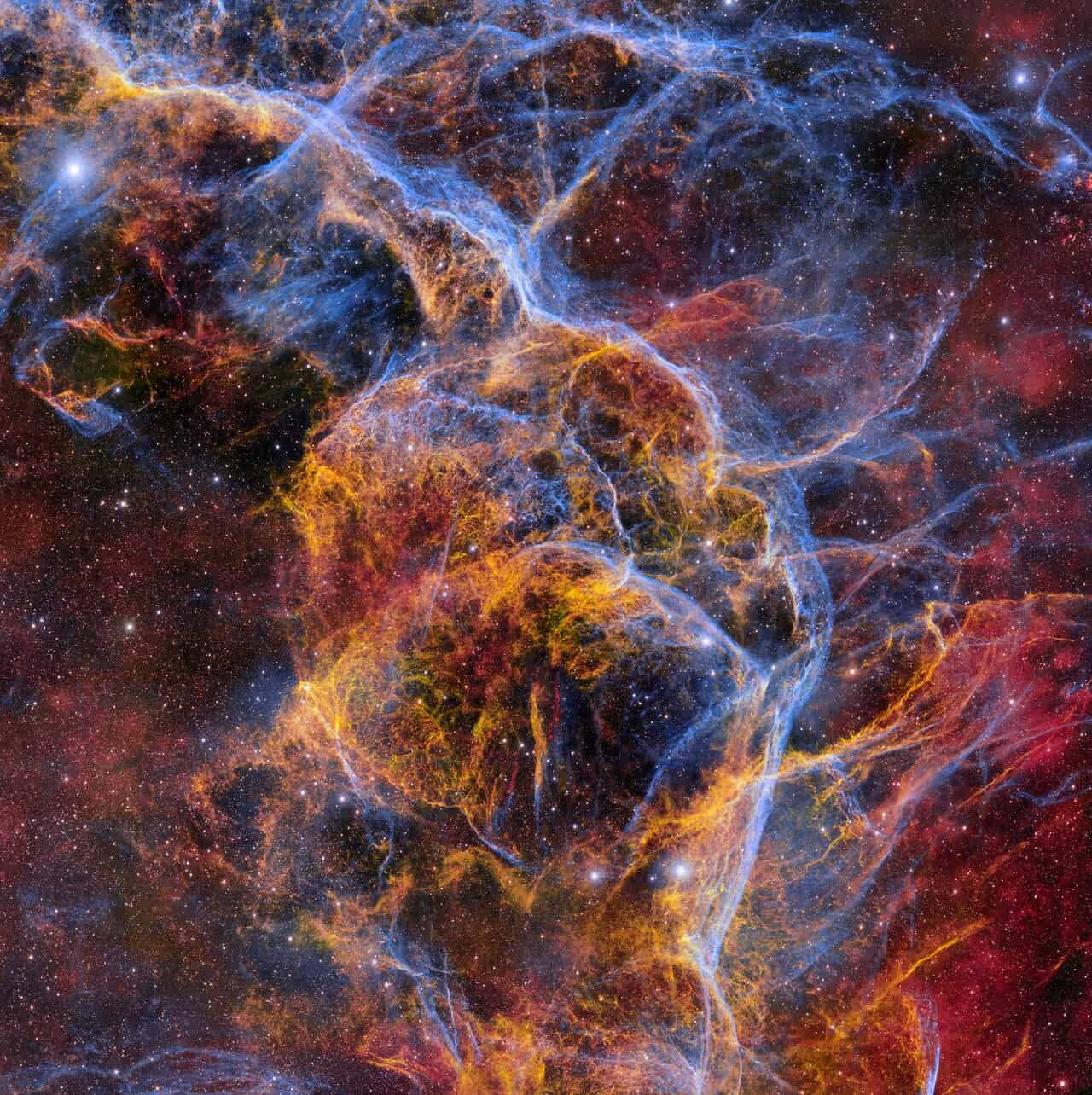
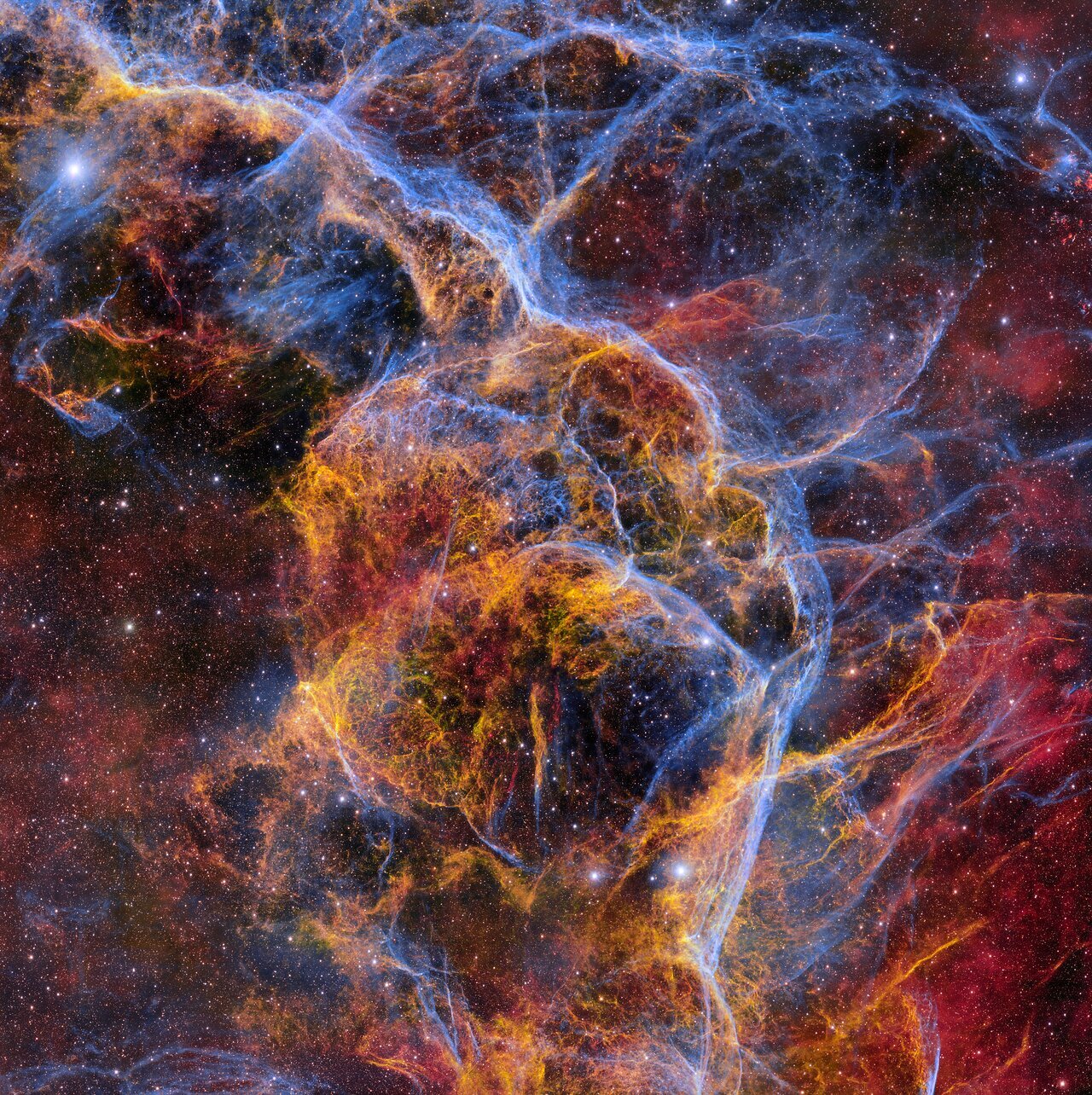
The Vela Supernova Remnant, located 800 light years away, is a colorful web of gas filaments left behind by a massive star that exploded 11,000 years ago, forming a dense neutron star remnant. The image, captured by the Dark Energy Camera, reveals the 100-light-year-wide trail of the explosion and the pulsar left behind. This sighting provides valuable insight into the life cycle of stars, the formation of neutron stars and pulsars, and the dynamics of supernova explosions, contributing to our understanding of the universe's evolution and composition.

astronomy1 year ago

"Record-Breaking 1.3-Gigapixel Image Captures Supernova Remnants in Stunning Detail"

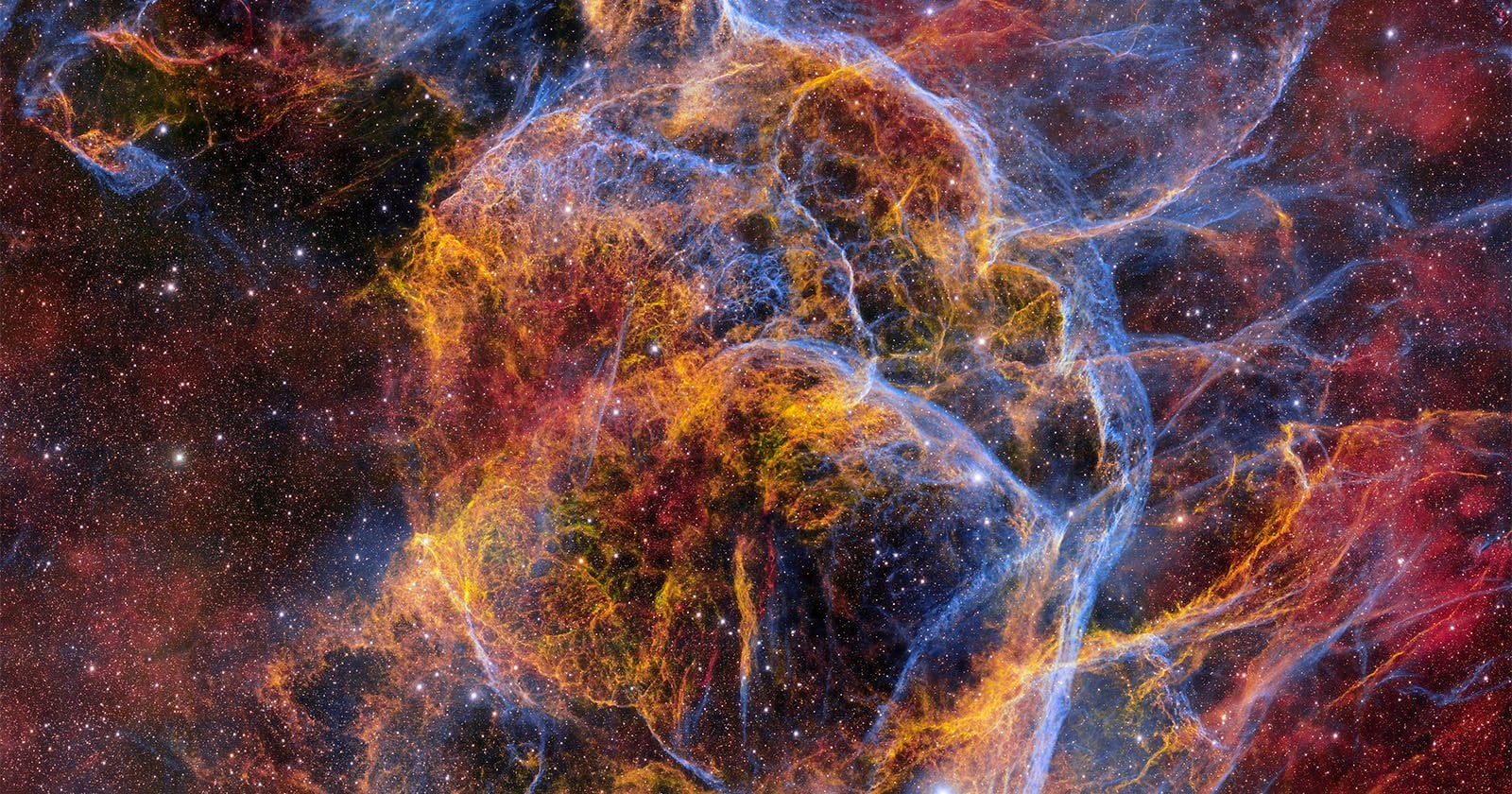
The Dark Energy Camera has captured a stunning 1.3-gigapixel image of the Vela Supernova Remnant, showcasing incredible detail and color. Located 800 light-years away, the remnant is the result of a massive star's explosion 11,000 years ago. The camera's 570-megapixel sensor array, combined with multiple exposures and specialized filters, allowed for the creation of this record-breaking image. By capturing wavelengths ranging from visible light to infrared, the camera revealed intricate cosmic structures and materials left behind by the supernova, offering valuable insights into the lifecycle of stars.

astronomy1 year ago

"Dark Energy Camera Captures Record-Breaking Image of Vela Supernova Remnant's Scattered Remains"

The Dark Energy Camera (DECam) has captured a record-breaking 1.3-gigapixel image of the Vela supernova remnant, showcasing the scattered remains of a star that exploded 11,000 years ago. This billowing mass of dust and gas spans 100 light-years and offers crucial insight into the late stages of such remnants' development. The image also reveals a neutron star, known as the Vela pulsar, at the remnant's core, which is spinning at a rate of 11 rotations per second and creating a pulsar wind nebula. The Vela supernova remnant, located in the Vela constellation, provides valuable information about the dispersal of material into the interstellar medium and the formation of heavy elements.

astronomy1 year ago

"Dark Energy Camera Reveals Ancient Supernova in Stunning Gigapixel Image"

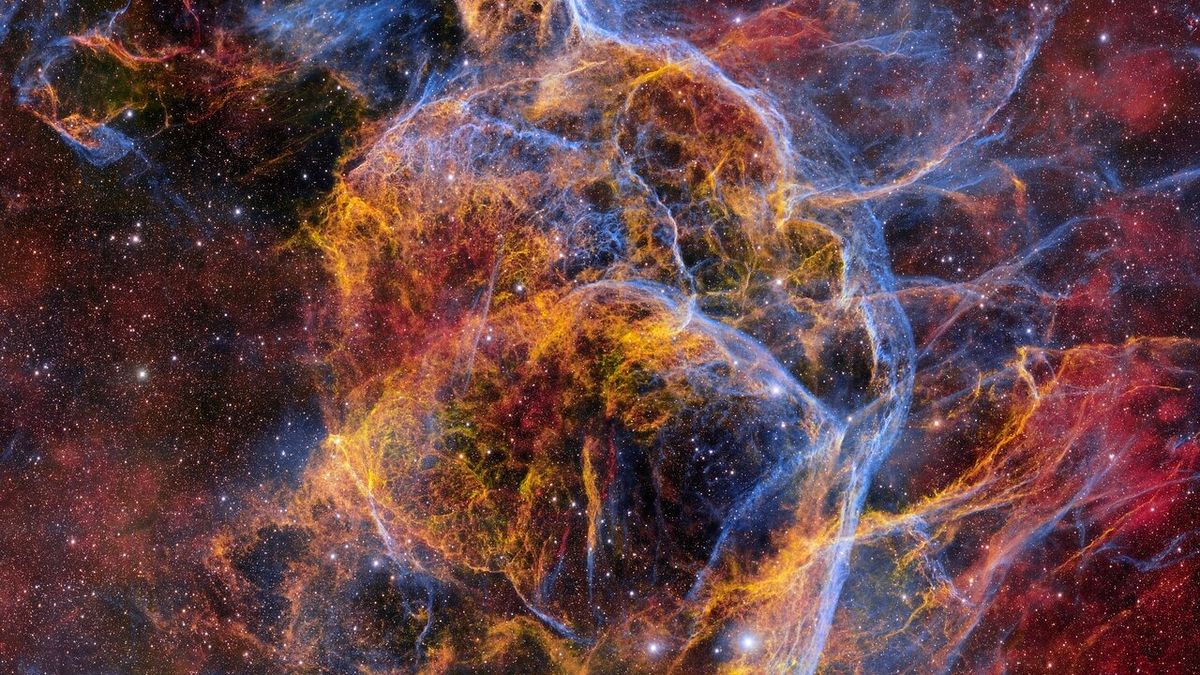
The Dark Energy Camera (DECam) has captured a 1.3-gigapixel image of the Vela Supernova Remnant, showcasing the remains of a massive star that exploded nearly 11,000 years ago. This colorful image, taken with state-of-the-art technology, reveals the intricate web-like filaments of the expanding nebula, which spans almost 100 light-years. The image also features the Vela Pulsar, the collapsed core of the star, now an ultra-condensed neutron star. DECam's capabilities allow for the creation of mesmerizing images of faint astronomical objects, offering a limitless starscape to explore.

astronomy2 years ago

"Dark Energy Camera Reveals Stunning 'Onion-Like' Galaxy Layers"

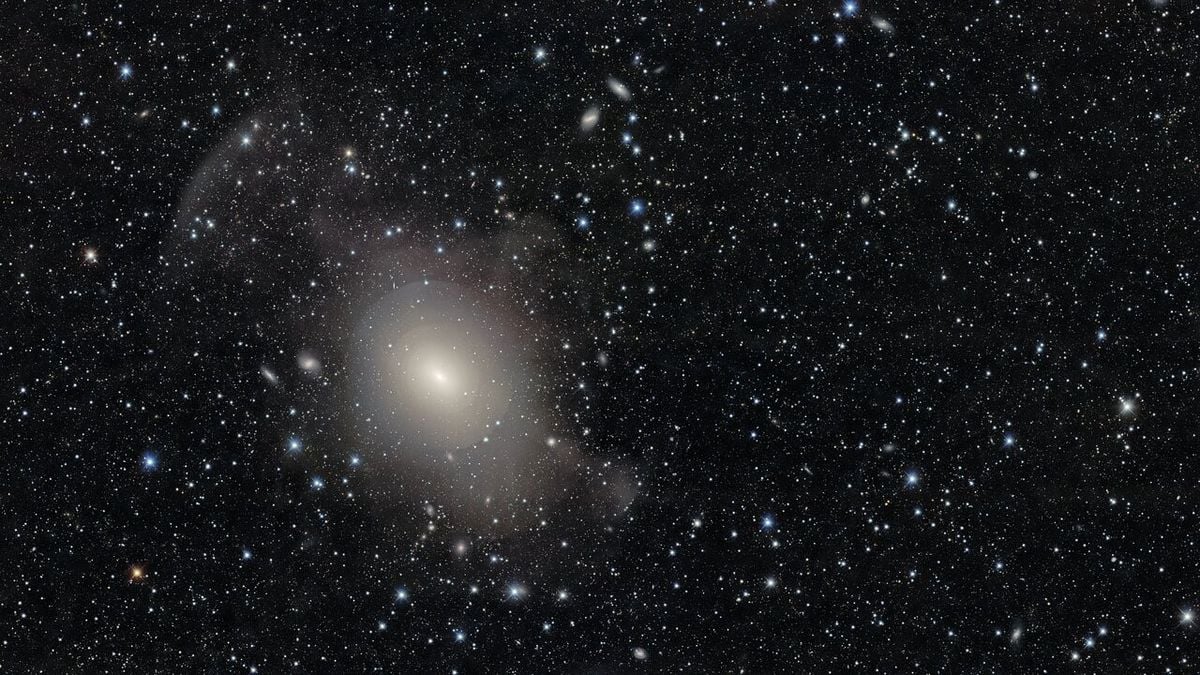
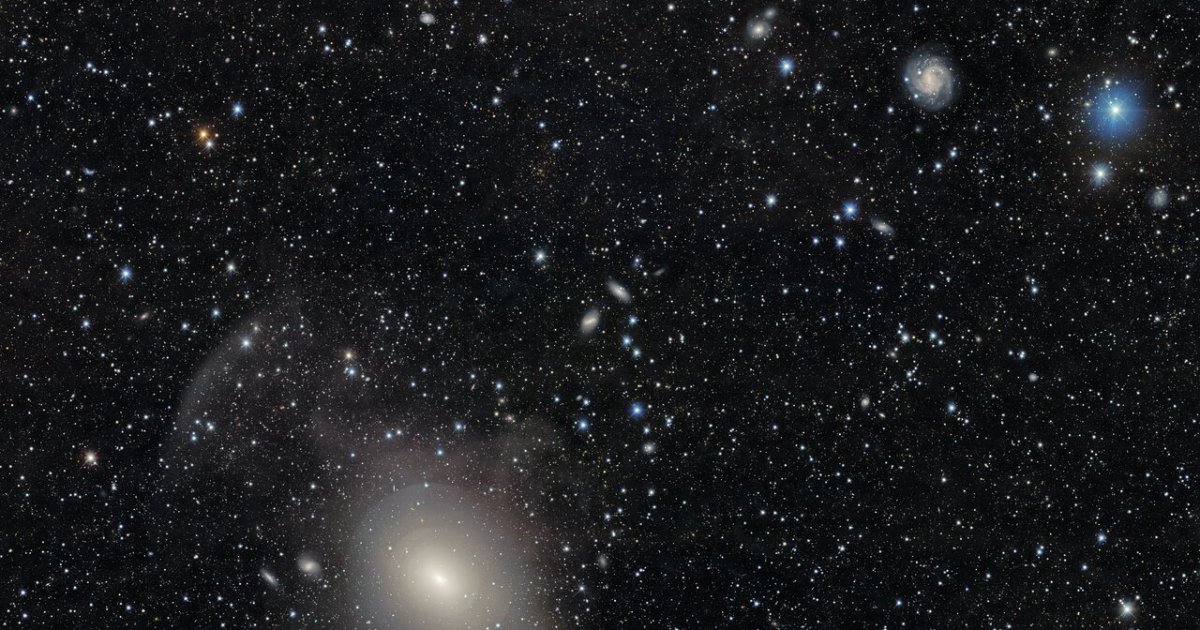
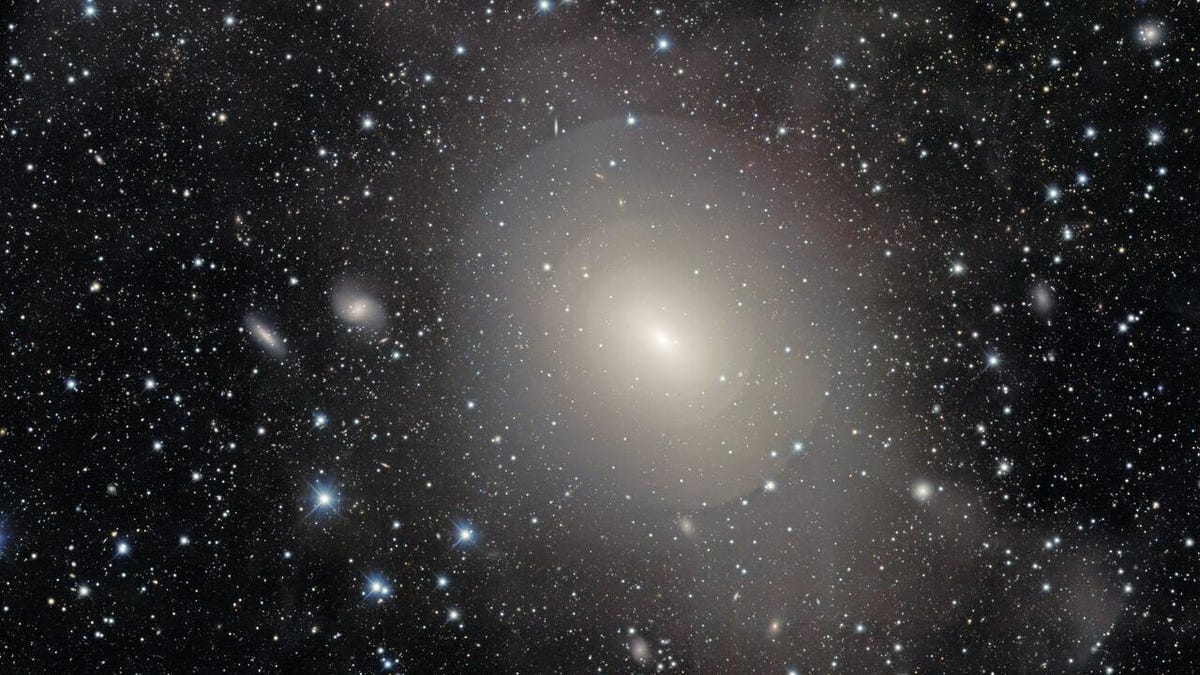
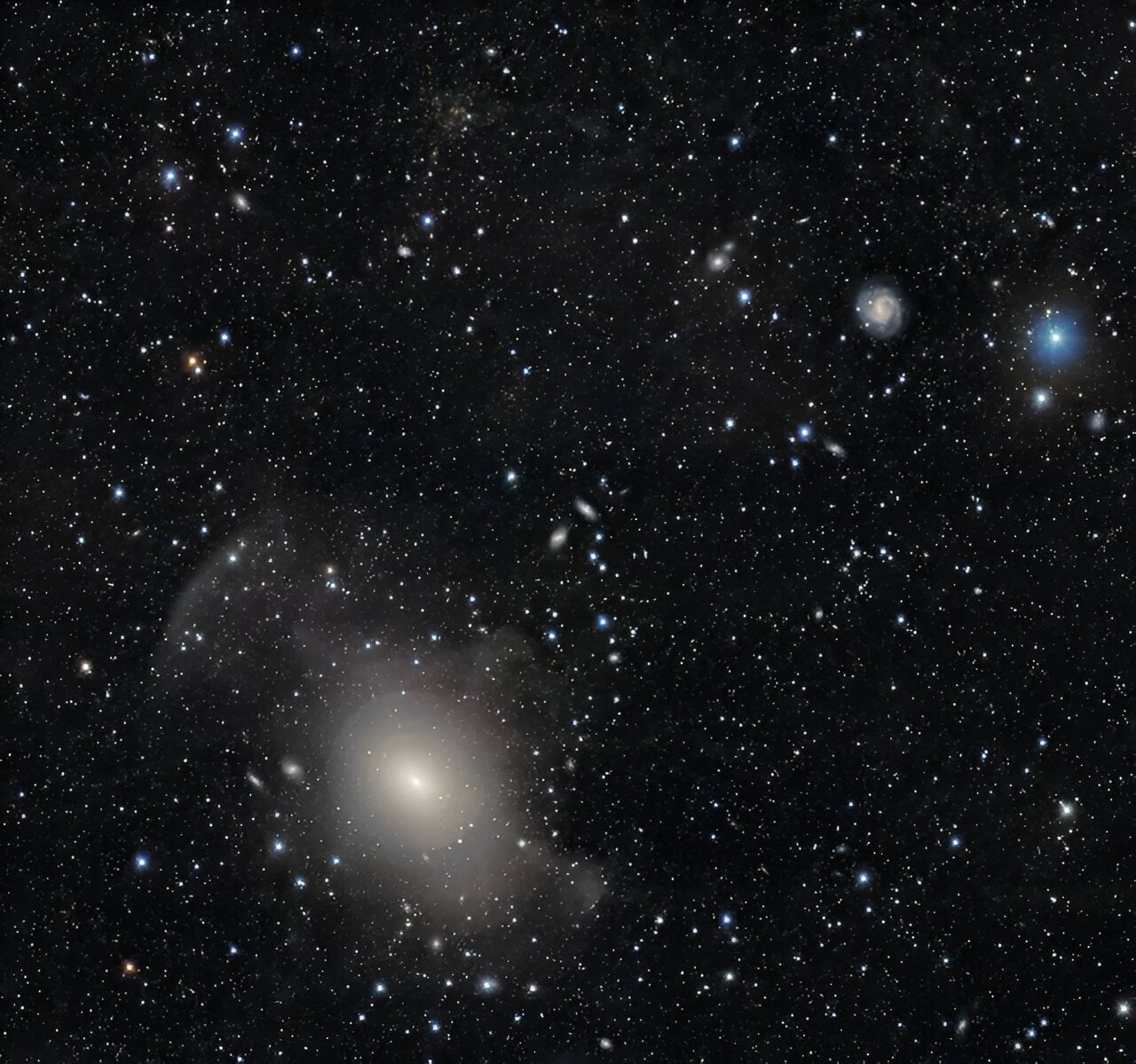
The Dark Energy Camera has captured an image of the shell galaxy NGC 3923, revealing its symmetrical, onion-like layers that extend 150,000 light-years into space. These layers are believed to have formed from a galactic merger, where a larger galaxy absorbed stars from a smaller spiral galaxy. NGC 3923 is exceptional due to its large number of shells and the ratio between the radii of the outermost and innermost shells. The image also shows other galaxies and a gravitational lens, which allows astronomers to study the nature of dark matter and the expansion of the universe.

space2 years ago

"Unveiling the Enigmatic Layers of NGC 3923: A Captivating Shell Galaxy"

The Dark Energy Camera has captured an image of a "galactic onion," a shell galaxy called NGC 3923 with multiple layers spread out over 150,000 light-years. The image also showcases a nearby galaxy cluster exhibiting gravitational lensing. Shell galaxies are formed when two galaxies merge, with the larger galaxy gradually peeling off stars from the smaller galaxy's disk, creating concentric bands or shells. The image can be viewed in detail on the NOIRLab website.

astronomy2 years ago

"Dark Energy Camera Uncovers Shell Galaxy's Layered Secrets"

The Dark Energy Camera has captured an image of the shell galaxy NGC 3923, revealing its onion-like layers of concentric rings within its galactic halo. Shell galaxies make up 10% of all elliptical galaxies and NGC 3923 is about 50% larger than the Milky Way, with the largest known shells. The image also features a gravitational lens around the galaxy cluster PLCK G287.0+32.9, which bends light and magnifies distant objects. Gravitational lenses have been used to spot ancient light and provide evidence for dark matter.

astronomy2 years ago

"DECam Reveals Mesmerizing Layers of NGC 3923 Shell Galaxy Amid Gravitational Lensing"

The Dark Energy Camera (DECam) has captured a stunning image of the shell galaxy NGC 3923, showcasing its concentric layers. Located in the constellation Hydra, NGC 3923 is about 70 million light-years away and is larger than the Milky Way. The galaxy's layered structure is believed to have formed through a merger with a smaller spiral galaxy, resulting in the gradual mixing of stars and the formation of concentric bands. The image also reveals gravitational lensing, allowing astronomers to study the nature of dark matter and the expansion of the universe.

astronomy2 years ago

Galactic Merger Preview: Dark Energy Camera Seizes Cosmic Tug of War

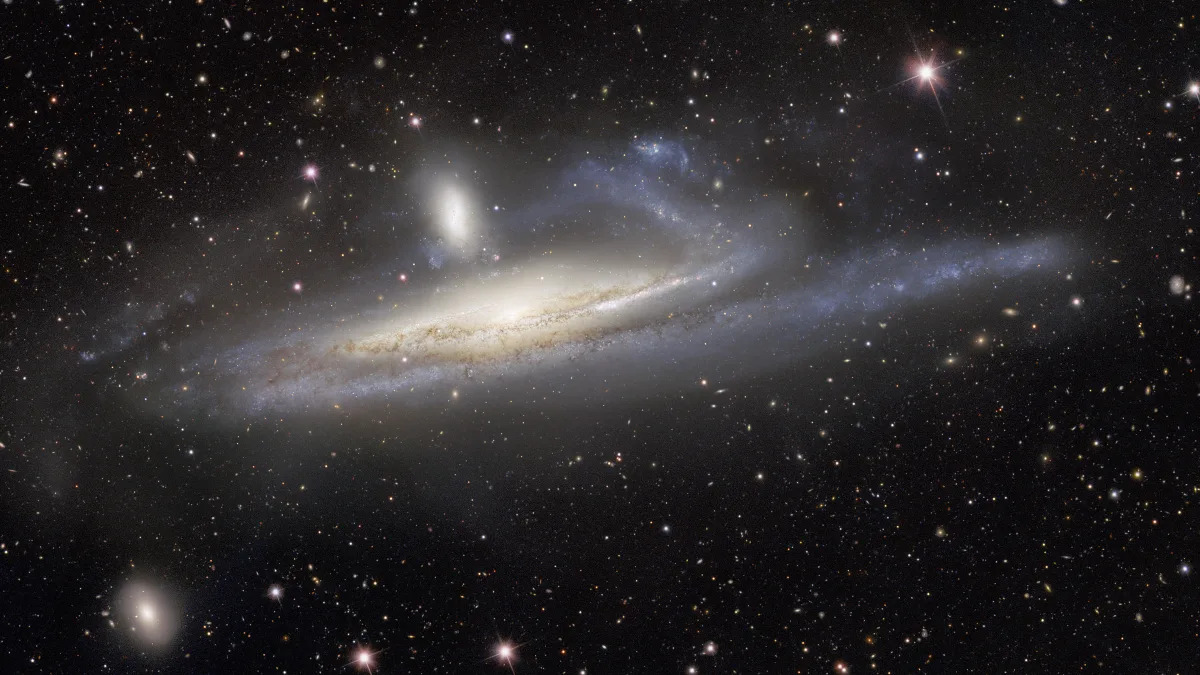
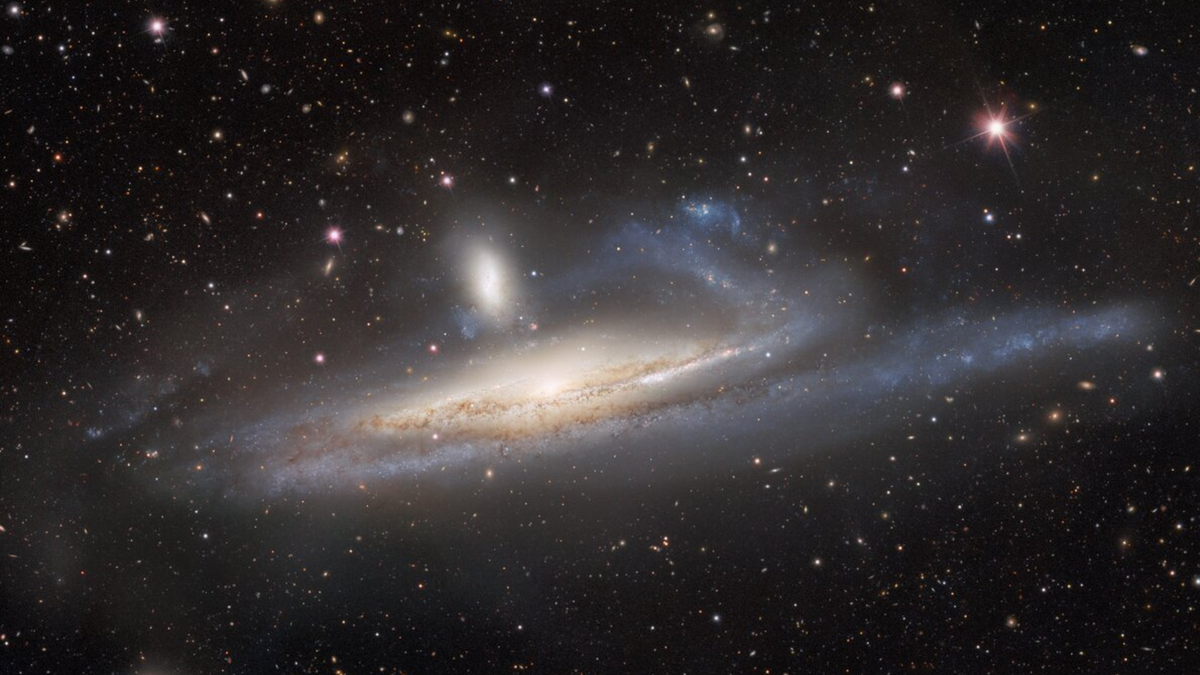
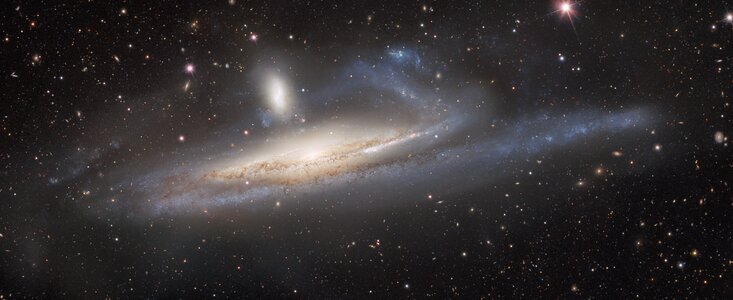
The Dark Energy Camera (DECam) has captured a stunning image of the spiral galaxy NGC 1532 and its smaller companion, the dwarf galaxy NGC 1531, engaged in a gravitational tug of war. This image showcases the process of galactic growth and evolution as larger galaxies absorb and merge with smaller ones. The DECam's wide-field imaging capabilities provide detailed views of these interactions, revealing the distortions in the spiral arms and the bridges of stellar matter between the galaxies. This cosmic dance of gravitational influence triggers bursts of star formation and offers insights into the future merger of the Milky Way with the Andromeda Galaxy.

astronomy2 years ago

Cosmic Cannibalism: Dark Energy Camera Captures Galactic Devouring

The Dark Energy Camera has captured a captivating celestial spectacle as the spiral galaxy NGC 1532, also known as Haley's Coronet, engages in a cosmic tug-of-war with its smaller companion, the dwarf galaxy NGC 1531. The images reveal the mutual gravitational influences and distortions caused by the merger of these galaxies, offering a glimpse into the early stages of galactic growth and evolution. The Dark Energy Camera's wide field of view and high sensitivity allow astronomers to study faint objects and deepen our understanding of the universe.

astronomy2 years ago

"Dark Energy Camera Uncovers Galaxies Engaged in Cosmic Tug of War"

Astronomers have captured an image of a cosmic tug of war between a massive galaxy, NGC 1532, and its smaller dwarf galaxy neighbor, NGC 1531. The smaller galaxy is being dragged towards its larger counterpart and will eventually merge with it, resembling an act of cosmic cannibalism. The image, taken by the Dark Energy Camera, reveals the distorted spiral arms of NGC 1532 and a bridge of gas and dust connecting the two galaxies. This observation provides insights into how galaxies grow by merging with smaller companions. The Milky Way, too, has cannibalized smaller dwarf galaxies and is currently surrounded by satellite dwarf galaxies, some of which are being digested. In the future, the Milky Way is expected to merge with the Andromeda galaxy, resulting in the merger of their central supermassive black holes.

astronomy2 years ago

"Dark Energy Camera Reveals Galaxies Engaged in Lopsided Tug of War, Foreshadowing Merger"

The Dark Energy Camera (DECam) has captured an image of the spiral galaxy NGC 1532 engaged in a lopsided tug of war with its smaller neighbor, the dwarf galaxy NGC 1531. This interaction showcases the mutual gravitational influences of a massive- and dwarf-galaxy merger, providing a glimpse into the early stages of galactic growth. The image reveals distorted spiral arms, plumes of gas and dust, and bursts of star formation triggered by the gravitational forces between the two galaxies. DECam's wide-field imaging capabilities and sensitivity make it a valuable tool for studying galactic interactions and tracing the influence of dark matter on galaxies.