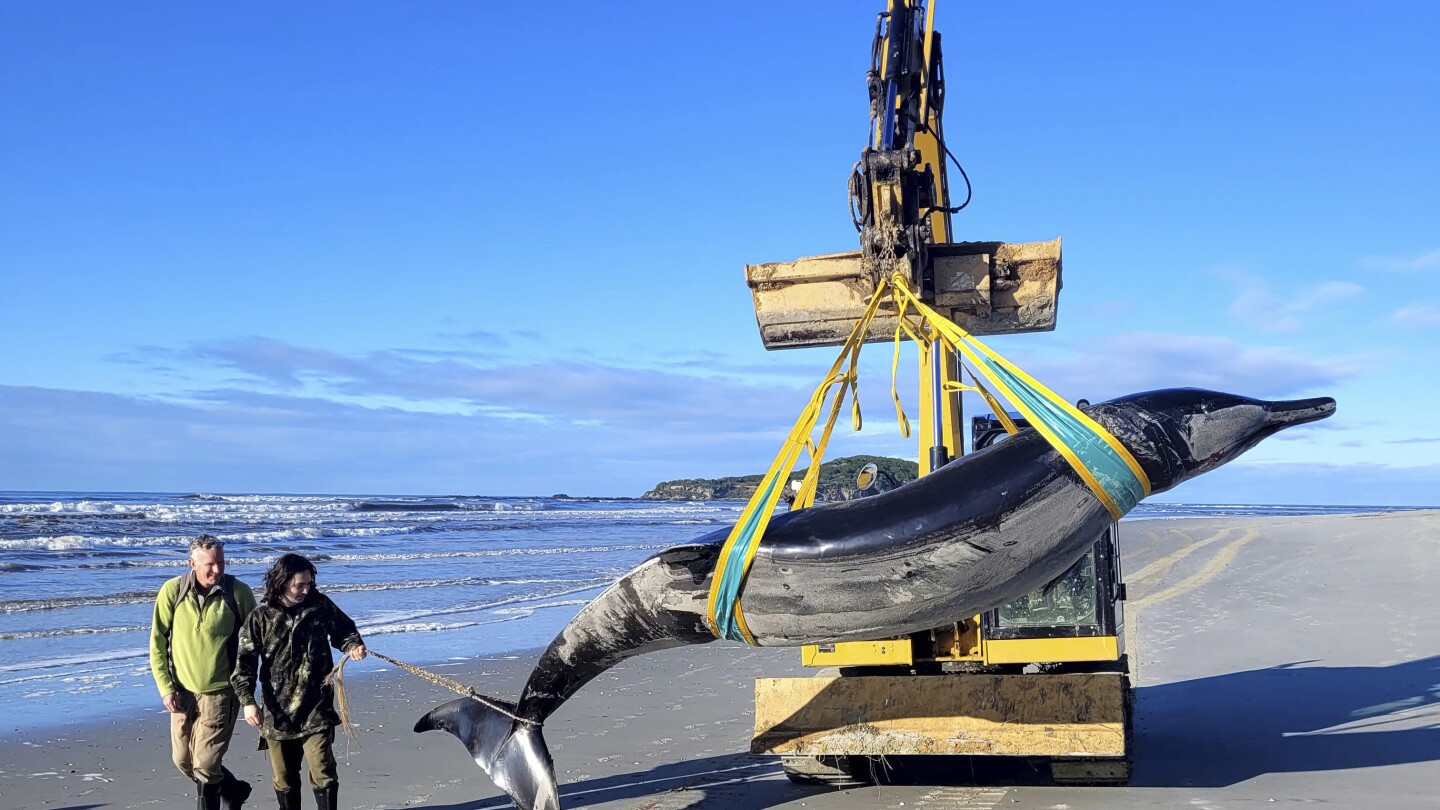
A rare spade-toothed whale, the world's rarest whale species, may have washed up on a New Zealand beach, offering scientists a unique opportunity to study the elusive creature. Identified by its distinct features, the whale's discovery could provide crucial insights into its diet, habitat, and population. The specimen has been preserved for examination, with local Māori iwi involved in the process, highlighting the cultural significance of whales in New Zealand.
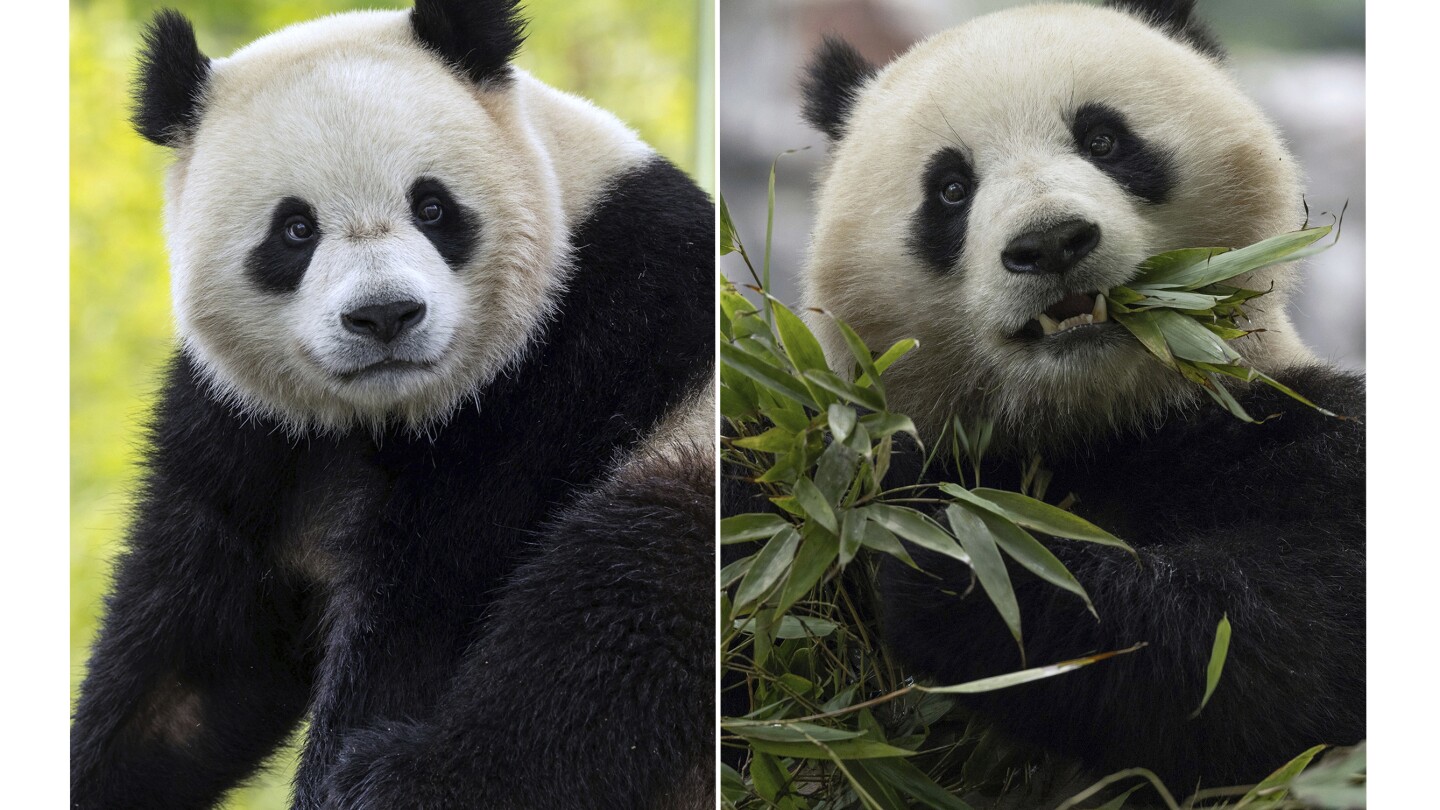
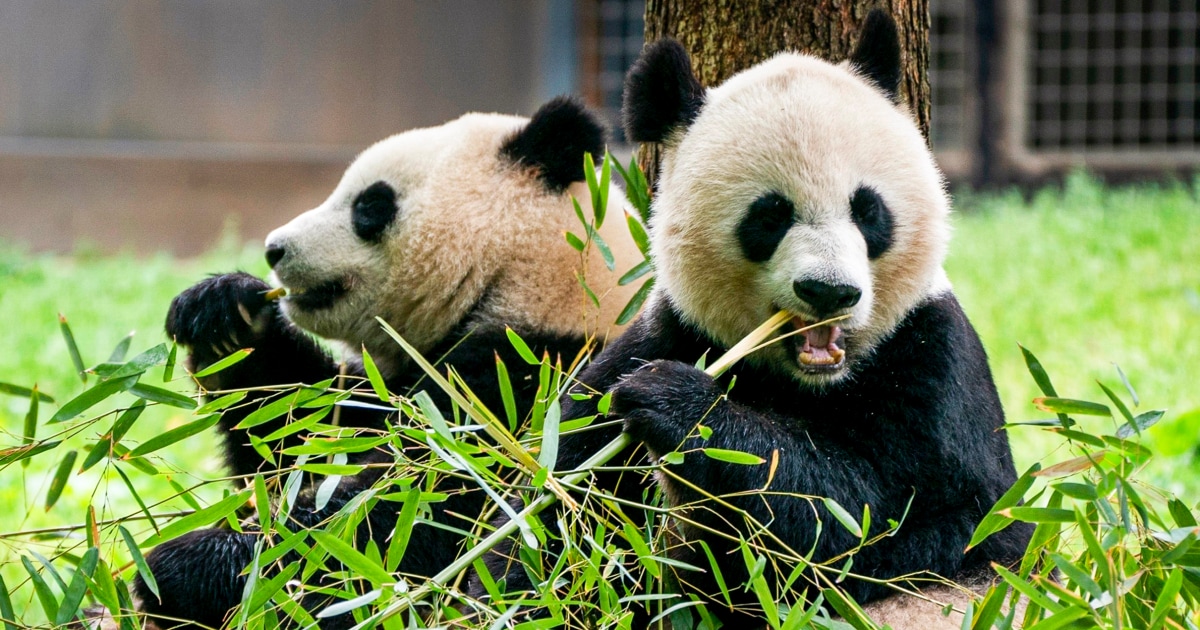
Washington's National Zoo will welcome two new giant pandas, Bao Li and Qing Bao, by the end of the year following a new agreement with China. This marks a significant moment for U.S.-China relations and panda conservation efforts, reigniting "panda-mania" in the nation's capital.
Two 2-year-old giant pandas, Bao Li and Qing Bao, will arrive at Washington D.C.'s National Zoo by the end of the year as part of a new 10-year loan agreement with the China Wildlife Conservation Association. This partnership aims to continue conservation efforts and delight panda enthusiasts, with the pandas' arrival announced by First Lady Jill Biden and zoo officials.
The Smithsonian's National Zoo in Washington, D.C., will welcome two new adolescent giant pandas, Bao Li and Qing Bao, by the end of the year, following the departure of its previous pandas to China. This marks a continuation of the decades-old practice of "panda diplomacy" despite recent strained U.S.-China relations. The zoo is upgrading its panda habitat in anticipation of the new arrivals, who will be on a 10-year loan from China.
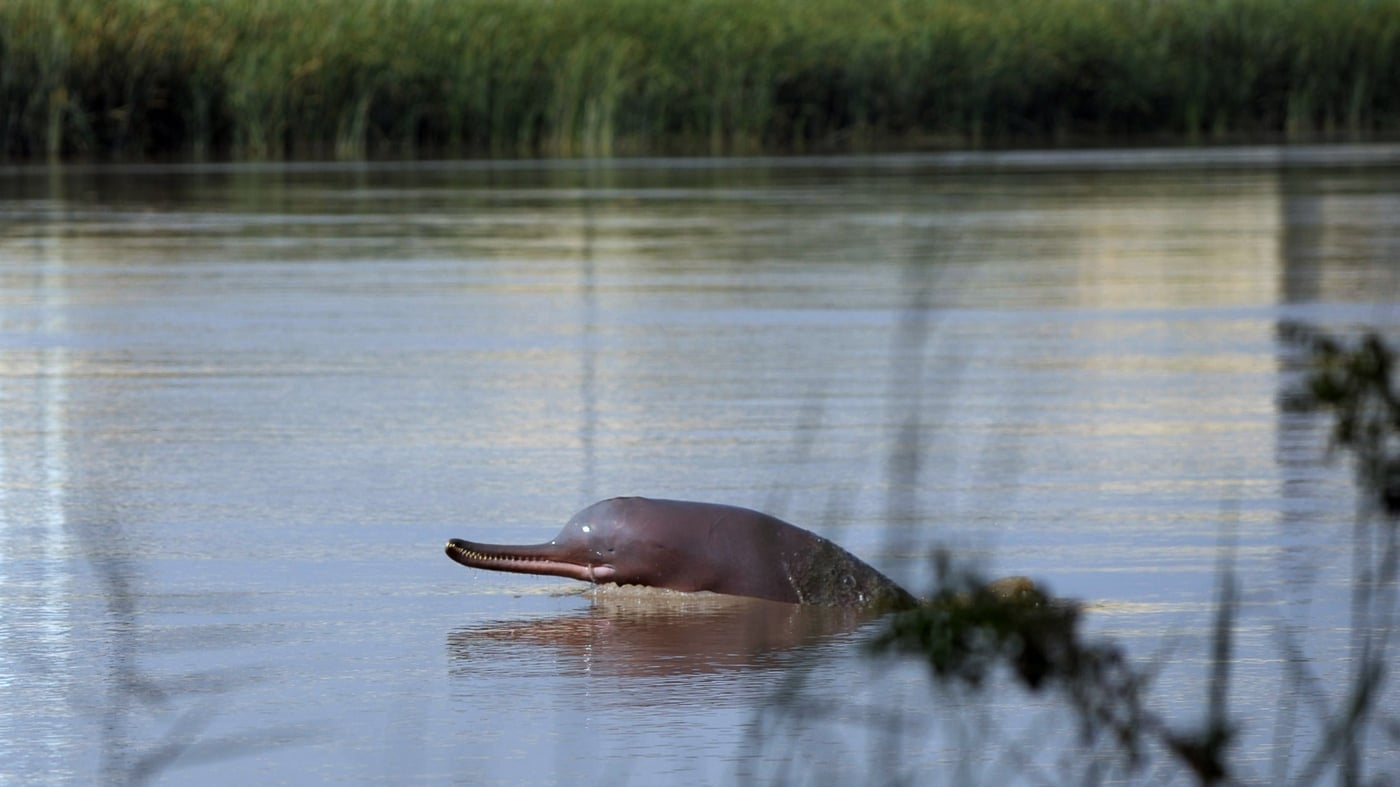
In Pakistan, the endangered Indus River dolphin is experiencing a revival in numbers, thanks to the efforts of local fisherfolk who have become citizen-scientists. Despite being unable to read or write, these fisherfolk report dolphin sightings and participate in rescues, contributing to the growth of the dolphin population from 150 in 1974 to nearly 2,000 today. The World Wildlife Foundation (WWF) has developed a notebook with icons to help the fisherfolk record sightings and conditions of the dolphins. However, the fisherfolk face challenges as they compete with the dolphins for fish, their primary source of income, and there are concerns about the river's pollution and the dolphins' vulnerability due to their limited habitat.
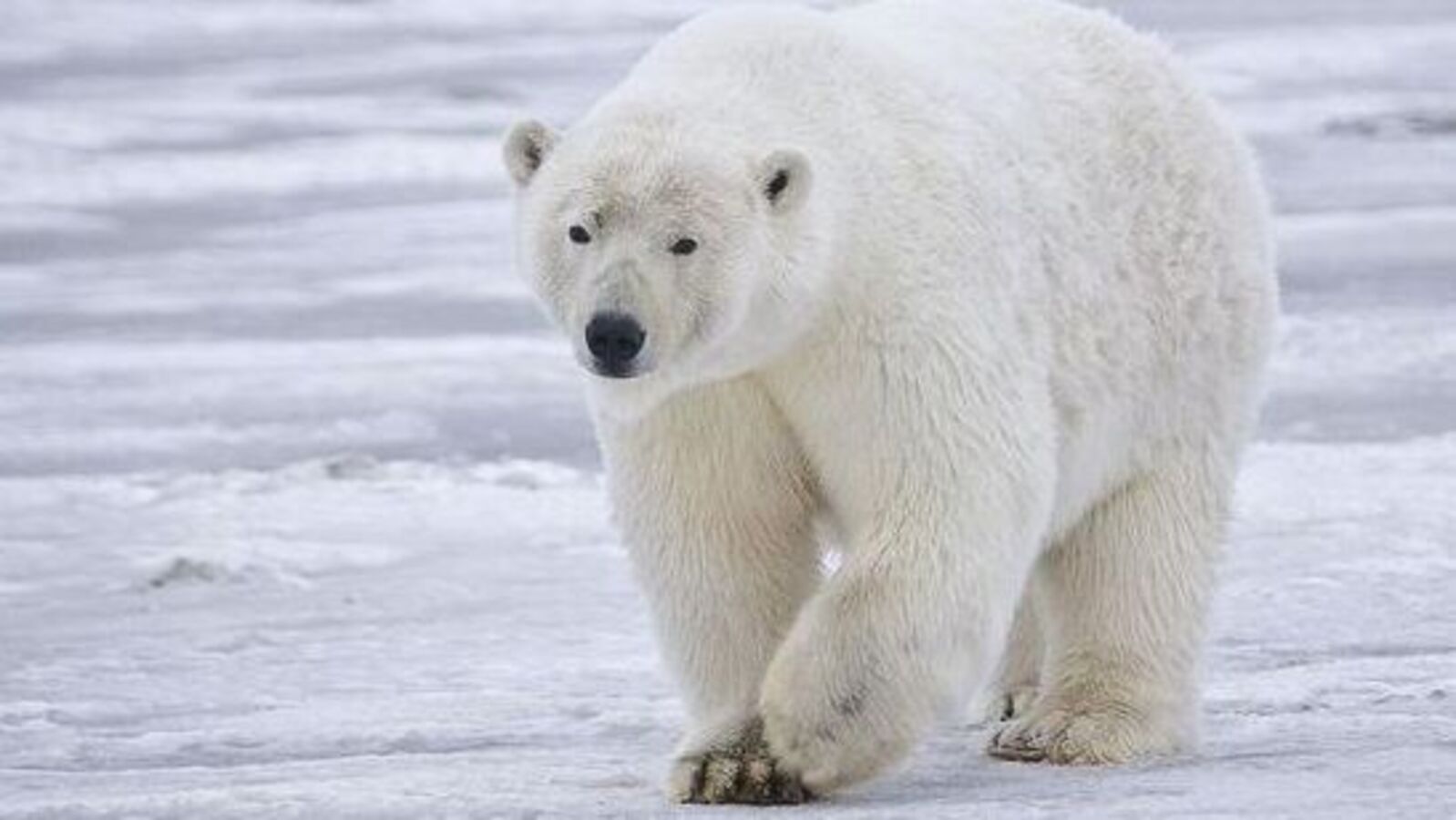
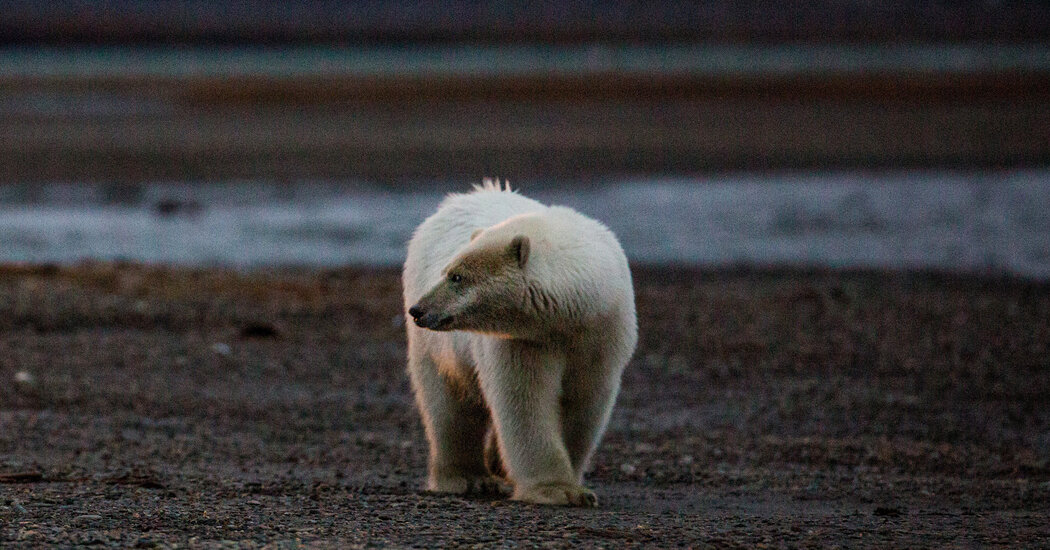
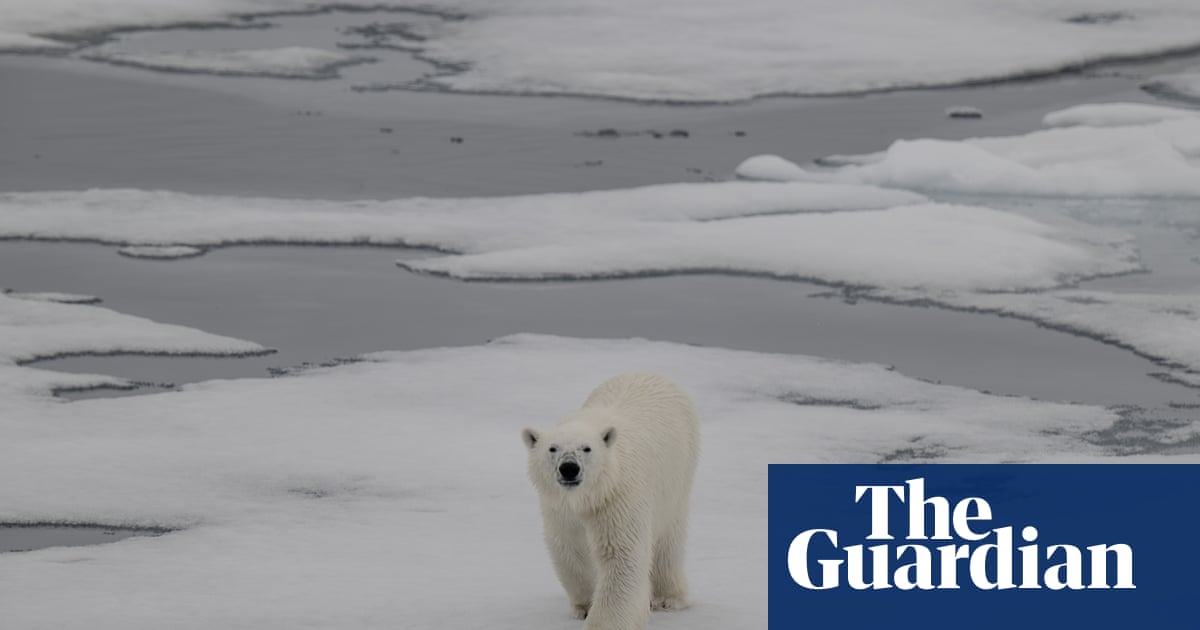
A polar bear in Alaska has died from the H5N1 bird flu virus, marking the first known case in the species. The bear was found dead in December near Utquiagvik after scavenging on infected bird carcasses. The H5N1 outbreak, which began in 2021, has affected wildlife in over 80 countries, leading to millions of wild bird deaths and also impacting other animals such as bears, eagles, and seals. The spread of the virus to remote areas and vulnerable species like polar bears, which are already at risk due to climate change, raises concerns about potential ecological disasters.
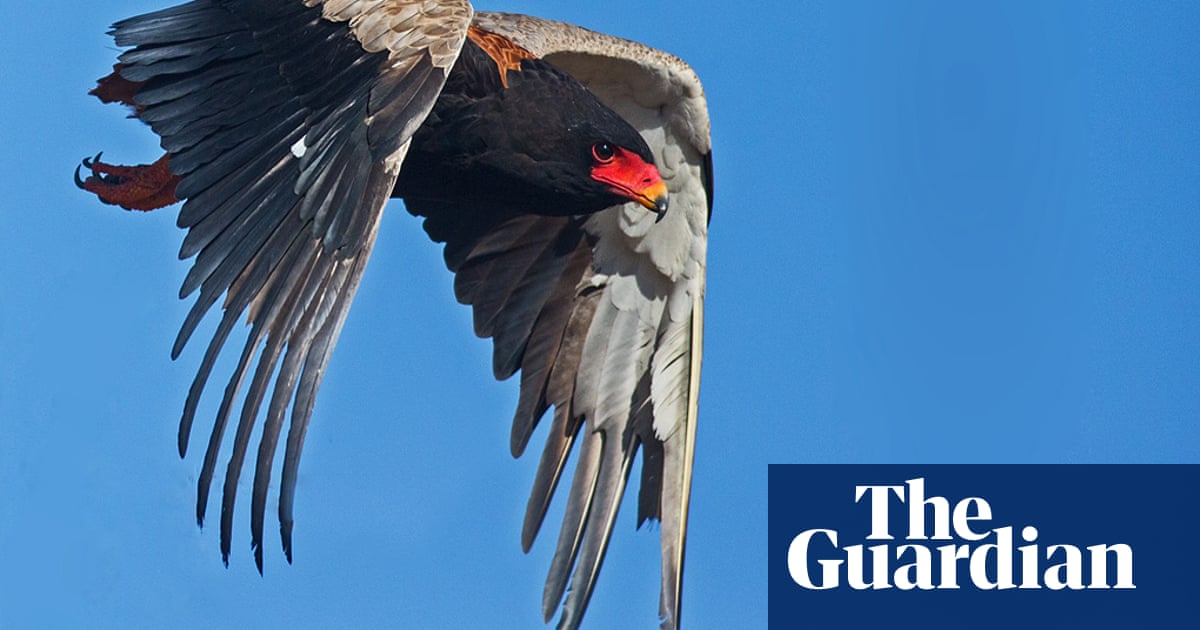
A new study published in Nature Ecology and Evolution reveals a dramatic decline in Africa's birds of prey populations over the past 40 years, with nearly 90% of the 42 raptor species studied showing declines. The loss of these predators, which include species like the martial eagle and the bateleur, is largely due to habitat conversion to farmland and even protected areas are not immune to this trend. The study highlights the critical role these birds play in ecosystems and warns of potential negative consequences for human health and local environments, drawing parallels to the increase in rabies cases in India following a decline in vulture populations.
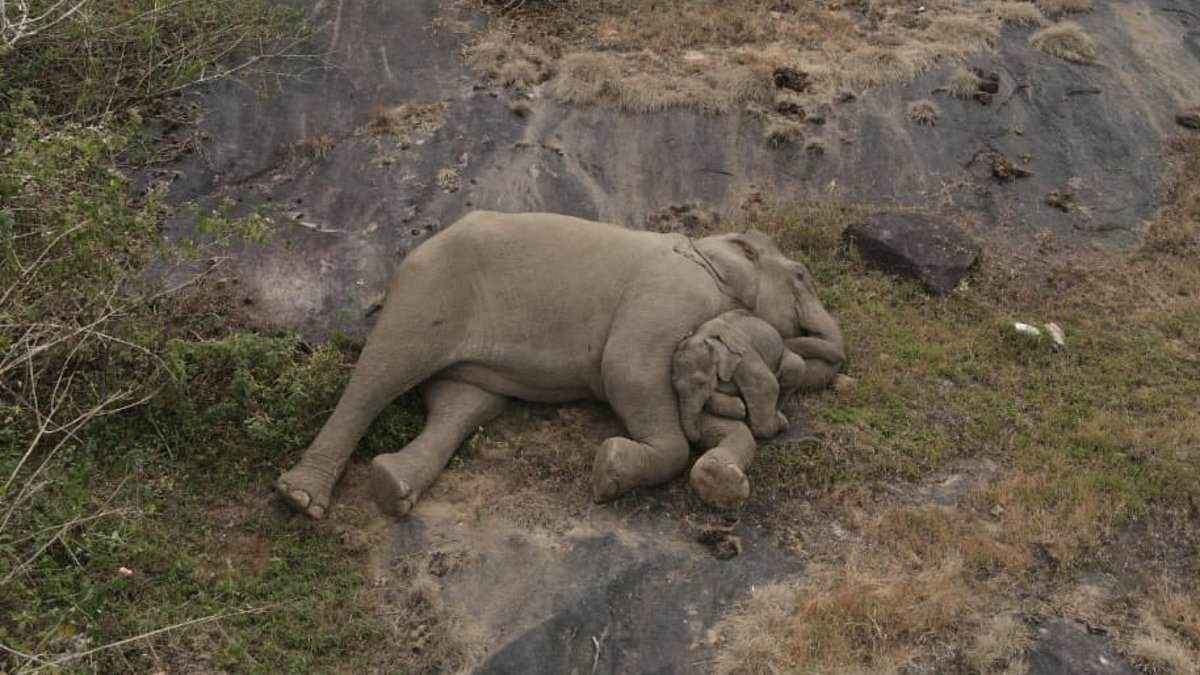
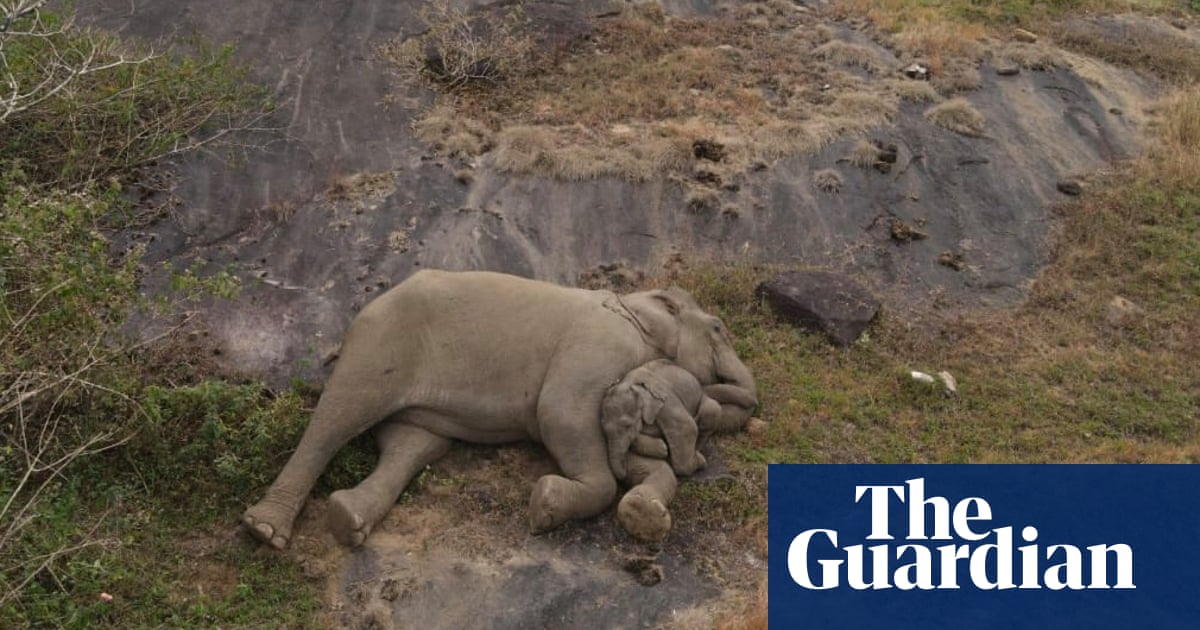
In a heartwarming event at the Anamalai Tiger Reserve in Tamil Nadu, India, a mother elephant and her calf were reunited after being separated for three days. The young elephant, aged four to five months, had gotten lost from its herd on December 29. Park officials utilized drones to locate the herd, which had moved 2.5 miles away. To ensure a safe reunion, the calf was cleaned to remove human scents before being returned to its mother, resulting in an emotional moment captured on camera where the calf was seen sleeping against its mother, secure once again.
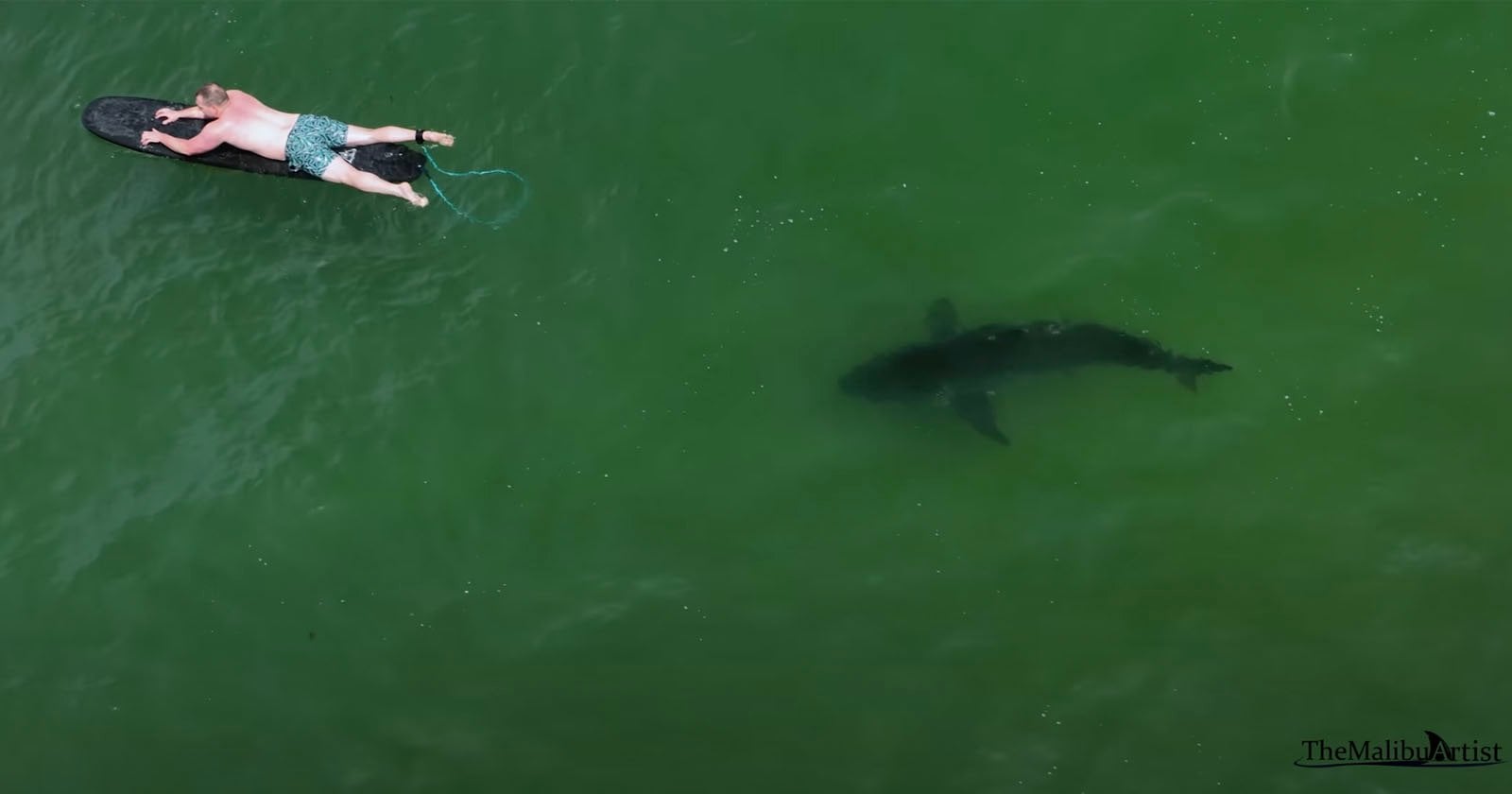
Carlos Guana, a photographer and filmmaker known as The Malibu Artist, has shared a compilation of his best shark drone footage of 2023 off the California coast. Despite challenging weather, he captured remarkable shark behaviors, including a fisherman's close encounter with a great white, which he helped avoid using his drone. Guana emphasizes that while sharks are not inherently aggressive, they are unpredictable and should be left alone. His drone footage has revealed unique behaviors, such as sharks chasing drone shadows and possibly the first sighting of a newborn white shark immediately after birth.
A polar bear in Alaska has died from a highly pathogenic form of H5N1 bird flu, marking the first known case in the species. The virus, which has spread globally since 2020, has infected a wide range of wild birds and mammals but has not caused significant die-offs in most wild mammal populations. The polar bear's infection adds to concerns about the impact of the virus on vulnerable species, particularly as the polar bear is already threatened by climate change. The mode of transmission to the polar bear is uncertain, and it is unclear if other polar bears have been infected, posing challenges for wildlife monitoring in remote regions.
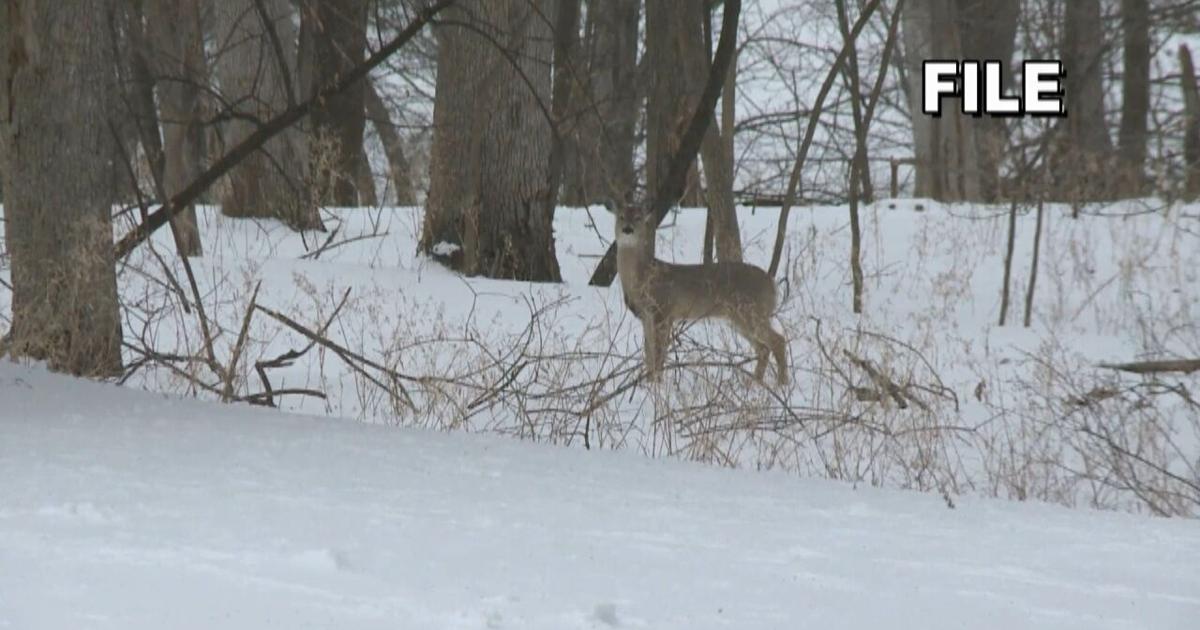
The Iowa Department of Natural Resources is cautioning deer hunters as Chronic Wasting Disease (CWD) spreads across more than 16 counties in Iowa. The neurological disease, which affects deer, elk, and caribou, is transmitted through bodily fluids and has a long asymptomatic incubation period, making it difficult to manage. While there is no evidence of CWD being transferable to humans, hunters are advised to make informed consumption decisions due to its similarity to Mad Cow Disease. The DNR offers a testing service for hunters to check their game for the disease, which currently has no treatment or vaccine.
A young elephant calf, who was separated from its herd in Anamalai Tiger Reserve, Tamil Nadu, India, has been successfully reunited with its mother after a three-day separation. Park officials used drones to locate the herd and took measures to ensure the calf would be accepted back without stress from human scents. The reunion was successful, and the mother and calf were later seen napping together, indicating a happy ending to the ordeal.
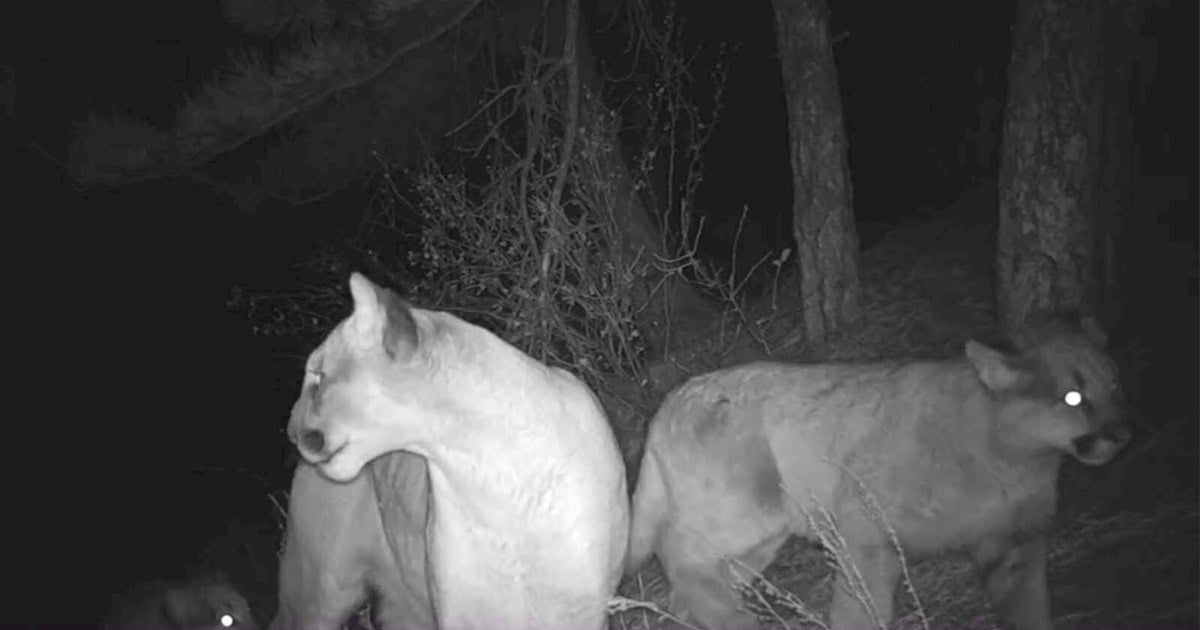
In rural Laramie County, Wyoming, a trail camera set up by resident Donald Harris captured a rare sight of a mother mountain lion with three cubs, indicating a successful breeding despite the low survival rates for kittens in the wild. Harris, who consulted a wildlife expert to optimize camera placement, is an advocate for the role of mountain lions in controlling deer populations affected by chronic wasting disease (CWD). While taking precautions for safety, Harris appreciates the presence of these top predators in maintaining ecological balance.
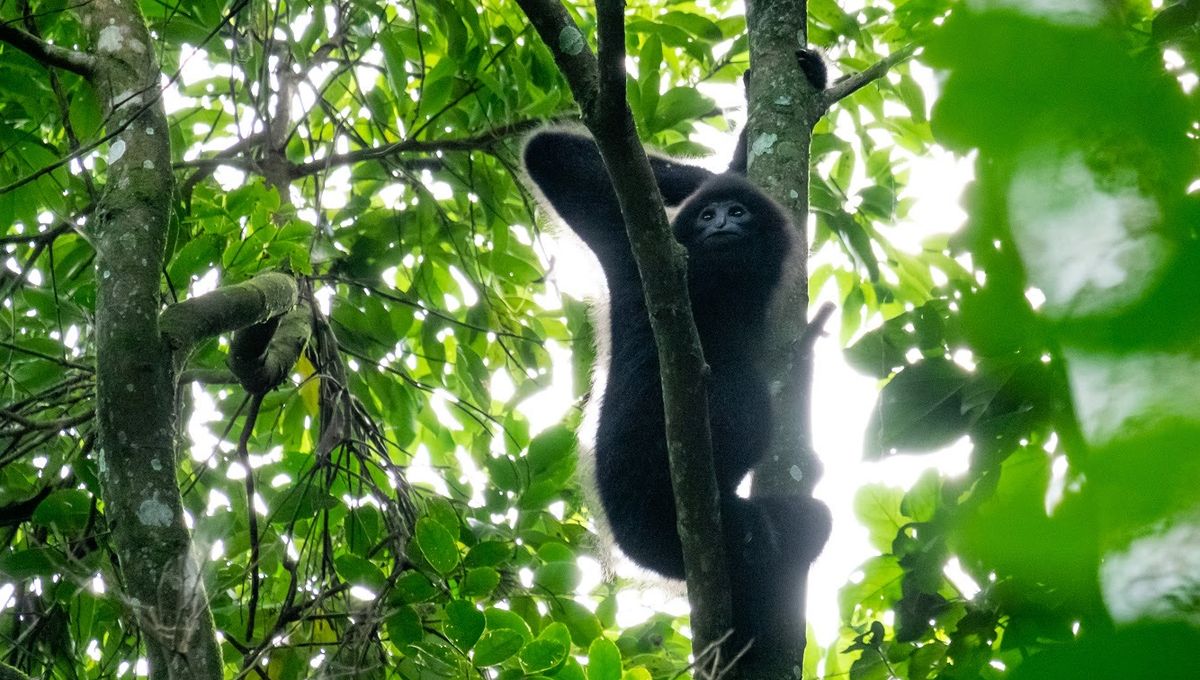
The cao-vit gibbon, the world's second rarest primate with only 135 individuals left in the wild, has been captured on film in Vietnam. This critically endangered species, known for its distinctive sexual dimorphism and territorial songs, faces threats from habitat loss and degradation. Conservation efforts by Fauna & Flora International and agreements between Vietnam and China aim to protect and increase the population of these gibbons. The world's rarest primate is the Hainan gibbon, with only 28 individuals remaining.
A polar bear in Alaska has died from the H5N1 bird flu virus, marking the first known case in the species and highlighting the spread of the virus to remote regions. The virus, which has killed millions of wild birds and thousands of mammals globally, poses a significant threat to unique polar ecosystems and has already caused increased mortality in species like seals and skuas in the Antarctic. Scientists fear that the virus could lead to a major ecological disaster if it infects remote penguin populations. The situation underscores the vulnerability of polar wildlife to emerging diseases and the potential impacts of climate change on disease dynamics.