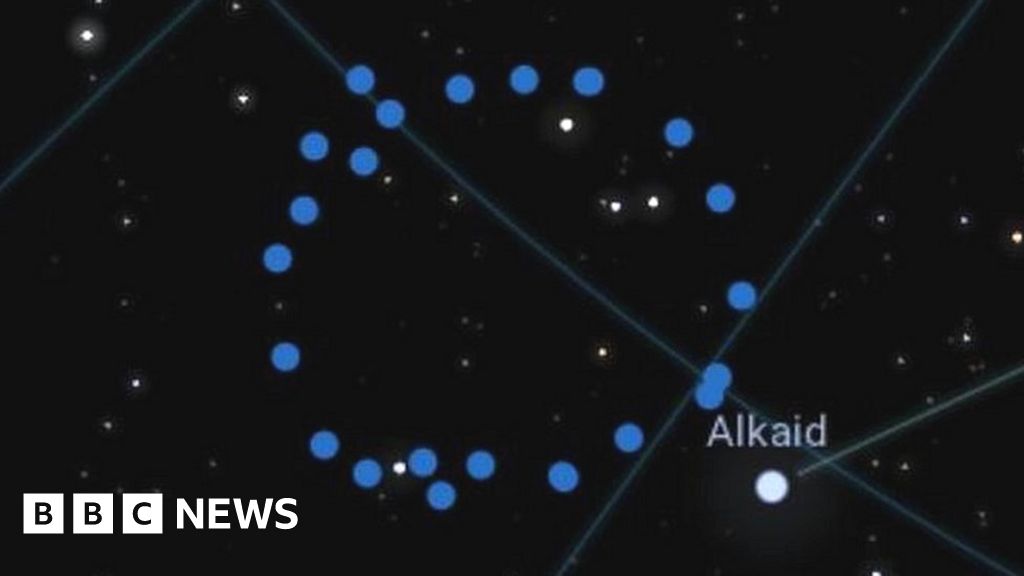
A massive 1.3 billion light-year-wide structure called the Big Ring, along with the previously discovered Giant Arc, challenges current cosmological models and the assumption that the universe is uniform on large scales, raising questions about the validity of the cosmological principle.
Astronomers have identified a massive, ring-like structure called the Big Ring, spanning about 1.3 billion light-years, which challenges current cosmological models that predict the universe's large-scale matter distribution should be more uniform. This discovery, along with findings about the Milky Way's larger gravitational basin, suggests the universe may contain more extensive and complex structures than previously thought, prompting a reevaluation of existing theories.
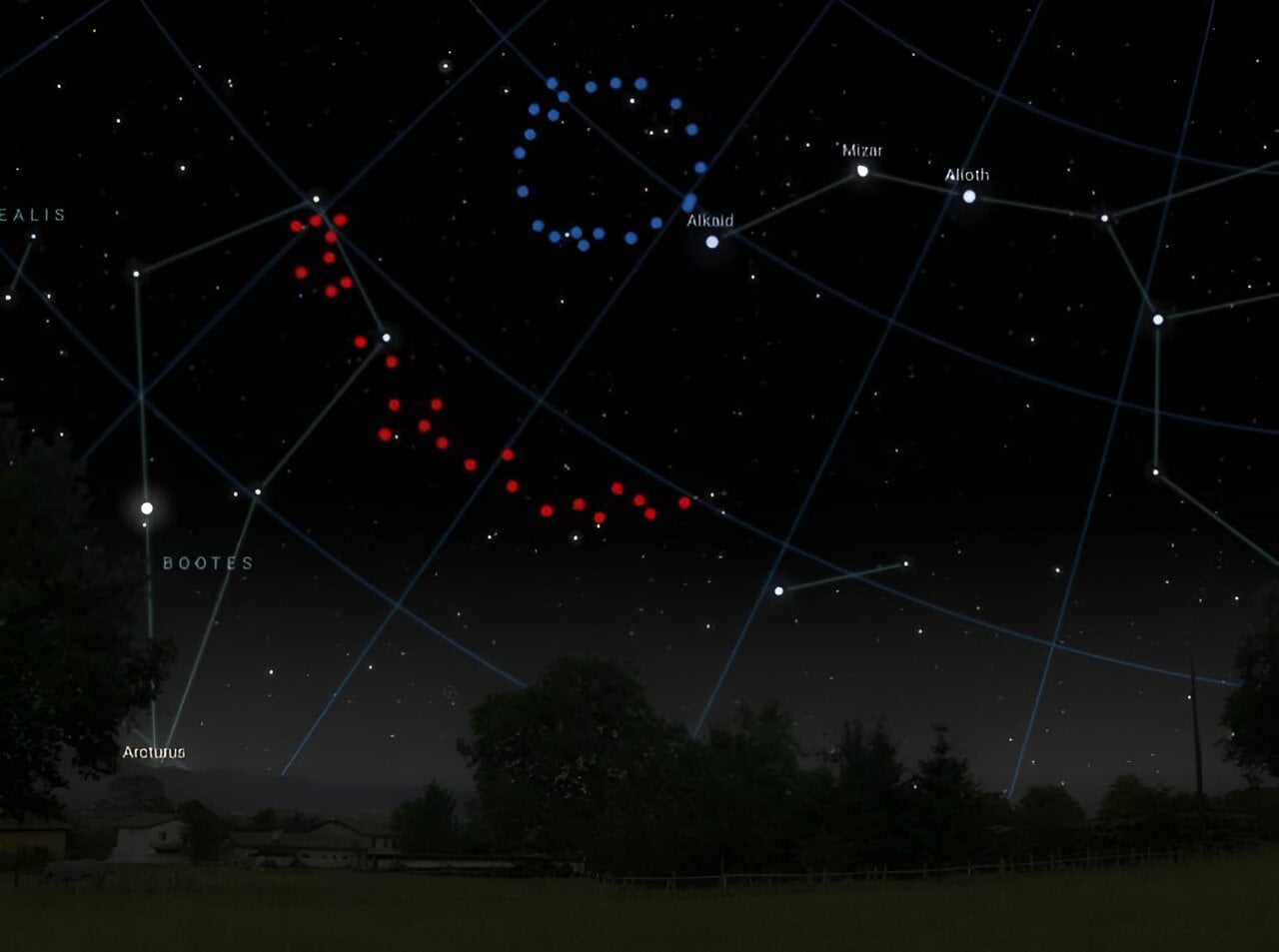
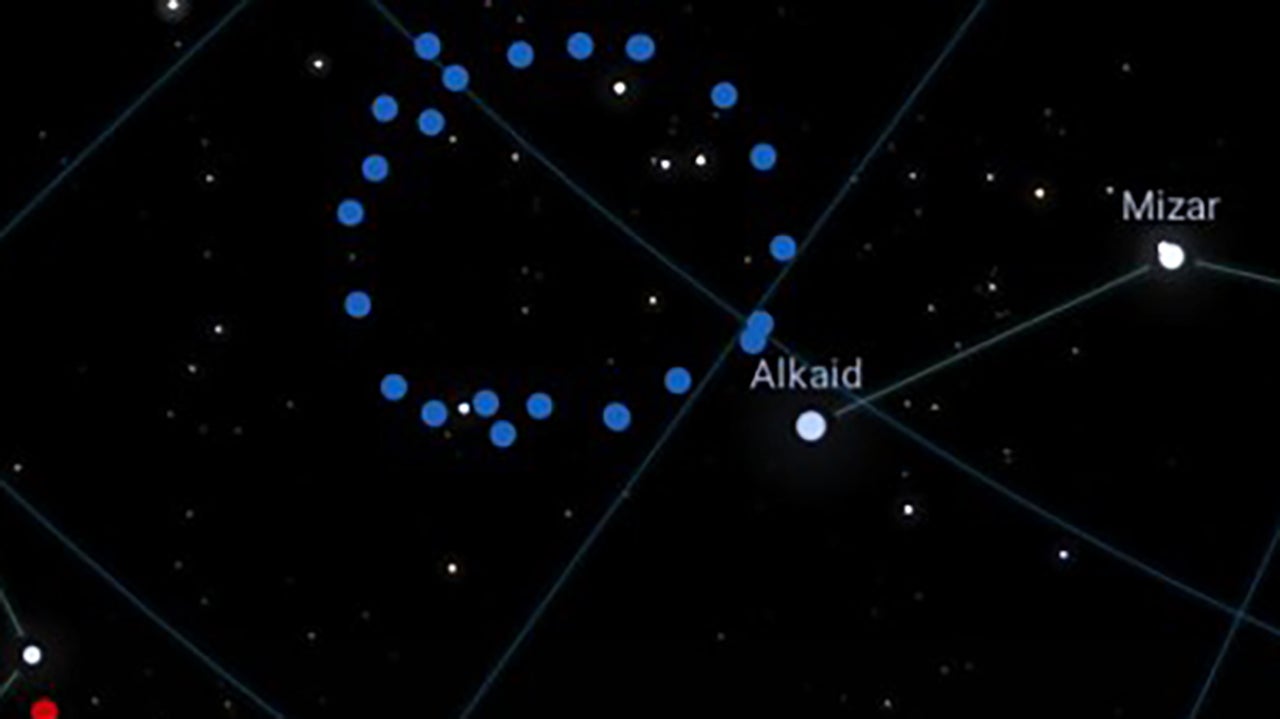
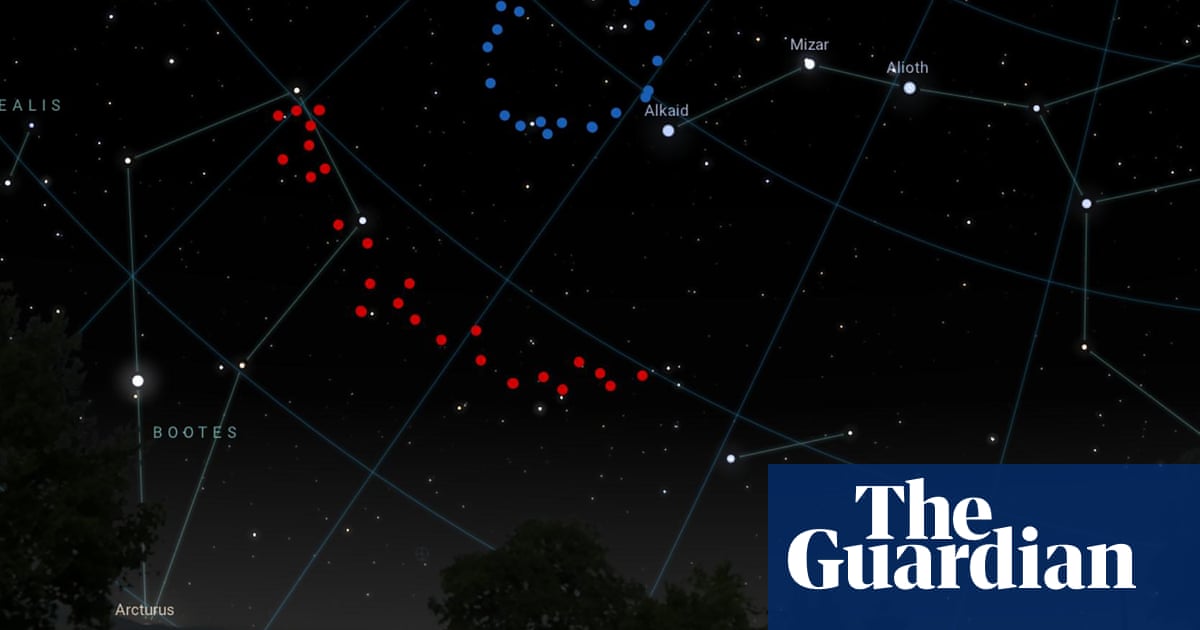
The discovery of a second ultra-large structure in the distant universe, known as the Big Ring, challenges conventional cosmological understanding. Spanning 1.3 billion light-years in diameter and located 9.2 billion light-years from Earth, the Big Ring, along with the previously discovered Giant Arc, defies current theories about the distribution of matter in the universe. These findings prompt the consideration of alternative explanations, such as Conformal Cyclic Cosmology and the influence of cosmic strings, while also challenging the Cosmological Principle. The discovery raises significant questions about the nature of the universe and its development.
An astronomer from the University of Central Lancashire has discovered an ancient, problematic ring-like structure in deep space, challenging our understanding of the universe. Dubbed the 'Big Ring,' it's an enormous collection of galaxies forming a vast circle, with a circumference of around four billion light years, defying the Cosmological Principle's limit of 1.2 billion light years for large-scale structures. Its existence raises questions about the universe's early oscillations and the potential influence of cosmic strings, highlighting the infancy of our understanding of the cosmos.
Astronomers have discovered a ring-shaped cosmic megastructure called the Big Ring, with a diameter of about 1.3bn light years, challenging existing theories of the universe. This structure, along with others like the Giant Arc, defies the cosmological principle and raises questions about the standard model of cosmology. The Big Ring was discovered using data from the Sloan Digital Sky Survey and is located near the constellations of Boötes the Herdsman. Its existence suggests the need for a rethinking or expansion of current cosmological theories.
Scientists at the University of Central Lancashire have discovered a massive ring-shaped structure in space, named the Big Ring, which challenges the cosmological principle and our understanding of the universe. This 1.3 billion light-years wide structure, made up of galaxies and galaxy clusters, is the seventh large structure discovered that contradicts the idea that the cosmos is smooth on the largest scales. The discovery, along with the Giant Arc, suggests a need to rethink current astronomical theories and indicates the presence of an as yet undiscovered factor at play in the evolution of the universe.