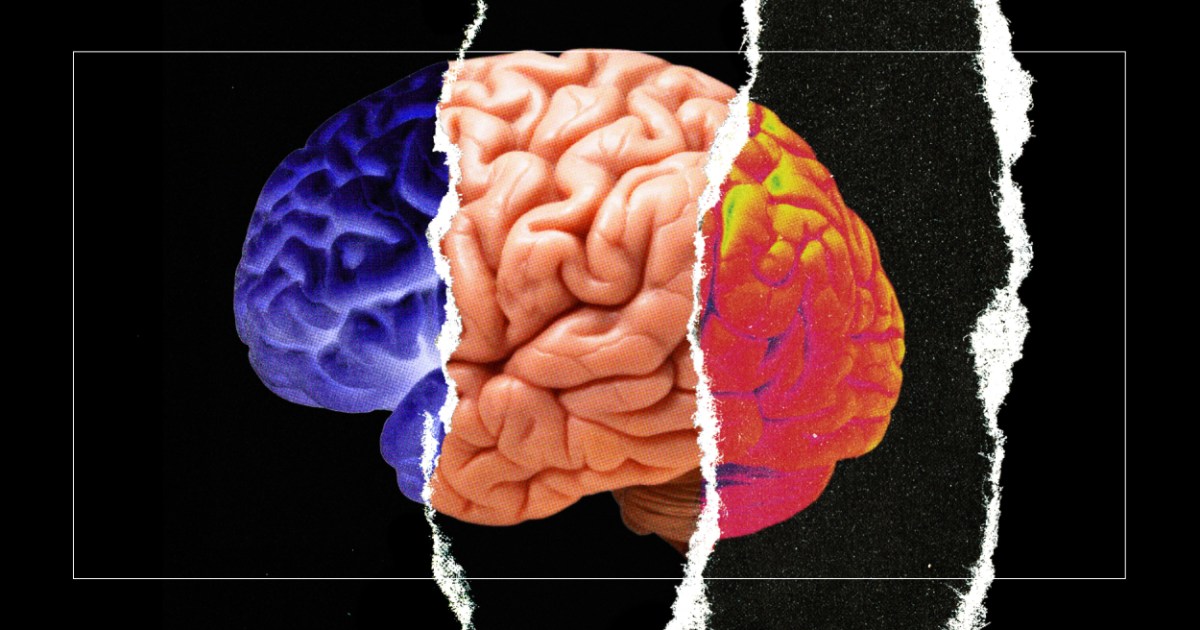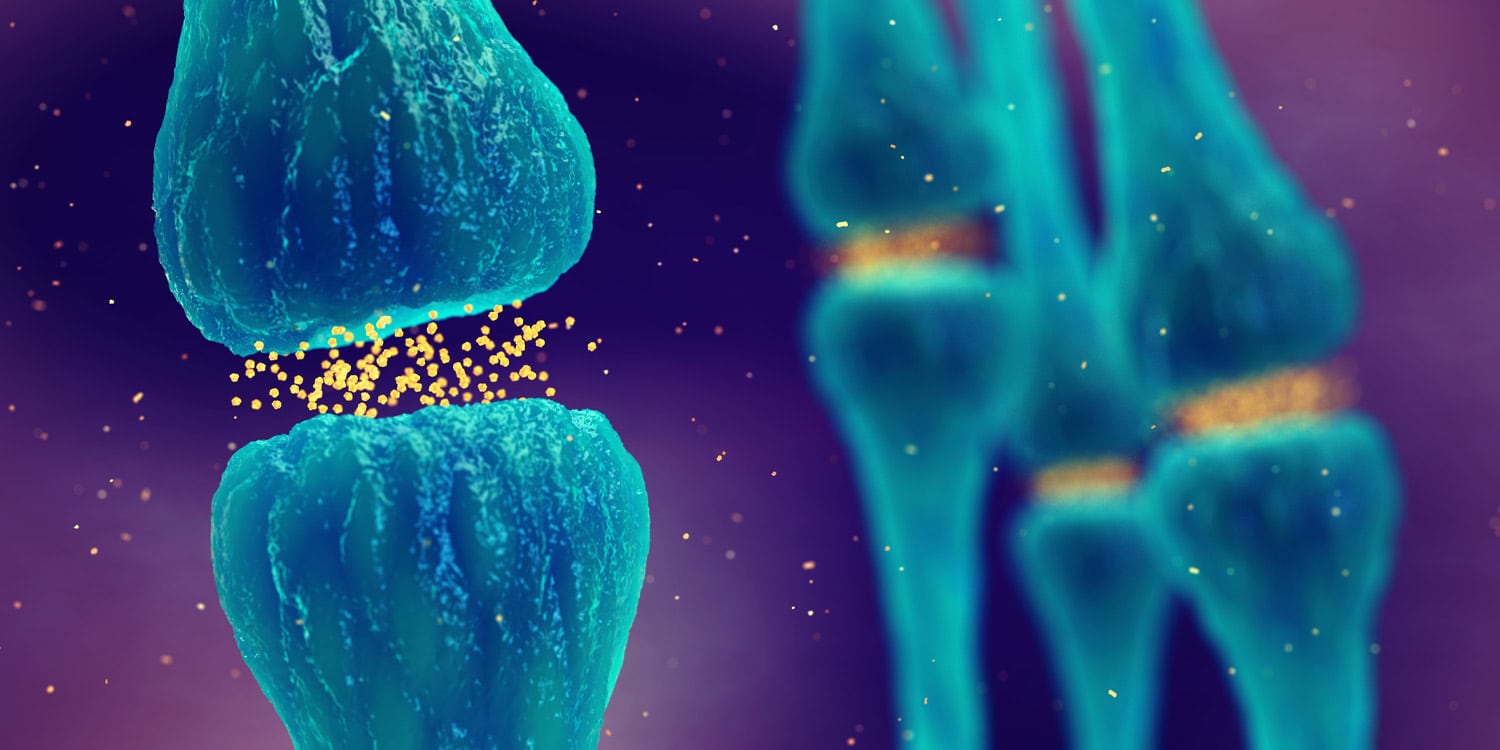
A brain imaging study in mice shows that dopamine is predominantly concentrated in the striatum rather than the cortex, challenging previous assumptions and highlighting the importance of the striatum in movement and psychiatric disorders like Parkinson's and schizophrenia.
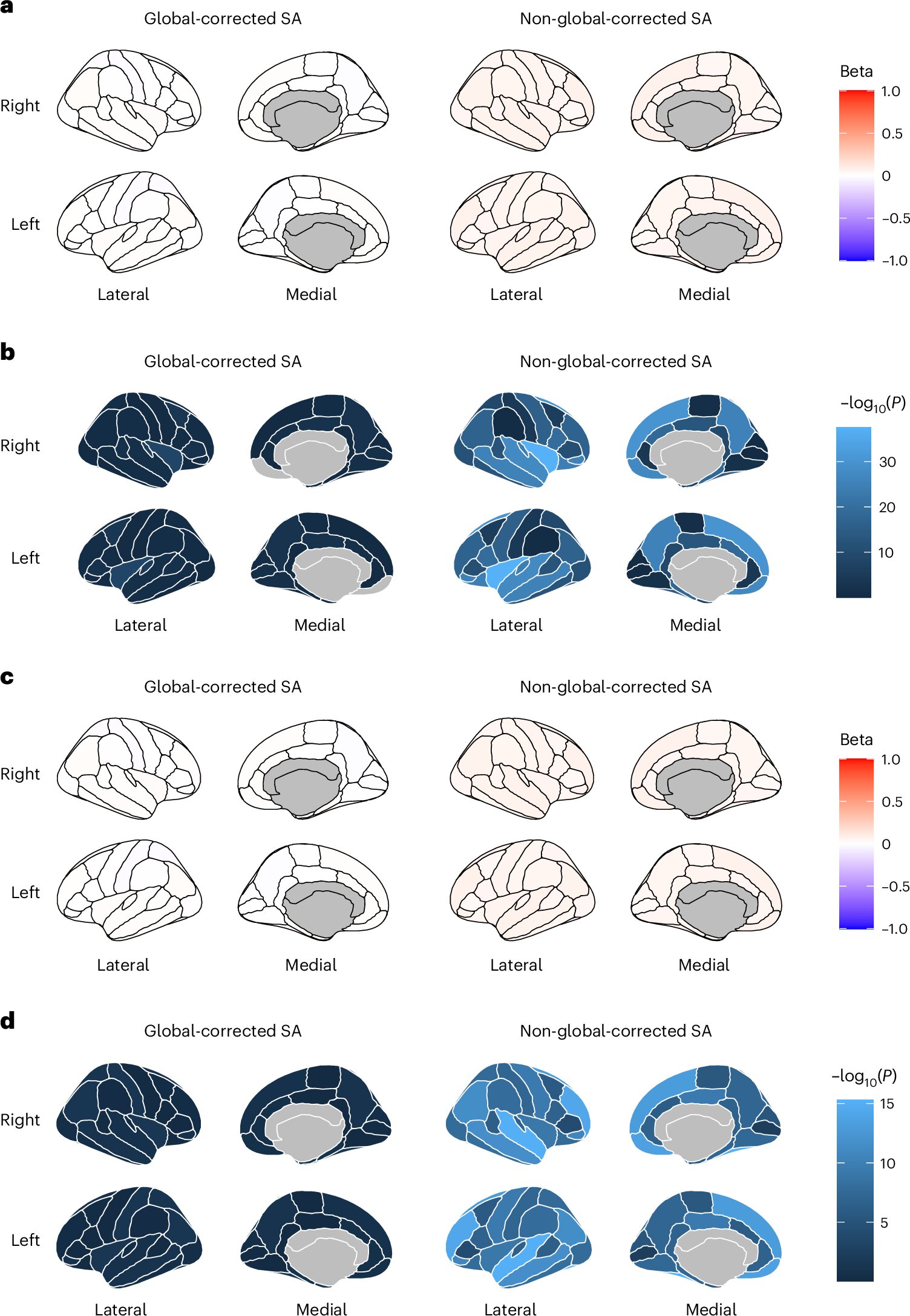
A study published in Nature Mental Health found that the surface area and thickness of the brain's cortex are causally linked to mental abilities and psychiatric conditions, with implications for early diagnosis and treatment of disorders like schizophrenia.
Arm has unveiled its 2024 CPU core designs, including the Cortex X925, A725, and A520, all based on the enhanced Armv9.2 architecture and transitioning to 3 nm process technology. The new Arm Compute Subsystem (CSS) platform integrates these cores with the Immortalis G925 GPU, promising significant performance, power efficiency, and security improvements for mobile and AI applications. The CSS platform aims to deliver a versatile computing solution across various device form factors, from smartphones to laptops, with enhanced AI capabilities and robust development tools.
The largest genetic study of brain structure, involving 36,000 brain scans, has identified over 4,000 genetic variants linked to brain structure. Researchers from the University of Cambridge analyzed MRI scans from adults and children, measuring properties of the cortex and linking them to genetic information. The study found that different sets of genes contribute to the size and folding of the cortex. The findings provide insights into how changes in brain shape and size can lead to neurological and psychiatric conditions, potentially improving treatment and support for affected individuals.
Mysterious spiral signals have been discovered in the human brain, which could help to organize complex brain activity. The signals appeared as swirling spirals of brain waves across the outer layer of the brain and were discovered in functional magnetic resonance imaging (fMRI) brain scans of 100 young adults. The exact purpose of these vortices is unknown, but their discoverers think the spiral signals might be used to link different parts of the brain and help process information faster. These vortices may even be impaired by brain diseases such as dementia, and could serve as inspiration for advanced computers that emulate the complex processes of the human mind.
The brain can be thought of as having three functional layers: the reptilian brain, the limbic system, and the cortex. These layers interact with each other, with the cortex being the most recently evolved and capable of regulating the emotional and regulatory functions of the other layers. Biofeedback techniques can be used to consciously regulate the autonomic functions of the reptilian brain, such as blood pressure and heart rate.