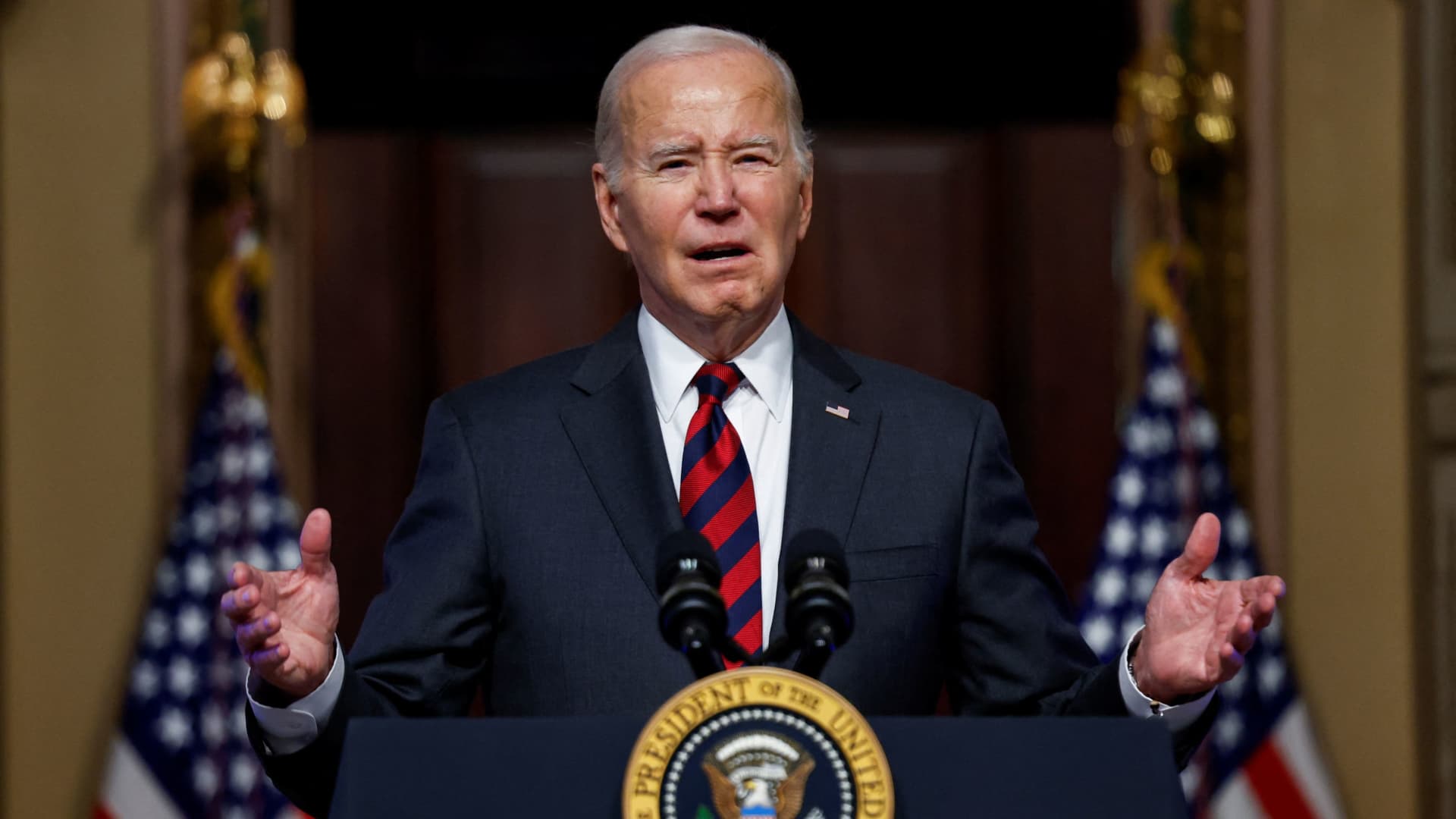
President Biden intensifies criticism of corporations following the release of the January consumer price index report, which showed higher-than-expected inflation. The report led to a decline in the stock market, prompting Biden to sharpen his attack on corporations and their role in driving up prices.
A joint study by think tanks IPPR and Common Wealth reveals that many of the world's largest corporations engaged in "greedflation," where profits increased at a much faster rate than costs, leading to significantly higher prices for consumers during the peak of inflation in 2022. The study found that company profits rose by 30% between 2019 and 2022, outpacing inflation, with energy companies and food producers being the biggest culprits. This research adds to previous studies highlighting the role of major businesses in driving up inflation. However, inflation is now beginning to regulate in major economies, and some companies are cutting prices to alleviate the burden on consumers.
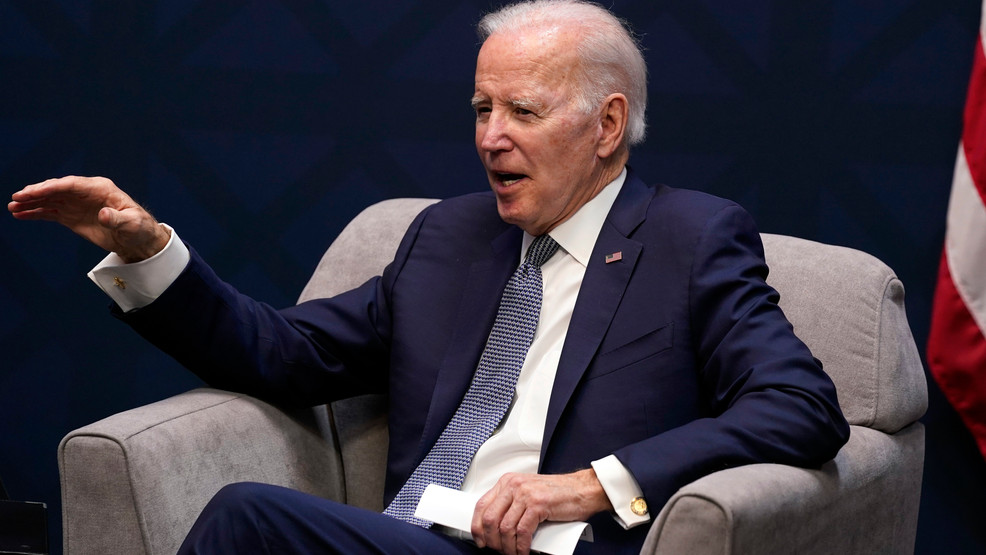
President Joe Biden criticized corporations for maintaining artificially high prices despite a slowdown in inflation and improved supply chains. While the rate of inflation has cooled, it does not necessarily mean consumer prices are falling. Biden called for an end to price-gouging and urged corporations to give American consumers a break. The White House has been touting these trends as victories for Biden's economic agenda, but public perception of his handling of the economy remains low. Biden launched a new Supply Chain Resilience Council and announced initiatives to address supply chain pressures and prevent future shortages.
Redditors discuss various aspects of society that they consider to be dystopian or messed up, including the struggle to make ends meet, the omnipresence of advertisements, the environmental impact of excessive waste, the flaws in the US healthcare system, the lack of privacy due to surveillance cameras and social media, the criminalization of poverty, the cruelty of factory farming, the excessive power of corporations, and the wealth gap exacerbated by trickle-down economics.
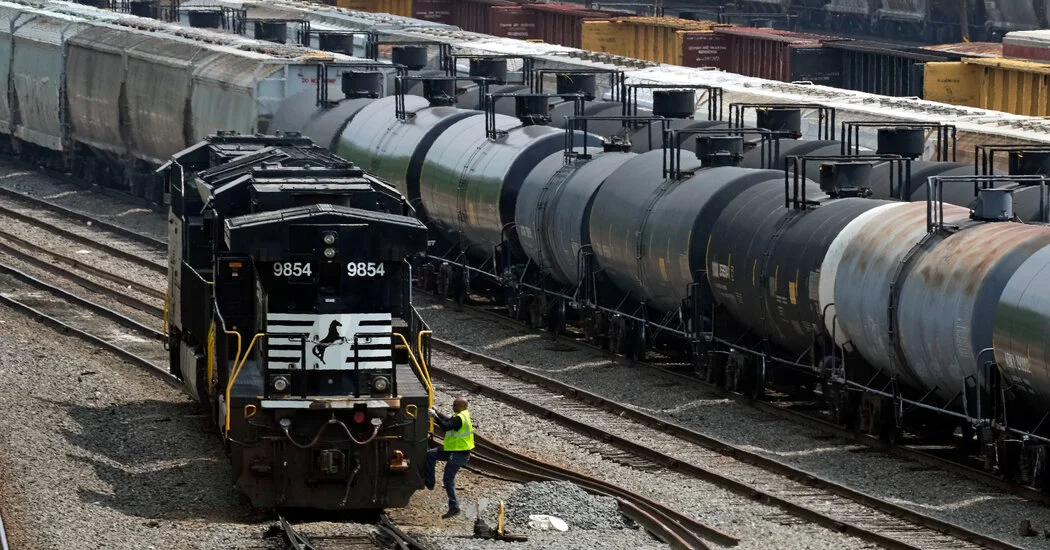
The Supreme Court upheld a Pennsylvania law that requires corporations to consent to being sued in its courts as a condition for doing business in the state. The ruling may pave the way for other states to enact similar laws, giving injured consumers, workers, and others more choices of where to sue and subjecting corporations to suits in courts they may view as hostile to business. The decision came after the derailment of a Norfolk Southern train carrying toxic chemicals near the Pennsylvania state line, which amplified the stakes of the case.
Florida Governor Ron DeSantis is taking on Disney and Anheuser-Busch InBev over their "woke" corporate sensibilities and criticism of state policies, testing whether changes in Republican politics and in boardrooms have rewritten the rules for anti-corporate campaigns. However, taking on corporations like Disney remains a tricky business, as past boycotts have had little impact on their policies or revenues. While a Harvard-Harris poll found a majority of registered voters nationwide siding with DeSantis, a Reuters/Ipsos poll found less than half of Republicans had a more favorable view of the governor because of his fight with Disney.
During the pandemic, many businesses raised their prices due to higher costs. As some of those costs are coming down, it remains to be seen if companies will pass along the price relief to consumers. This decision sheds light on how corporations make pricing decisions.
The EU's Green Deal Industrial Plan (GDIP) is a flawed policy of corporate handouts that props up already huge corporate profits with public budgets, instead of one based on a collective debate about social and ecological needs that could determine Europe's strategic industrial interests. The plan is centered on products like batteries, solar, windmills, biofuels, and hydrogen or carbon capture, and storage technologies that are inefficient, costly, unrealistic at scale, and causing damaging social and environmental impacts, but which work well for increasing the profits of large corporations. The GDIP offers no democratic revamp of industrial policy able to meet societal needs like quality jobs, public transport and services, and access to affordable renewable energy.
President Biden's proposed budget would increase taxes on corporations and high-income earners, while providing tax relief for middle-class families. The plan includes raising the corporate tax rate from 21% to 28%, increasing the top individual income tax rate to 39.6%, and raising the capital gains tax rate for those earning over $1 million. The budget also includes provisions to expand access to affordable healthcare and education, and to address climate change.