The Hollywood entertainment industry is experiencing a deepening divide over the Israel-Palestine conflict, with notable figures like Susan Sarandon and Roger Waters facing career repercussions for their political stances. Israeli filmmakers are reportedly being blacklisted from major film festivals, while pro-Palestinian voices in Hollywood also face backlash. This polarization is affecting funding and distribution opportunities for Israeli content creators, as well as the careers of those who express support for Palestinian causes. The situation highlights broader concerns about freedom of expression and the impact of political conflicts on the arts.
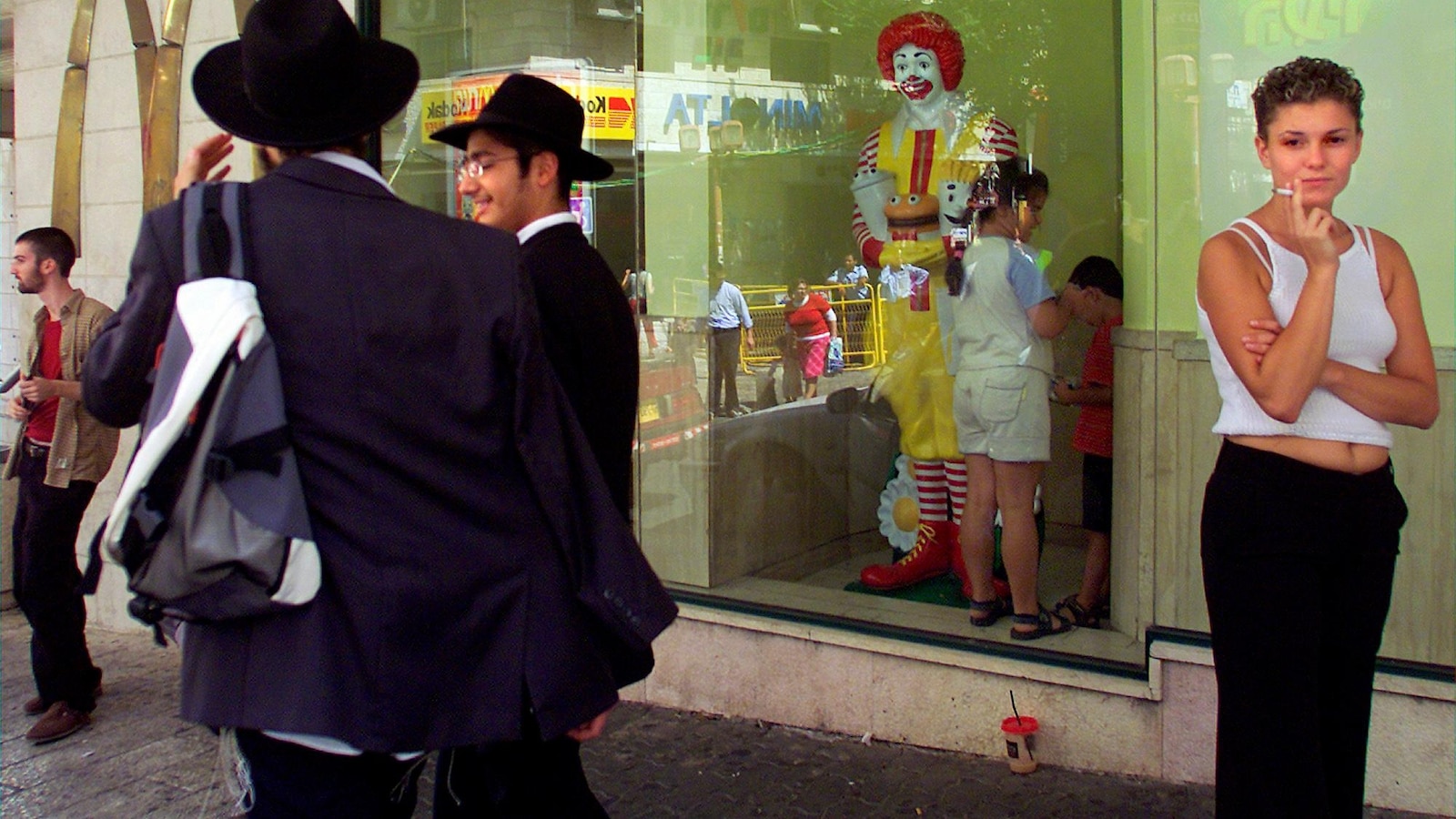
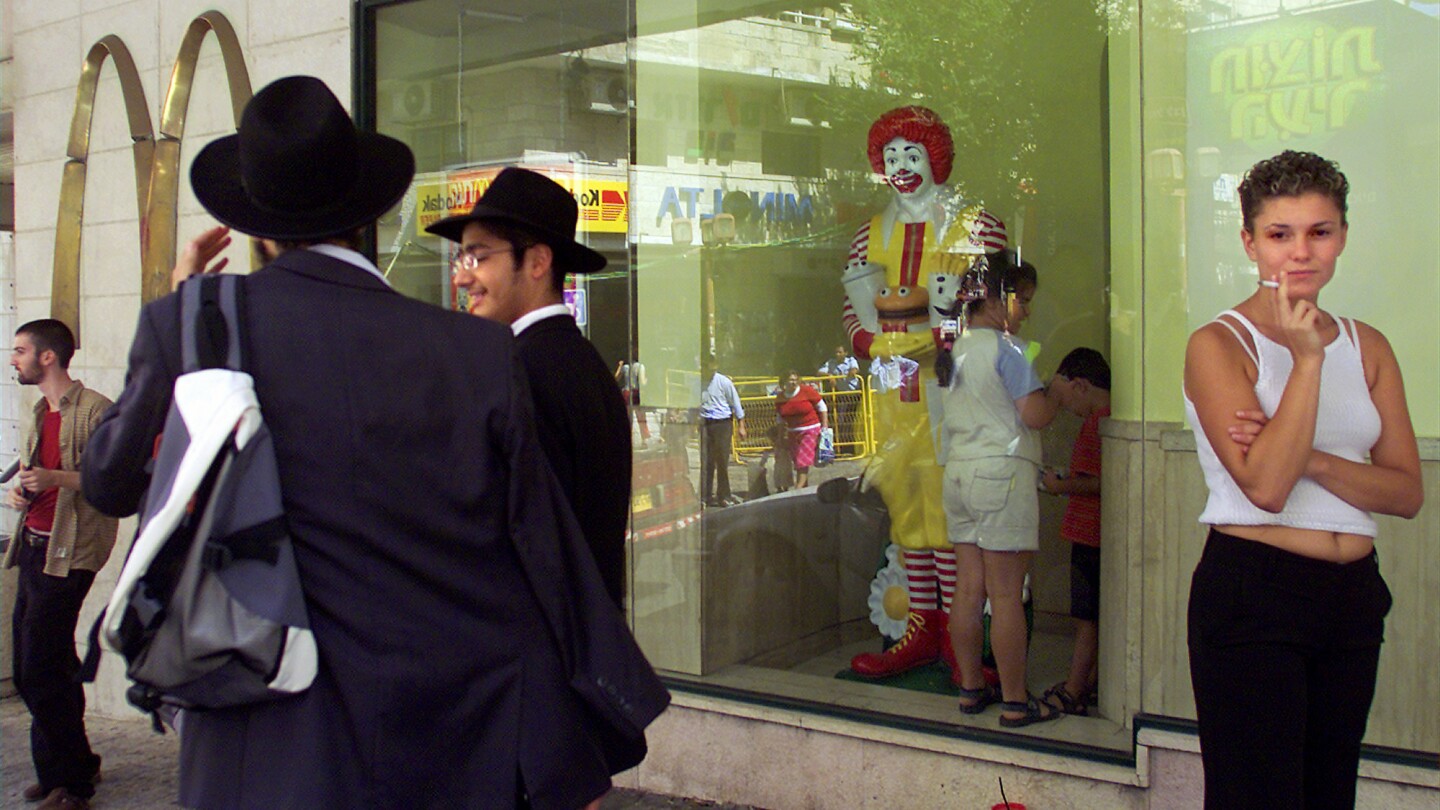
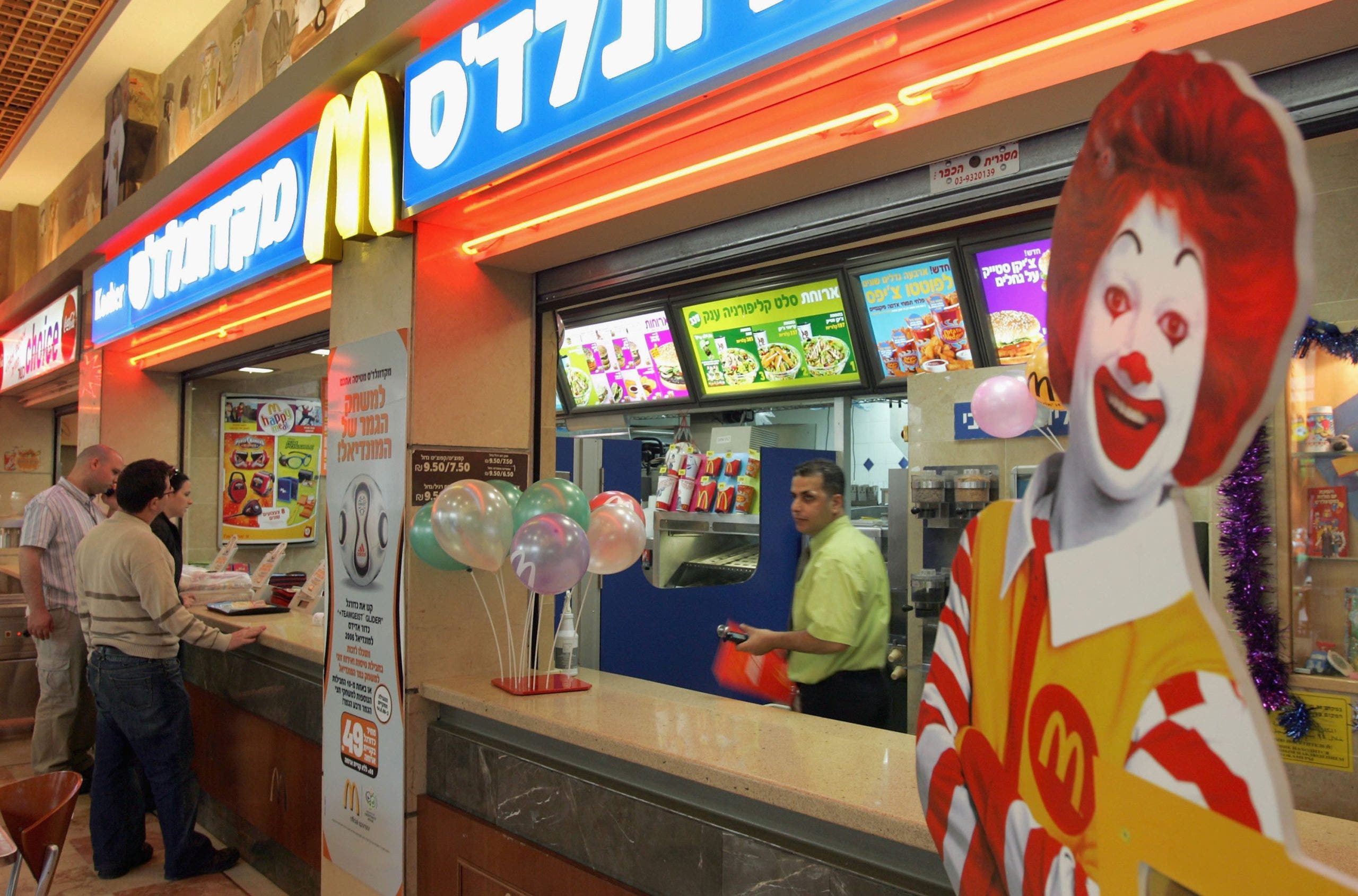
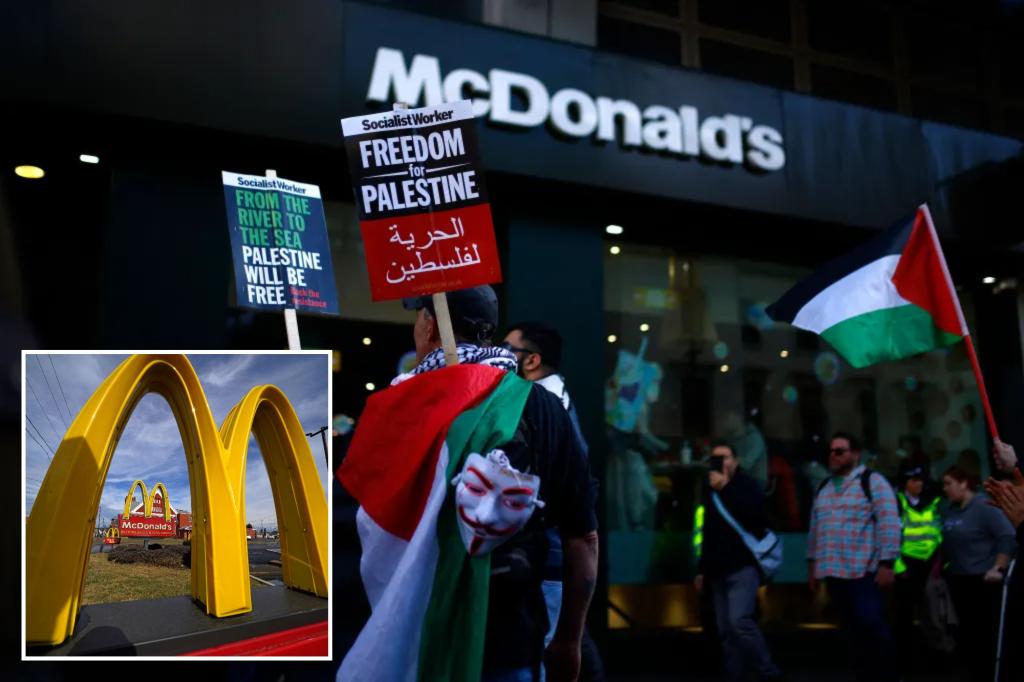
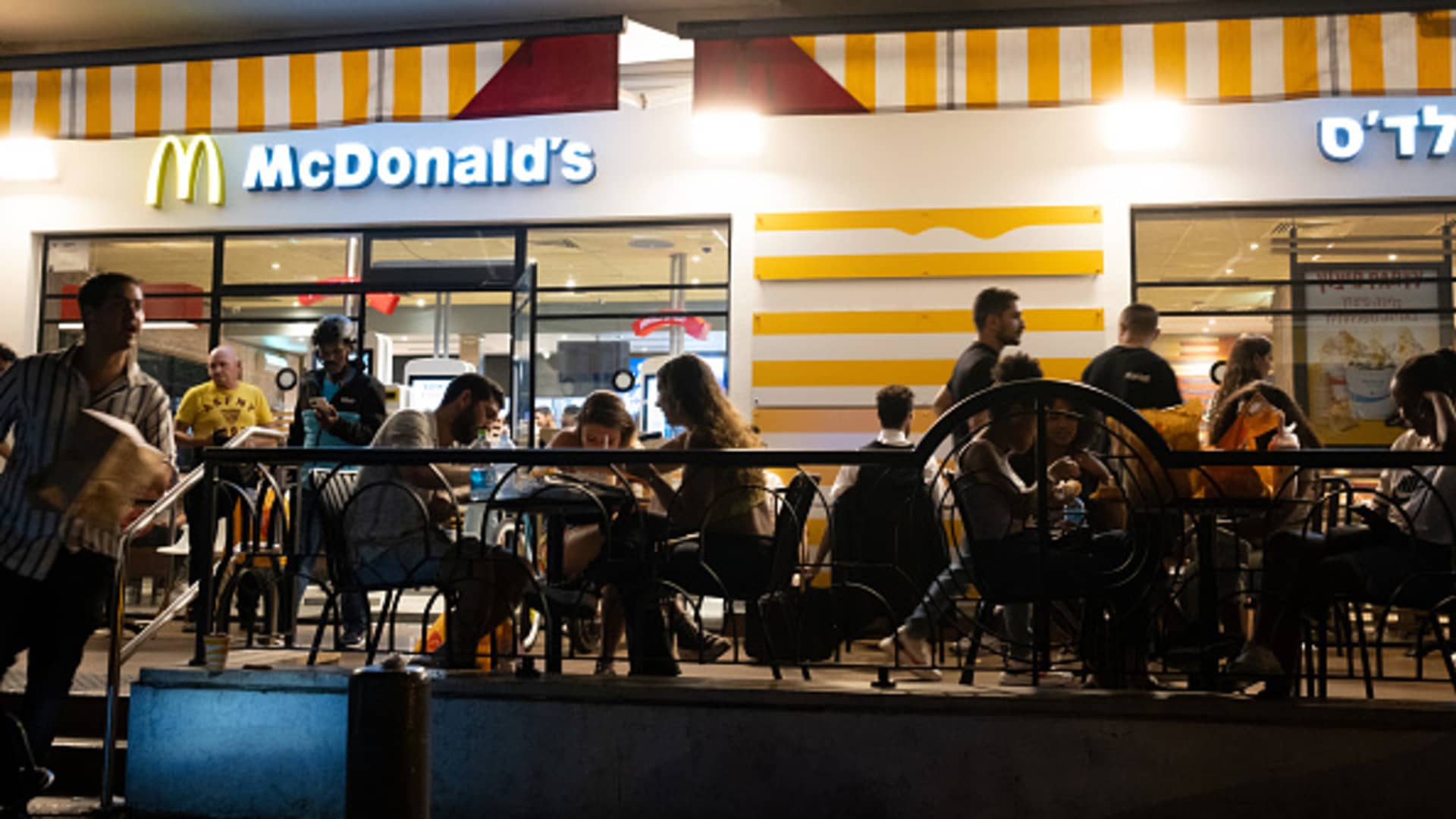
McDonald's announces plans to repurchase all 225 franchised restaurants in Israel, bringing them under direct management in response to boycotts and protests following the franchise owner's donations of meals to Israeli soldiers during the Israel-Hamas war. The move reflects the challenges faced by multinational corporations in navigating political polarization in the region, with claims and counterclaims of disinformation campaigns.
McDonald's is purchasing its 225 restaurants in Israel from longtime franchisee Alonyal Limited in an effort to revive slumping sales due to boycotts sparked by controversy over providing free meals to Israeli soldiers. The deal, expected to close in the next few months, will see McDonald's operating the restaurants and retaining over 5,000 employees, with the company expressing commitment to the Israeli market despite ongoing conflict in the region.
McDonald's is buying its 225 restaurants in Israel from longtime franchisee Alonyal Limited in an effort to reset slumping sales due to boycotts in the region, with the deal expected to close in the next few months. The move comes after controversy sparked by Alonyal's announcement of providing free meals for Israeli soldiers, leading to boycotts in the Middle East and Muslim-majority countries. McDonald's says sales were impacted in countries with large Muslim populations, and CEO Chris Kempczinski expressed that the ongoing conflict in the region weighs on the brand.
McDonald's Corporation has announced an agreement to buy its Israel franchise, which includes 225 restaurants and over 5,000 employees, amidst ongoing turmoil in the Middle East. The purchase comes as the war between Israel and Hamas continues, leading to boycotts of American fast-food chains in the region. McDonald's CEO stated that misinformation about the company's position on the conflict has impacted its operations in the Middle East. The agreement is subject to certain conditions and is expected to close in the coming months.
McDonald's is buying back its 30-year-old Israel franchise from Alonyal Ltd., which faced boycotts and protests after donating meals to the Israeli military following the Oct. 7 attacks by Palestinian group Hamas. The fast-food chain's CEO has acknowledged the impact of the Israel-Hamas conflict on its markets in the Middle East. After the transaction, McDonald's will own and operate the 225 restaurants in Israel, while retaining its employees. This move comes amid ongoing boycott campaigns against Western fast food chains with perceived pro-Israeli stances.
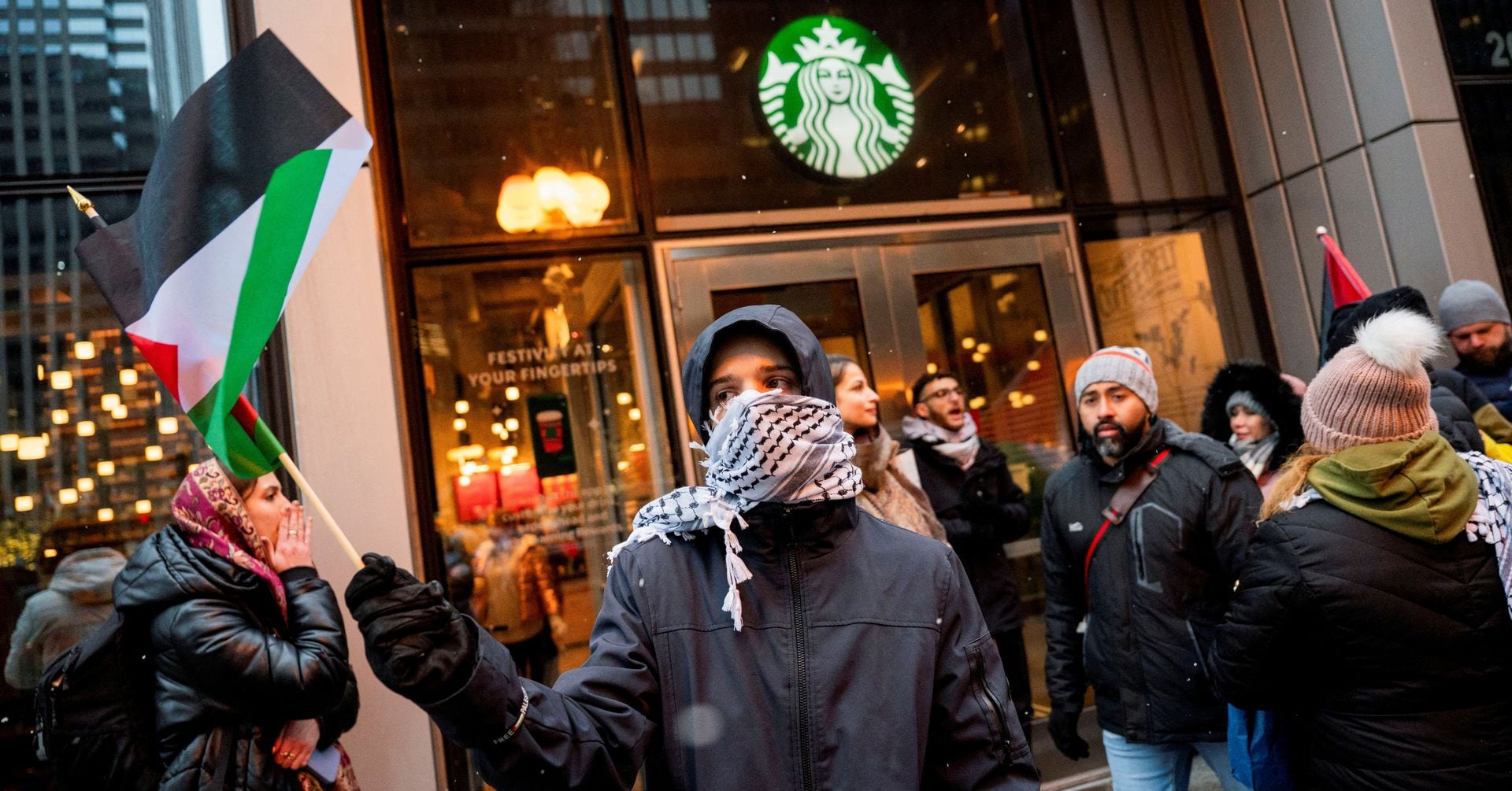
AlShaya Group, the franchisee for Starbucks in the Middle East, plans to lay off over 2,000 employees, about 4% of its workforce, due to tough trading conditions linked to consumer boycotts related to the Gaza war. The job cuts are mostly concentrated in its Starbucks franchise in the Middle East and North Africa. The company, which operates around 2,000 Starbucks outlets in 13 countries, has been impacted by boycott campaigns following the conflict between Israel and Hamas. U.S. private equity firm Apollo Global Management Inc has been in talks to buy a stake in AlShaya's Starbucks business.
McDonald’s, Starbucks, and Yum Brands have reported lower earnings due to boycotts stemming from their perceived support for Israel’s military campaign in Gaza. The companies cited protests as a material hit to their fourth-quarter sales, with McDonald’s experiencing a rare sales miss and Starbucks forecasting slower growth. The boycotts have been fueled by anti-war activists calling for an end to the conflict and pressuring companies they claim have supported Israel. The companies' franchise model has led to loss of brand control and increased potential for legal disputes, while social media has amplified the impact of boycotts.
McDonald's reported its first quarterly sales miss in nearly four years, partly due to weak growth in its international business division, which was impacted by boycotts stemming from its perceived support of Israel during the Israel-Gaza conflict. The fast food chain's global sales grew by just under 4% in the fourth quarter, down from 8.8% in the previous quarter, and below its annual average. The corporation benefitted from price inflation, recording its strongest sales growth in the United States, while also growing sales in the UK, Germany, and Canada. However, its US business saw weaker sales growth than hoped, as customers on lower incomes ordered less food and opted for cheaper items on the menu.
McDonald's and Starbucks attribute slower sales to the Israel-Hamas war, with McDonald's reporting a sales slip in the Middle East and Starbucks facing boycotts and sales struggles in the region. Both companies anticipate continued impact on demand, with Starbucks also experiencing U.S. sales challenges due to boycotts. Other restaurant chains, including Domino's Pizza, Papa John's, Burger King, and Pizza Hut, have also faced calls for boycotts.
Starbucks has cut its yearly sales forecasts and missed market expectations due to boycotts in the US and Middle East, with a "significant impact on traffic and sales" in the Middle East attributed to the Israel-Hamas conflict. The company's CEO cited boycotts and vandalism as contributing factors, leading to a slowdown in US store traffic. While recording record revenue in its first 2024 fiscal quarter, Starbucks lowered its sales outlook for the year, with revenue growth now expected to be between 7% and 10% instead of the previously forecasted 10% to 12%. The company's shares rose 3% following the announcement, but were 11% lower compared to a year ago. Other brands, including McDonald's and Bud Light, have also faced customer backlash related to the Middle East conflict.
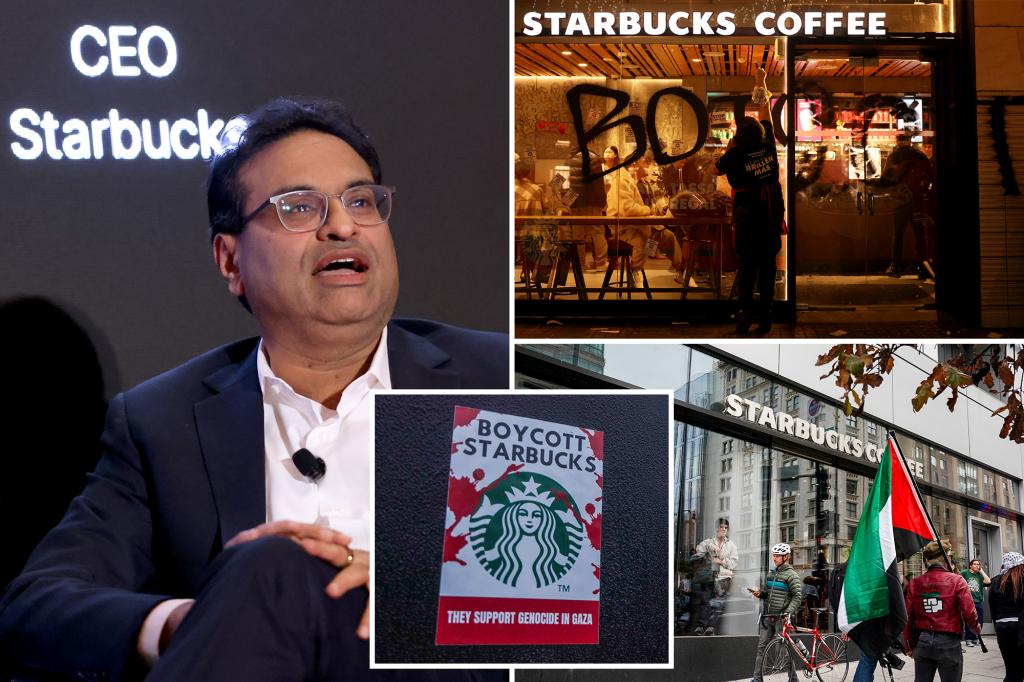
Starbucks CEO Laxman Narasimhan addressed the controversy surrounding the coffee chain's stance on the Israel-Hamas war, blaming "misrepresentation on social media of what we stand for." Narasimhan condemned violence and expressed concern about the state of the world, while also acknowledging incidents of vandalism at some Starbucks locations. The company has faced talks of boycotts and a plummeting stock value. Starbucks has been trying to distance itself from the Starbucks Workers United union, which declared solidarity with Palestine, leading to calls for a boycott. The union is not affiliated with the coffeehouse chain. Starbucks shares have fallen over 6% in the past month, and the hashtag #boycottstarbucks has gained traction on social media.
Starbucks is facing boycotts and unionization efforts amid the ongoing conflict in the Middle East. The company has been criticized for its response to the war, with some calling for more support to the people of Gaza. Starbucks has also been dealing with protests and vandalism at its stores. Additionally, the company is facing unionization efforts, with workers demanding better labor agreements. The boycotts and unionization efforts have potentially impacted Starbucks' sales, with indications of slower holiday sales and the company offering more deals to attract customers.
Elon Musk's social media platform X (formerly Twitter) is reportedly facing a significant decline in ad revenue, with expectations to end 2023 with around $2.5 billion, falling short of the projected $3 billion. The recent advertiser boycotts, triggered by antisemitic content, have further impacted X's financial situation. Advertising earnings make up 70-75% of X's revenue, suggesting total earnings for 2023 will be approximately $3.4 billion. Musk's controversial posts and ongoing disputes with advertisers, including Disney, have contributed to the decline. X's pivot to subscriptions has not been as successful as planned, with just over 1 million paying subscribers generating less than $120 million annually. The platform is now offering deals to attract smaller brands and increase ad revenue.
A post on social media claimed that Starbucks lost $12 billion due to worldwide boycotts over its alleged support for Israel in the ongoing conflict with Palestine. While Starbucks did experience a $12 billion loss in stock market value, there is a lack of substantial evidence to definitively confirm whether the boycotts caused the slump. The controversy stemmed from a union account expressing solidarity with Palestine, which led to confusion and calls for boycotts. Starbucks distanced itself from the union's post and filed a lawsuit against them, while the union filed a counter lawsuit. The impact of the boycotts and strikes on Starbucks' market value remains unclear, but industry trends and decelerating sales suggest some influence.