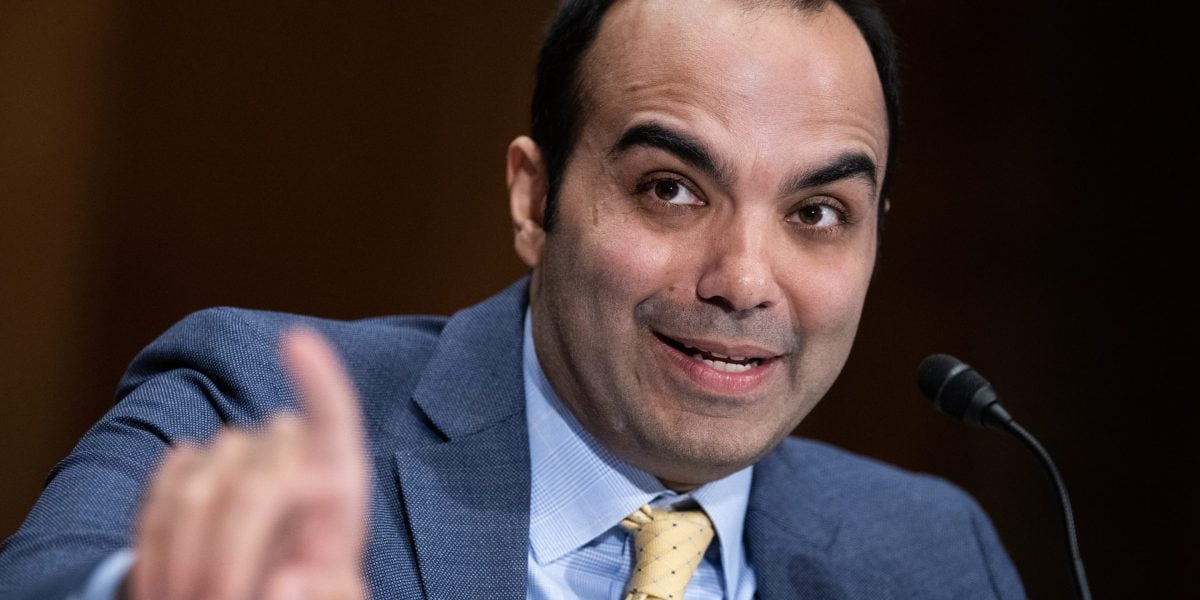
A Texas federal judge criticized major banking industry groups and the U.S. Chamber of Commerce for choosing Texas as the venue to challenge the Consumer Financial Protection Bureau's regulations on credit card late fees, ruling that the lawsuit should be transferred to Washington. The judge accused the industry of "venue shopping" and emphasized that the choice of venue should not be at the plaintiff's whim. The lawsuit concerns the CFPB's new regulations capping credit card late fees, with the banking industry seeking to block the rule due to potential revenue losses.
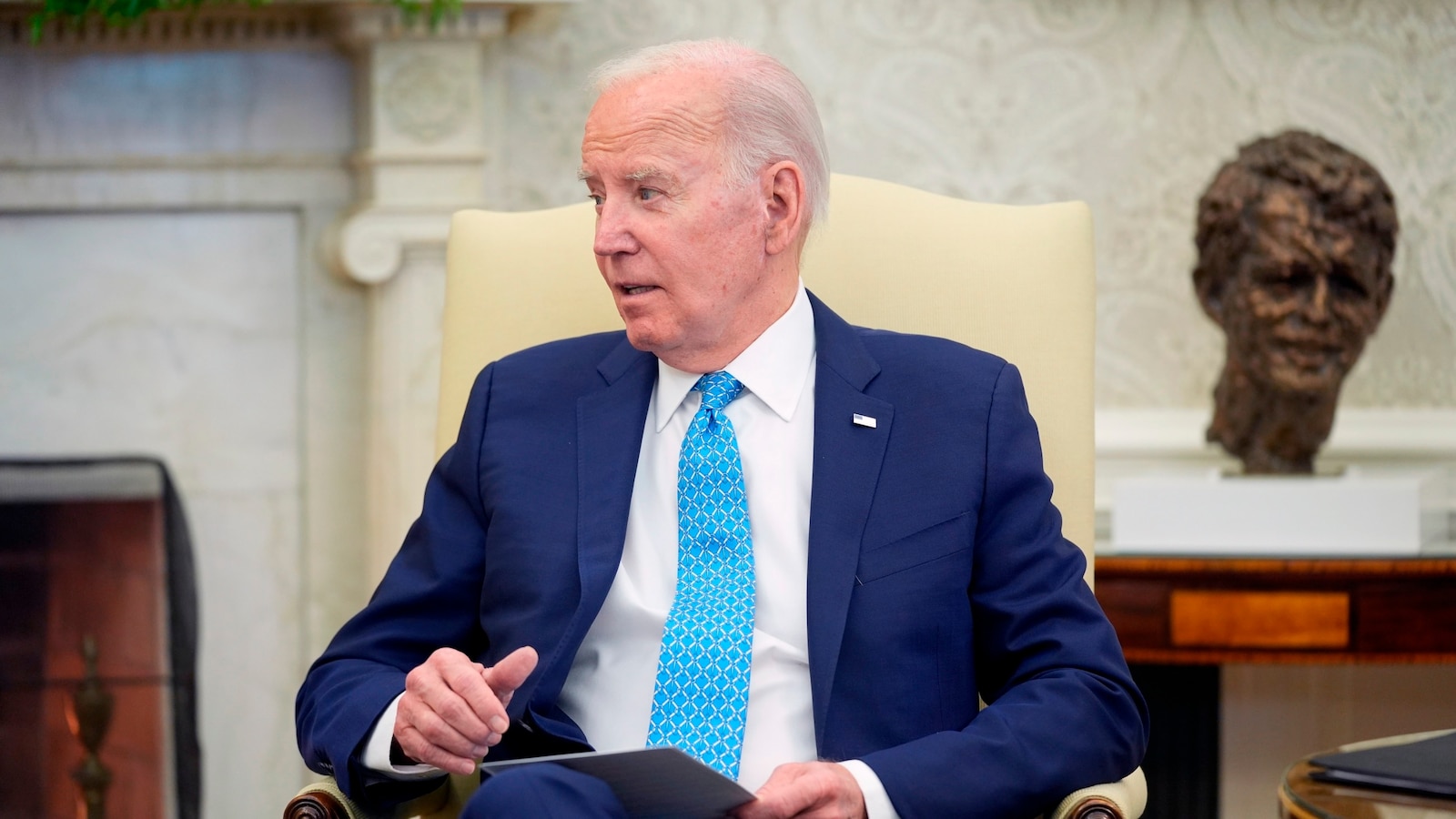
The Biden administration has finalized a rule through the Consumer Financial Protection Bureau to reduce credit card late fees, estimated to save families $10 billion annually. The rule will cap late fees at $8, preventing automatic increases based on inflation and closing a loophole that allowed fees to balloon to $41. Industry groups representing banks and credit card issuers oppose the rule, arguing it could lead to increased interest rates. President Biden highlighted this effort, along with others, to lower costs for Americans ahead of the upcoming election and his State of the Union address.
The Biden administration has implemented a new rule capping credit card late fees at $8, a move that has sparked strong opposition from banking and credit card companies. Critics argue that the rule will reduce competition, increase the cost of credit, and ultimately harm consumers by leading to more late payments, higher debt, lower credit scores, and reduced credit access for those who need it most. The Consumer Financial Protection Bureau estimates that the new regulation will save American families more than $10 billion in late fees annually, but major financial institutions and legislators have slammed the rule, warning of its potential negative impact on consumers.