Capital One is removing free airport lounge access for Venture X cardholders starting February 2024, replacing it with steep fees unless they spend $75,000 annually, sparking customer outrage over the loss of a valued perk.
A Texas judge has denied the Consumer Financial Protection Bureau's (CFPB) request to reinstate a rule capping credit card late fees at $8, citing a violation of the Credit Card Accountability and Disclosure Act. Judge Mark Pittman argued that the CFPB's rule restricted penalty fees excessively, likening it to a narrow strike zone in baseball. This decision follows an earlier injunction against the rule, which was part of the Biden administration's efforts to reduce 'junk fees.' The CFPB's appeal was based on a now-overturned ruling about its funding structure.
As cash transactions decline, small retailers are increasingly supporting initiatives to reduce credit card swipe fees, which can significantly impact their profit margins. These businesses are adapting to a more cashless economy by advocating for lower transaction costs associated with card payments.
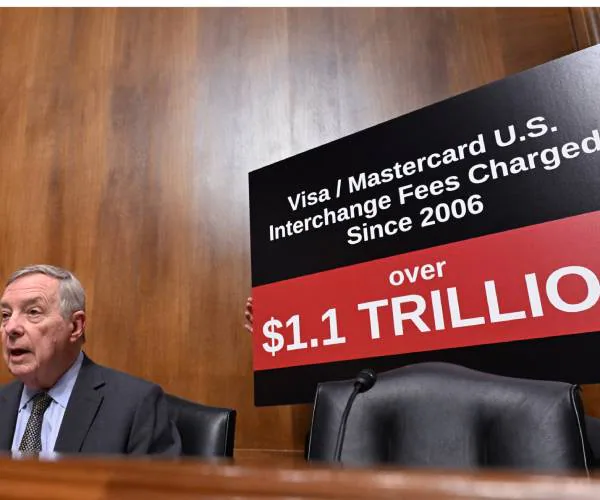
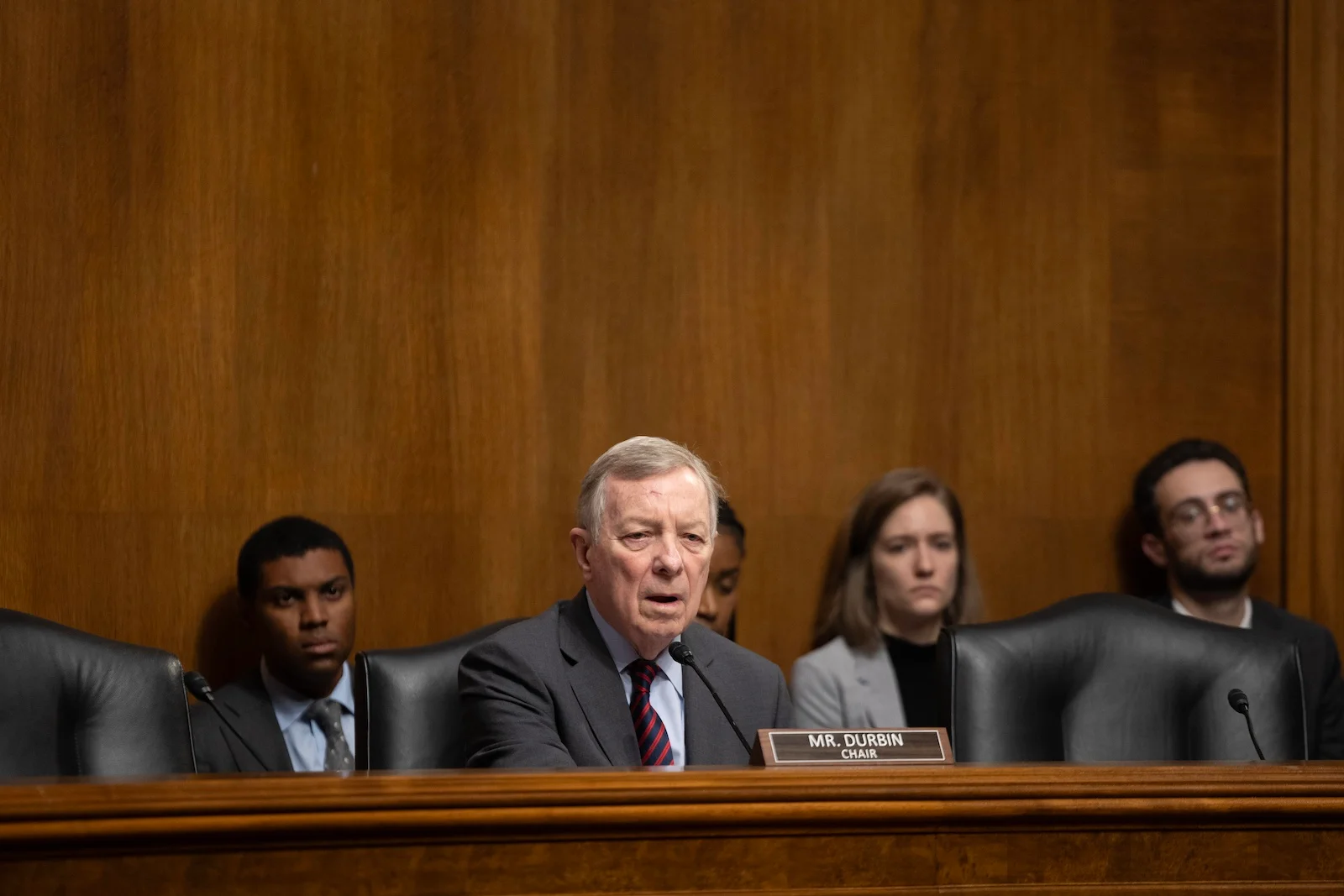
The Credit Card Competition Act, which aims to increase competition among credit card networks and reduce fees for merchants, remains stalled in Congress despite support from some lawmakers and President-elect Donald Trump. The bill, introduced by Sens. Roger Marshall and Richard Durbin, would require banks to offer at least two networks for processing transactions, challenging the dominance of Visa and Mastercard. Critics argue it could harm loyalty programs and small businesses, while proponents believe it will enhance competition. The Senate Judiciary Committee has urged Visa and Mastercard to self-regulate to avoid legislative action.
eBay will stop accepting American Express payments from August 17th due to high transaction fees, urging for more competition and regulation in the credit card industry. Amex disputes the claim, noting its fees are comparable to other cards accepted by eBay.
Despite their complaints about Americans' financial struggles, Republicans are pushing to repeal a Consumer Financial Protection Bureau rule that reduces credit card late fees, arguing that it will harm responsible consumers and shift costs. Critics argue that the new limits would benefit consumers, especially those living paycheck to paycheck. Analysis shows that Republicans on the committee have received significant funding from industry groups opposing the rule. The proposed policies to eliminate junk fees and increase rate transparency are popular among consumers but face opposition from Republicans.
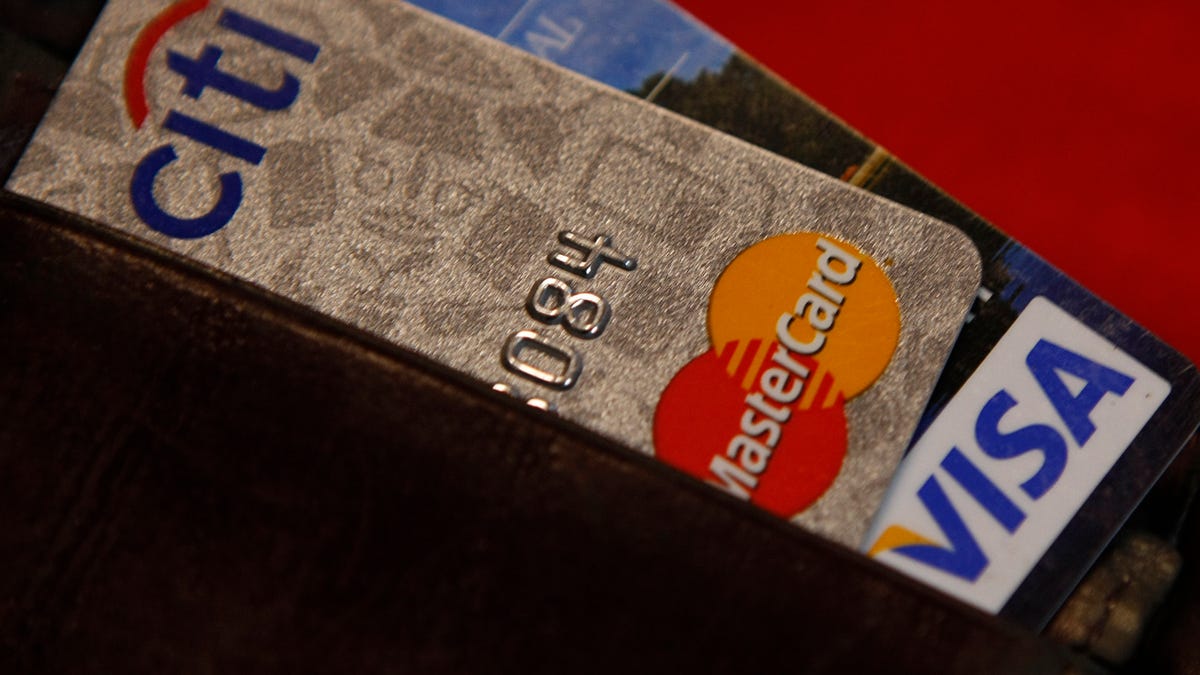
Visa and Mastercard have agreed to a $30 billion settlement with U.S. merchants, promising to lower credit card processing fees for retailers and allowing them to impose surcharges on premium cards with higher swipe fees. While this could make using premium cards more expensive, experts are skeptical about significant changes for credit card users. The settlement, subject to court approval, includes lowering interchange rates and allowing merchants to steer customers to other payment methods. It's unclear whether merchants will pass down savings to consumers, and credit card issuers are not expected to make significant changes in the near term.
A federal judge in Texas has transferred a lawsuit challenging a rule on credit card late fees to a court in Washington, D.C. The lawsuit, brought by business groups against the Consumer Financial Protection Bureau, seeks to block the rule, which is set to take effect in May. The judge's decision to transfer the case was based on the location of the plaintiffs and lawyers, as well as the absence of any card issuer subject to the rule in Fort Worth. The rule aims to limit "excessive" late fees charged by credit card issuers, and the lawsuit's transfer reflects ongoing legal battles over Biden administration policies in conservative-leaning courts.
Visa and Mastercard have reached an agreement to reduce credit card swipe fees for merchants, potentially saving them $30 billion. These fees also fund credit card rewards programs, leading to concerns about the future of travel loyalty programs. The proposed settlement would cap fees for five years and allow merchants to charge consumers more based on the card they use. The reduction in fees, though seemingly small, could amount to $30 billion over the five-year term, potentially leading banks to reduce points perks on premium credit cards.
Visa and Mastercard have reached a $30 billion settlement to limit credit and debit card fees for merchants, potentially leading to lower prices for consumers. The settlement, if approved by the court, would reduce swipe rates and cap fees for five years, while also allowing merchants to offer discounts or impose surcharges on cards with higher interchange fees. Critics argue that the settlement may not provide sufficient relief for merchants and that fees would remain high. Approval is not expected before late 2024, and opposition from some merchants is anticipated.
Visa and Mastercard have reached a $30 billion settlement to cap credit card fees for retailers, resolving claims of overcharging on interchange fees and anti-steering rules. The settlement, one of the largest in U.S. history, would lower interchange rates by four basis points for three years, cap rates for five years, remove anti-steering restrictions, and enable competitive pricing.
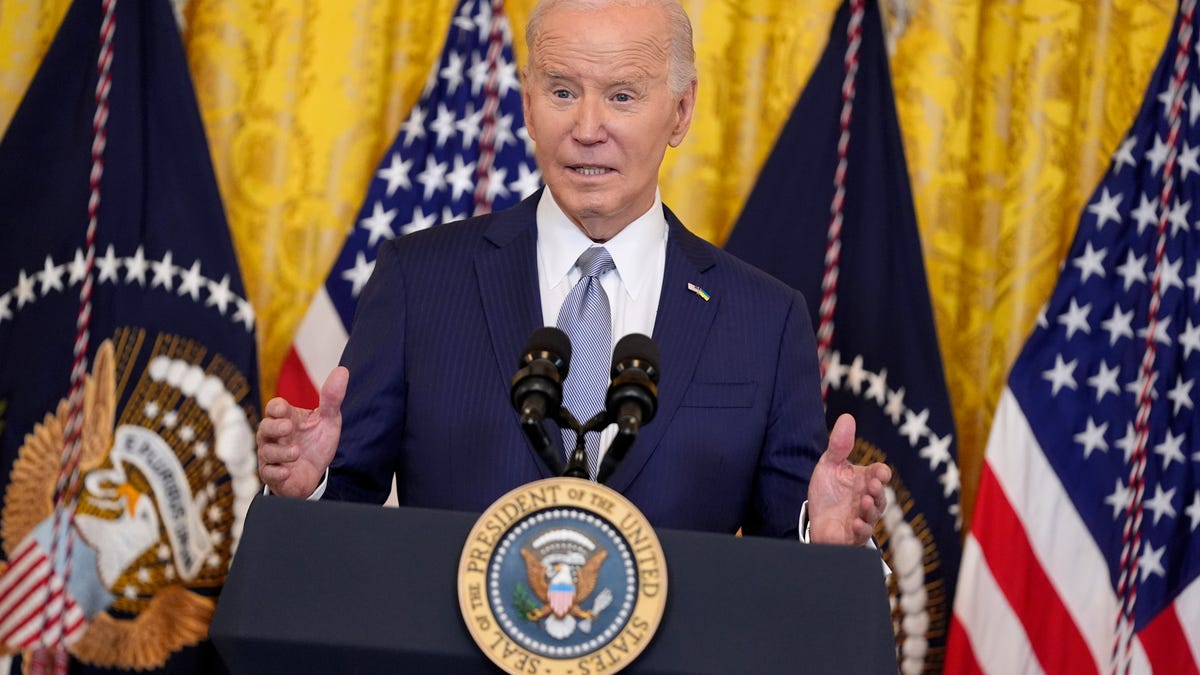
The Biden administration has announced a rule to cap all credit card late fees at $8, aiming to end what it calls junk fees and save Americans up to $10 billion a year. President Biden highlighted this proposal as part of efforts to reduce costs for Americans, along with forming a strike force to crack down on unfair pricing in various sectors. However, the move has faced criticism from some lawmakers and industry representatives, who argue that it could lead to higher interest rates and decreased access to credit. The administration's broader efforts to eliminate junk fees have not significantly boosted Biden's approval ratings on economic leadership, and concerns are rising over growing credit card debt and delinquency rates.
The Biden administration is proposing a $8 cap on credit card late fees, aiming to save consumers $10 billion, but the banking industry warns it could lead to higher interest rates and unintended consequences. The American Bankers Association and the Consumer Bankers Association argue that the rule could result in more late payments, lower credit scores, and reduced access to credit. The U.S. Chamber of Commerce is suing over the proposed rule, claiming it punishes those who pay on time. The rule, which only applies to large credit card companies, allows banks to charge a higher late fee under a "show your work" provision.
The Consumer Financial Protection Bureau has finalized a new federal rule capping most credit card late fees at $8 per month, estimating that the change will save households $10 billion annually. Late fees have been a significant source of profit for credit card issuers, generating over $14 billion in 2022. The new restriction, which applies to large issuers with more than one million open accounts, aims to limit fees unless issuers can prove the need to charge more to cover actual collection costs. Banking trade groups are expected to oppose the rule and may file litigation to try to block it.
The Biden administration has finalized a rule capping most credit card late fees at $8, aiming to save 45 million Americans an estimated $220 annually. This move follows previous action to reduce overdraft fees charged by banks. President Biden has made cutting hidden "junk fees" a priority, estimating that the administration's actions will reduce over $20 billion in such fees annually across various industries. Additionally, a new federal strike force on unfair pricing has been announced, and the Federal Communications Commission proposed a rule to ban "bulk billing" arrangements for internet, cable, or satellite services.