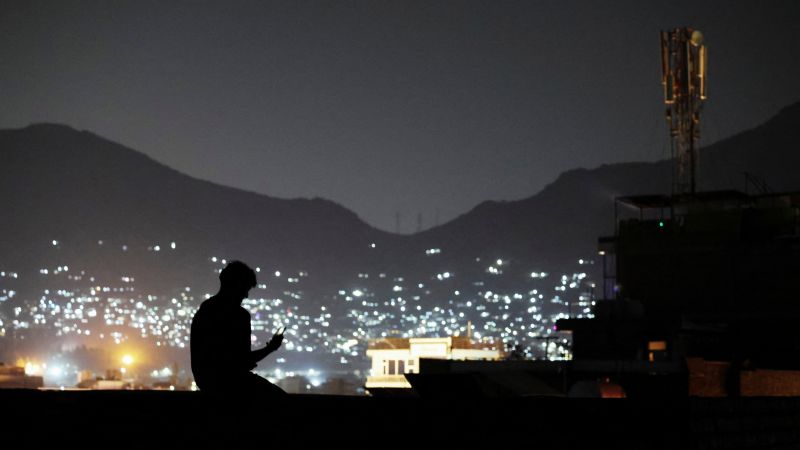
The Taliban ordered a 48-hour nationwide internet and phone shutdown in Afghanistan, causing widespread chaos, economic disruption, and human rights concerns, highlighting the regime's control over communication and the population's dependence on connectivity.
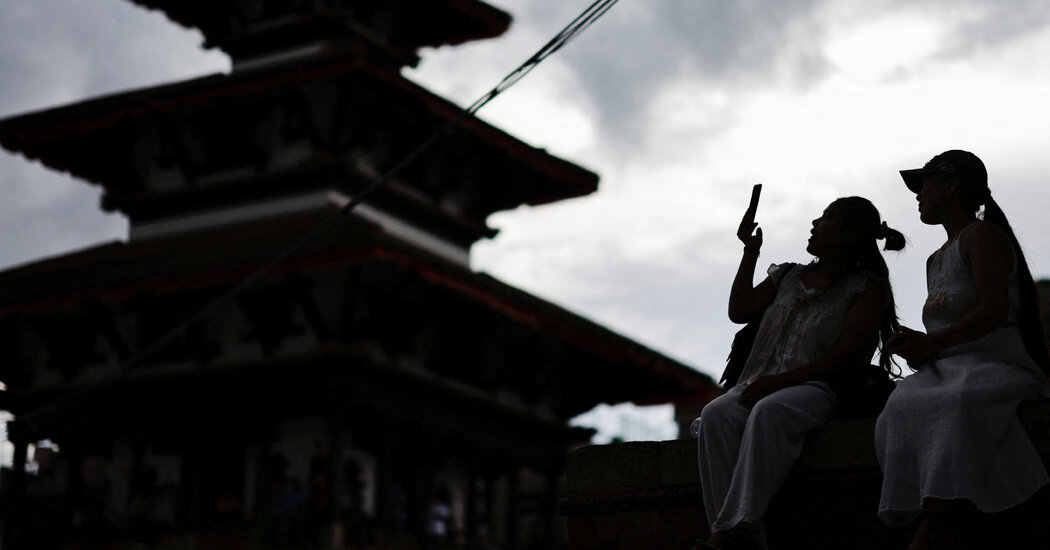
Nepal has banned 26 social media platforms, including Facebook, YouTube, and WhatsApp, after they failed to comply with new registration laws, raising concerns over free speech, communication, and the impact on tourism and families abroad.
NASA's SEED mission aims to study mysterious high-altitude Sporadic-E layers near the equator using rockets launched from Kwajalein Atoll, to better understand their formation and impact on global communication systems, which could lead to improved prediction and mitigation of space weather disruptions.
Authorities in Finland are investigating a break in the C-Lion1 undersea data cable connecting Germany and Finland, which has disrupted communication services. The cause of the fault is still under investigation, with potential reasons including weather and shipping damage. Despite the disruption, other data connections from Finland remain operational, minimizing the impact on citizens. This incident follows recent damage to other undersea cables and infrastructure in the region.
Houthi rebels have successfully targeted four underwater communication cables between Saudi Arabia and Djibouti, disrupting connectivity between Europe and Asia. The affected cables include the AAE-1, Seacom, EIG, and TGN systems, impacting communication and trade between the two continents. Despite Western responses, including offensive actions, the attacks on international trade by the Iranian-backed Houthi movement continue, with the group expressing solidarity with Palestinians amid the conflict with Israel.
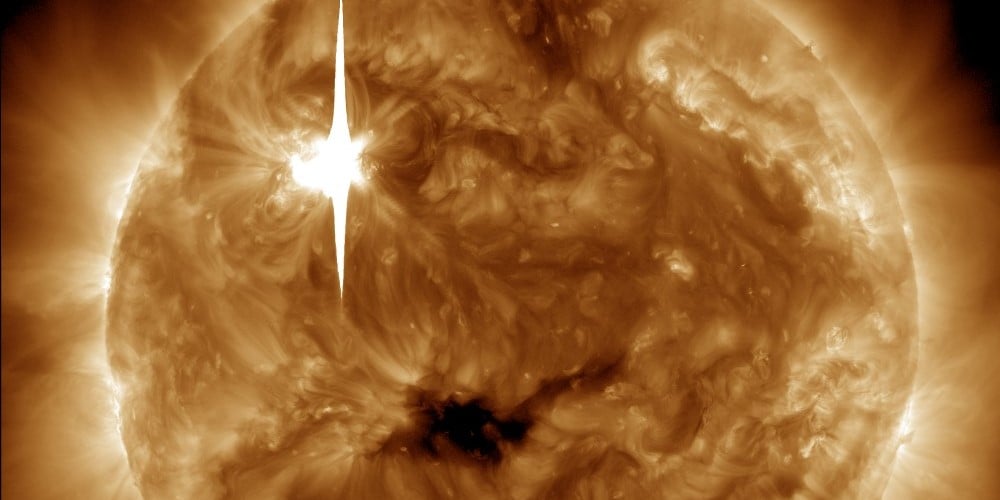
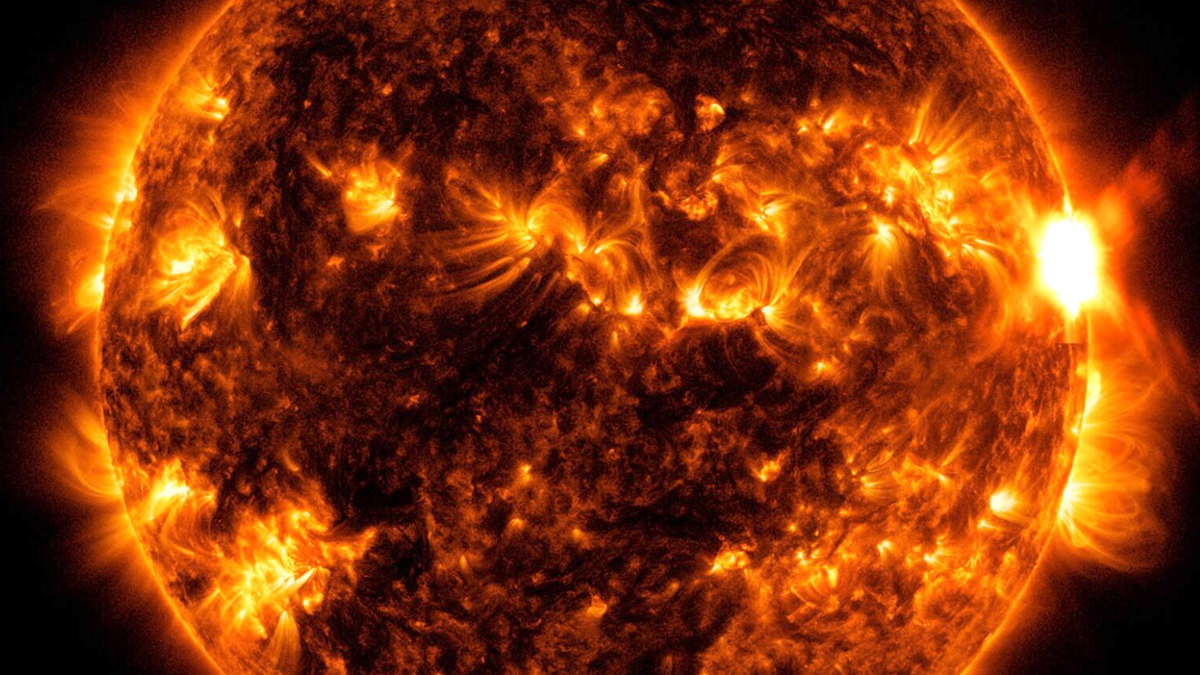
The sun recently unleashed three X-class solar flares, the most powerful being the strongest since 2017, but it is unlikely to cause auroras on Earth as no significant coronal mass ejections were detected. While these flares can disrupt communication systems, they are not believed to have caused the reported cellular network outages in the United States. There is still a possibility of more solar flares from the active sun region, offering hope for aurora enthusiasts.
NASA has issued a warning about a powerful X6.3 solar flare that could potentially disrupt communications in space and on Earth, with the potential to affect high frequency radios and possibly impact GPS and radar systems. The flare, the largest since 2017, poses a threat to astronauts due to dangerous radiation, but is not expected to cause significant public harm. The event occurred during Sun Cycle 25, with the peak predicted for 2025.
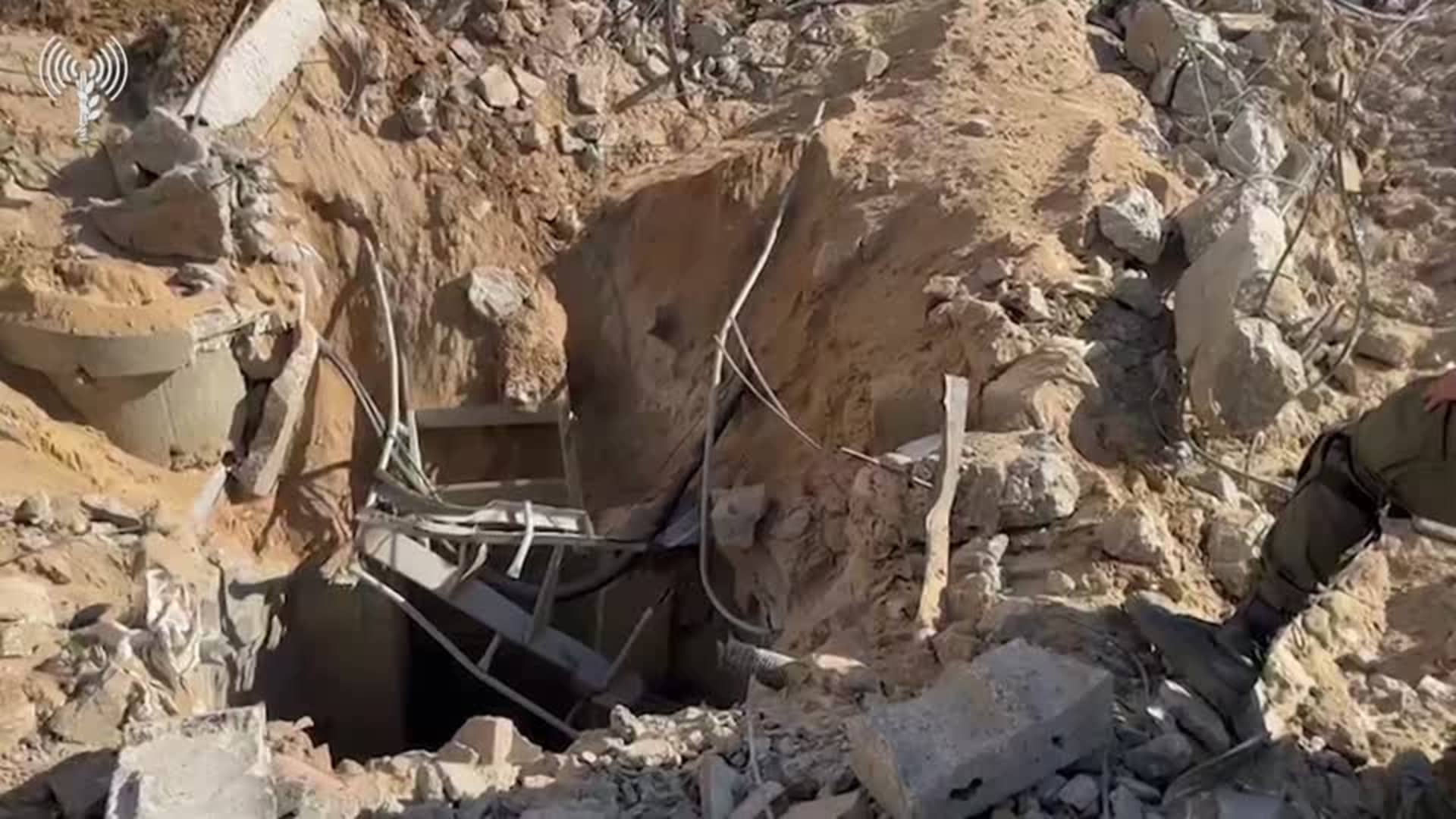
The death toll in Gaza has surpassed 12,000, including 5,000 children, according to the media office of the Hamas-controlled government. More than 3,700 people are missing, and numerous schools, mosques, and hospitals have been destroyed. Telecom services are completely disrupted in the Gaza Strip due to fuel shortages, and airlines have seen a drop in bookings. Israel's war cabinet approved the delivery of two trucks of fuel for Gaza each day, while the UN relief agency and humanitarian agencies oppose the creation of unilateral "safe zones" in Gaza. The Israeli military claims to have found a tunnel and weapons at Al-Shifa hospital, and they have retrieved the bodies of two Hamas hostages. Additionally, Syria shot down Israeli missiles over the surroundings of Damascus.
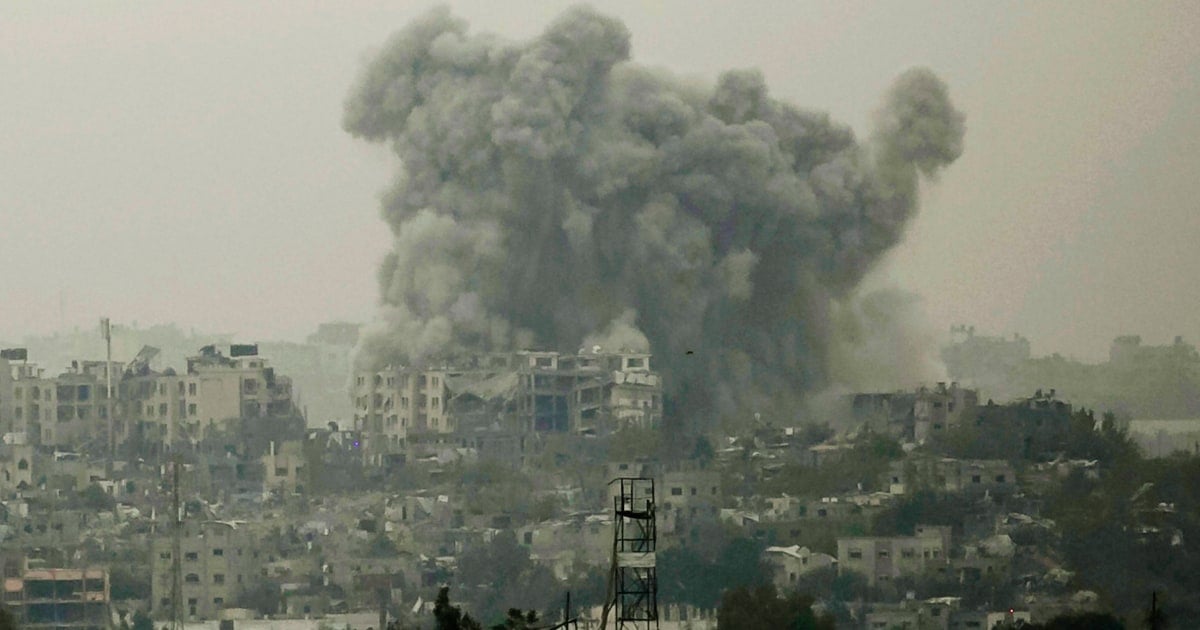
A near-total blackout of internet and cellphone service has occurred in Gaza as a result of heavy Israeli bombing, destroying the last remaining infrastructure connecting the region to the global internet. The largest telecommunications provider, Paltel, announced a complete severance of all communications and internet services. This blackout is the largest disruption to internet connectivity in Gaza since the conflict began, severely limiting residents' ability to communicate with the outside world. The Palestine Red Crescent Society expressed concern about the impact on emergency medical services. Telecommunications services in Gaza were already degraded due to power cuts and limited fuel supplies. Israel has increased bombing in Gaza, targeting infrastructure it claims is used by terrorists.
Two massive solar flares erupted from the Sun, causing radio signal disruptions across the United States. The first flare, an X1.6 event, occurred on August 5, followed by an X1.5 flare on August 7. While harmful radiation from the flares cannot affect humans on the ground, they can disturb the atmosphere where GPS and communication signals travel. Solar flares can also pose challenges for spaceflight and satellite missions.
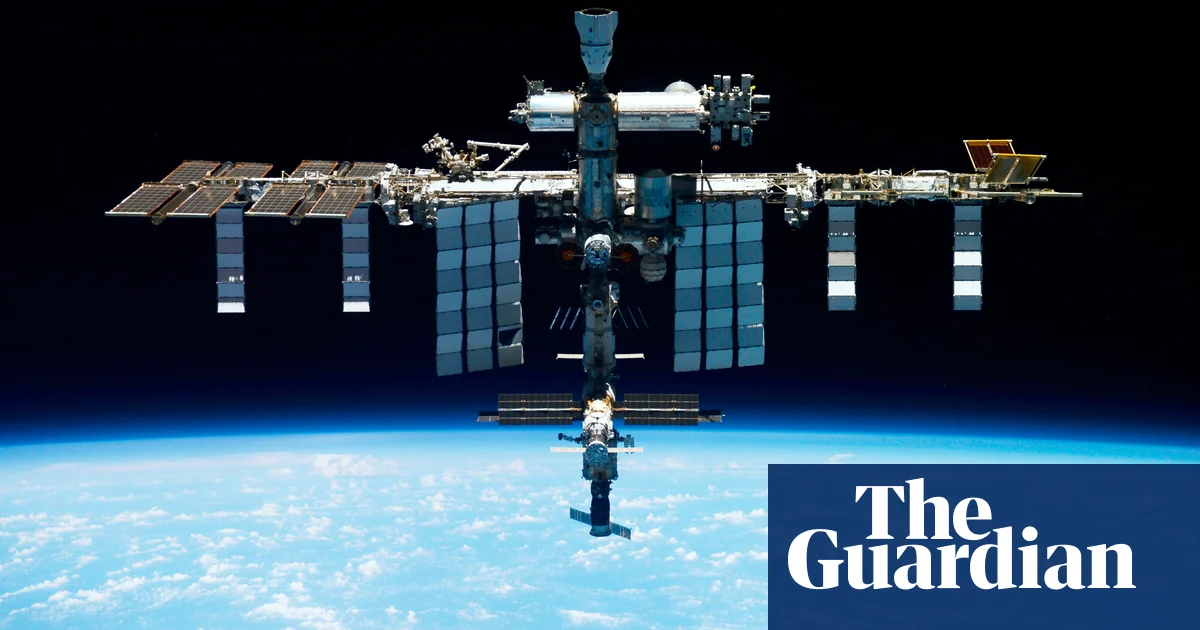
NASA experienced a power outage at its building in Houston, resulting in a temporary loss of communication between mission control and the International Space Station (ISS). Backup control systems were activated for the first time, ensuring the safety of the crew and the station. The power outage occurred during upgrade work at the Johnson Space Center, but the astronauts were promptly notified through Russian communication systems. NASA hopes to resolve the issue and resume normal operations soon. Despite tensions between the US and Russia, their space agencies continue to collaborate, although Russia plans to withdraw from the ISS after 2024.