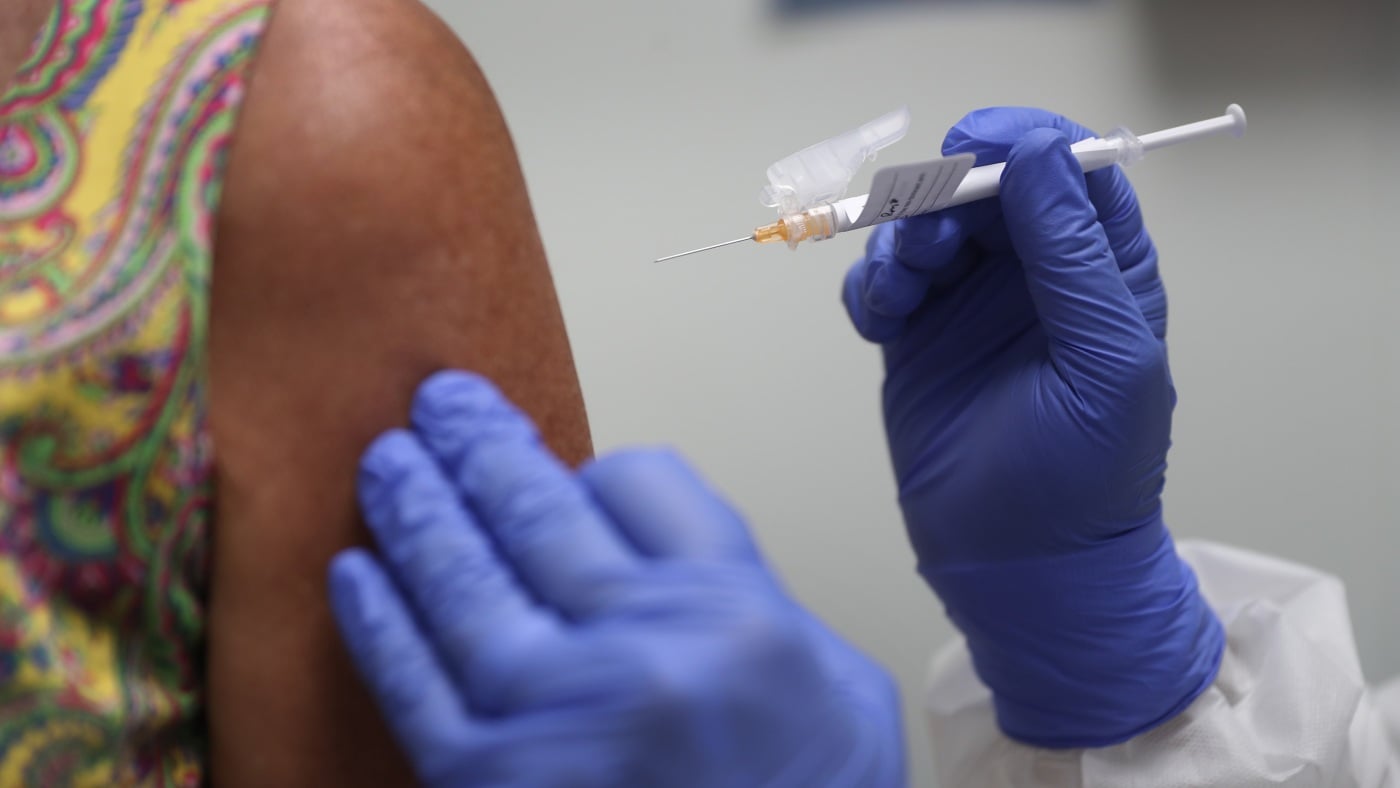
The article explores the author's experience volunteering for a dengue fever clinical trial, highlighting the ethical considerations, risks, informed consent process, and motivations behind participation, including altruism and financial compensation, within the broader context of medical research.
The CDC has shifted to individual-based decision-making for COVID-19 vaccines, emphasizing informed consent and shared decision-making between patients and healthcare providers. It also recommends giving the varicella (chickenpox) vaccine separately from MMR to reduce the risk of febrile seizures in young children. These changes aim to improve vaccine safety and patient autonomy.
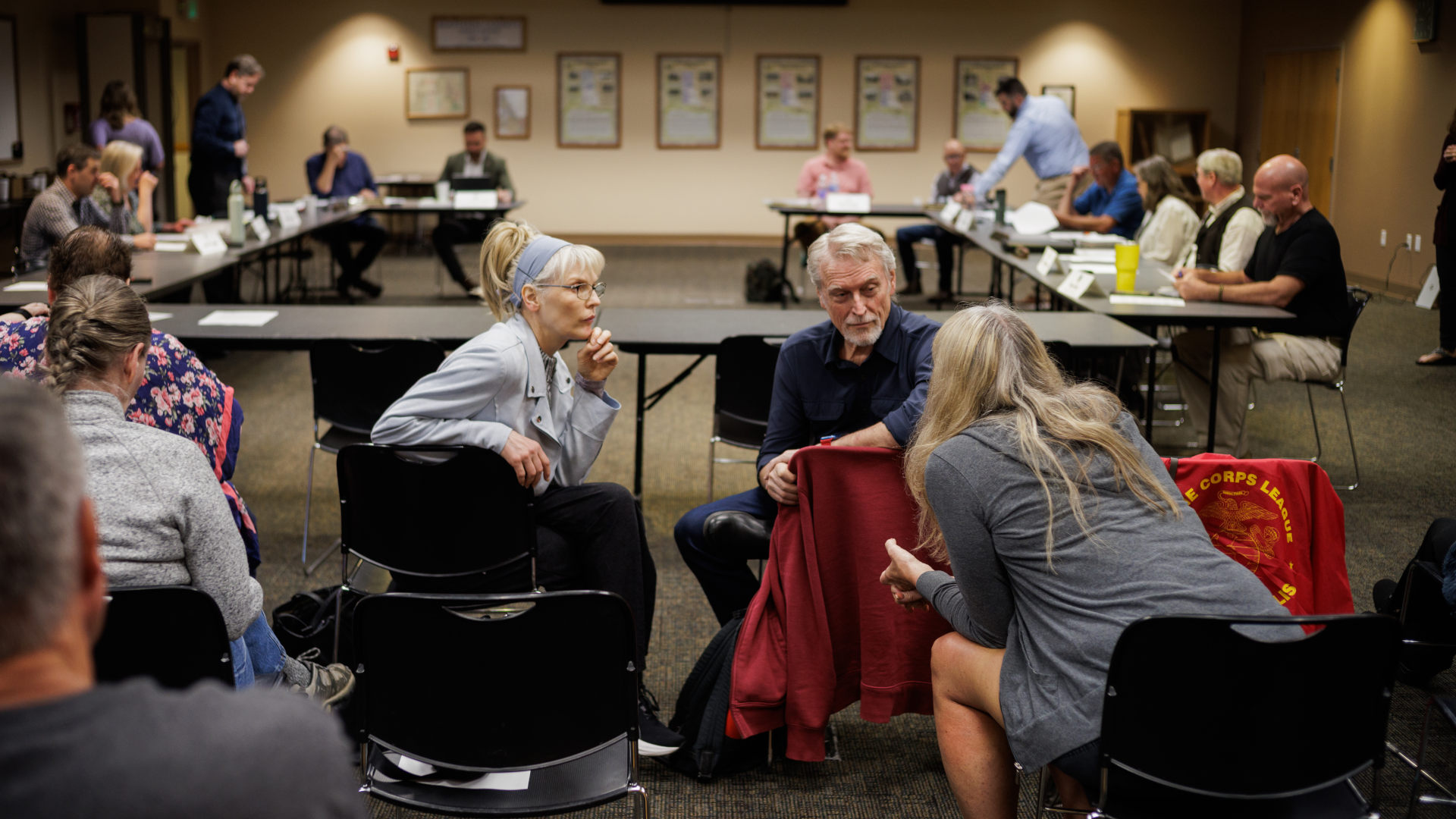
In Idaho, a shift towards vaccine skepticism and individual health freedom is challenging traditional public health norms, with local officials like Thomas Fletcher advocating for greater transparency and informed consent, amid declining vaccination rates and political polarization.
A 26-year-old woman from Salford, Demi Agoglia, died after undergoing a Brazilian butt lift (BBL) procedure in Turkey, which a coroner described as a 'barbaric medical practice' lacking informed consent. The inquest revealed that Agoglia died from a microscopic fat embolism due to poor pre- and post-operative care by unqualified staff at Comfort Zone in Istanbul. Her family urged others to research thoroughly before considering such surgeries abroad, and the coroner plans to address the issue with the UK Health Secretary.
Medical researchers and commercial spaceflight advocates are collaborating to study the health issues and risks associated with space travel for a more diverse population of private astronauts, who may not meet the strict medical standards used by NASA and other space agencies. The proposed Human Research Program for Civilians in Spaceflight and Space Habitation (HRP-C) aims to collect medical data and conduct research on potential spaceflight risks, focusing on informed consent and research rather than regulation. Efforts like TRISH's EXPAND initiative are also working to fill gaps in the population of space travelers, with a new focus on women. The goal is to reduce health risks for private astronauts while enabling as many people as possible to fly in space based on strong science.
Biobanks, repositories that store genetic data and other biospecimens, are increasingly being used for research purposes. However, concerns have been raised about the informed consent process and the potential misuse of genetic data. A recent study found that even when participants choose not to respond to survey questions, their genetic data can reveal information about their education, health, and income levels. While genetic data is de-identified and used at the aggregate level, there is a need for improved transparency and understanding of how biobanks use participants' data to ensure informed consent and protect privacy.