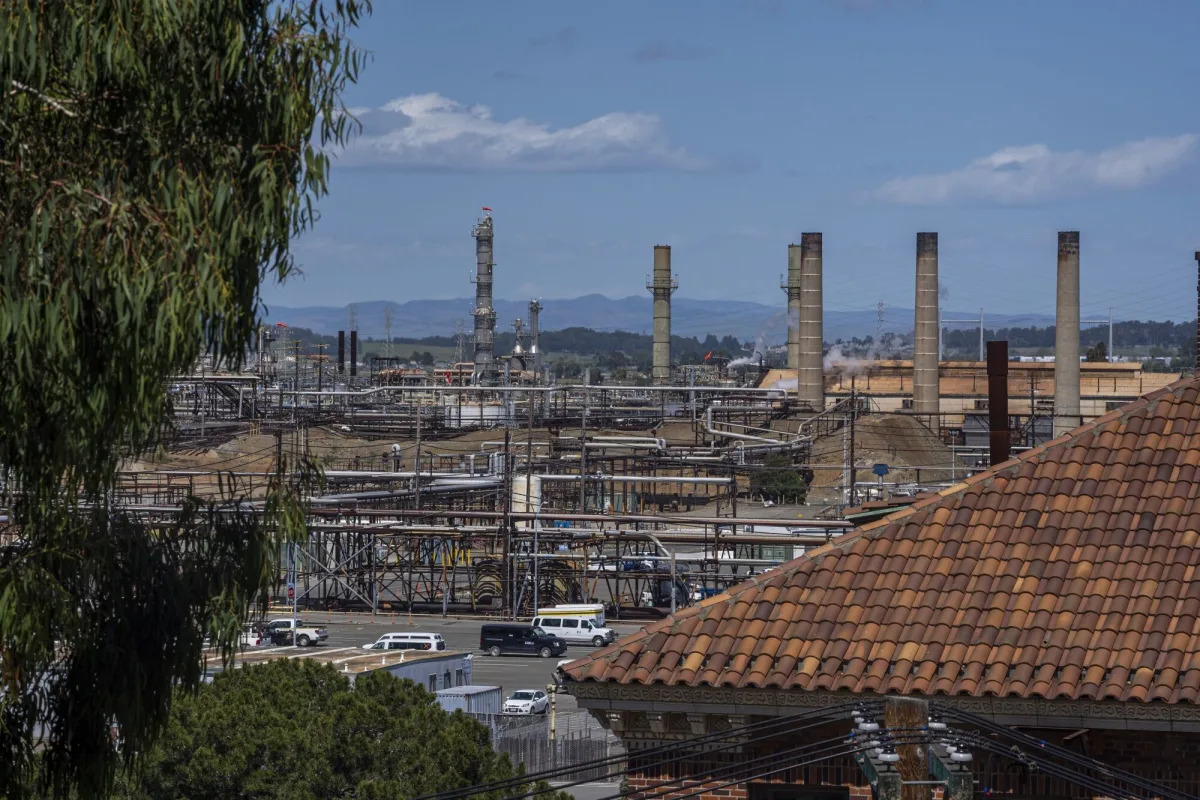
California's oil industry faces significant decline with refinery closures impacting thousands of workers, amid ongoing debates over climate policies and economic support for displaced workers, highlighting the uncertain future for blue-collar jobs in the state.
Cadillac has become a leading luxury electric vehicle brand in the U.S., surpassing competitors like BMW and Mercedes-Benz, but its future sales may be threatened by the potential repeal of a $7,500 federal tax credit under the Trump administration.
Eleven Republican attorneys general, led by Texas, have filed a lawsuit against BlackRock, Vanguard, and State Street, accusing them of conspiring to restrict the coal market by pushing climate policies, thus violating antitrust laws. The lawsuit claims these asset managers have formed a cartel to limit coal supply, raise energy prices, and harm American energy production. BlackRock has dismissed the lawsuit as baseless, asserting its investments are focused on financial returns for clients.
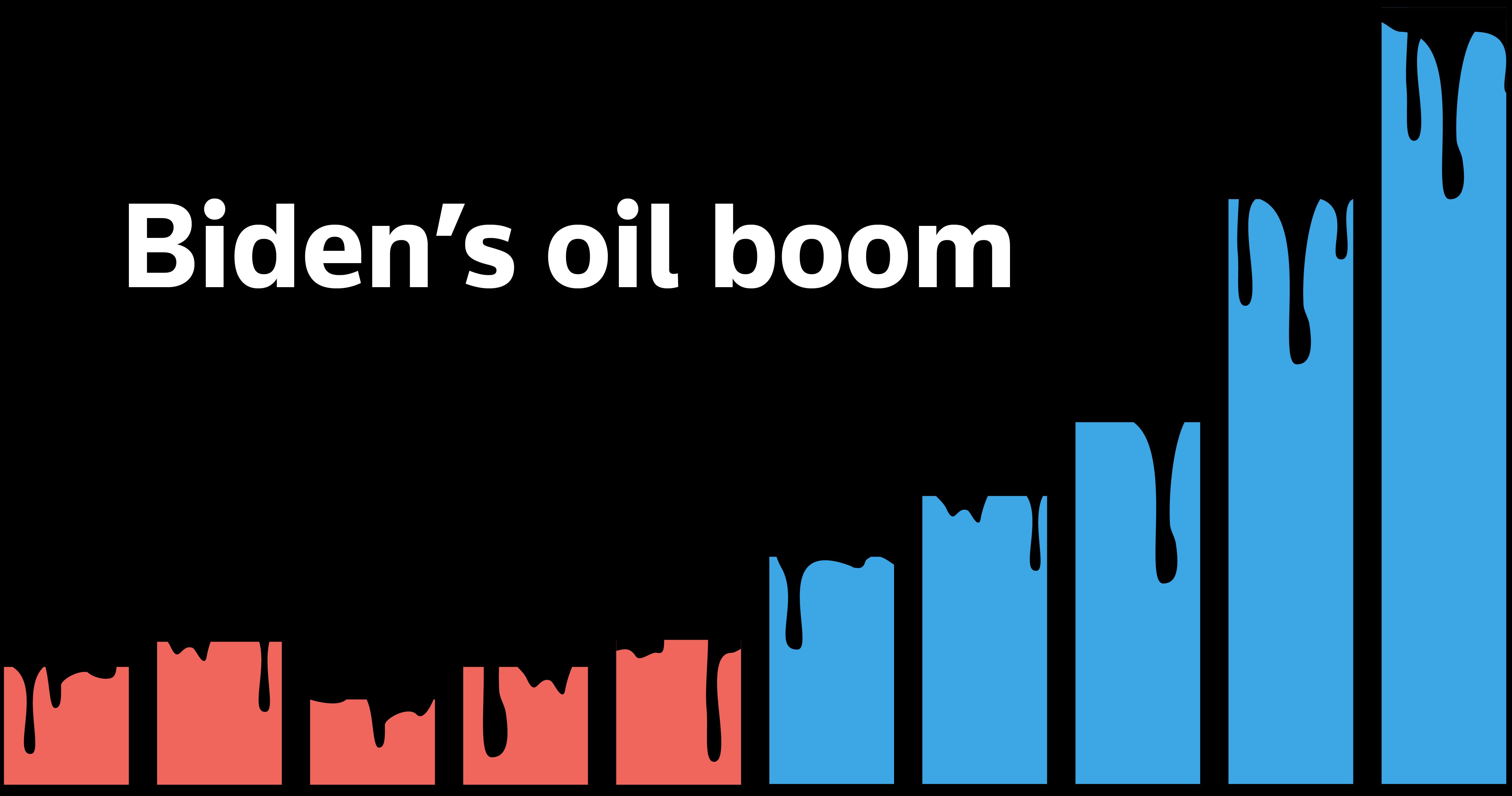
Despite President Biden's push for a carbon-free future, the US oil and gas industry has thrived under his administration, with record production, booming exports, rapid job growth, and soaring profits for major companies. This success has been driven by factors such as high global oil and gas prices due to Russia's invasion of Ukraine and the post-COVID economic recovery. While Biden's supporters focus on his green economy initiatives, critics tie rising gas prices to his policies. The long-term impact of Biden's actions, such as canceling the Keystone XL Pipeline and promoting electric vehicles, remains to be seen, but for now, the fossil fuel industry has outpaced renewable energy in job growth and profitability.
Truce talks in Paris regarding Gaza are reportedly making significant progress, former Belgian PM Sophie Wilmès enters the EU election bid, replacing European Council President Charles Michel on the Mouvement Réformateur list, French President Macron reassures farmers about reinforcing controls and transparency on fair bargaining on food prices, a 28-country guide shows how climate policies are dividing Europe, and EU countries are requesting 10 extra years to meet air pollution targets, sparking a disagreement with Parliament.
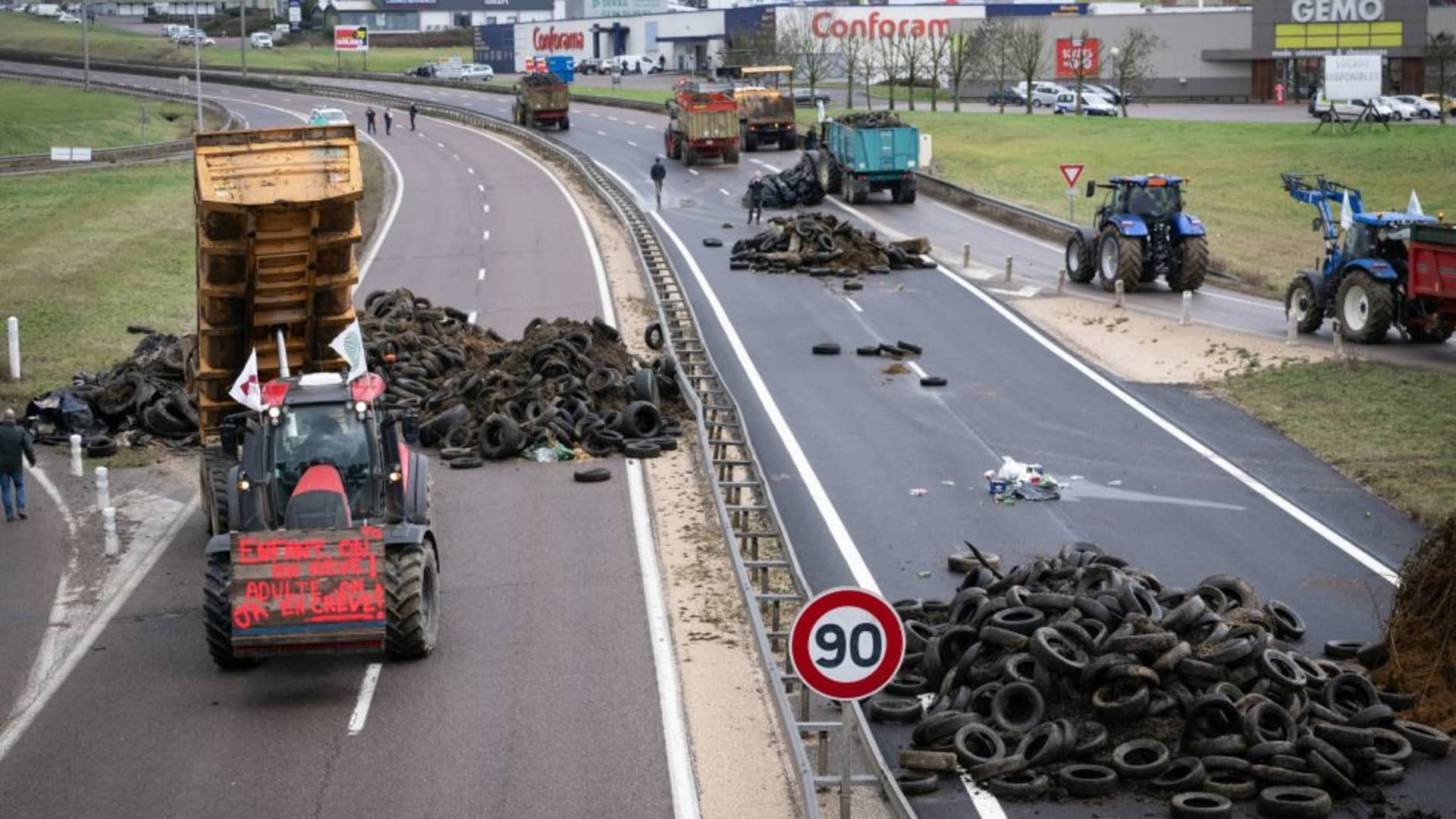
Farmer protests across Europe have led to the European Commission scrapping a plan to halve pesticide use and omitting the agricultural sector from strict greenhouse gas emission reduction timelines. The protests, driven by factors such as rising costs and falling sale prices, have prompted calls for more financial subsidies and investment support for farmers. The EU's re-assessment of its climate policies comes ahead of parliamentary elections and is expected to impact the implementation of the green new deal, with implications for the agriculture sector and carbon neutrality targets.
Chevron warns that California's climate policies are risking gasoline price spikes and shortages, attributing the state's high gasoline prices to its tough low-carbon fuel standards that encourage refineries to convert to renewable diesel. The company's relationship with California has become increasingly adversarial, with Governor Gavin Newsom accusing Big Oil of price gouging and lying about climate change, leading to investigations and lawsuits. Chevron argues that it should not be punished for meeting consumer demand for transportation fuels, and expresses concerns about a proposal to establish a maximum refining margin in California, which would make it challenging to justify growth projects at its refineries in the state.
Chevron warns that California's climate policies risk causing gasoline price spikes and shortages, with the state's tough low-carbon fuel standards encouraging refineries to convert from petroleum to renewable diesel, reducing gasoline supply and pushing up prices. Governor Gavin Newsom's office blames oil companies for price spikes, while Chevron denies allegations of price gouging and argues it should not be punished for meeting consumer demand for transportation fuels. The state's push for renewable fuels has led to refinery conversions and an 11% reduction in California's refining capacity over the past decade, raising concerns about potential reliability problems and the state's reliance on imported fuel in case of supply disruptions.
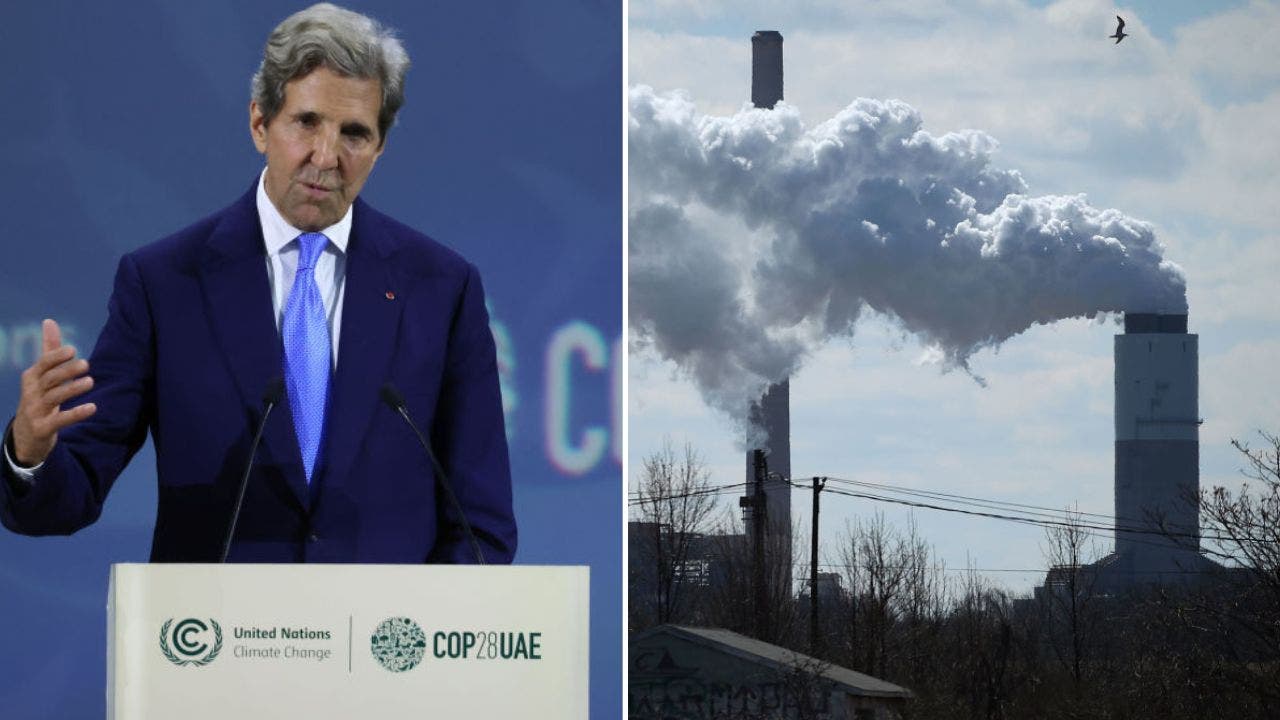
The COP28 climate conference, held in Abu Dhabi and attended by 80,000 participants, including high-ranking officials from the Biden White House, is being criticized for its unrealistic and costly climate policies. The conference, which aims to phase out fossil fuels, is hosted by the head of the Abu Dhabi National Oil Company, who was revealed to be plotting new oil and gas deals. Meanwhile, wind projects are failing in the US and other countries, and the Biden administration's crackdown on methane emissions could lead to the shutdown of many low-producing wells. China and India, two major carbon emitters, are resisting international pressure to reduce coal consumption. As electricity prices continue to rise, there is growing skepticism about the effectiveness and affordability of Biden's climate agenda.
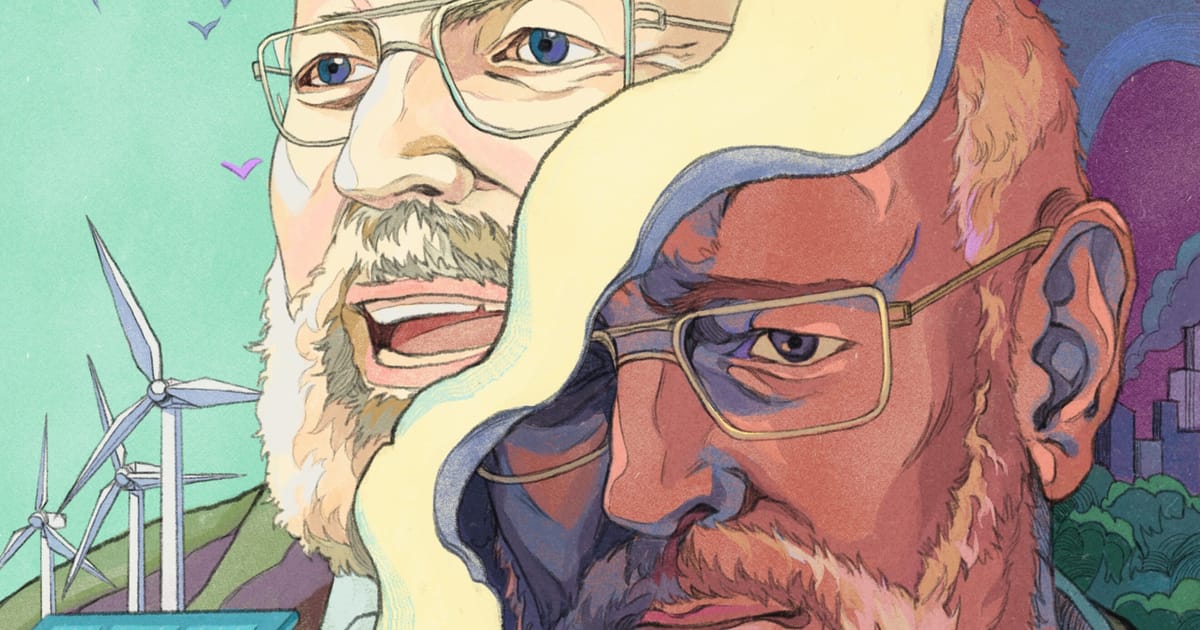
Frans Timmermans, the architect of Europe's Green Deal and former European commissioner, is facing scrutiny over the potential dislocation and suffering caused by the sweeping climate policies he has championed. Timmermans, who has spoken about the fate of his hometown Heerlen as a cautionary tale, acknowledges that the transition to a greener economy will be difficult and sacrifices will be required. However, concerns are growing that the cost of achieving climate goals, such as job losses and economic disruption, may not be adequately addressed. Many communities across Europe, particularly those reliant on industries tied to fossil fuels, could face similar fates as Heerlen if the transition is not managed effectively. The challenge lies in ensuring that no one is left behind and that communities are supported during this transformative process.
Poland has filed legal challenges to cancel three of the European Union's main climate change policies, arguing that they would worsen social inequality. The challenges target policies such as the ban on the sale of new CO2-emitting cars from 2035, setting national emissions-cutting targets, and reforming the EU carbon market. Poland claims that these policies impose excessive burdens on citizens, threaten energy security, and may increase social inequality. The challenges are directed at the European Parliament and the council of the EU, and the European Commission is analyzing the legal actions and may intervene in the case.
The richest 10% of American households are responsible for 40% of the country's greenhouse gas emissions, according to a study. The research highlights the link between income and carbon pollution, showing that investments and income sources tied to fossil fuel-related industries contribute significantly to emissions. The study also reveals the disproportionate impact of climate change on lower-income communities. The findings underscore the need for better climate policies and incentives to reduce emissions from top earners and address the carbon inequality in the United States.
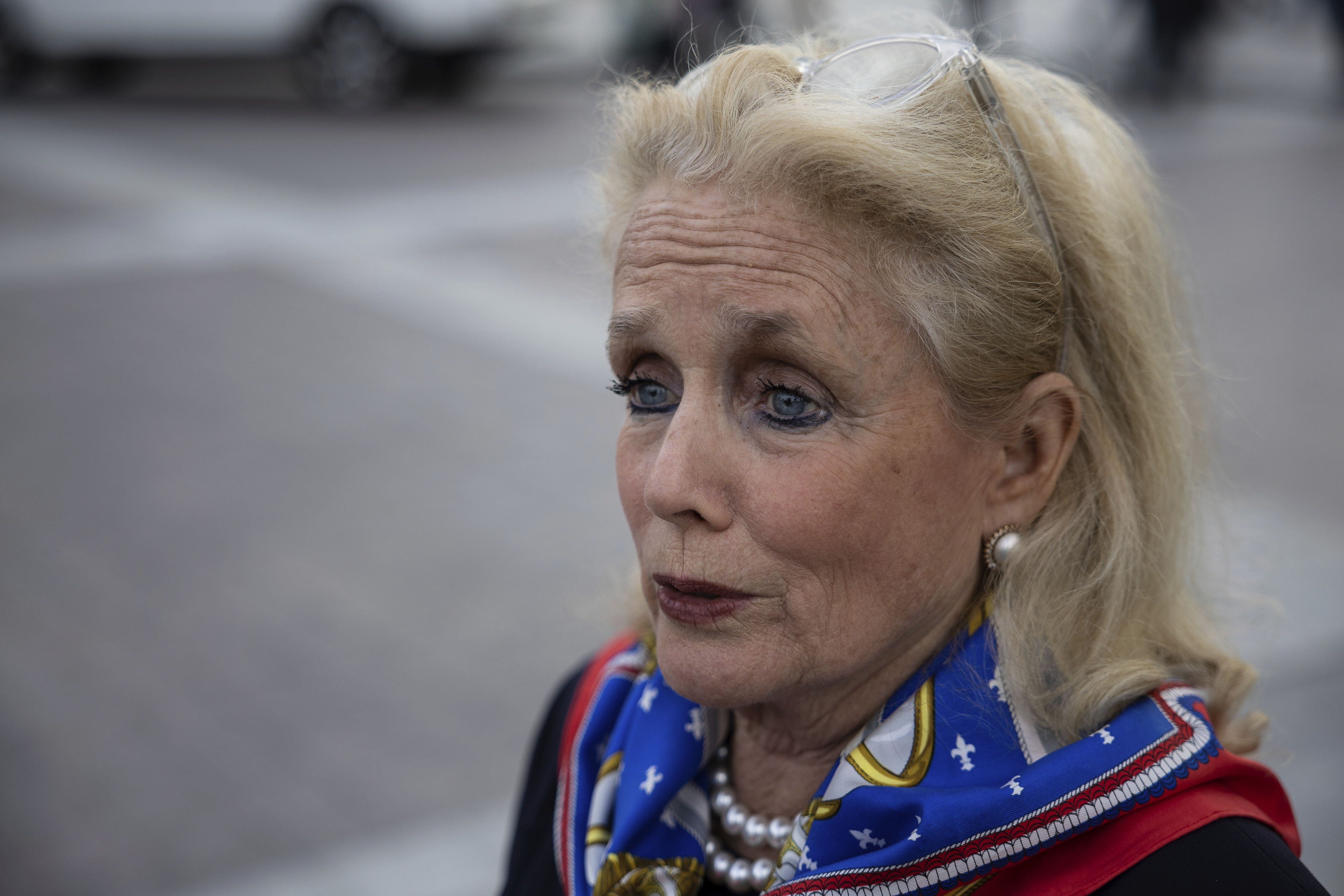
Rep. Debbie Dingell criticized Donald Trump for his threats to roll back the Biden administration's electric vehicle policies, stating that he does not care about the well-being of auto workers or their benefits. Dingell emphasized the need for Democrats to communicate their achievements in energy and climate policies to voters, particularly as Republicans seek to repeal parts of the Inflation Reduction Act. The United Auto Workers union has withheld its endorsement for President Biden over concerns about the impact of his EV push on its members.
The provincial election in Alberta, Canada, could determine the direction of the country's federal emissions and climate policies for years to come. The incumbent Premier of Alberta, Danielle Smith of the United Conservative Party, is seeking re-election, but polls show that victory could go either way. Smith opposes almost every climate policy proposal from the federal government, while former premier Rachel Notley's left-leaning New Democratic Party agrees with some of Trudeau's policies but opposes a proposal to cap oil and gas emissions.
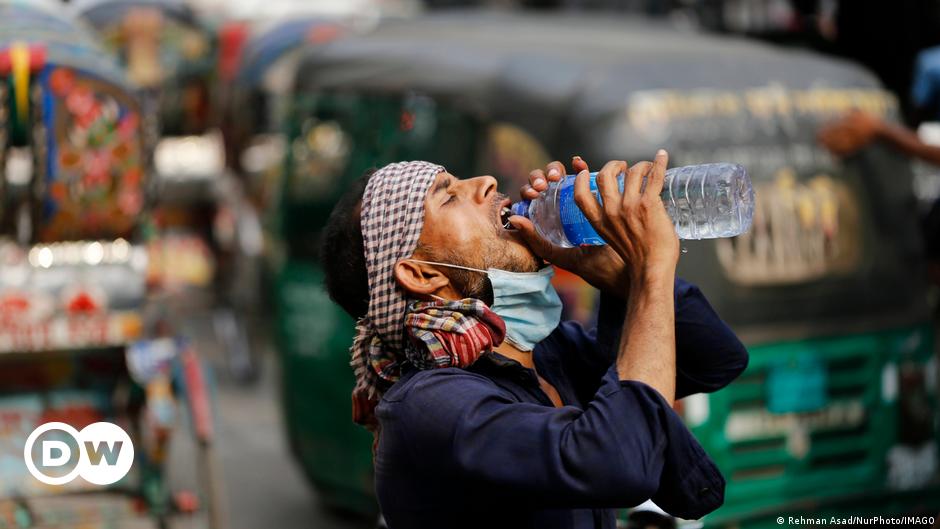
About 2 billion people will live in hazardous heat conditions by the end of the century if climate policies continue on their current trajectory, according to new research. Extreme heat can result in a range of illnesses and death, and the elderly, infants and children, pregnant women, outdoor and manual workers, athletes and the poor are particularly vulnerable. Cities around the world are introducing the new role of chief heat officer to deal with inevitable temperature increases, and strategies include preparedness, awareness, and adaptation, such as creating more green spaces in the city.