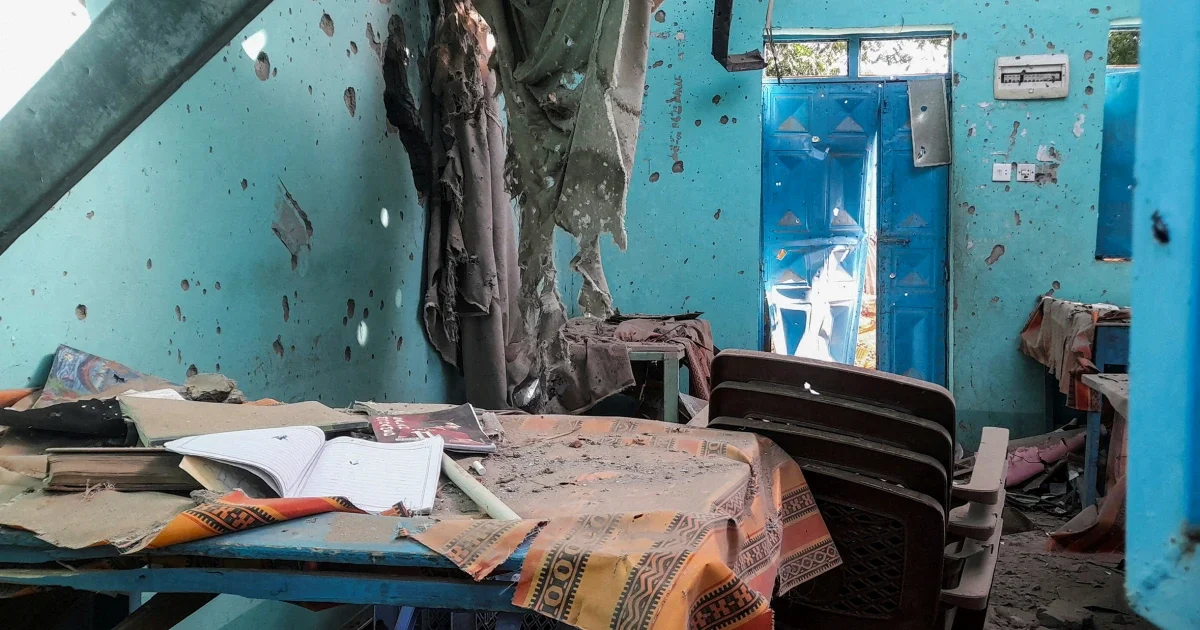
Sudan's military-led government has returned to Khartoum from its wartime base in Port Sudan, with Prime Minister Kamil Idris pledging a 'year of peace' and reforms to electricity, water, healthcare and education as the capital rebuilds after nearly three years of brutal conflict that left roughly 150,000 dead and around 12 million displaced.
The Sudanese civil war, now over 1,000 days old, has caused widespread suffering, displacement, and destruction, with ongoing violence, international involvement, and efforts for peace amid a dire humanitarian crisis.
Yale University researchers report that Sudan's RSF is attempting to cover up mass killings in el-Fasher by burying and burning bodies, with satellite images indicating ongoing efforts to destroy evidence of widespread violence during their capture of the city, amidst ongoing civil war and humanitarian crisis.
The Sudanese paramilitary RSF is reportedly holding Darfur residents for ransom, with many being beaten, shot, or killed if their families cannot pay large sums, amid ongoing violence and a humanitarian crisis in the region.
Satellite images suggest that after the RSF took control of el-Fasher, bodies were buried in mass graves and some were burned, with evidence analyzed by Yale and BBC Verify indicating efforts to conceal crimes against civilians.
Rebels have taken control of El Fasher in Darfur, Sudan, leading to widespread violence, atrocities, and a humanitarian crisis with thousands displaced, reports of mass killings, and severe food shortages, amid ongoing conflict between the RSF and Sudanese military.
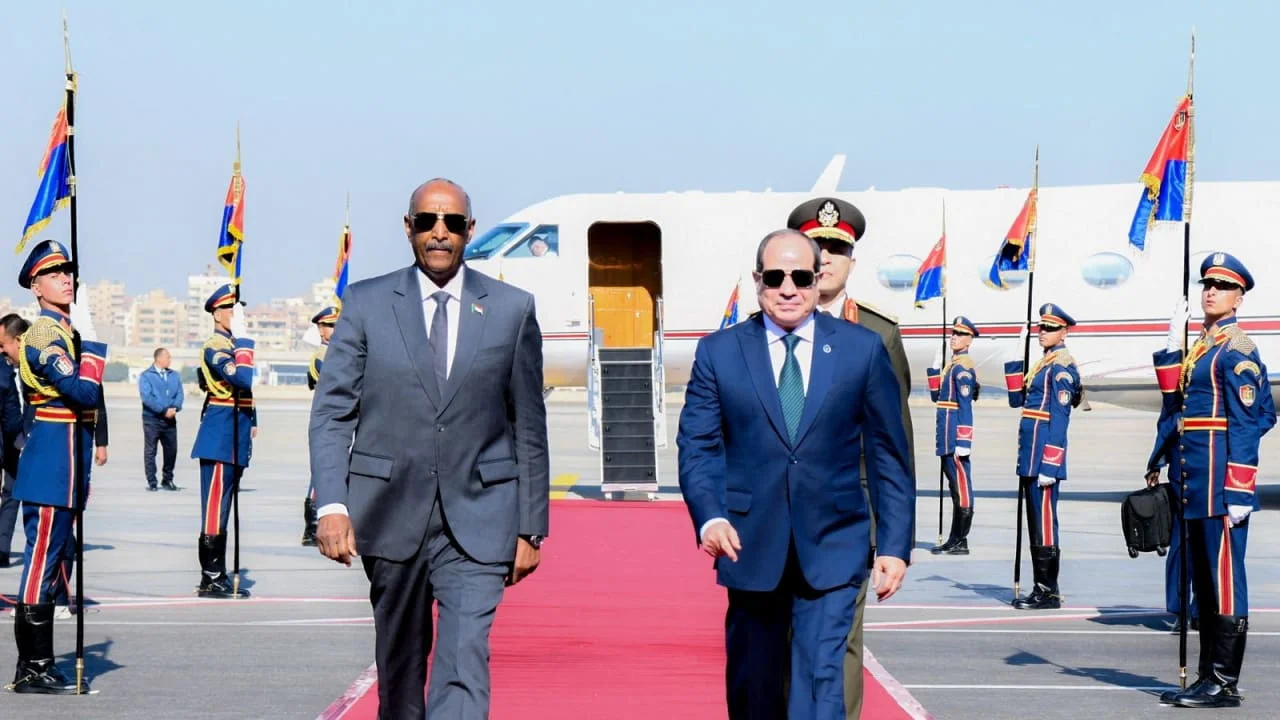
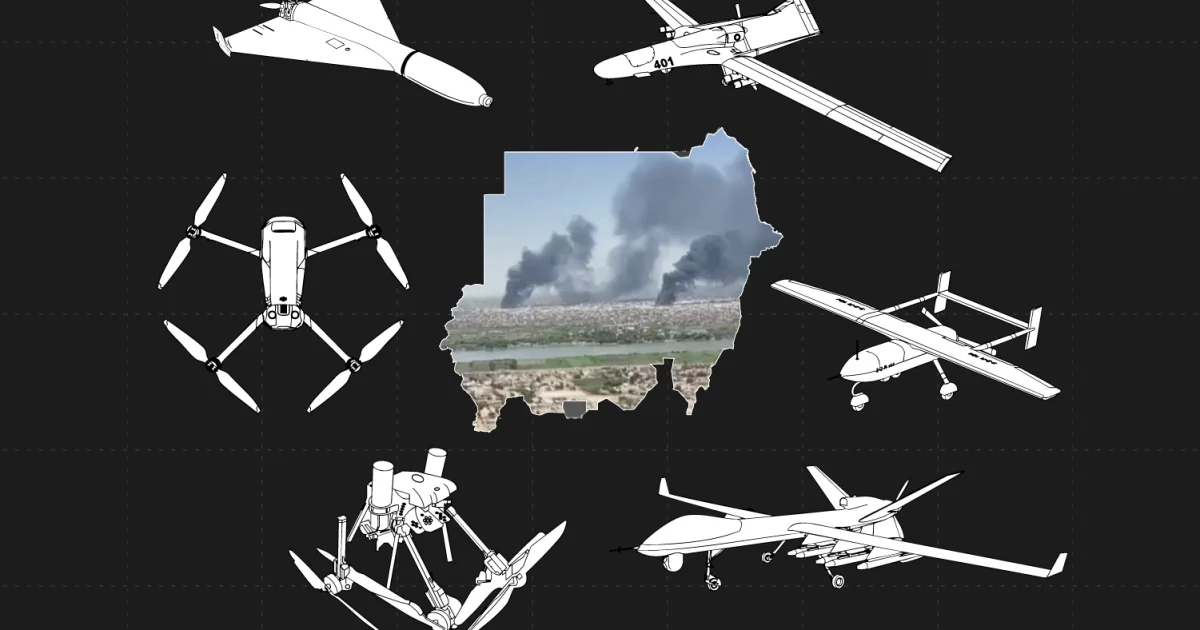
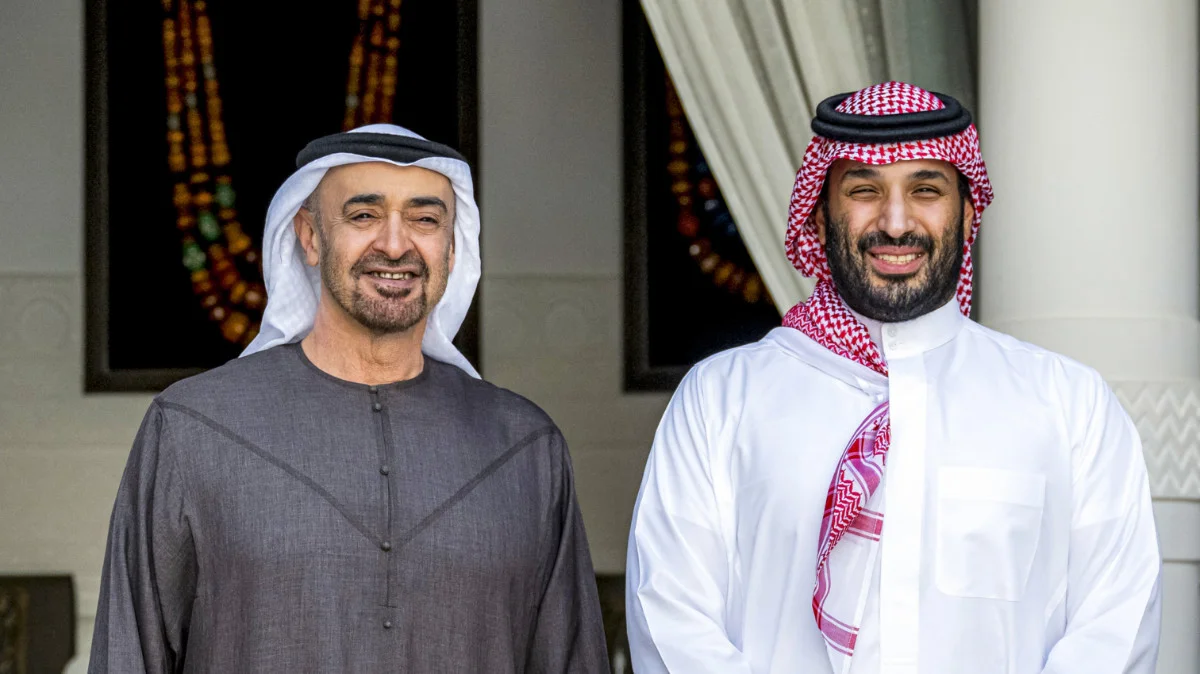
The ongoing war in Sudan between the military and the RSF is fueled by external support from countries like the UAE and Egypt, with the UAE allegedly supplying weapons to the RSF to counter Islamist influence and expand its regional power, while Egypt supports the Sudanese military due to strategic interests, complicating efforts for peace and escalating atrocities and humanitarian crises.
The article reports on a brutal massacre carried out by Sudan's Rapid Support Forces (RSF) in el-Fasher, Darfur, where over 2,000 people are feared dead. The RSF, accused of war crimes and crimes against humanity, celebrated the violence, which included executions and destruction, amid a siege and blockade of the city. The International Criminal Court is investigating these atrocities, and despite some RSF members being detained, the group continues to attempt to control the narrative.
Egypt and Turkey are increasing support for Sudan's army amid the RSF's advances, especially after the fall of el-Fasher, with Egypt reinforcing its borders and coordinating military efforts, while Turkey plans to bolster Sudanese forces, highlighting regional tensions and shifting alliances in the Sudan conflict.
A Bellingcat investigation has pinpointed the location of a mass killing outside Al Fashir, Darfur, where over 80 people were killed by RSF fighters during the recent conflict, with evidence suggesting systematic and unlawful violence, including videos and satellite imagery confirming the scene and the involvement of RSF commanders. The incident highlights ongoing atrocities and lack of accountability in the region.
The US is collaborating with other countries to seek a peaceful resolution to the ongoing conflict in Sudan, where recent clashes and the fall of Al-Fashir to paramilitary forces have resulted in significant civilian casualties and international concern over potential war crimes.
The UN Secretary General has warned that the Sudan civil war is spiraling out of control, with ongoing violence, atrocities, and a worsening humanitarian crisis, urging warring parties to negotiate and end the conflict.
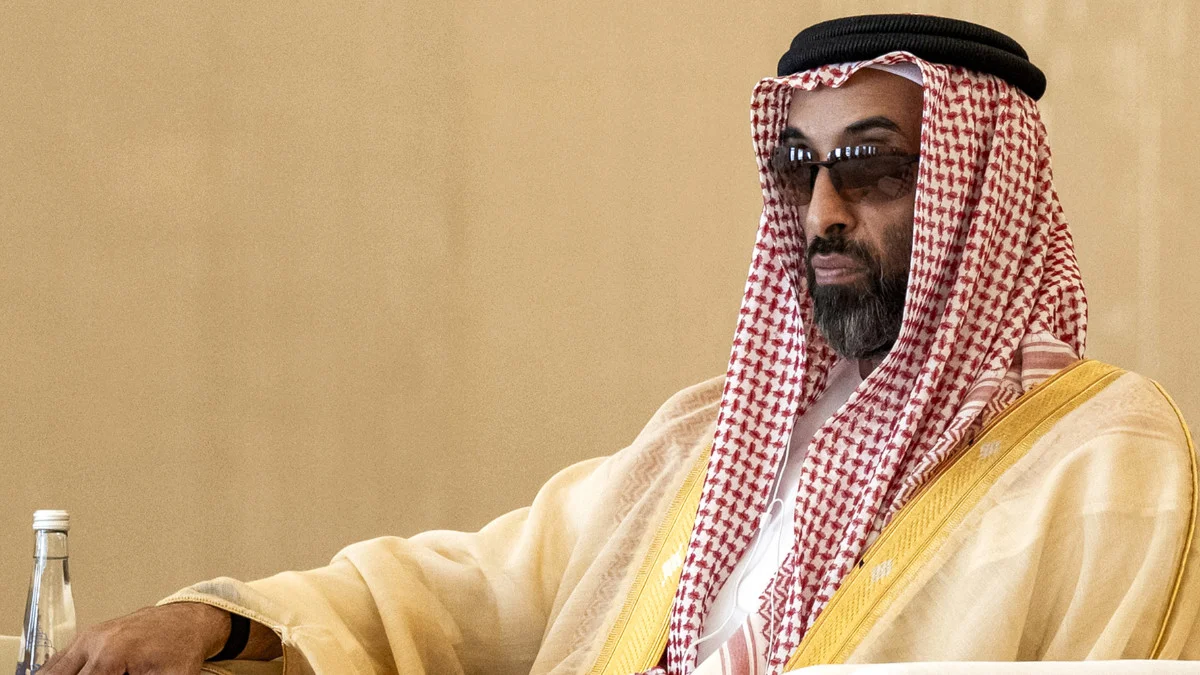
The UAE is publicly acknowledging mistakes in its Sudan policy, particularly its support for the RSF militia, amid international criticism and reputational damage. Historically, the UAE and Gulf states have invested heavily in Sudan's resources, including gold and ports, often aligning with military interests. Recent developments suggest the UAE is now seeking to distance itself from the RSF and support a transition to civilian rule, with international efforts aiming for a ceasefire and inclusive governance. The situation remains complex, with geopolitical and economic interests deeply intertwined.
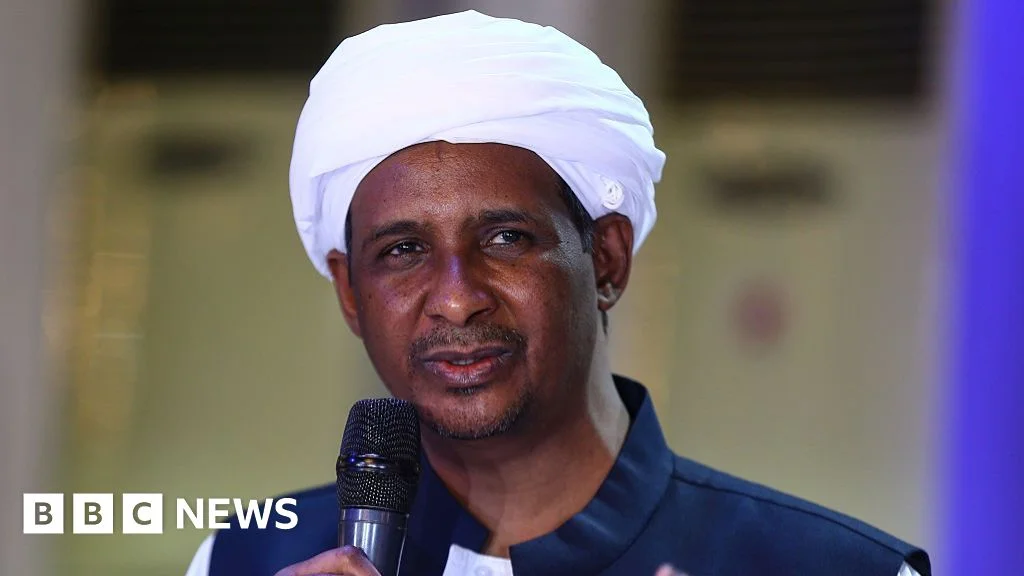
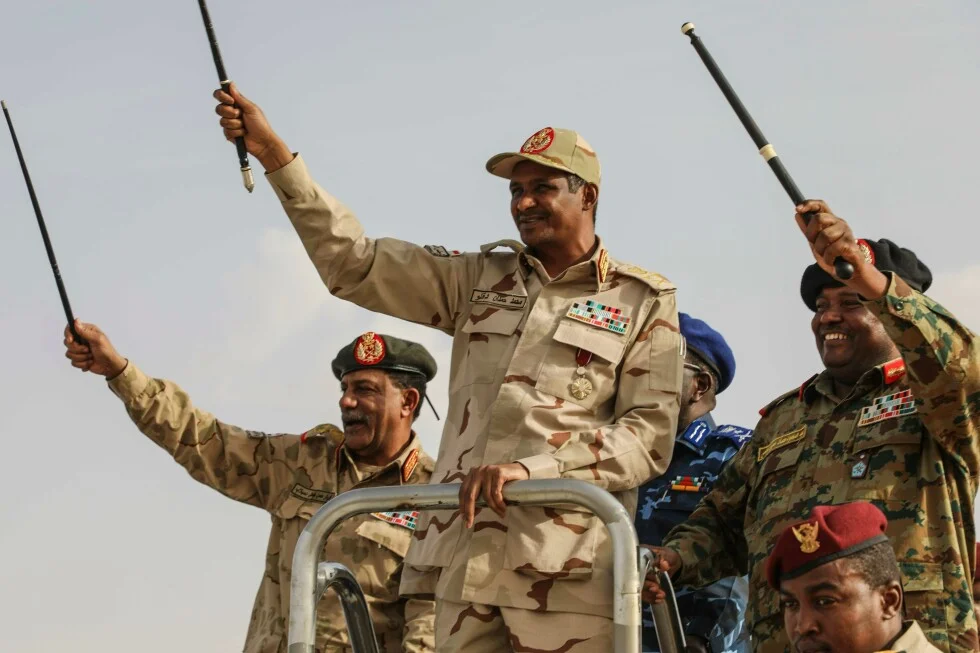
Mohamed Hamdan 'Hemedti' Dagolo, a former camel trader and Janjaweed militia leader, now controls the Sudanese paramilitary Rapid Support Forces (RSF), which has played a central role in the ongoing Sudan conflict, including recent victories and atrocities, with ambitions possibly extending to ruling Sudan or establishing a breakaway state.
Over 36,000 Sudanese have fled the Kordofan region since the fall of El Fasher to the RSF, amid ongoing clashes between the Sudanese armed forces and paramilitary groups, with reports of violence, displacement, and calls for ceasefire and humanitarian aid.,